
Capturing the beauty of wildlife during a safari doesn’t have to drain your wallet. With the right strategies, you can take stunning photos without breaking the bank. Let’s explore how to make your budget safari photography dreams a reality.
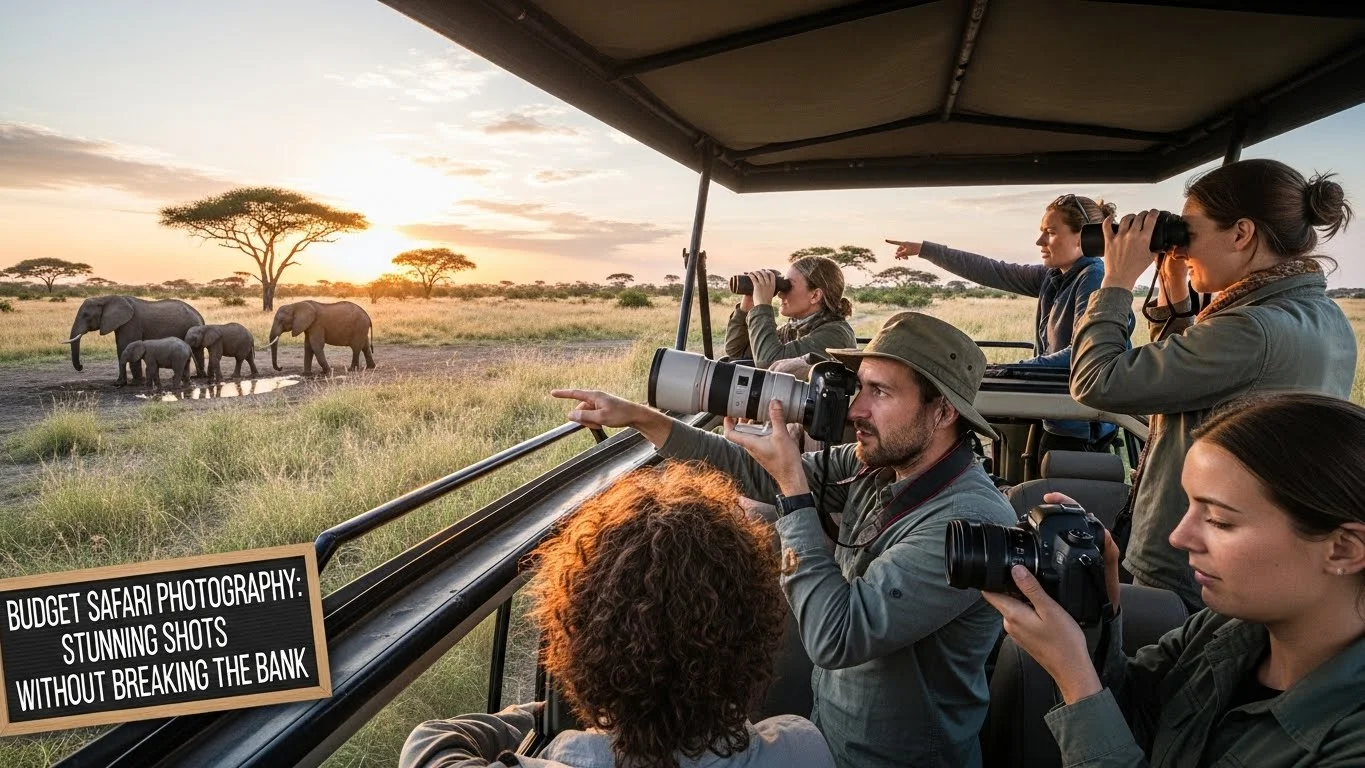
Understanding Budget Safari Photography
What is Safari Photography?
Safari photography is more than just taking pictures of animals in their natural habitat; it’s about storytelling through visuals. Each click of the shutter captures a moment, an emotion, or a unique interaction in the wild. I remember my first safari, the thrill of watching a lion bask in the sun while I tried to frame the perfect shot. It felt like stepping into a live documentary, and I was the storyteller. Whether you’re a hobbyist or a budding professional, safari photography invites you to observe and appreciate nature in a deeply personal way. For more insights, check out Wildlife Photography on a Budget: Safari Tips You Need.
Why Choose a Budget Safari?
Choosing a budget safari doesn’t mean sacrificing quality; instead, it often opens up a world of new adventures. I found that some of my most memorable experiences came from lesser-known parks and reserves where I could connect with nature without the crowds. A budget safari allows you to experience the thrill of wildlife viewing while making it accessible for more people. It can be an excellent way to explore new places, meet like-minded travelers, and develop your photography skills without the pressure of high costs.
Benefits of Budget Safari Photography
One of the biggest benefits of budget safari photography is the opportunity to learn and grow. When I first started, I had to get creative with my gear and techniques. It pushed me to experiment and think outside the box, leading to some truly unique shots. Plus, budget safaris often encourage exploration and adaptability. Here are a few benefits I discovered along the way:
- Flexibility: Budget options often allow for more spontaneous trips compared to pricy packages. This means you can adjust your plans based on weather or wildlife activity, which is crucial for great photography.
- Connection to Nature: Traveling on a budget often means smaller groups and more intimate experiences. I remember watching a herd of elephants from a secluded spot, feeling more like a part of the environment than a distant observer.
- Creative Growth: With limited resources, I learned to maximize my skills, focusing on composition, lighting, and animal behavior rather than relying solely on expensive equipment.
Planning Your Safari Trip
Choosing the Right Destination
Deciding where to go on a budget safari is crucial. From my experience, the right location can make all the difference. Some places offer rich wildlife experiences that won’t break the bank.
Popular Budget Safari Locations
Several national parks and reserves are known for their affordability without compromising on the wildlife experience. For instance, places like Tanzania’s Serengeti or Kenya’s Maasai Mara are popular, but they can be pricey during peak seasons. I found that parks like Tarangire in Tanzania and Lake Nakuru in Kenya offer stunning wildlife viewing at a fraction of the cost, especially if you visit during off-peak times. For essential tips on wildlife photography, you can read Essential Wildlife Photography Tips for Budget Safari Travelers.
Off-the-Beaten-Path Destinations
Don’t overlook lesser-known parks! I once visited a small reserve in Zambia that blew me away with its diversity of wildlife and stunning landscapes. Sometimes these hidden gems provide a more authentic experience. Places like Kafue National Park in Zambia or Akagera National Park in Rwanda can offer incredible wildlife experiences with fewer tourists, making for fantastic photography opportunities.
When to Go on Safari
Timing is everything when it comes to capturing the best shots. Seasons can significantly affect wildlife behavior and accessibility to certain areas.
Best Seasons for Wildlife Viewing
I’ve learned that the dry season (typically from June to October in many African countries) is ideal for wildlife viewing. Animals congregate around water sources, making them easier to spot and photograph. I remember taking some of my best shots during this time when the light was superb, and the animal activity was at its peak.
Weather Considerations
Weather can be unpredictable, and it’s essential to consider it while planning your trip. I found that the rainy season can be challenging, but it also brings lush landscapes and vibrant colors, perfect for photography. Plus, fewer tourists mean more opportunities for unique shots. Just make sure to pack appropriately for wet conditions!
Creating a Budget
Setting a budget is crucial for a successful safari experience. I remember the first time I planned my trip; it was easy to get overwhelmed by costs. However, breaking down the expenses helped me stay on track.
Affordable Safari Packages
Research is key when looking for affordable safari packages. I found that local tour operators often provide better deals than international companies. They can offer customized trips that fit your budget while providing authentic experiences. It’s worth reaching out to several companies to compare prices and services.
Accommodation Options
Accommodation can eat up a significant portion of your budget. I discovered that camping or staying in budget lodges can save a lot of money while offering a unique experience. In my case, sharing a tent with fellow travelers led to unforgettable friendships and stories.
Transportation Costs
Getting around can also add up, especially if you’re hopping between parks. I recommend considering self-drive safaris if you feel comfortable. This option gives you the freedom to explore at your own pace and can be significantly cheaper than guided tours.
Gear and Equipment for Budget Safari Photography
Essential Photography Equipment
When it comes to safari photography, having the right gear can make a huge difference. I remember my first safari; I was overwhelmed by the choices available. But I quickly learned that I didn’t need the most expensive equipment to capture stunning images. Here are some essentials I found helpful:
Camera Types for Beginners
If you’re just starting out, I recommend investing in a DSLR or a mirrorless camera. These options provide versatility and quality without requiring a professional’s budget. For me, my entry-level DSLR was perfect for learning the ropes. It allowed me to experiment with different settings and lenses without feeling intimidated. If you’re looking for something more compact, I’ve seen many photographers achieve great results with high-quality point-and-shoot cameras as well.
Best Budget Lenses for Wildlife Photography
A good lens can elevate your photography. I learned early on that a zoom lens is essential for capturing wildlife from a distance, especially when you’re trying to maintain a safe and respectful distance from animals. I found that a 70-300mm lens was a great budget choice, providing enough reach to capture stunning close-ups without breaking the bank. If possible, consider a lens with image stabilization, which can help reduce blur from camera shake, especially in low-light conditions.
Accessories to Enhance Your Shots
Besides your camera and lens, several accessories can enhance your photography experience. I discovered that these tools could be game-changers.
Tripods and Stabilizers
A tripod can be a lifesaver, especially for wildlife photography during the early morning or late afternoon when light is fading. I remember setting up my tripod to capture a herd of wildebeests crossing a river; it allowed me to take longer exposures without sacrificing image quality. If you’re planning to hike or move around a lot, consider a lightweight tripod or a stabilizer for your camera.
Protective Gear for Your Equipment
Wildlife safaris can expose your gear to dust, rain, and unexpected conditions. I learned to invest in a good camera bag that protects my equipment while allowing easy access. Rain covers are also crucial, especially during the wet season. I once got caught in a downpour, and having a rain cover saved my camera from water damage. It’s all about being prepared to protect your investment!
Smartphone Photography on Safari
Don’t underestimate the power of your smartphone! I’ve seen some fantastic wildlife shots taken with phones. The convenience of having a camera in your pocket means you can capture spontaneous moments without lugging around heavy gear.
Best Apps for Wildlife Photography
Several apps can enhance your photography experience. For editing on-the-go, I recommend apps like Snapseed or Lightroom Mobile. They offer powerful editing tools that can help enhance your images right from your phone. Plus, apps like iNaturalist can help identify species you encounter, adding a fun educational aspect to your trip.
Tips for Taking Stunning Shots with a Smartphone
To make the most of smartphone photography, I’ve learned a few tips. First, always keep your lens clean; it can make a huge difference in image clarity. Second, don’t shy away from using your phone’s zoom feature, but be mindful of digital zooming as it reduces quality. Lastly, try to get as close to your subject as possible without disturbing them—it often leads to more intimate and powerful shots.
Techniques for Capturing Stunning Safari Shots
Understanding Animal Behavior
Capturing great wildlife shots goes beyond just having the right gear; understanding animal behavior is key. I’ve found that observing animals in their natural habitat and learning their patterns can lead to incredible photo opportunities.
Best Times for Wildlife Photography
Early mornings and late afternoons are often referred to as the golden hours for wildlife photography. During these times, animals tend to be more active, and the lighting is softer, creating beautiful conditions for photography. I remember waking up before dawn to catch the sunrise over the savannah, and the sights and sounds were absolutely magical. It’s worth the early rise!
Patience and Observation Techniques
Wildlife photography requires patience. I’ve spent hours waiting quietly for the perfect moment, whether it was a cheetah stalking its prey or a mother elephant with her calf. It’s all about being in the right place at the right time and being ready to capture those fleeting moments. I recommend taking time to sit and observe—sometimes, the best shots come when you least expect them.
Composition and Framing Tips
Once you have your subject in sight, composition plays a crucial role in making your photos stand out.
Golden Hour Photography
The golden hour, just after sunrise or before sunset, bathes scenes in a warm, golden glow. I’ve found that during these times, my photos look more vibrant and inviting. The light can add depth and dimension, so I always try to plan my shoots around these moments.
Rule of Thirds in Wildlife Shots
Using the rule of thirds can help create more dynamic images. Imagine dividing your frame into a grid of nine equal parts; placing your subject off-center often makes for a more engaging photo. I’ve practiced this technique, and it has transformed my approach to composition. It encourages me to think creatively about how I frame my shots, leading to more visually interesting photographs.
Capturing Action Shots
Action shots are some of the most exciting to capture, and they require a bit of technique.
Using Burst Mode and Continuous Shooting
Burst mode allows you to take multiple shots in quick succession, which is invaluable for capturing fast-moving subjects. I’ve had fantastic luck getting shots of animals in motion, like a lioness leaping or a zebra running. Don’t be afraid to use this feature, as it increases your chances of getting that perfect shot.
Anticipating Animal Movements
Understanding animal behavior can help you predict their movements. I’ve spent time observing animals to learn their habits, and it pays off. For example, if you notice a lion yawning and stretching, be ready—chances are it will soon get up to walk or hunt. Anticipating these actions can lead to some of the best photographs of your safari adventure.
Post-Processing Your Safari Photos
Basic Editing Techniques
After returning home from my safari, I discovered that post-processing can bring my photos to life in a way I never imagined. The beauty of wildlife photography doesn’t always come through in the raw images. I’ve learned that simple editing techniques can enhance my shots significantly. Here are a few basic approaches I’ve found to be incredibly effective:
Using Free Photo Editing Software
There are amazing free editing tools available that can help transform your wildlife images. I started with software like GIMP and Paint.NET, which provide a solid foundation for editing without any costs. They offer features like cropping, color adjustment, and noise reduction. I remember the first time I used GIMP to tweak the exposure on a photo of a giraffe against a sunset; it added so much depth and vibrancy that I couldn’t believe it was the same image. I recommend exploring these resources as they can help you polish your photos beautifully.
Enhancing Colors and Contrast
One of the most striking ways to improve your photos is by adjusting the colors and contrast. I found that increasing contrast can make the details pop, especially in wildlife photos where textures play a crucial role. For landscapes or sunsets, boosting saturation slightly can bring out the richness of the colors without making it look unnatural. I remember working on an image of elephants at dusk; by enhancing the colors, it transformed into a captivating scene that truly reflected the magic of the moment.
Sharing Your Work
Once I’ve edited my shots and feel proud of the results, sharing them becomes an exciting part of the process. It’s wonderful to connect with others who share the same passion for wildlife photography. For more tips on safari photography, you can check out Capture the Wild: Top Tips for Safari Photography.
Best Platforms for Photographers
Social media platforms like Instagram and Facebook are fantastic for sharing your work. I love posting my favorite safari shots on Instagram, using specific hashtags to reach a broader audience. It’s amazing how many people appreciate wildlife photography. Another great option is Flickr, where photographers can share their work in a more organized way and connect with others through groups focused on wildlife photography. I’ve made some valuable connections and received helpful feedback through these platforms.
Building a Photography Portfolio
If you’re serious about showcasing your wildlife photography, consider creating a dedicated portfolio. I started mine using platforms like WordPress and Wix, which are user-friendly and allow for great customization. Curating my best images into a cohesive collection allowed me to tell a story about my experiences and the wildlife I captured. As I added more photos over time, I noticed how my skills improved, and my portfolio became a reflection of my journey in photography.
Tips for a Successful Budget Safari Experience
Choosing Affordable Safari Guides
Finding the right guide can make or break your safari experience, especially on a budget. I’ve learned that local guides often provide the best experiences at a fraction of the cost of larger tour companies. They have extensive knowledge of the area, which can lead to incredible wildlife sightings that you might miss otherwise. I remember going on a walking safari with a local guide who shared insights about animal tracks and plant life, enriching my understanding of the ecosystem. When searching for guides, I recommend checking online reviews or asking fellow travelers for recommendations. It can really pay off.
Safety Tips While on Safari
Staying safe during a safari should always be a top priority. I learned that being aware of my surroundings and following my guide’s instructions is crucial. Animals are unpredictable, and it’s essential to respect their space. For instance, I remember being in a vehicle when a curious elephant approached us; it was an adrenaline-filled moment, but we stayed calm and listened to our guide’s directions. Always keep your distance, avoid sudden movements, and understand that wildlife is just that—wild. It’s a privilege to observe them but safety should never be compromised.
Respecting Wildlife and the Environment
Being mindful of our impact on the environment is essential, especially in delicate ecosystems. I’ve always tried to follow the principles of “leave no trace” during my travels. Whether it was ensuring I didn’t disturb wildlife or properly disposing of waste, every little action counts. I remember witnessing a group of tourists who got too close to a pride of lions for the perfect shot. It was a stark reminder that while we’re there to enjoy nature, we must also protect it. Educating ourselves on local customs and conservation efforts is vital, and it’s a chance to contribute positively to the places we visit.
Frequently Asked Questions
What is Safari Photography?
Safari photography is about storytelling through visuals, capturing moments, emotions, and unique interactions in wildlife. It invites observers to appreciate nature deeply, whether as hobbyists or budding professionals.
Why should I choose a budget safari?
Choosing a budget safari allows for new adventures without sacrificing quality. It often leads to memorable experiences in lesser-known parks, smaller groups, and a more personal connection with nature while being cost-effective.
What are some benefits of budget safari photography?
Benefits include flexibility for spontaneous trips, a stronger connection to nature through smaller groups, and opportunities for creative growth by experimenting with gear and techniques.
What are popular budget safari locations?
Popular budget safari locations include Tarangire National Park in Tanzania and Lake Nakuru in Kenya, which offer great wildlife viewing at lower costs, especially during off-peak times.
When is the best time to go on safari for wildlife photography?
The dry season, typically from June to October, is ideal for wildlife viewing as animals congregate around water sources, making them easier to spot and photograph.
What essential photography equipment should I bring for a budget safari?
Essentials include a DSLR or mirrorless camera, a good zoom lens (like a 70-300mm), a tripod or stabilizer, and protective gear for your equipment, such as a camera bag and rain covers.
How can I enhance my smartphone photography on safari?
To enhance smartphone photography, keep the lens clean, utilize the zoom feature wisely, and get close to your subject while being respectful of wildlife.
What are some techniques for capturing stunning safari shots?
Techniques include understanding animal behavior, taking photos during golden hours, using the rule of thirds for composition, and utilizing burst mode for action shots.
How can I edit my safari photos after the trip?
Basic editing techniques can include using free photo editing software like GIMP, enhancing colors and contrast, and making adjustments to improve overall image quality.
What safety tips should I follow while on safari?
Stay aware of your surroundings, follow your guide’s instructions, keep a safe distance from wildlife, and avoid sudden movements to ensure safety during your safari experience.