
Desert photography can be an exhilarating adventure, capturing vast landscapes and unique textures. With a little planning, you can create stunning images without breaking the bank. Read Interesting article: Capture the Desert: Tips for Stunning Landscape Photography
Understanding Desert Photography
The Unique Characteristics of Desert Landscapes
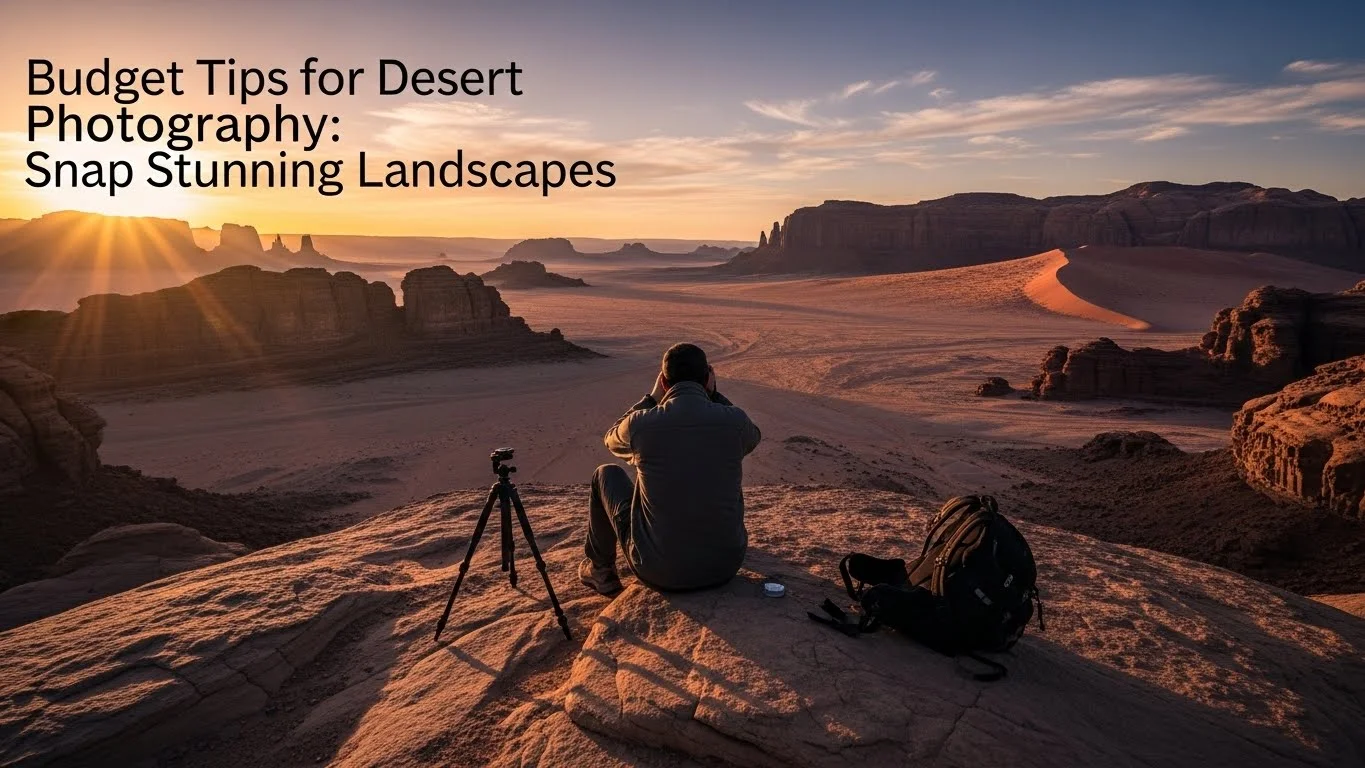
When I first set out to capture desert photography, I was immediately struck by the extraordinary qualities of these landscapes. Deserts are not just empty spaces; they offer a breathtaking array of textures, colors, and patterns. The bright sun illuminates the sandy dunes, creating shadows and highlights that dance across the surface. I found that the golden hour—just after sunrise and before sunset—transforms the landscape, painting the sky with hues of orange, pink, and purple. This magical light can elevate your photographs from ordinary to extraordinary.
Moreover, the stark contrast between the vibrant colors of the desert flora and the neutral tones of the sand creates a visual feast. I’ve also noticed how the unique formations of rocks and canyons offer endless opportunities for creativity. Whether you’re shooting sweeping vistas or intimate details of cacti, each image tells a story about the harsh yet beautiful environment.
Essential Equipment for Desert Photography
Before heading out, I realized that having the right equipment is crucial. While it’s tempting to invest in the latest gear, I discovered that there are plenty of budget-friendly options that can still deliver stunning results. A reliable DSLR or mirrorless camera is a must; however, I often recommend checking out entry-level models that won’t break the bank. I started with a mid-range DSLR, and it served me well for years.
Lenses are another essential part of the equation. A versatile zoom lens, such as a 24-70mm, allows for flexibility in various shooting situations. I also found that a wide-angle lens can help capture those expansive desert scenes, making the viewer feel as if they’re standing right there with me. I occasionally borrowed lenses from friends or rented them to keep costs low.
Don’t overlook accessories like polarizing filters and lens hoods. These can help manage the harsh sunlight, reduce glare, and enhance colors. I remember using a polarizing filter during a particularly bright day, and it made such a difference in the vibrancy of my images.
Common Challenges in Desert Photography
While the desert is incredibly beautiful, it comes with its fair share of challenges. One of the biggest hurdles I faced was the intense heat. I learned the hard way that overheating can be tough on both my camera and myself. Staying hydrated is essential, and I always pack plenty of water. I also recommend taking breaks in the shade whenever possible.
Another challenge is the amount of dust and sand that can easily get into your camera equipment. After an adventurous day in the desert, I found sand in places I didn’t even know existed in my gear. Investing in a good camera bag with dust-proof features is a wise decision. I also learned to carry a cleaning kit, which saved me more than once when I noticed a speck of dust on my lens just before a sunset shoot.
Wildlife can also be a consideration. While I was excited to see animals in their natural habitat, I quickly realized that some creatures could be dangerous. It’s crucial to respect their space and maintain a safe distance. Carrying a telephoto lens can help capture those elusive desert inhabitants without intruding on their environment.
Lastly, navigating in the desert can be tricky. I once got lost while trying to find a specific location for a shoot. It’s essential to have a reliable map or GPS and to familiarize yourself with the terrain beforehand. I learned to plan my routes ahead of time and always let someone know where I’m going.
In my experience, desert photography is about embracing the unique challenges and characteristics of the environment. The beauty of the landscapes and the joy of capturing them make every moment worth it. By understanding these elements, you can set yourself up for a rewarding photography trip without overspending.
Budget-Friendly Photography Gear
Camera Options for Every Budget
When I first ventured into desert photography, I quickly realized that I didn’t need the most expensive camera to capture breathtaking images. There are plenty of budget-friendly options available that still offer great quality. For beginners, I often recommend starting with an entry-level DSLR or a mirrorless camera. These models are user-friendly, lightweight, and versatile. I remember my first camera, a mid-range DSLR, which allowed me to learn the fundamentals without overwhelming me with features I didn’t need at the time.
If you’re looking to save even more, consider buying a used camera. Many photographers upgrade often, which means there are plenty of gently used options that can be found at a fraction of the cost. Websites like KEH, B&H Used, or even local camera shops can have fantastic deals. I’ve had great luck finding reliable equipment this way, and it felt good to know that I was investing in a quality piece of gear that had a story of its own.
Affordable Lenses for Stunning Shots
Having the right lens can revolutionize your photography, but I learned that you don’t need an arsenal of expensive glass to achieve stunning results. A good all-in-one zoom lens can be a great starting point. I found that a lens with a focal range of 18-55mm was perfect for capturing both wide landscapes and close-up details of desert flora. If you’re looking to expand your kit, consider a prime lens like a 50mm f/1.8. These lenses are often affordable and can produce beautiful images with great depth of field.
Additionally, if you’re interested in capturing the expansive desert landscapes, a wide-angle lens (like a 10-18mm) can help you include more of the scene in your frame. I remember the first time I used a wide-angle lens; it was like seeing the world in a whole new way. I could fit entire rock formations and vast skies into one shot, which made my photos much more dramatic and captivating.
Tripods and Accessories on a Budget
A sturdy tripod is an essential piece of equipment, especially for shooting landscapes in low light or during long exposures. I used to think that tripods had to be expensive, but I found reliable options for under $50. Look for lightweight models that are easy to carry, as you’ll appreciate the convenience during hikes or long walks through the desert.
Along with a tripod, I recommend investing in some basic accessories like lens cleaning kits and a sturdy camera bag. These items don’t have to be costly, but they can protect your gear and help ensure you’re always ready for the next great shot. I can’t tell you how helpful it’s been to have a lens cloth handy when those pesky dust particles show up right before a shoot!
Smartphone Photography: A Cost-Effective Alternative
Sometimes, I find myself reaching for my smartphone instead of my camera, especially when I want to travel light. Modern smartphones have impressive cameras that can capture stunning images, and I’ve witnessed the magic firsthand. I remember a day in the desert when my DSLR battery died, but my trusty smartphone allowed me to capture beautiful sunset shots that were just as vibrant and colorful.
Using smartphone photography apps can also enhance your images. Apps like Snapseed or Lightroom Mobile offer powerful editing tools right at your fingertips. I’ve experimented with these apps, and they often produce results that are hard to distinguish from those taken with a professional camera. The convenience of a smartphone means I can always be ready to capture those unexpected moments without any hassle.
In my experience, whether you’re using a DSLR, a mirrorless camera, or your smartphone, what truly matters is your creativity and perspective. With the right budget-friendly gear, you can create beautiful images of the desert that reflect your unique vision. It’s all about making the most of what you have and finding joy in the art of photography.
Planning Your Desert Photography Trip
Best Deserts for Photography
When it comes to choosing a desert for photography, I’ve discovered that not all deserts are created equal. Each one has its own character and charm. For me, the stunning landscapes of the American Southwest, like the iconic Monument Valley or the mesmerizing Antelope Canyon, have always been at the top of my list. There’s something magical about capturing the red rock formations and the way the light plays off the canyon walls.
Another favorite of mine is the vastness of Death Valley National Park. I remember standing in the Mesquite Flat Sand Dunes at sunrise, feeling like I was in a different world. The undulating sand patterns and the vibrant colors of the sky were simply breathtaking. Don’t forget about the Sonoran Desert, too, especially in spring when the wildflowers bloom—it’s a sight that is hard to forget. Read Interesting article: Explore National Parks on a Budget: Top Expedition Tips
If you’re looking to explore internationally, the Sahara Desert offers unique opportunities. I was lucky enough to visit Morocco and photograph the sweeping dunes of Erg Chebbi. Each desert presents unique photographic opportunities; it’s all about finding the one that resonates with you.
When to Visit: Ideal Seasons and Conditions
Timing your trip is crucial for capturing the best photographs. I learned that visiting the desert in the cooler months, typically fall and spring, can make a significant difference. The heat of the summer can be blistering, and trust me, trying to shoot in 100-degree weather is no fun! I remember one trip where I misjudged the temperature and ended up shooting in sweltering heat; it was exhausting.
Additionally, I’ve found that the time of day plays a big role in the quality of your shots. Early mornings and late afternoons, during the golden hour, provide that soft, flattering light. I’ve captured some of my favorite images during these times, with the sun low in the sky casting long shadows and creating a warm glow over the landscape. The dramatic effects of sunrise and sunset can elevate your photos, making them look truly stunning.
Getting There: Budget Travel Options
Traveling to the desert doesn’t have to drain your wallet. I’ve discovered several budget-friendly options that can save you money while still getting you to those stunning locations. For instance, I often look into budget airlines or even consider road trips. There’s something special about the journey itself—stopping at various points of interest along the way can make for unforgettable memories.
When I traveled to the Mojave Desert, I carpooled with friends, which helped split costs and made the trip more fun. I also recommend checking apps like Google Flights or Skyscanner to find the best deals on flights. Consider traveling during off-peak seasons, as prices tend to drop significantly.
Once you arrive, renting a car is often the best way to explore the area, especially if you want to reach those hidden gems. I always look for rental companies that offer discounts for longer rentals. It’s worth spending a bit of time researching to find the best deals!
Saving on Accommodations
Camping vs. Hotels in Desert Areas
When it comes to choosing where to stay in the desert, I’ve found that camping can be an incredible and budget-friendly option. There’s nothing quite like sleeping under the stars, surrounded by the quiet beauty of the desert. I remember my first night camping at Joshua Tree National Park; the sky was so clear, and the stars seemed to be within reach. It was a magical experience that added a whole new dimension to my photography.
On the other hand, if camping isn’t your thing, there are various budget hotels and motels available in desert towns. I’ve had success finding affordable accommodations through sites like Airbnb or Booking.com. Just make sure to read the reviews; I always do my homework to ensure a pleasant stay.
Finding Budget-Friendly Lodging Options
Finding budget-friendly lodging in desert areas can be a fun challenge. I recommend checking out local campgrounds or national parks, as they often have affordable rates. Some public lands even allow dispersed camping for free, which is a fantastic way to save money while enjoying the beauty of the desert. Just remember to check the rules and regulations beforehand to ensure a safe experience.
If you’re leaning towards hotels, I’ve found that staying a little farther away from major attractions can lead to surprising savings. Many visitors flock to popular areas, driving up hotel prices. By staying in nearby towns, I’ve managed to find cozy inns or motels that fit my budget perfectly.
Staying Safe While Camping in the Desert
While camping in the desert is an adventure, safety should always be a priority. I learned this firsthand when I underestimated the temperature drop at night. Always pack layers, as nights can get chilly, even in the summer. I recommend bringing a good sleeping bag rated for cooler temperatures, just in case.
Staying hydrated is crucial too. I always carry extra water, as the dry desert air can quickly dehydrate you. Additionally, it’s wise to let someone know your plans, especially if you’re heading into remote areas. I once took a solo trip and realized I didn’t tell anyone where I was going. It was a wake-up call to prioritize safety while enjoying the great outdoors.
Lastly, always be aware of your surroundings. Wildlife can be present, and it’s important to respect their space. Keep food sealed and stored properly to avoid attracting animals. Having a first-aid kit on hand is also a good idea—I’ve had to use mine a few times on my trips!
Capturing Stunning Landscapes on a Budget
Utilizing Natural Light for Best Results
I can’t emphasize enough how crucial natural light is in desert photography. The way sunlight interacts with the landscape can completely change the mood and depth of your images. I remember one afternoon in the Sonoran Desert, watching how the low angle of the sun created a beautiful play of light and shadow across the cacti. This kind of light enhances textures, making the ruggedness of rocks and the delicate details of plants stand out. I’ve found that shooting during the golden hour—just before sunset or after sunrise—offers the most flattering light for landscapes. The warm tones at this time give your photos a magical quality that’s hard to replicate.
Furthermore, it’s important to be aware of how the changing light affects color saturation throughout the day. I noticed that the midday sun can wash out colors and create harsh shadows. If I find myself out during that time, I tend to seek out shaded spots or look for compositions that incorporate interesting foreground elements to add depth. I often find that shooting in overcast conditions can also yield beautiful results, as the diffused light softens the landscape and reduces the harsh contrast.
Creative Composition Techniques
Composition is where I feel I can really express my artistic vision. I learned that employing techniques like the rule of thirds can lead to more dynamic images. When framing my shots, I try to place focal points along the gridlines or at their intersections, leading the viewer’s eye through the photograph. For landscapes, I often include a strong foreground element, like an interesting rock formation or a patch of colorful wildflowers, to create depth and guide the viewer’s eye into the scene.
Another technique I love is using leading lines. In the desert, natural lines from rock formations or pathways can draw the viewer’s gaze toward the horizon or a distant peak. I remember standing at the edge of a canyon, where I used the ridge to lead into the expansive landscape beyond. It added a sense of journey to my images, making them feel more immersive.
Experimenting with different perspectives is also key. I often find myself getting low to the ground to shoot up at a cactus or climbing to a higher vantage point to capture the vastness of the landscape. Changing my viewpoint can transform a familiar scene into something fresh and unexpected.
Post-Processing Tips for Budget Photographers
Once I have my photos, I love diving into post-processing. Even on a budget, you can achieve amazing results with free or affordable editing software. I started with programs like GIMP and later moved on to Adobe Lightroom, which offers a lot of powerful features at a reasonable subscription price. I’ve found that enhancing contrast and saturation can help bring out the colors that the desert is known for, making my images pop.
One of my favorite tricks is adjusting the clarity and sharpness to give my landscapes that extra bit of detail. I remember a shot of the red rocks in Utah that really came alive after a little bit of editing—suddenly, the textures were more pronounced, and it felt like you could almost reach out and touch them. Just remember to keep adjustments subtle; over-editing can lead to unnatural-looking images.
Lastly, I recommend saving your edits as presets or templates if you find a style you love. This way, you can streamline your workflow for future projects, making it easier to maintain a consistent look across your portfolio.
Local Knowledge: Connecting with the Desert Environment
Engaging with Local Photographers
One of the best ways to improve my photography skills and gain insights into the local desert environment has been connecting with fellow photographers. I’ve discovered that local photographers often have a wealth of knowledge about the best spots and times to shoot. I remember attending a workshop in a national park where I met some amazing artists who shared tips about capturing the unique light in the desert. Not only did I learn from them, but I also forged friendships that have led to numerous collaborative shoots.
Understanding Desert Wildlife and Flora
Understanding the wildlife and flora of the desert has enriched my photography experience. I’ve taken the time to learn about the different species of cacti and the unique animals that inhabit these areas. When I know what to look for, I can better anticipate moments that tell a story about the ecosystem. For instance, I’ve seen how certain flowers bloom only in specific seasons, which makes timing essential for capturing them at their peak. Plus, being aware of the wildlife helps me with my photography; knowing the habits of animals can lead to exciting opportunities to capture them in their natural behavior. Read Interesting article: Experience Wildlife Safaris on a Budget: Tips & Tricks
Respecting Nature and Cultural Sensitivity in Photography
Lastly, it’s vital to approach desert photography with respect for nature and cultural sensitivity. I always remember to tread lightly and leave no trace, especially in fragile environments. I’ve seen firsthand how popular locations can be affected by over-tourism, and it made me more committed to promoting responsible photography practices. I also take the time to learn about the cultural significance of certain areas, especially when photographing indigenous lands. This understanding helps me connect with my surroundings and approach my photography more thoughtfully.
Final Thoughts
Desert photography has been more than just a hobby for me; it’s a journey filled with exploration, creativity, and deep appreciation for nature. By understanding the unique characteristics of this environment, planning wisely, and connecting with others, I’ve created some of my most cherished memories and photographs. It’s possible to capture stunning images without spending a fortune—what matters most is our passion and perspective. So grab your camera, head into the desert, and let your creativity flow. The vast, untamed beauty of the desert is waiting for you.
Frequently Asked Questions
What are the unique characteristics of desert landscapes?
Desert landscapes offer a breathtaking array of textures, colors, and patterns. The bright sun creates shadows and highlights on sandy dunes, especially during the golden hour, which transforms the sky with hues of orange, pink, and purple. The contrast between vibrant desert flora and neutral sand tones, along with unique rock formations and canyons, provides endless creative opportunities for photography.
What essential equipment is needed for desert photography?
A reliable DSLR or mirrorless camera is essential, along with versatile lenses such as a 24-70mm zoom lens and a wide-angle lens for expansive scenes. Accessories like polarizing filters and lens hoods are also important to manage harsh sunlight and enhance colors.
What common challenges do photographers face in the desert?
Photographers often deal with intense heat, dust and sand getting into equipment, wildlife encounters, and navigation difficulties. Staying hydrated, using dust-proof camera bags, carrying a cleaning kit, and planning routes ahead of time can help mitigate these challenges.
What budget-friendly camera options are available for beginners?
Beginners can start with entry-level DSLRs or mirrorless cameras, which are user-friendly and lightweight. Purchasing used cameras from reputable sites can also provide great savings while still offering reliable equipment.
What are some tips for capturing stunning landscapes on a budget?
Utilizing natural light is crucial; shooting during the golden hour provides flattering light. Employing composition techniques like the rule of thirds and leading lines can enhance images. Additionally, trying different perspectives and using affordable editing software can help achieve stunning results.
What are the best times to visit the desert for photography?
The ideal times to visit are during the cooler months of fall and spring. Early mornings and late afternoons are best for capturing photos, as the golden hour light creates a beautiful glow and long shadows.
How can I save on accommodations while traveling in the desert?
Camping is a budget-friendly option that allows for an immersive experience in nature. If camping isn’t suitable, look for budget hotels or motels, especially those located a bit farther from major attractions to save on costs.
What should I know about wildlife and flora in the desert?
Understanding the local wildlife and flora enriches the photography experience. Knowing about different species and their behaviors helps anticipate moments for capturing them, while being aware of seasonal blooms is crucial for photographing specific flowers.
How can I connect with local photographers for better insights?
Engaging with local photographers through workshops or photography groups can provide valuable knowledge about the best shooting spots and times. These connections can lead to collaborative opportunities and friendships that enhance your photography journey.
What is the importance of respecting nature and cultural sensitivity in desert photography?
Approaching desert photography with respect for nature and cultural sensitivity is vital. This includes practicing responsible photography, learning about the cultural significance of areas, and ensuring to leave no trace to protect fragile environments from over-tourism.