
Exploring cultural heritage on a budget opens doors to rich experiences without breaking the bank. From ancient ruins to local traditions, let’s dive into how we can embrace these adventures while keeping our expenses low. Read Interesting article: Budget Travel Tips for Families: Explore Without Breaking the Bank
Understanding Cultural Heritage Travel
What is Cultural Heritage Travel?
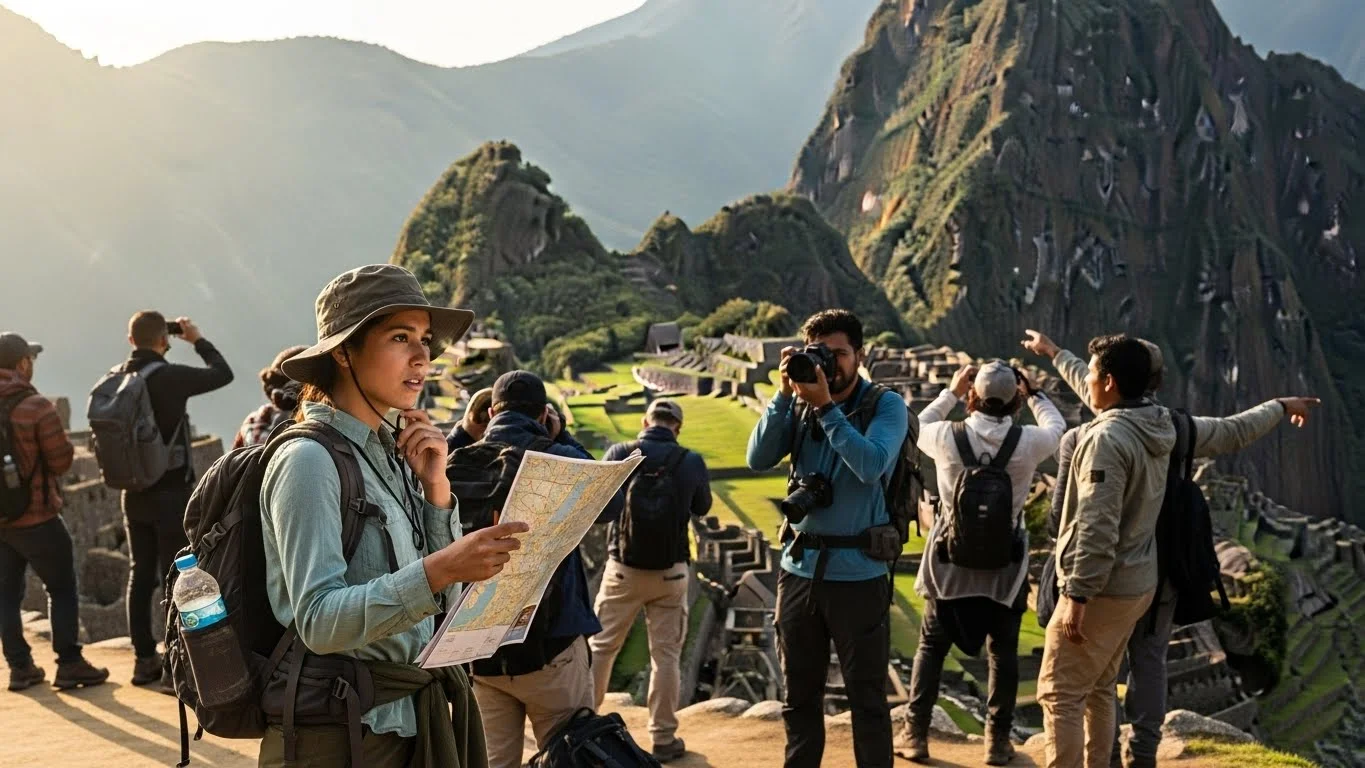
Cultural heritage travel is all about experiencing the stories, traditions, and histories that shape different communities. When I first began to explore this type of travel, I was drawn to the idea of not just visiting a place but truly understanding its essence. Whether it’s ancient temples, historic neighborhoods, or local festivals, cultural heritage travel encourages us to connect with the past and the present in a meaningful way. It’s about witnessing the narratives that have shaped cultures over centuries and being a part of that journey, even if just for a little while.
Why Choose Budget Travel for Cultural Exploration?
Choosing budget travel doesn’t mean sacrificing depth or enjoyment. In fact, my experiences have shown that traveling on a budget can lead to more authentic cultural encounters. When we’re not focused on high-end hotels or lavish meals, we often find ourselves more immersed in local life. I remember wandering through the bustling streets of a small town in Italy, where I stumbled upon a local market. The prices were low, but the connections I made—sharing laughs and stories with vendors—were priceless.
Budget travel allows us to stretch our dollars further, which means we can visit more sites, try different foods, and even participate in community events. Instead of splurging on one expensive dinner, we could enjoy several affordable meals, each showcasing the unique flavors of the region. I’ve learned that the richness of a destination often lies in its everyday life, and budget travel allows for more of those experiences. Read Interesting article: Affordable Family Adventures: Smart Budget Travel Tips Inside
Essential Budget Travel Tips
Planning Your Trip on a Budget
The cornerstone of budget travel is effective planning. I’ve discovered that a little research can go a long way. Start by outlining your must-see cultural heritage sites and then do some digging on entrance fees, opening hours, and any available discounts. Websites like local tourism boards or travel blogs can be treasure troves of information. I once found a very informative local blog that listed free museum days and special cultural nights that I would have otherwise missed. It’s amazing how much you can save with just a bit of preparation!
Another tip is to create a daily budget for your trip. This includes not only accommodation and transportation but also meals and activities. I like to factor in a little extra for spontaneous experiences that may pop up along the way. Keeping track of expenses during my travels helps me stay within my budget while also enjoying the freedom to indulge now and then.
Flexible Travel Dates and Off-Peak Seasons
If you can be flexible with your travel dates, you’ll often score significant savings. I’ve seen prices for flights and accommodations drop dramatically during off-peak seasons. Traveling during these times not only saves money but also allows for a more authentic experience—fewer tourists means more opportunities to connect with locals. For instance, I once visited a heritage site in Spain during the shoulder season. The serene atmosphere made it easier to appreciate the history without the usual crowds. Plus, I had the chance to chat with local guides who shared insights that I wouldn’t have learned otherwise!
Choosing Budget Airlines and Transportation
Finding budget airlines can feel daunting, but it’s well worth the effort. I usually compare prices on several travel websites and apps, sometimes even booking directly through the airline for the best deals. Additionally, I’ve found that alternative airports, when available, can offer lower fares. While it may require a longer commute to the city center, the savings can be significant.
Once at my destination, I prefer using public transportation. It’s not only more economical, but it also immerses me in local life. I remember taking a bus in Bangkok that was filled with locals, and it felt like I was a part of the city’s heartbeat. I’ve even made friends on these rides, exchanging stories and tips. If you’re feeling adventurous, consider renting a bike or walking. Not only does it save money, but it allows for a more intimate exploration of cultural sites.
Affordable Accommodation Options
Hostels and Guesthouses
I’ve always found that hostels and guesthouses can be hidden gems when it comes to budget accommodation. Not only are they affordable, but they also provide a chance to meet fellow travelers and share experiences. I remember my first stay in a hostel in Prague; it was such a vibrant space filled with people from all over the world. We exchanged travel tips over breakfast, and I learned about local spots I wouldn’t have found otherwise.
Staying in a hostel often allows us to choose between dormitory-style rooms or private accommodations, catering to different preferences. I usually opt for the dormitory option; it’s cheaper and more social. Plus, many hostels offer organized activities—like walking tours or pub crawls—which are great ways to explore the city while making friends. Just be sure to check reviews before booking; I always look for places that prioritize cleanliness and comfort.
Homestays and Cultural Exchanges
Homestays have become one of my favorite ways to experience a destination. They allow me to immerse myself in local culture by staying with a family. I vividly recall my time in a small village in Vietnam where I lived with a local family. They taught me how to cook traditional dishes, and we shared stories over meals. This experience was priceless and cost-effective, as the price often includes meals and cultural activities.
Platforms like Airbnb and other cultural exchange websites make finding homestays easier than ever. I’ve discovered that connecting with locals this way adds a unique depth to my travels. The warmth and hospitality of the families I’ve stayed with have often made my trips unforgettable. Just like any other accommodation, look for reviews to ensure a positive experience.
Budget Hotels and B&Bs
If hostels or homestays aren’t your style, budget hotels and bed-and-breakfasts (B&Bs) can provide comfort without breaking the bank. I’ve stayed in quaint B&Bs in places like the English countryside, where the hosts were more than happy to share their knowledge of the area. It felt like having a local friend who was eager to help me discover the hidden treasures of their town.
When searching for budget hotels, I often use comparison sites to find the best deals. I look for places that offer free breakfast or kitchen access, as it can significantly cut down on food costs. Another tip is to book directly through the hotel’s website, as they sometimes offer exclusive discounts or perks. I’ve found that even a small savings can add up, allowing me to allocate those funds to experiences instead.
Cost-Effective Ways to Experience Cultural Heritage
Free and Low-Cost Cultural Attractions
I’ve learned that many cities offer a wealth of free or low-cost attractions that allow us to soak in the local culture. Museums often have free entry days, and historical sites might offer discounted rates for students or seniors. I remember visiting a stunning art gallery in Barcelona that was free on Sundays, and I was blown away by the exhibits. It felt special to enjoy such incredible art without spending a dime.
Additionally, many cities have beautiful parks or public spaces where you can immerse yourself in local life. I’ve spent afternoons simply strolling through these areas, watching street performers or joining a local game of chess. These experiences often become the highlights of my travels, as they allow me to connect with the community in a genuine way.
Walking Tours and Local Guides
Walking tours are another fantastic way to explore cultural heritage on a budget. I’ve participated in many free walking tours in various cities, where local guides share their insights and stories. These tours not only provide a great introduction to the city but often lead to discovering lesser-known spots that aren’t in guidebooks. I once took a street art tour in Berlin, and it opened my eyes to the city’s history and vibrant culture.
If you want a more personalized experience, consider hiring a local guide for a small fee. It’s amazing what you can learn from someone who knows the area well. I’ve done this in places like Istanbul, where my guide shared fascinating stories and took me to hidden gems that I would have never found on my own. Read Interesting article: Maximize Your Savings: Budget Travel Tips for Backpacking
Community Events and Festivals
Attending local events and festivals is one of my favorite ways to experience a culture deeply. I’ve discovered so many vibrant traditions just by stumbling upon a festival or community gathering. Whether it’s a food festival, a cultural celebration, or a local market, these events often showcase the heart and soul of a place.
Many festivals are free to attend, with the opportunity to sample local foods, enjoy performances, and meet residents. I once found myself in the middle of a colorful street festival in Peru, filled with music, dance, and laughter. It was a perfect way to connect with the culture and people without spending much. To find out about these events, I usually check local calendars, social media groups, or ask locals when I arrive. It’s a fantastic way to feel like I’m part of the community, even if just for a short time.
Food on a Budget: Enjoying Local Cuisine
Street Food and Local Markets
I’ve always been a huge fan of street food, and for good reason! It’s one of the most affordable ways to savor local flavors without the hefty price tag. I remember wandering through the vibrant markets of Bangkok, where the aroma of spices and grilled meats filled the air. I tried a delicious pad thai from a street vendor for just a couple of dollars, and it was one of the best meals I’ve ever had. The experience of eating where locals do really connects you to the culture—and it’s often way tastier than what you’d find in a fancy restaurant.
Exploring local markets is another great way to enjoy budget-friendly meals. I’ve spent hours at markets in places like Mexico City, sampling freshly made tacos and local delicacies. Not only are the prices incredibly reasonable, but I also get to chat with the vendors, who are usually eager to share their stories and cooking tips. When visiting a market, I like to look for stalls that have a line of locals waiting; it’s usually a good sign that the food is fresh and delicious!
Affordable Restaurants and Cafés
While street food is a fantastic option, I also appreciate the charm of small, local restaurants and cafés. I’ve found that these places often provide a warm atmosphere and a chance to try traditional dishes at a fraction of the cost of touristy spots. I remember dining at a family-run café in Lisbon, where the owner served me her grandmother’s recipe for bacalhau à brás. It was authentic, comforting, and incredibly affordable.
When I’m searching for budget dining options, I often consult online reviews or ask locals for their recommendations. Social media can be a great tool for this—following food bloggers or local influencers often leads me to hidden gems. I’ve discovered many wonderful eateries this way, and it always feels rewarding to know I’m supporting local businesses while enjoying a great meal!
Cooking Classes and Local Dishes
One of my favorite experiences while traveling has been taking cooking classes. Not only do I get to learn how to prepare regional dishes, but it’s also a fantastic way to meet locals and learn more about their culture. I remember a cooking class in a small town in Italy, where the chef guided us through making fresh pasta from scratch. The joy of sharing a meal we created together was unforgettable, and the cost was reasonable compared to dining out at a restaurant.
Cooking classes often include a market visit where you can buy fresh ingredients, which gives you a chance to interact with local vendors. This experience has taught me so much about the local cuisine and culture that I wouldn’t have gained from just eating out. Plus, I’ve returned home with some delicious recipes that remind me of my adventures every time I cook them!
Transportation Tips for Cultural Heritage Travel
Using Public Transportation Effectively
I’ve discovered that public transportation is not just a budget-friendly option; it’s also a window into local life. I remember taking the metro in Paris, surrounded by locals going about their daily routines. It felt like I was truly part of the city, rather than a tourist. I’ve learned to navigate subway maps and bus schedules, and it’s often the most efficient way to get around.
Many cities also offer travel passes that can save you money if you plan to use public transport frequently. For example, I once purchased a multi-day pass in Berlin that allowed me unlimited rides on buses, trams, and trains. It made exploring so much easier and more affordable, and it encouraged me to venture beyond the main tourist spots.
Bike Rentals and Walking for Exploration
In my opinion, one of the best ways to explore a new city is on foot or by bike. I often rent bikes when I visit places that have dedicated bike lanes, like Amsterdam. Riding along the canals was a highlight of my trip, and I felt a deep connection to the city as I pedaled through the neighborhoods. It also allowed me to discover hidden corners and local parks that I might have missed otherwise.
Walking is equally rewarding. I’ve spent entire days wandering through the streets of places like Kyoto, taking in the sights, sounds, and smells while discovering charming shops and cafés. There’s something special about moving slowly through a place, allowing time for spontaneous discoveries. I recommend downloading a walking tour app to find routes that highlight cultural sites and local history.
Carpooling and Ridesharing Services
Sometimes, public transport doesn’t reach certain areas, and that’s where carpooling and ridesharing services come in handy. I’ve used apps like Uber and Lyft in various cities, and it’s often a safe and cost-effective way to get around, especially late at night. I’ve met interesting people during these rides, and I’ve even picked up local tips from drivers about where to eat or what to see.
Additionally, I recommend looking into carpooling options for longer trips or excursions outside the city. Websites and apps that connect travelers for shared rides can save money and reduce environmental impact. I once joined a carpool from Barcelona to a nearby town and ended up sharing a memorable day with fellow travelers, discovering a stunning beach that wasn’t in any guidebook!
Frequently Asked Questions
What is cultural heritage travel?
Cultural heritage travel is about experiencing the stories, traditions, and histories that shape different communities. It encourages travelers to connect with the past and the present through visits to ancient temples, historic neighborhoods, and local festivals.
Why should I choose budget travel for cultural exploration?
Budget travel allows for more authentic cultural encounters without sacrificing enjoyment. It enables travelers to immerse themselves in local life and experiences, leading to deeper connections and more opportunities to try local foods and participate in community events.
What are some essential tips for planning a budget trip?
Effective planning is crucial for budget travel. Research cultural heritage sites, entrance fees, and discounts. Create a daily budget that includes accommodation, transportation, meals, and activities, allowing for some flexibility for spontaneous experiences.
How can flexible travel dates help me save money?
Being flexible with travel dates often results in significant savings, especially during off-peak seasons when prices for flights and accommodations drop. Traveling during these times also offers a more authentic experience with fewer tourists.
What types of budget accommodation options are available?
Budget accommodation options include hostels, guesthouses, homestays, cultural exchanges, budget hotels, and bed-and-breakfasts (B&Bs). Each option offers unique experiences and opportunities to meet fellow travelers or locals.
How can I experience cultural heritage on a budget?
Many cities offer free or low-cost cultural attractions, such as museums with free entry days. Walking tours led by local guides can also provide budget-friendly insights into a city’s culture, and attending community events or festivals can deepen cultural engagement without high costs.
What are some affordable food options while traveling?
Street food and local markets provide affordable ways to enjoy local cuisine. Small, family-run restaurants and cafés often offer traditional dishes at lower prices than tourist spots, while cooking classes can provide a unique dining experience and cultural immersion.
How can I effectively use public transportation while traveling?
Public transportation is budget-friendly and offers a glimpse into local life. Many cities provide travel passes for unlimited rides, making it easier and more economical to explore beyond tourist attractions.
What are the benefits of biking or walking during cultural exploration?
Biking and walking allow for a more intimate exploration of a city, helping travelers discover hidden corners and local parks. Both methods encourage spontaneous discoveries and deeper engagement with the surroundings.
Are ridesharing services a good option for budget travel?
Yes, ridesharing services like Uber and Lyft can be a safe and cost-effective way to get around, especially at night. Carpooling options for longer trips can also save money and reduce environmental impact, offering opportunities to meet fellow travelers.