
Capturing breathtaking landscapes doesn’t have to break the bank! With a little creativity and resourcefulness, we can explore stunning scenery while sticking to a budget. Join me on this adventure as we uncover tips and tricks for amazing landscape photography. Read Interesting article: Nighttime Adventures: Urban Photography for Budget Travelers
Understanding Landscape Photography
What is Landscape Photography?
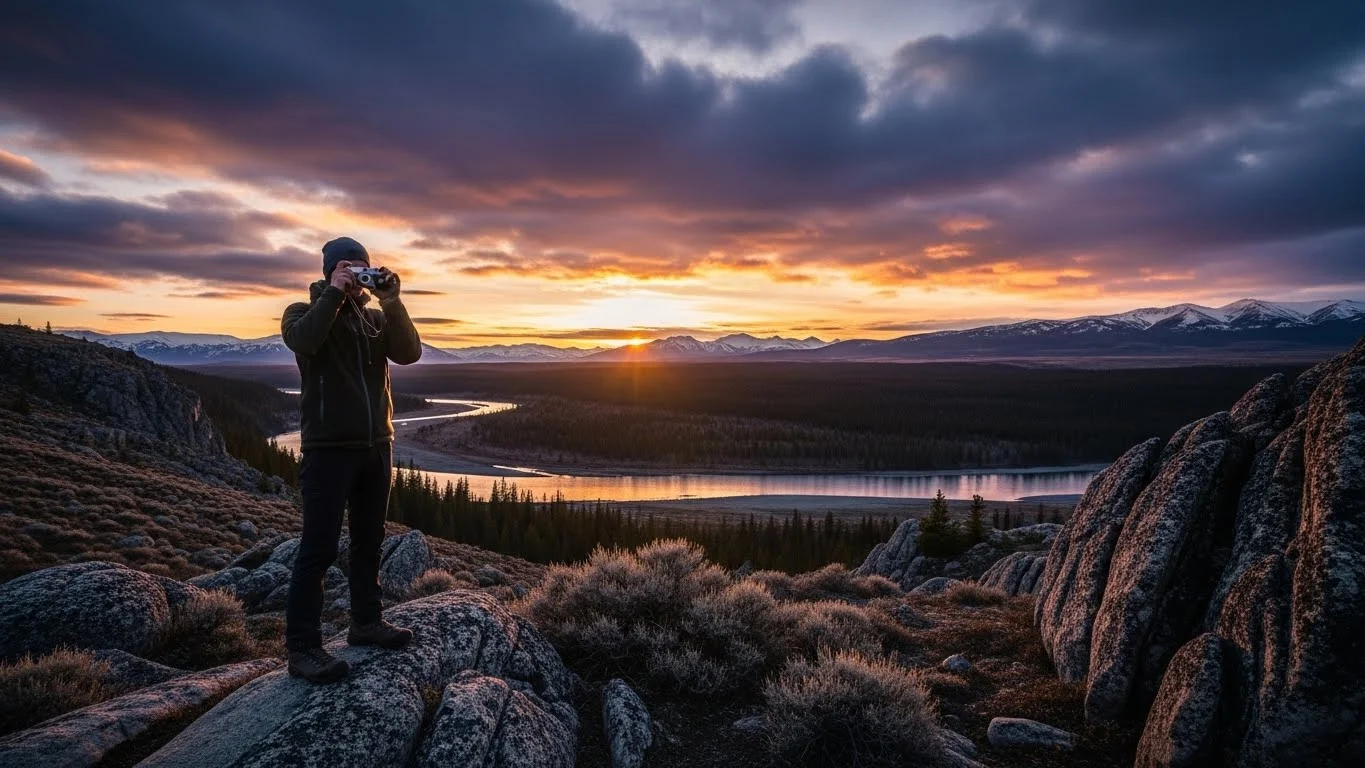
Landscape photography is more than just snapping pictures of pretty views; it’s about capturing the essence of a place. I’ve always felt a deep connection to nature, and when I delve into landscape photography, it allows me to share that passion with others. It’s about telling a story through the image, whether it’s a sprawling mountain range, a serene lake at dawn, or a vibrant sunset over the ocean. The goal is to evoke emotion and transport viewers to those breathtaking moments. When I look at a landscape photo, I want to feel the air, hear the sounds, and experience the beauty of the location.
Essential Equipment for Capturing Landscapes
Now, you might be wondering what you need to get started with landscape photography. While there are many gadgets out there, I’ve learned that you don’t need the most expensive gear to capture stunning images. Here’s what I consider essential:
Cameras
When I first started, I used a simple DSLR camera, and it worked wonders for me. I realized that having a good camera helps, but it’s not the only thing that matters. Many folks use mirrorless cameras or even high-quality smartphones, which can produce amazing results. The important thing is to get comfortable with your camera settings, like aperture, shutter speed, and ISO, so you can adjust them based on the lighting conditions.
Lenses
The choice of lens can significantly impact your landscape photography. A wide-angle lens is often my go-to because it allows me to capture expansive vistas. I remember hiking up a hill to catch the sunrise and using my 16-35mm lens to get the whole scene in one shot. For those closer details, I also keep a telephoto lens handy to zoom in on specific features of the landscape. Experimenting with different lenses can really enhance your creativity!
Tripods
Investing in a sturdy tripod is one of the best decisions I made for my photography. It’s especially useful in low-light situations, like during sunrise or sunset when I want to use longer exposures. I’ve had moments where I was able to capture silky smooth waterfalls or starry skies thanks to my trusty tripod. It’s also great for framing shots perfectly, allowing me to compose my images just right.
Filters
Filters can be a game changer in landscape photography. I always keep a polarizing filter with me to reduce glare from water and enhance colors in the sky. A neutral density filter is another one I love, especially for long exposures during the day. It helps create that dreamy effect on water or clouds. I highly recommend experimenting with filters to see how they can transform your photos.
Choosing the Right Locations
Top Budget-Friendly Landscape Destinations
Finding the right spot to shoot is just as crucial as having the right gear. I’ve discovered that there are plenty of budget-friendly destinations that offer stunning landscapes without emptying my wallet. Here are some of my favorites:
National Parks
National parks are often the first place that comes to mind for landscape photography. They are filled with breathtaking views and natural wonders. I’ve spent weekends exploring local national parks, capturing everything from dramatic cliffs to serene lakes. The best part? Many parks have affordable entrance fees, and some even offer free admission days!
State Parks
State parks are another treasure trove for landscape photographers. They are typically less crowded than national parks, making for a peaceful shooting experience. I remember visiting a state park near my home that had lush forests and beautiful trails, which provided endless opportunities for stunning compositions. The entry fees are usually very reasonable, too!
Local Nature Reserves
Don’t overlook local nature reserves or wildlife refuges. These places can be just as beautiful as larger parks and are often free or have minimal entry fees. I’ve found hidden gems in my area that I had no idea existed, filled with scenic trails and picturesque views. Exploring closer to home can yield fantastic results while saving on travel expenses. Read Interesting article: Essential Tips for Budget Mountain Photography Adventures
Hidden Gems for Landscape Photography
Sometimes, the best landscapes are found off the beaten path. Here are a couple of hidden gems I’ve discovered:
Off-the-Beaten-Path Locations
I love venturing into lesser-known locations. For instance, I stumbled upon a quiet riverbank while hiking that offered stunning reflections of the trees above. It was a magical spot, and I had it all to myself! Exploring local maps or asking fellow photographers can often lead you to secret spots that are perfect for capturing beautiful landscapes.
Urban Landscapes
Don’t forget about urban landscapes! Cities can offer unique photographic opportunities with their architectural beauty and vibrant life. I’ve had a blast capturing cityscapes during twilight when the lights start to twinkle. From bridges to rooftops, urban settings provide a different perspective on landscape photography that can be just as rewarding. Read Interesting article: Edit Urban Photography Like a Pro: Step-by-Step Guide
Best Times for Landscape Photography
Golden Hour and Blue Hour
One of the most magical times for landscape photography is during the golden hour, which occurs shortly after sunrise and just before sunset. The light during these times is soft and warm, casting a beautiful glow over everything. I remember waking up early on a summer morning, hiking to my favorite viewpoint, and witnessing the sun rise over the horizon. The landscape transformed before my eyes; the colors were vibrant, and the shadows were gentle, making it easy to capture stunning images.
Blue hour, on the other hand, occurs just before sunrise and after sunset, when the sky takes on a deep blue hue. This time is equally enchanting, especially in urban settings where the city lights begin to twinkle against the twilight sky. I’ve found that shooting during blue hour can create an ethereal quality in my photos, and it always feels rewarding to capture that fleeting moment. So, whether it’s the golden hour or the blue hour, planning your shoots around these times can dramatically enhance the quality of your landscape photography.
Seasonal Considerations
Each season brings its own unique charm to landscape photography, and I’ve learned to embrace what each one has to offer. The changing scenery can completely alter the mood of my photos, making it worthwhile to capture landscapes year-round.
Spring Blooms
Spring is a personal favorite of mine. As flowers begin to bloom and trees regain their vibrant greens, the world comes alive with color. I’ve spent countless weekends exploring gardens and parks, capturing the blooms and the fresh, lively essence of the season. The contrast of colorful flowers against a clear blue sky can create breathtaking compositions. I remember a particular day spent at a botanical garden, where I captured delicate cherry blossoms in full bloom. It was a reminder of how beautiful nature can be when it awakens from its winter slumber.
Autumn Foliage
Autumn, or fall, is another incredible time for landscape photography. The changing colors of the leaves create a stunning palette of reds, oranges, and yellows that transforms forests and parks into living paintings. I love taking drives through wooded areas to find the perfect spots to photograph the foliage. I once stumbled upon a scenic overlook where the trees were ablaze with color reflecting off a calm lake. It was one of those moments that made me feel grateful to be a photographer. The crisp air during this season also adds a special feel to the photos, making them resonate with warmth and nostalgia.
Budgeting for Your Adventure
Cost-Effective Travel Tips
Now that we know when to shoot, let’s talk about budgeting for those photography adventures. Traveling can be expensive, but with a bit of planning, I’ve found ways to keep costs low without sacrificing the experience.
Transportation on a Budget
When it comes to getting to those stunning locations, I try to be strategic about my transportation. Carpooling with friends or fellow photographers not only cuts down on gas costs, but it also makes for a fun road trip! I’ve had some of my best conversations and laughs while sharing rides to our next photo destination. If you’re traveling solo, consider using public transportation or even biking if the location allows it. It can be a refreshing way to explore while saving money.
Affordable Accommodation Options
Finding budget-friendly places to stay can also make a big difference. I’ve often used platforms like Airbnb or hostels, which can offer more affordable rates than hotels. Camping is another favorite of mine—there’s something about sleeping under the stars that adds to the adventure! I remember a trip to a national park where I camped right by a river. Waking up to the sound of flowing water and capturing the morning light filtering through the trees was an experience I’ll never forget. Plus, many parks have campgrounds that are incredibly affordable, allowing me to make the most out of my budget.
Free and Low-Cost Activities
While landscape photography is my main focus, I’ve found that there are plenty of free or low-cost activities to enjoy along the way. Exploring new places doesn’t have to be expensive, and some of my favorite memories come from simply wandering around and soaking in the environment.
Nature Hikes
Nature hikes are a fantastic way to discover new landscapes. Many trails are free to access, and they provide the opportunity to find hidden spots that are perfect for photography. I’ve spent hours on various trails, often stumbling upon breathtaking views that I never anticipated. I remember one hike that led me to a beautiful waterfall, where I was able to experiment with long exposure shots. The adventure itself turned into part of the experience, and it often leads to unexpected photographic treasures.
Public Parks and Beaches
Don’t forget about local public parks and beaches! These places can be rich with photographic opportunities and are often free to enter. I’ve enjoyed wandering through city parks filled with unique trees and flowers, capturing the essence of the local landscape. Beaches, with their ever-changing tides and stunning sunsets, have also offered some of my favorite photography moments. I always bring my camera along for spontaneous trips; you never know when a perfect photo opportunity will arise!
Techniques for Capturing Stunning Landscapes
Composition Tips
Once I’ve chosen the location and the right time to shoot, I dive into the exciting part: composition. I’ve learned that good composition can take a photo from ordinary to extraordinary. Each element in the frame contributes to the story I want to tell, so I pay close attention to how I arrange my shots.
Rule of Thirds
One of the first composition techniques I grasped was the rule of thirds. It’s simple but powerful. I imagine dividing my frame into a grid of nine equal parts with two vertical and two horizontal lines. By placing the focal point of my image along these lines or at their intersections, I create a more balanced and engaging photograph. I remember a time I was shooting a sunset over the ocean. Instead of centering the horizon, I aligned it along the top third of the frame, which allowed the vibrant colors of the sky to shine. The result was a dynamic photo that drew the viewer’s eye across the image.
Leading Lines
Another technique that has greatly improved my landscape shots is using leading lines. I’ve found that natural elements like roads, rivers, or trails can guide the viewer’s eye into the scene, creating depth and interest. For example, while hiking through a winding path in a forest, I noticed how the trail led towards a beautiful clearing. I positioned myself to capture the trail leading into the vibrant green trees, which resulted in a captivating photo that invited the viewer to imagine walking that path themselves. It’s all about inviting the audience into my world through the image.
Utilizing Natural Light
Light is everything in photography, and understanding how to use natural light has dramatically impacted my landscape photos. I often experiment with different types of light, as they can change the mood and tone of my images. The golden hour is a favorite of mine, but I also enjoy shooting in harsher midday light when the sun is high. I’ve learned to embrace this light by looking for interesting shadows and contrasts, sometimes capturing the texture of rocks or the vibrant colors of flowers that pop against a bright sky.
Additionally, I pay attention to how clouds and weather affect the light. I’ve had incredible luck photographing landscapes after a rainstorm. The air is fresh, and the clouds create dramatic skies that add depth to my photos. Once, after a sudden downpour, I hurried to a nearby lake, and the reflections of the dark clouds on the water created an ethereal atmosphere. It’s moments like these that remind me of the unpredictability and beauty of nature.
Post-Processing on a Budget
Once I’ve captured my images, the next step is editing. I believe that post-processing can enhance a photo, but I’ve also learned that it doesn’t have to cost a fortune. There are many budget-friendly options that allow me to polish my images without breaking the bank.
Free Editing Software
For those just starting, I recommend exploring free editing software like GIMP or RawTherapee. I used GIMP for quite some time before investing in more advanced tools. It offers a robust set of features that allowed me to adjust exposure, contrast, and color balance. I remember the first time I edited a photo of a mountain landscape; I was amazed at how much it transformed. I could enhance the colors to match the breathtaking view I witnessed while still being accessible to beginners.
Mobile Editing Apps
Also, I’ve found that mobile editing apps can be incredibly useful for quick adjustments on the go. Apps like Snapseed and Lightroom Mobile have become staples on my phone. I often edit photos right after a shoot while still riding the high of capturing something special. With these apps, I can easily crop, adjust brightness, and apply filters to my images. They make it simple to create stunning visuals without needing a computer. I’ve posted many edited photos on social media that started as quick edits right on my phone!
By applying these techniques in both capturing and editing my landscape photography, I’ve seen significant improvements in my photos. It’s incredibly satisfying to look back on my earlier work and notice how I’ve grown and evolved as a photographer. Each experience teaches me something new, and I can’t wait to keep exploring and sharing my journey with others.
Frequently Asked Questions
What is landscape photography?
Landscape photography is about capturing the essence of a place, telling a story through images of natural scenery, and evoking emotions in viewers. It encompasses various scenes like mountain ranges, lakes, and sunsets.
What essential equipment do I need to get started with landscape photography?
Essential equipment includes a camera (DSLR, mirrorless, or high-quality smartphone), lenses (wide-angle and telephoto), a sturdy tripod, and filters (polarizing and neutral density) to enhance your shots.
What are some budget-friendly landscape photography destinations?
Some budget-friendly destinations include national parks, state parks, and local nature reserves, which often have affordable or free entrance fees and stunning landscapes to capture.
What is the golden hour in landscape photography?
The golden hour refers to the time shortly after sunrise and just before sunset when the light is soft and warm, creating beautiful lighting conditions for landscape photography.
How does each season affect landscape photography?
Each season brings unique charm to landscape photography. Spring offers colorful blooms, while autumn showcases vibrant foliage, each altering the mood and composition of photos.
What are some cost-effective travel tips for landscape photography?
Cost-effective travel tips include carpooling with friends, using public transportation, finding budget accommodations like hostels or camping, and engaging in free activities like nature hikes and visiting public parks.
What composition techniques should I consider in landscape photography?
Key composition techniques include the rule of thirds for balanced framing and using leading lines to guide the viewer’s eye into the scene, enhancing depth and interest in your photos.
How can I utilize natural light in my landscape photography?
Utilizing natural light involves understanding how different types of light affect your images, experimenting with the golden hour, and capturing unique lighting conditions after rainstorms for dramatic effects.
What are some free editing software options for post-processing photos?
Free editing software options include GIMP and RawTherapee, which provide a robust set of features for adjusting exposure, contrast, and color balance without incurring costs.
What mobile editing apps are recommended for landscape photography?
Recommended mobile editing apps include Snapseed and Lightroom Mobile, which allow for quick adjustments on the go, such as cropping, brightness adjustments, and applying filters directly from your phone.