
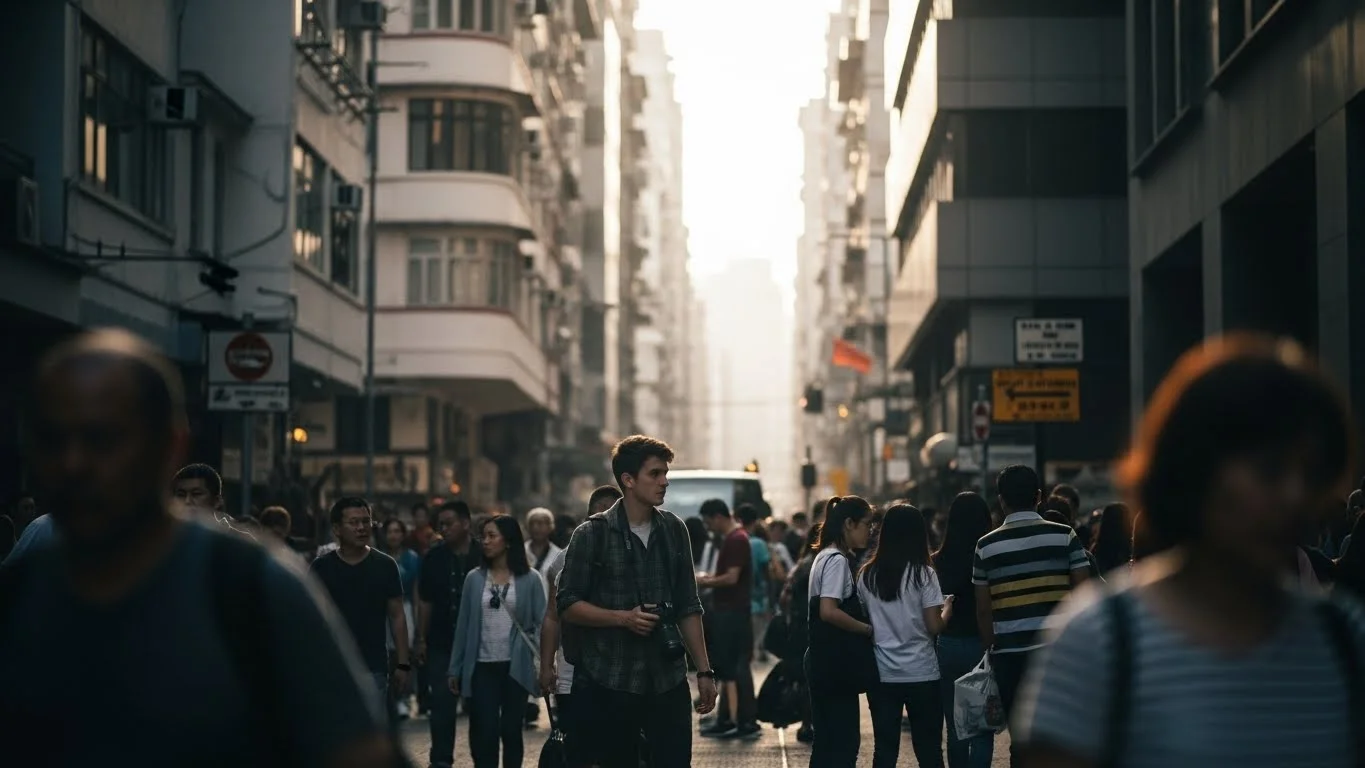
Urban photography is an exciting journey that captures the essence of city life. With a keen eye for candid moments, travelers can create stunning visual stories that resonate with their experiences. For those looking to enhance their skills, check out 10 Tips for Stunning Urban Cityscape Photography.
Understanding Urban Photography
What is Urban Photography?
Urban photography, for me, is more than just snapping pictures of buildings or streets; it’s about capturing the pulse of a city. It’s the lively interactions between people, the unique architecture, and the everyday stories unfolding in urban spaces. I remember my first trip to New York City, where I wandered through the streets, my camera in hand, trying to freeze those fleeting moments that tell a bigger story. I realized that every street corner had something special to offer, and it was my job to capture that essence.
The Importance of Candid Moments
Candid moments are the heart of urban photography. They show life in its truest form—raw, unfiltered, and often beautiful. I’ve found that some of my favorite photos are those taken when people aren’t posing or aware of the camera. For instance, I once captured a little girl chasing pigeons in a park, her laughter filling the air. Those moments reveal emotions and stories that a posed shot simply can’t convey. It’s about being present, observing, and waiting for the right moment to click the shutter.
Essential Equipment for Urban Photography
Choosing the Right Camera
When it comes to urban photography, the camera you choose can make a significant difference. I’ve experimented with various cameras over the years, and while I appreciate the versatility of DSLRs, I often lean towards mirrorless cameras for their compact size and lightweight design. They’re perfect for traveling, as I can easily carry them around without feeling weighed down. If you’re new to photography, even a good smartphone camera can work wonders. I’ve seen stunning urban shots taken with just a phone!
Lens Selection for Urban Settings
The lens you pick can greatly influence your perspective in urban photography. I usually carry a couple of lenses: a wide-angle lens for capturing sweeping cityscapes and a prime lens for street portraits. Wide-angle lenses allow me to fit more of the scene into the frame, which is especially useful when shooting tight spaces. On the other hand, a prime lens with a larger aperture helps me focus on subjects while blurring out the busy background, creating a beautiful depth of field. I recommend experimenting with different lenses to find what suits your style best.
Accessories to Enhance Your Shots
Accessories can make a world of difference in urban photography. A sturdy tripod is essential for low-light conditions or long exposures, which I often use when capturing city lights at night. I also carry extra batteries and memory cards—trust me, you don’t want to run out of power or storage while on a photography spree! Additionally, a good camera strap can help keep your gear secure while you’re moving around, and a lens cleaning kit is handy for quickly wiping away dust or smudges. For those interested in urban night photography, I highly recommend checking out Capture the City: Urban Night Photography Tips for Travelers.
Best Times for Urban Photography
The Golden Hour: Timing Your Shots
Timing your shots can significantly elevate your urban photography. The golden hour—shortly after sunrise or before sunset—offers soft, warm light that enhances colors and creates dramatic shadows. I’ve found that some of my best urban images were taken during this magical time. The light gives a different feel to the city, making it appear vibrant and alive. I often plan my shooting schedule around these hours to make the most of the beautiful natural light.
Seasonal Considerations
Each season brings a unique charm to urban environments. I love how cities transform throughout the year. In spring, blooming flowers add a splash of color; summer offers lively street fairs; autumn brings a rich tapestry of falling leaves, and winter can turn a city into a snowy wonderland. I try to capture the essence of each season, as they all tell different stories. Planning your trip according to the season can help you catch the city in its best light.
Weather Effects on Photography
Weather plays a crucial role in urban photography. Clear blue skies can make for stunning shots, but don’t shy away from overcast days or even rain. I’ve discovered that moody skies can create drama, and reflections on wet streets can bring an entirely new dimension to my images. When it’s cloudy, I often find that colors pop more, making urban scenes visually striking. Embracing the weather can lead to unexpected and compelling photographs.
Techniques for Capturing Candid Moments
Blending into the Environment
One of the best pieces of advice I can give for capturing candid moments is to blend into your surroundings. I’ve learned that when I act like a tourist, I end up drawing attention to myself, which can disrupt those natural interactions I’m trying to photograph. Instead, I aim to be as unobtrusive as possible. Wearing neutral clothing and moving slowly helps me stay low-key. I find that this approach encourages people to act naturally, allowing me to capture those genuine moments that tell their stories. The more I observe, the more I notice those beautiful interactions happening around me, whether it’s a couple sharing a laugh or a street performer captivating a small audience. I think of myself as a fly on the wall, and adopting this mindset truly helps in capturing the essence of urban life.
Using Natural Light to Your Advantage
Natural light can be your best friend in urban photography, especially when it comes to candid shots. I remember wandering through a bustling market, and the way the early morning sun filtered through the stalls created a warm glow. I always keep an eye on how light interacts with the environment—how it casts shadows or highlights certain details. For me, the best lighting often comes from side or backlighting, which not only adds depth but also enhances the textures of the scene. When I see the right light, I’m quick to set up my shot, ensuring that the natural beauty of the moment shines through. Embracing natural light has transformed my photography, turning ordinary moments into extraordinary captures.
Composition Techniques for Candid Shots
Composition is everything in photography, especially for candid shots. I’ve experimented with various techniques over the years. One of my favorites is the rule of thirds, which involves dividing the frame into three sections and placing points of interest along these lines or their intersections. This simple adjustment often leads to more dynamic images. I also enjoy using leading lines—like streets or pathways—to draw the viewer’s eye toward my subject. When I’m out shooting, I often look for interesting foreground elements that can frame my subject, adding layers to the image. I’ve found that a well-composed shot can elevate a fleeting moment, making it feel deliberate and impactful.
Utilizing Depth of Field in Urban Scenes
Depth of field is another powerful tool in my urban photography toolbox. By controlling the focus, I can draw attention to my subject while blurring out distractions in the background. I love using a wide aperture for portraits, which helps isolate individuals against the busy urban backdrop. This technique also creates a beautiful bokeh effect, lending a dreamy quality to my images. I remember capturing a street musician playing his guitar; the focus was on him, with the bustling city blurred behind him. This not only highlights his performance but also conveys the vibrancy of the city around him. I often play around with depth of field to see how it changes the mood of my photos, and experimenting with this can lead to stunning results.
Popular Urban Photography Locations
Iconic Landmarks and Their Surroundings
When it comes to urban photography, iconic landmarks are a must-see. I’ve explored many cities, and each one has its signature sights that are perfect for photography. For instance, capturing the Eiffel Tower from various angles in Paris revealed different aspects of the city’s charm. I learned that combining these landmarks with context—like a bustling café or people enjoying the view—adds depth to my compositions. By including surrounding elements, I tell a more complete story, showing how these landmarks interact with daily life. I recommend researching the best viewpoints and times of day for capturing these famous spots, as lighting can drastically alter the feel of the photo.
Hidden Gems in the City
While popular landmarks are fantastic, I often find that the real magic of urban photography lies in hidden gems. I remember stumbling upon a quaint alleyway in Lisbon, filled with colorful street art and local cafés. It was a refreshing change from the typical tourist spots, and I was able to capture the unique character of the city. I suggest wandering off the beaten path and exploring lesser-known areas. Ask locals for their favorite spots, or simply allow yourself to get lost in the streets. You might discover charming nooks that provide a fresh perspective on city life, making your portfolio stand out.
Street Markets and Local Life
Street markets are an incredible way to witness and capture the vibrancy of urban life. I love visiting local markets because they are filled with energy, colors, and candid moments. The sights and sounds create a rich tapestry that’s perfect for photography. I remember visiting a bustling market in Bangkok where vendors shouted their wares and customers haggled for the best prices. I found myself in the midst of a whirlwind of activity, and I tried to capture those spontaneous interactions. From the spices to the smiles, there’s so much to photograph. If you can, try to visit during peak hours to catch the liveliness, and don’t be afraid to engage with vendors—they can add a personal touch to your photos.
Engaging with Subjects
Approaching Strangers for Portraits
Engaging with subjects is a vital part of urban photography, especially when it comes to portraits. I’ve learned that approaching strangers can be a bit daunting, but it often leads to some of my most rewarding shots. When I first started out, I was shy about asking people if I could photograph them, but I soon realized that most people are quite receptive if approached respectfully. A simple smile and a genuine compliment can break the ice. I remember a moment in Havana, Cuba, where I spotted an elderly man sitting on a colorful step, his face telling stories of a lifetime. I approached him, shared a few words, and asked if I could take his portrait. The result was a striking image, filled with character and emotion. It’s all about being friendly and making a connection; once you do, capturing that person’s essence becomes much easier.
Reading Body Language and Context
Understanding body language is crucial when engaging with subjects in urban settings. I often find myself scanning the environment for signs of openness or discomfort. For instance, if someone is engrossed in their phone or has their arms crossed, I usually take that as a cue to keep my distance. On the other hand, a person making eye contact or smiling can be a great opportunity to connect. I’ve noticed that when I’m in busy environments, like a crowded street or subway station, taking a moment to observe interactions can lead to candid shots that capture the ebb and flow of city life. Reading the context around me, whether it’s a couple sharing a moment or a group of friends laughing together, helps me decide when to capture a moment and when to simply enjoy the scene.
Respecting Privacy and Cultural Norms
Respect is key in urban photography, especially when photographing people. I’ve learned that cultural norms vary greatly from one place to another, which is why it’s essential to do a little research before traveling. In some cultures, people may be more open to being photographed, while in others, it may be frowned upon. I remember visiting a market in Morocco where I was eager to capture the vibrant local life. However, I quickly realized that some vendors were not comfortable being photographed. I made it a point to ask for permission, and in cases where it wasn’t granted, I respected their wishes. This approach not only helps maintain a positive atmosphere but also fosters trust, allowing for more authentic interactions in the long run.
Post-Processing Techniques for Urban Photos
Basic Editing for Candid Shots
Once I’ve captured my urban shots, the next step is post-processing. I believe that editing is an essential part of the photography process, as it allows me to enhance my images while staying true to the original moment. I usually start with basic adjustments like cropping to improve composition and adjusting exposure to ensure the photo reflects the mood I felt at the moment. I remember a candid shot of a street performer I took in Berlin. The lighting was a bit harsh, but with some adjustments, I was able to soften the image, making it feel more inviting. Simple editing can bring out the best in your photos, allowing the emotions and stories to shine through.
Enhancing Colors and Textures
Enhancing colors and textures is where I have a lot of fun with post-processing. Urban environments are filled with rich colors, and I love to make them pop. I often use tools like saturation and contrast sliders to give my images more life. For example, during a rainy afternoon in Tokyo, I captured reflections on wet pavement. With a little enhancement, the colors became more vivid, and the textures of the street came alive. I also enjoy experimenting with filters and presets that can add a unique flair to my images while maintaining their authenticity. Remember, the goal is to enhance, not alter, the essence of the moment.
Creating a Consistent Style
Developing a consistent editing style is something I’ve worked hard to achieve. I believe that a cohesive look unifies my portfolio and helps viewers connect with my work. I’ve experimented with various styles over the years, from vibrant and punchy to soft and muted tones. My current style leans towards warm tones, which I feel resonate with the feelings I aim to convey in my urban photography. I recommend creating a set of editing presets that reflect your personal style, making it easier to maintain consistency across your images. This process has not only improved my workflow but also helped me define my unique voice as a photographer.
Sharing and Showcasing Your Work
Best Platforms for Urban Photography
Now that I have a collection of urban photographs I’m proud of, sharing them with the world has become an exciting part of my journey. There are so many platforms to choose from, but I’ve found that Instagram is particularly effective for visual storytelling. It allows me to connect with other photographers and enthusiasts who appreciate urban photography. I also use platforms like Flickr and 500px, which cater specifically to photographers. Each platform has its unique audience, so I recommend exploring different options to see where your work resonates best.
Building an Online Portfolio
Creating an online portfolio has been a game-changer for me. I started by using website builders that offer beautiful templates, allowing me to showcase my work in a visually appealing way. I believe that a well-organized portfolio not only highlights my best work but also tells a story about my photography journey. Including sections for different themes, like candid moments or street portraits, helps viewers navigate my work easily. Additionally, sharing the stories behind certain photos adds a personal touch that can engage visitors even further.
Engaging with the Photography Community
Engaging with the photography community has enriched my experience immensely. I remember joining local photography groups and attending meetups where I could connect with fellow enthusiasts. Sharing tips, critiques, and experiences has helped me grow as a photographer. Social media also plays a crucial role in this, as I often participate in challenges and discussions that inspire new ideas. I encourage everyone to seek out communities, both online and offline, as they provide valuable support and motivation to keep exploring urban photography.
Frequently Asked Questions
What is urban photography?
Urban photography is the art of capturing the essence of city life, focusing on candid moments, unique architecture, and the interactions between people in urban spaces.
Why are candid moments important in urban photography?
Candid moments are crucial as they reveal life in its truest form—raw and unfiltered. These moments often convey emotions and stories that posed shots cannot, making them more impactful.
What type of camera is recommended for urban photography?
While DSLRs are versatile, mirrorless cameras are often preferred for their compact size and lightweight design, making them ideal for travel. Even a good smartphone camera can produce stunning urban shots.
What lens is best for urban photography?
A wide-angle lens is useful for capturing cityscapes, while a prime lens with a larger aperture is great for street portraits, allowing you to focus on subjects and create a beautiful depth of field.
When is the best time for urban photography?
The golden hour, shortly after sunrise or before sunset, provides soft, warm light that enhances colors and creates dramatic shadows, making it an ideal time for urban photography.
How can weather affect urban photography?
Weather can greatly influence urban photography; while clear skies are appealing, overcast days or rain can create dramatic effects, with moody skies and reflections adding depth to images.
What are some techniques for capturing candid moments?
To capture candid moments, blend into your environment, observe natural interactions, and use natural light to your advantage. Being unobtrusive and patient helps in capturing genuine moments.
What are some popular locations for urban photography?
Iconic landmarks provide great opportunities, but hidden gems like quaint alleyways and local street markets often reveal the unique character of a city and can lead to more authentic photos.
How should one approach strangers for portraits in urban photography?
Approaching strangers for portraits can be rewarding. A friendly demeanor, a smile, and respectful conversation can help build rapport and lead to meaningful portraits.
What is the importance of post-processing in urban photography?
Post-processing is essential for enhancing images while staying true to the original moment. Basic adjustments like cropping, exposure, and color enhancement can significantly improve the final result.