
Adventure photography allows us to explore the beauty of the world while capturing its cultural richness. With a budget-friendly approach, we can embark on exciting journeys without breaking the bank! Read Interesting article: Wildlife Adventure Photography: Budgeting Your Next Trip
Understanding Adventure Photography
What is Adventure Photography?
Adventure photography, to me, is more than just taking pretty pictures. It’s about immersing ourselves in different environments, embracing new experiences, and capturing the essence of those moments. I’ve always found that the thrill of adventure comes not only from the places we visit but from the stories we tell through our images. Whether it’s the sweeping landscapes of a national park or the vibrant streets of a bustling market, adventure photography invites us to explore and document the world in a unique way.
When I first started out, I thought adventure photography required high-end equipment and extravagant trips to exotic locations. However, I quickly realized that it’s less about the gear and more about the perspective we bring to our photography. I’ve had incredible experiences capturing stunning images in my local community, and I believe anyone can do the same, regardless of their budget or location.
The Importance of Cultural Context
Cultural context plays a crucial role in adventure photography. It’s about understanding and appreciating the traditions, customs, and stories behind the places we visit. I remember wandering through a small village in Mexico, where the locals were preparing for a festival. Instead of just taking photos of the festivities, I took the time to learn about their significance. This not only helped me capture more meaningful images but also allowed me to connect with the community on a deeper level.
Including cultural elements in our photography enriches our storytelling. When capturing images, I aim to showcase not just the landscapes but also the people, their way of life, and the little details that make each culture unique. This approach has led me to create some of my favorite shots, where the essence of the culture shines through, making the photos resonate with viewers.
Essential Gear for Budget-Friendly Adventure Photography
Camera Options on a Budget
When it comes to gear, I’ve learned that you don’t need the latest DSLR to take great photos. My first camera was a basic point-and-shoot, and it taught me the fundamentals of composition and light. These days, many budget-friendly cameras offer excellent quality without the hefty price tag. For those starting out, I recommend looking for used models or entry-level DSLRs that you can find at a reasonable price. Read Interesting article: Capture the Wild: Budget Tips for Wildlife Adventure Photography
In my journey, I’ve found mirrorless cameras to be a fantastic option for adventure photography. They’re lightweight and compact, making them easy to carry while traveling. Brands like Canon, Nikon, and Sony have models that fit various budgets. Also, don’t forget about the importance of lenses; a versatile zoom lens can cover a lot of ground, allowing you to capture everything from sweeping landscapes to intricate details without having to switch lenses frequently.
Smartphone Photography: Pros and Cons
Smartphones have transformed the way we approach photography. I used to be skeptical about using my phone for serious shots, but I’ve seen how technology has improved. Modern smartphones come equipped with impressive cameras that can capture stunning images. The convenience of having a camera in my pocket has allowed me to seize unexpected moments during my adventures.
However, there are limitations to smartphone photography. While they excel in well-lit conditions, they can struggle in low light or when capturing fast-moving subjects. I’ve found that using my smartphone for quick candid shots or documenting moments as they happen is incredibly effective, but for more deliberate compositions, I prefer using a dedicated camera. Balancing both options has worked well for me, and I recommend trying it out to see what fits your style best.
Accessories to Enhance Your Shots
Accessories can make a world of difference in adventure photography. A sturdy tripod is a must-have for capturing landscapes or long-exposure shots. I remember lugging around my heavy tripod on a hike, only to find a budget-friendly lightweight alternative that made a huge difference. Investing in a good quality tripod is worthwhile, especially for capturing those breathtaking sunrise or sunset shots.
Filters are another accessory worth considering. Polarizing filters can help reduce glare and enhance colors, while ND (neutral density) filters are excellent for long exposure photography, allowing you to capture movement in water or clouds. I love experimenting with filters to bring a creative touch to my images.
Lastly, don’t overlook the importance of carrying extra batteries and memory cards. During my adventures, I’ve been caught off guard with low battery power or running out of storage space. Being prepared ensures you won’t miss capturing those magical moments!
Choosing the Right Destinations
Top Budget-Friendly Locations for Adventure Photography
Choosing the right destination can make all the difference in capturing stunning adventure photographs, and I’ve found that some of the best spots don’t have to come with a hefty price tag. For instance, when I visited national parks like Zion and Arches in Utah, the entrance fees were quite reasonable, and the breathtaking landscapes were worth every penny. I remember hiking through the canyons, discovering hidden gems around every bend, and capturing the vibrant colors of the rock formations at sunrise and sunset.
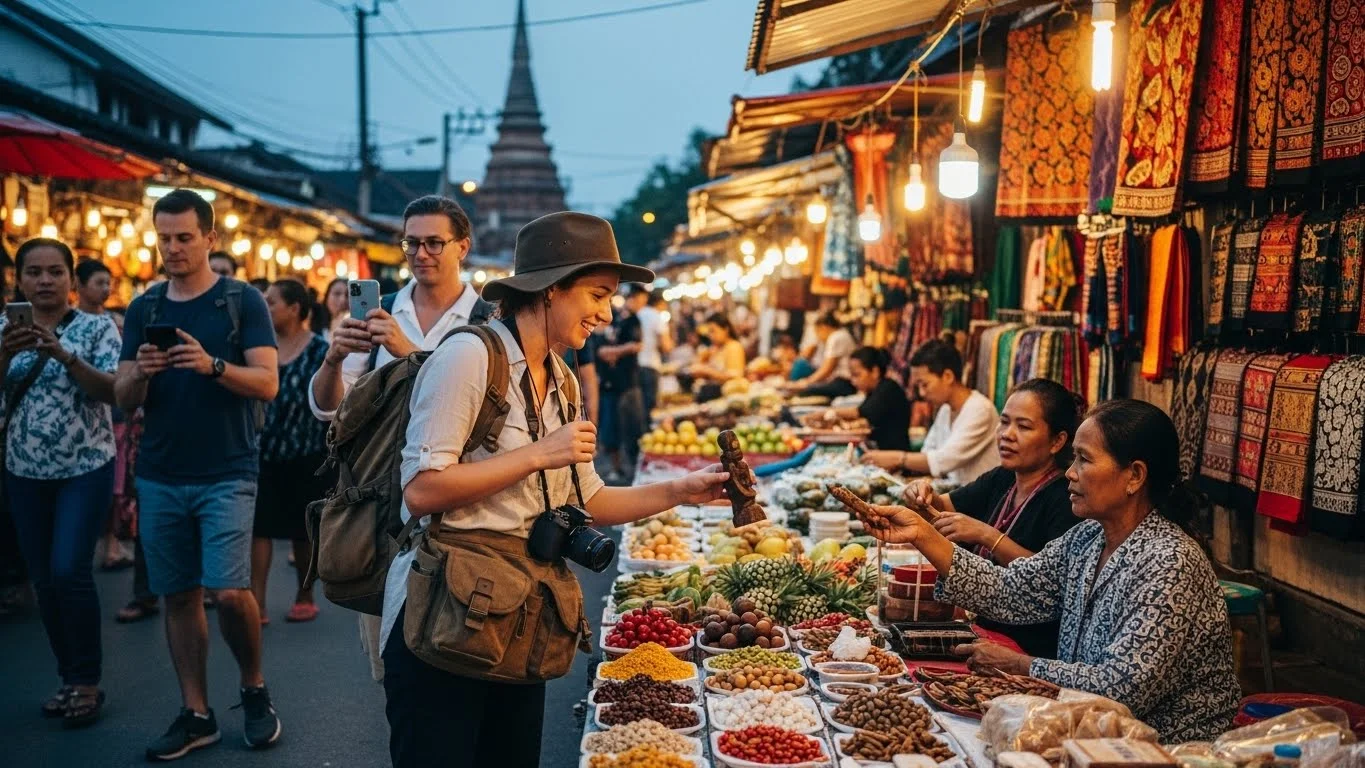
Another incredible budget-friendly destination is Southeast Asia. Thailand, Vietnam, and Indonesia offer stunning backdrops, rich culture, and often very affordable accommodations. I was blown away by the vibrant street life in Bangkok and the serene rice terraces of Bali. These places not only provide picturesque scenery but also endless opportunities to delve into local culture, which is perfect for adventure photography.
Closer to home, I’ve found that many lesser-known state parks or natural reserves can provide fantastic photography opportunities. A recent trip to a nearby state park unveiled beautiful hiking trails and unique wildlife that I hadn’t noticed before. Sometimes the best adventures are just a short drive away, and they can be just as rewarding as international travels. Read Interesting article: Nighttime Adventures: Urban Photography for Budget Travelers
Leveraging Local Culture for Unique Shots
One of my favorite parts of adventure photography is engaging with local culture to create unique and compelling images. When I traveled to Morocco, I spent time in Marrakech, where the vibrant souks were alive with color and activity. I found that taking the time to observe the local craftsmen and their intricate work added depth to my photographs. I made it a point to chat with the artisans, learn about their craft, and capture their portraits, which turned out to be some of my most cherished images from that trip.
In my experience, participating in local events or festivals can also yield fantastic photo opportunities. In Peru, I stumbled upon a traditional dance festival while exploring Cusco. Instead of just taking pictures from a distance, I joined in and got up close to the dancers. The joy and energy of the moment came through in my photographs, and the connections I made with the locals enriched my experience.
Whether it’s a bustling market, a local festival, or simply a quiet moment between people, I believe that emphasizing local culture in my photography not only enhances the images but also tells a more authentic story. These unique shots often resonate more with viewers, inviting them into the experience.
Techniques for Capturing Cultural Wonders
Composition Tips for Stunning Photos
Composition is key in photography, especially when aiming to capture the essence of a culture. I’ve learned that following some basic rules can help elevate my images. The rule of thirds is a great starting point; I often divide my frame into a grid, placing key subjects along the grid lines or at their intersections. This technique creates balance and draws the viewer’s eye into the image.
I also enjoy experimenting with leading lines, whether it’s a winding road, a flowing river, or the pathways through a market. These lines can guide viewers’ eyes into the photograph and create a sense of depth. During my travels in Italy, I used the beautiful architecture of Venice’s canals to lead my compositions, making the images feel more dynamic.
Another tip I’ve found useful is to look for framing opportunities within the environment. Trees, doorways, or even architectural features can create natural frames that highlight the subject. This technique adds layers to my photos, making them more engaging and visually interesting.
Utilizing Natural Light Effectively
Natural light can transform a photograph, and I’ve realized that the best times to shoot are during the golden hours—shortly after sunrise or before sunset. The warm, soft light during these times enhances colors and creates beautiful shadows, adding a magical quality to my images. I remember capturing the warm hues of a sunrise over the Sahara Desert; the way the light painted the dunes was simply breathtaking.
In contrast, I’ve also learned to be mindful of harsh midday sunlight, which can create unflattering shadows. During those times, I look for shaded areas or use the overcast sky to my advantage. Cloudy days can be perfect for capturing vibrant colors and details without the harsh contrasts that bright sunlight can bring.
Sometimes, I even experiment with backlighting, where the sun is behind my subject, creating a stunning halo effect. This technique can evoke emotion and draw attention to the subject, making the image feel more intimate and powerful. I love using natural light creatively to tell a story in my photographs.
Incorporating Local People and Traditions
Including local people and their traditions in my photography has been one of the most rewarding aspects of my adventures. I remember visiting a village in India where I was invited to join a family for a traditional meal. Not only did I get to experience their hospitality, but I was also able to capture candid moments of laughter, cooking, and celebration. These images turned out to be some of my favorites because they told a story of connection and culture.
When photographing people, I try to approach with respect and curiosity. I often ask for permission before taking portraits, and I make an effort to engage in conversation. This builds trust and often results in more genuine expressions, which I believe adds depth to the photographs. I’ve found that the moments spent getting to know the subjects can lead to the most impactful images.
Incorporating traditions and rituals into my photography is another way to tell a story. I’ve captured everything from traditional dance performances to local artisans at work. These scenes not only showcase the culture but also highlight the everyday lives of the people, making my photographs more relatable and meaningful.
Budgeting for Your Photography Adventure
Cost of Travel and Accommodation
When planning an adventure, one of the first things I consider is the budget for travel and accommodation. I’ve learned through experience that a little research can go a long way in finding affordable options. For instance, using budget airlines or booking in advance often leads to significant savings. I remember booking a flight to Iceland just a few months ahead of time, which allowed me to snag a deal that made my trip possible without straining my finances.
Accommodation can also vary widely in price. I’ve found that options like hostels, guesthouses, or even camping can be a great way to keep costs down. When I traveled to Costa Rica, I opted for a local hostel, which not only saved me money but also allowed me to connect with fellow travelers. Sharing experiences with others enhances the adventure, and sometimes, they even share valuable photography tips or hidden spots I might have missed.
Additionally, consider staying in less touristy areas. I often look for accommodations slightly outside main attractions, which usually results in lower prices and a more authentic experience. It’s amazing how much more I’ve appreciated a destination after spending time in local neighborhoods, where I can soak in the culture beyond the typical tourist spots.
Free vs. Paid Attractions
As I plan my adventures, I always weigh the cost of attractions. Some places offer breathtaking views and rich cultural experiences without charging a dime. I’ve hiked countless trails in national parks that required no admission fees, leading to some of my favorite photographs. For example, exploring the scenic routes of the Appalachian Trail provided plenty of stunning landscapes without the need for expensive entrance fees.
However, there are times when a paid attraction is worth the splurge. I recall visiting the ancient ruins in Machu Picchu and recognizing that the ticket price was an investment in a once-in-a-lifetime experience. It offered not only the stunning vistas but also a profound connection to history and culture that I would have regretted missing. Balancing free and paid attractions is essential; I try to include a mix of both in my itineraries to maximize my experience without overspending.
Food and Local Cuisine on a Budget
Food is another area where I’ve found many ways to save while still enjoying local flavors. Street food often provides the best culinary experiences at a fraction of the cost of sit-down restaurants. I remember wandering through the markets in Bangkok, savoring delicious pad thai from a street vendor that cost less than a couple of dollars. Not only was it delicious, but it also allowed me to connect with the locals who prepared it.
Another tip I’ve learned is to shop at local grocery stores or markets. When I traveled to Italy, I often picked up fresh produce, cheese, and bread from local shops. Having a picnic in a beautiful spot, like by a scenic coastline or a quiet park, created memorable experiences that were as enjoyable as dining in a fancy restaurant. Plus, it’s an excellent way to save money while still enjoying the culinary delights of a destination.
By prioritizing local cuisine and being open to trying new dishes, I’ve not only saved money but also discovered flavors and cooking styles I might not have encountered otherwise. Embracing food as part of the adventure has enriched my travels tremendously.
Post-Processing Techniques for Adventure Photos
Free Editing Software Options
After capturing stunning images, I’ve discovered that post-processing can elevate them even further. Fortunately, there are plenty of free editing software options that make this accessible for everyone. Programs like GIMP and Darktable have been valuable tools in my editing toolkit. They offer a range of features similar to paid software, allowing me to adjust exposure, contrast, and colors effectively.
I remember my first experience using GIMP to edit a photo from a sunset I captured in Santorini. The colors didn’t quite pop in the original image, but with a bit of tweaking, I was able to bring out the vibrant hues of the sunset, making it look even more magical. Free software can be very powerful, and I encourage anyone to explore these options to enhance their photos without spending a dime.
Basic Photo Editing Tips for Beginners
When it comes to editing, I’ve learned a few basic techniques that can make a significant difference. First, adjusting the exposure can help brighten up a photo that appears too dark. I often start by balancing highlights and shadows to ensure all details are visible. Cropping is another essential step; it can help eliminate distractions and focus the viewer’s attention on the subject. I always aim to simplify the composition when I edit.
Cool and warm tones can also dramatically change the mood of a photo. I enjoy playing with color balance to evoke different feelings. For instance, adjusting the warmth can enhance the cozy feel of a fall scene, while cooler tones can create a serene, calm atmosphere. Experimenting with these elements has made my editing process fun and a creative extension of my photography.
Lastly, I recommend saving edits in a non-destructive format, so I can revisit and make changes later if needed. This flexibility is invaluable as I continue to develop my style and skills over time.
Frequently Asked Questions
What is adventure photography?
Adventure photography is about immersing ourselves in different environments and capturing the essence of those moments. It focuses on exploring and documenting the world through images, emphasizing the stories behind the places we visit.
Do I need expensive equipment for adventure photography?
No, you don’t need high-end equipment to take great photos. Many budget-friendly cameras and even smartphones can capture stunning images. It’s more about the perspective and creativity you bring to your photography.
How important is cultural context in adventure photography?
Cultural context is crucial as it helps in understanding and appreciating the traditions and stories behind the places we visit. Including cultural elements enriches storytelling and can lead to more meaningful images.
What are some budget-friendly camera options for adventure photography?
Budget-friendly options include used models or entry-level DSLRs. Mirrorless cameras are also a great choice as they are lightweight and compact. Brands like Canon, Nikon, and Sony offer various models that fit different budgets.
What are the pros and cons of smartphone photography?
Smartphones are convenient and can capture great images, especially in well-lit conditions. However, they may struggle in low light or with fast-moving subjects. Balancing smartphone use with a dedicated camera can yield the best results.
What accessories are essential for adventure photography?
Essential accessories include a sturdy tripod for stability, filters to enhance colors and reduce glare, and extra batteries and memory cards to ensure you don’t miss capturing important moments.
What are some recommended budget-friendly destinations for adventure photography?
Some recommended destinations include national parks like Zion and Arches in Utah, as well as Southeast Asia countries like Thailand, Vietnam, and Indonesia, which offer stunning landscapes and rich culture at affordable prices.
How can I engage with local culture for unique photography shots?
Engaging with local culture can involve participating in local events, learning about traditional crafts, and capturing candid moments with local people. This adds depth and authenticity to your photographs.
What are some composition tips for better adventure photos?
Basic composition tips include using the rule of thirds, experimenting with leading lines, and looking for natural framing opportunities. These techniques help create balance and draw the viewer’s eye into the photograph.
How can I save money on food while traveling for adventure photography?
You can save money by trying street food, which often provides delicious local flavors at a lower cost, or by shopping at local grocery stores and having picnics. This approach enriches your experience and allows you to enjoy local cuisine affordably.