
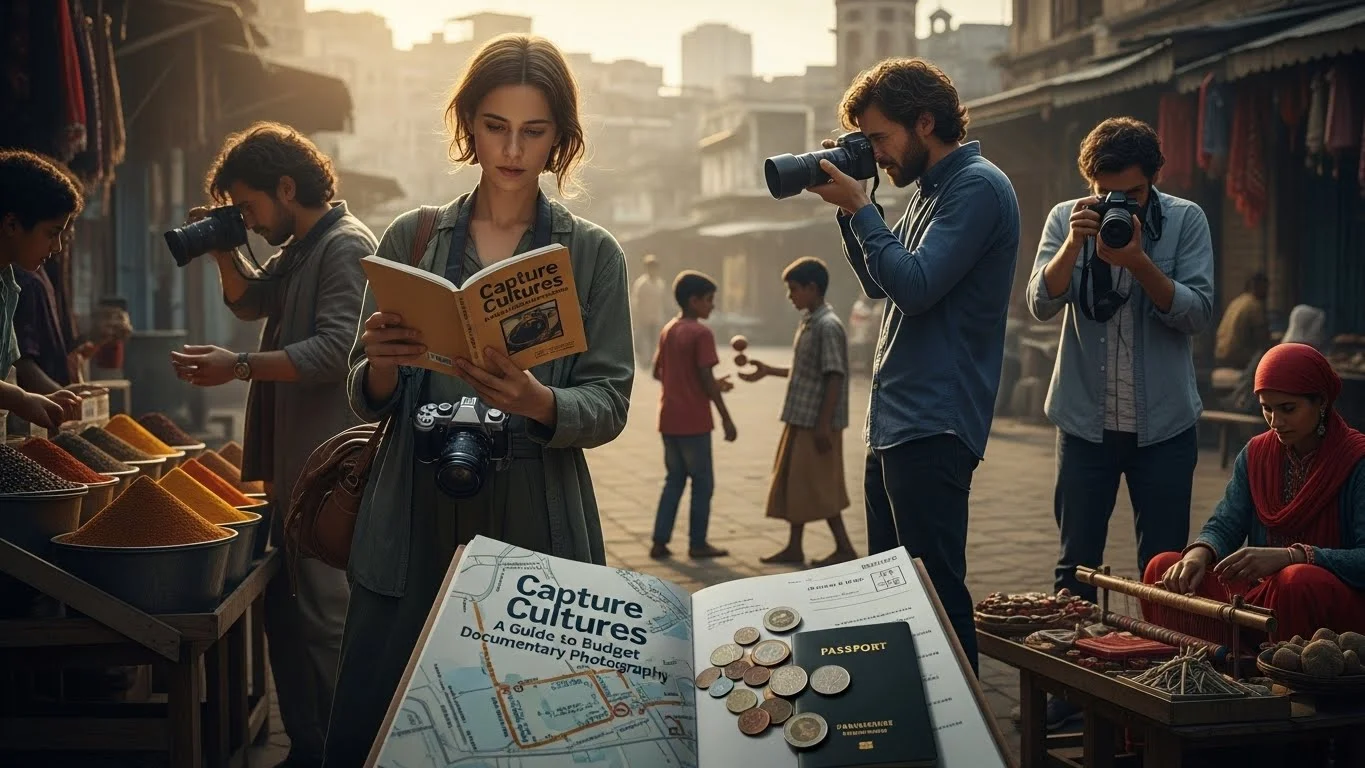
Documentary photography is a powerful way to capture cultures on a budget. By focusing on the stories behind the images, we can create meaningful connections and share diverse experiences without breaking the bank. Read Interesting article: Essential Tips for Budget Underwater Adventure Photography
Understanding Documentary Photography
Definition and Purpose of Documentary Photography
Documentary photography, in my view, is more than just taking pictures; it’s about telling stories through visuals. It serves as a powerful tool to document reality and evoke emotions. I’ve always believed that a photograph can capture a moment in time, allowing us to reflect on the world as it is. Whether it’s the daily life of a community or a specific cultural event, documentary photography strives to present the subject authentically. It’s about being a storyteller, a silent observer, and a passionate advocate for the subjects we choose to photograph.
The Importance of Cultural Representation
When I first ventured into documentary photography, I quickly realized the vital role of cultural representation. Every culture has its unique stories, traditions, and struggles. I remember attending a local festival where I witnessed vibrant displays of dance and music. It struck me then how important it was to represent these experiences visually. By capturing the essence of diverse cultures, we not only preserve their stories but also educate others. I believe that sharing these narratives can foster understanding, appreciation, and empathy among different communities.
Key Elements of Documentary Photography
As I dove deeper into this art form, I learned that there are several key elements that contribute to effective documentary photography. First and foremost is authenticity. I’ve found that the most compelling images often come from genuine moments rather than staged scenarios. Secondly, context plays a crucial role. Understanding the background of the subject can drastically improve how I convey the story through my images. Composition, light, and emotional impact also significantly influence how the audience perceives the narrative. Over time, I’ve discovered that blending these elements can create a powerful visual story.
Getting Started with Budget Documentary Photography
Essential Gear for Budget Photographers
Embarking on a documentary photography journey doesn’t require top-of-the-line equipment. When I started out, I quickly learned that budget-friendly options can still yield amazing results. It’s about making the most of what you have while being resourceful. Read Interesting article: Edit Urban Photography Like a Pro: Step-by-Step Guide
Camera Options for Every Budget
For anyone starting out, I recommend looking into entry-level DSLR cameras or even mirrorless options. They are often available at reasonable prices and can produce great quality images. I used a basic DSLR for my first few projects, and it was more than sufficient. If you’re looking for something even more budget-friendly, consider using your smartphone. I’ve captured some of my favorite moments with just my phone; it’s all about the perspective and creativity you bring to the table.
Lenses and Accessories
Lenses can significantly affect the quality of your images, but you don’t have to buy the most expensive ones. A versatile zoom lens can cover a wide range of situations, which is what I relied on during my initial projects. Additionally, accessories like tripods and external flashes can enhance your photography without costing a fortune. I found that a simple tripod helped stabilize my shots, especially in low-light situations. Sometimes, it’s the little things that can make a big difference.
Choosing the Right Subject Matter
Choosing the subjects for my documentary projects has always been an exciting yet challenging process. I’ve learned that connecting with the right communities and stories can make or break a project.
Identifying Cultural Subjects
When I began, I took time to explore various cultures within my local area. I discovered that cultural subjects could include festivals, everyday life, and unique traditions. I remember attending a community gathering that celebrated heritage through food and dance. These events are rich in stories and make excellent subjects for documentary photography. It’s essential to keep an open mind and be curious about the world around us. Sometimes, the most compelling subjects are right at our doorstep.
Community Engagement and Ethics
Engaging with the community I was documenting was a lesson I learned the hard way. Initially, I approached subjects with a camera, but I quickly realized the importance of building relationships first. I started to engage with people, ask questions, and genuinely listen to their stories. This not only helped me capture authentic moments but also made the subjects feel valued and respected. Ethical considerations are paramount in documentary photography. Always seek permission and be transparent about your intentions. Respecting the people I photographed transformed my work and made the stories richer.
Planning Your Documentary Photography Project
Researching Cultures and Communities
When I start a documentary photography project, I realize the importance of thorough research. Before I even pick up my camera, I dive deep into understanding the culture or community I want to document. I often find myself reading articles, watching documentaries, and even reaching out to local historians or community members. This background knowledge helps frame the narrative I want to capture. I remember when I was preparing for a project focused on a local indigenous community; the more I learned about their history, values, and current issues, the more I felt equipped to tell their story authentically.
Setting a Budget for Your Project
Creating a budget for my documentary projects has been a game-changer. It allows me to plan effectively without overspending. I often break down my budget into specific categories to see where my money is going. I’ve learned that having a clear financial plan not only eases my anxiety but also allows me to focus more on the creative aspects of my project.
Travel Costs
Traveling to different communities or cultural events can be one of the more significant expenses when working on a documentary. I’ve often opted for public transportation or carpooling to keep costs low. If there’s a community event I want to document, I try to plan my visits during local festivals, where I know there will be a lot of activities and opportunities to capture meaningful moments. I also look into local accommodations that offer fair rates, sometimes even considering staying with locals to immerse myself in the culture.
Equipment and Supplies
As I mentioned before, you don’t need fancy equipment to create compelling documentary images. I always make a checklist of the gear I’ll need for my project. This typically includes my camera, a couple of lenses, extra batteries, and memory cards. I also consider bringing along basic supplies like a notebook for jotting down notes and thoughts during my shoots. I’ve found that sometimes the best insights come from spontaneous moments, and having a notebook handy helps me capture those ideas before they slip away. Planning these supplies means I can focus on what I love: documenting stories.
Building a Shooting Schedule
Creating a shooting schedule is another crucial step in preparing for my documentary projects. I’ve learned that having a plan helps me stay organized and ensures I don’t miss out on vital moments. I usually outline the days I’ll be shooting, including specific events or locations I want to cover. This is especially important when documenting festivals or cultural celebrations, as they often have set timings and schedules. My first experience with a shooting schedule was during a local arts festival. By mapping out the events, I was able to capture the vibrant energy throughout the day without feeling rushed.
Techniques for Effective Documentary Photography
Composition Tips for Capturing Culture
Composition is one of those aspects of photography that takes practice. I often remind myself of the rule of thirds, where I divide my frame into a grid and position my subjects along these lines or at their intersections. This approach has helped me create more dynamic images. I also love experimenting with different angles; sometimes, a shot from a low angle can give a fresh perspective on a familiar scene. I remember capturing a street performance from the ground up, which added a unique drama to the image that I hadn’t anticipated.
Lighting Techniques on a Budget
Lighting can make or break a photograph, and I’ve learned to work with natural light as much as possible to save on costs. I try to shoot during the golden hour, just after sunrise or before sunset, when the light is soft and warm. This has transformed my images, giving them an inviting glow that enhances the stories I’m trying to tell. When I find myself in situations where natural light is scarce, I often adapt by using available light sources like street lamps or windows. I’ve even used reflectors made from simple materials to bounce light back onto my subjects, which can dramatically brighten a scene without spending a dime.
Storytelling through Photography
At the heart of documentary photography is the art of storytelling. I’ve discovered that each photograph should tell a story, whether it’s about a single moment or a broader narrative. It’s about capturing emotions, context, and the essence of the subject. I often think about what I want my audience to feel when they look at my work. This drives the choices I make when framing a shot or selecting which moments to capture. Read Interesting article: Urban Street Photography: Techniques for Capturing Life
Creating a Narrative Arc
Creating a narrative arc within my documentary work has become an essential practice. I often think of my series as chapters in a book. I try to start with an engaging opening image that draws viewers in, followed by a series of images that build the story’s context before culminating in a powerful concluding shot that leaves a lasting impression. This approach has allowed me to create a cohesive body of work that resonates with viewers. For instance, during a community project, I captured images of preparation, the main event, and then the aftermath, which allowed me to convey the full experience.
Capturing Authentic Moments
Authenticity is key in my documentary work. I aim to capture genuine interactions and emotions rather than staged setups. I often find that the best moments occur when people are unaware of the camera. I remember a time when I was photographing a family gathering; the best shots came when I stepped back and let the interactions unfold naturally. This has taught me to be patient and to blend into the environment, allowing me to witness the stories as they happen.
Post-Production and Editing on a Budget
Affordable Editing Software Options
Once I’ve captured my images, the next step in the documentary photography process is editing. I used to think that high-quality editing software was a necessity, but I quickly discovered that there are several budget-friendly options that can produce stunning results. Programs like GIMP or Darktable offer great features without the hefty price tag. I’ve even found that some online tools, like Canva or Pixlr, can help with basic edits and are incredibly user-friendly. For me, the key is to choose software that I feel comfortable with while still allowing me to enhance my work effectively.
Basic Editing Techniques for Documentaries
During my editing process, I focus on a few essential techniques that have helped me elevate my documentary photography. First, I always adjust the exposure and contrast to ensure that my images reflect the mood I want to convey. I remember one time when an image I shot during a festival was too dark, but with a little tweaking, I was able to bring out the vibrant colors that truly represented the event’s energy.
Another critical aspect is cropping. I often find that a simple crop can significantly enhance the composition and draw attention to the subject. I make it a point to avoid over-editing; I want my images to maintain their authenticity. I believe that the essence of documentary photography lies in its honesty, so subtle adjustments are usually all I need.
Preparing Your Photos for Publication
After I’ve edited my images, preparing them for publication is the next exciting step. I always ensure that my photos are saved in the correct format, typically JPEG for online sharing or TIFF for printing, depending on the purpose. I’ve learned the hard way that file sizes matter, especially when posting online; no one wants to wait for a huge photo to load! I also pay attention to resolution, ensuring my images are sharp and clear, which helps them stand out.
One of my favorite practices is creating a cohesive set of images. When I’m preparing for an exhibition or a blog post, I often group my photos in a way that tells a complete story. This could mean arranging them chronologically or thematically, depending on the narrative I want to convey. I find that this approach not only engages the viewer but also enhances the overall impact of the documentary.
Sharing Your Documentary Work
Building an Online Portfolio
Creating an online portfolio has been one of the most rewarding steps in sharing my work. I started by using platforms like WordPress or Wix, which offer user-friendly templates that make it easy to showcase my photography. I remember spending hours customizing my site to reflect my style and the essence of my projects. It’s essential to organize my work in a way that highlights my best images and provides context for each series.
I also make sure to include descriptions of each project, sharing the stories behind the images. This not only helps viewers connect with the work but also gives me a chance to share my journey and experiences. I’ve found that storytelling doesn’t stop with the camera; it continues through the way I present my work online.
Utilizing Social Media for Exposure
Social media has been a game-changer for me in terms of exposure. I love using platforms like Instagram and Facebook to share my images and connect with a broader audience. I remember the first time I posted a photo from a local cultural event, and it received an unexpected amount of engagement. It made me realize the power of sharing my work online and how it can resonate with people from various backgrounds.
Consistency is key, so I try to post regularly, showcasing different aspects of my projects. I also engage with my followers by asking questions or encouraging them to share their thoughts on the images. This interaction has helped me build a supportive community of fellow photographers and art lovers who appreciate documentary photography.
Platforms for Photographers
In addition to social media, there are platforms specifically designed for photographers, like 500px or Flickr, where I can share my work and receive constructive feedback. I find that these communities are incredibly supportive and often provide valuable insights. Participating in online forums or groups related to documentary photography has also connected me with like-minded individuals, and I’ve learned so much from their experiences.
Engaging with Your Audience
Engaging with my audience is something I prioritize. I love hearing feedback about my work and what resonates with people. I often encourage conversations about the stories behind the images. By sharing my thought process and reasoning for capturing certain moments, I invite viewers to engage on a deeper level. This connection fosters a sense of community and allows others to feel part of the story I’m telling.
Submitting to Photography Competitions and Exhibitions
Participating in photography competitions and exhibitions has opened up many doors for me. I remember my first time submitting my work to a local exhibition; the excitement was palpable. Even if I didn’t win any awards, just having my work displayed was an incredible experience. It allowed me to share my passion with a wider audience and gain valuable exposure.
I often look for competitions that focus on documentary photography, as they align closely with my interests. I’ve learned to read the submission guidelines carefully, ensuring my images fit the theme and requirements. Whether it’s a local gallery or an international competition, each opportunity is a chance to grow and connect with others in the field.
Frequently Asked Questions
What is documentary photography?
Documentary photography is a form of photography that focuses on telling stories through visuals, serving as a powerful tool to document reality and evoke emotions. It strives to present subjects authentically, capturing moments that reflect the world as it is.
Why is cultural representation important in documentary photography?
Cultural representation is vital in documentary photography as it preserves unique stories, traditions, and struggles of different cultures. By capturing these experiences visually, we can educate others and foster understanding, appreciation, and empathy among communities.
What are the key elements of effective documentary photography?
The key elements include authenticity, context, composition, light, and emotional impact. Authentic moments are often more compelling than staged scenarios, and understanding the subject’s background enhances the story conveyed through images.
What type of camera is recommended for budget documentary photographers?
Entry-level DSLR cameras or mirrorless options are recommended for budget photographers. Additionally, smartphones can also be used effectively, as creativity and perspective are more important than the equipment itself.
How can one choose the right subject matter for a documentary project?
Choosing the right subject matter involves connecting with communities and exploring various cultural aspects. Attending local events such as festivals and gatherings can provide rich stories that make compelling subjects for documentary photography.
What is the significance of community engagement in documentary photography?
Community engagement is crucial in documentary photography as it helps build relationships with subjects. Engaging, asking questions, and listening to their stories allows for capturing authentic moments and respecting the people being photographed.
How should a photographer budget for their documentary projects?
Creating a budget involves breaking down expenses into specific categories, including travel costs and equipment. This financial plan helps manage resources effectively, allowing the photographer to focus more on the creative aspects of the project.
What are some techniques for effective documentary photography composition?
Effective composition techniques include using the rule of thirds, experimenting with different angles, and capturing dynamic images. These approaches can enhance the visual storytelling aspect of documentary photography.
What affordable editing software options are available for photographers?
Budget-friendly editing software options include GIMP, Darktable, Canva, and Pixlr. These programs offer great features for editing photos without the high costs associated with premium software.
How can photographers share their documentary work online?
Photographers can build an online portfolio using platforms like WordPress or Wix, utilize social media for exposure, and participate in photography competitions and exhibitions to share their work and engage with a wider audience.