
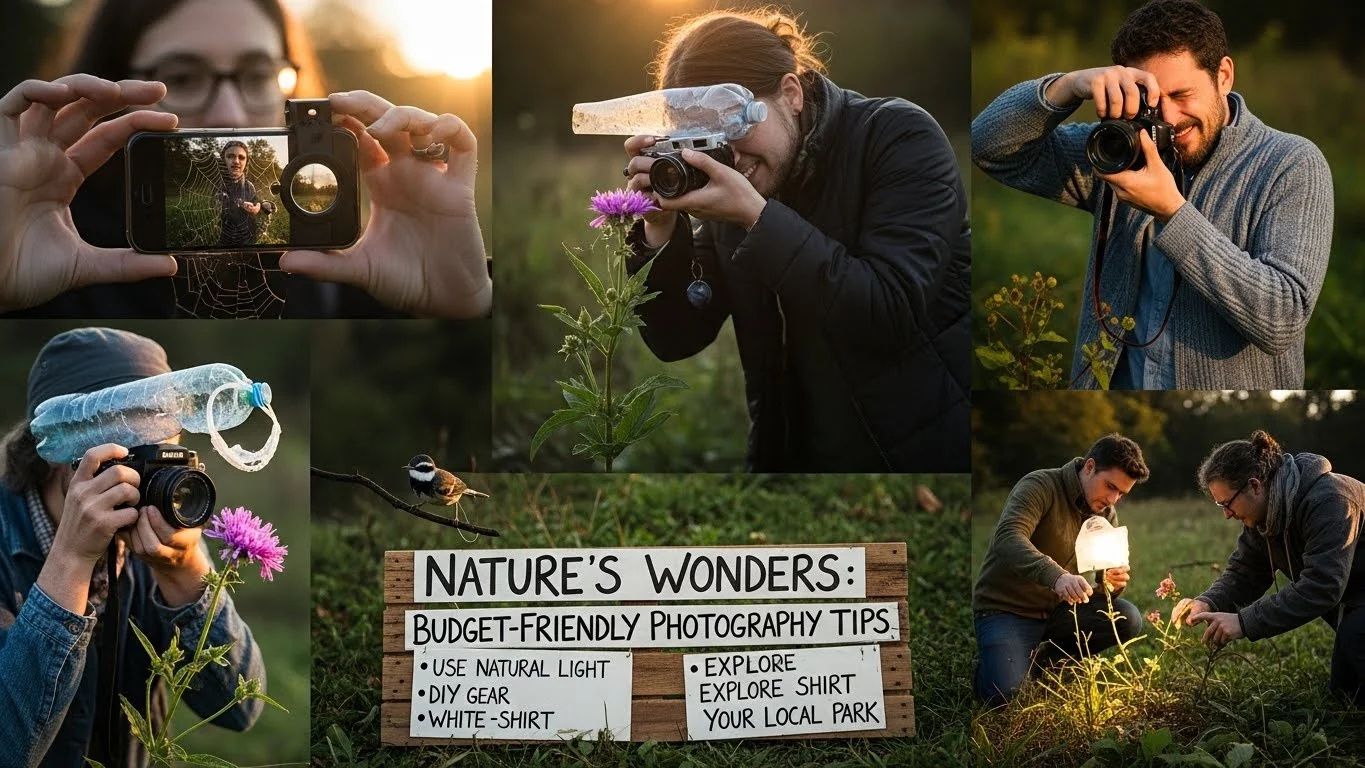
Capturing nature’s beauty doesn’t have to break the bank. With a little creativity and resourcefulness, you can take stunning photos that showcase the wonders around us. Let’s explore how to make the most of your nature photography journey!
Understanding Nature Photography
When I first picked up a camera, I was overwhelmed by the vast world of nature photography. I found that understanding the essence of this art form significantly enhanced my experience and my photos. Nature photography isn’t just about snapping pictures of landscapes; it’s about telling a story and connecting with the environment around us.
The Importance of Nature Photography
For me, nature photography has always been a way to express my love for the outdoors. It allows us to capture fleeting moments, like a sunrise breaking through the clouds or a deer peeking through the trees. These images help us appreciate the beauty of our world and can inspire others to connect with nature as well. I’ve noticed that when people see stunning nature photos, it often motivates them to explore their surroundings more and even advocate for environmental preservation.
Types of Nature Photography
As I dove deeper into this field, I discovered several types of nature photography that I found captivating. Each type has its own challenges and rewards:
- Landscape Photography: This focuses on capturing vast vistas and scenic views. I love getting up early to catch the sunrise over a mountain range.
- Wildlife Photography: This is all about capturing animals in their natural habitats. I often find myself waiting patiently to get that perfect shot of a bird or an animal. Budget-Friendly Wildlife Photography Tips for Backpackers can help you get started without overspending.
- Macro Photography: This involves close-up shots of small subjects like insects or flowers. I remember the first time I got a detailed shot of a dew-covered spider web; it was magical!
- Astrophotography: This focuses on capturing the night sky. I’ve spent nights lying on the ground, looking up at the stars, trying to get that perfect shot of the Milky Way.
Essential Equipment for Beginners
When I started out, I thought I needed the most expensive camera and gear to take beautiful photos. However, I learned that it’s about how you use what you have. Here’s what I believe is essential for beginners:
- Camera: You don’t need the latest model. A decent entry-level DSLR or mirrorless camera will do just fine. I started with an older DSLR that I borrowed from a friend.
- Tripod: This is crucial for stability, especially in low-light situations. I’ve saved so many blurry shots by using a tripod.
- Extra Batteries and Memory Cards: Nature photography can be unpredictable. I’ve often found myself running out of battery or memory space when I’m in the middle of an amazing scene.
- Editing Software: While it’s important to get the shot right in-camera, a little post-processing can go a long way. I started with free software before moving on to more advanced options.
As I began my journey into nature photography, I quickly realized that understanding the different aspects of this craft could elevate my work significantly. It’s not just about having the right equipment; it’s about learning how to see the world through your lens. The more I practiced, the more I improved my skills and developed my unique style. I encourage every budding photographer to explore and experiment with different techniques and subjects.
Budget-Friendly Photography Gear
I’ve always believed that great photography doesn’t have to come from the most expensive gear. I remember when I was starting out, I felt overwhelmed by all the options and the price tags that came with them. Over time, I discovered that there are plenty of budget-friendly alternatives that can help capture stunning nature photographs without draining my wallet. Let’s dive into some gear options that won’t break the bank.
Affordable Cameras for Nature Photography
When I think back to my first camera, I remember it being a simple DSLR that I got at a reasonable price. You don’t need the latest model to take gorgeous photos. I’ve seen many photographers achieve amazing results with cameras like the Canon EOS Rebel series or the Nikon D3500, which are often available at great discounts second-hand. Even entry-level mirrorless cameras like the Sony Alpha a6000 can deliver impressive shots without a hefty price tag. What’s really important is learning to use your camera effectively, regardless of its cost.
Budget Lenses and Accessories
Lenses can often be the most expensive part of photography, but I found that there are some fantastic budget options out there. For example, a versatile zoom lens like the 18-55mm kit lens that often comes with cameras can handle various situations, from sweeping landscapes to close-up details. I also discovered that prime lenses, such as a 50mm f/1.8, are relatively affordable and great for capturing beautiful, sharp images with lovely bokeh. Additionally, keep an eye out for used or refurbished lenses, which can save you a lot of money.
As for accessories, there are plenty of budget-friendly options that can enhance your photography experience. A basic tripod can be found for a reasonable price, and investing in a circular polarizer can help reduce glare and improve colors in your photos, especially when shooting water or foliage. I remember how much my photography improved when I started using filters to manage reflections and enhance the vibrancy of colors.
Smartphone Photography: Tips and Tricks
Let’s not overlook the power of our smartphones! I have to admit, I used to think that smartphone photography wasn’t on par with dedicated cameras, but that changed when I started experimenting with my phone. With advancements in technology, many smartphones now have impressive camera capabilities. I’ve taken some of my favorite nature shots using just my phone, especially when I didn’t want to lug around my bigger camera.
One of my favorite tips is to utilize the editing apps available on smartphones. I often use apps like Snapseed or Lightroom Mobile to enhance my photos right on my device. Also, don’t forget to explore composition techniques, like using leading lines or framing, to improve your shots. For me, it was eye-opening to realize that the best camera is the one you have with you, and sometimes that’s just my smartphone!
Choosing the Right Locations
Finding the perfect location is crucial for nature photography. I’ve found that the right setting can make all the difference in capturing stunning images. Whether you’re looking for majestic landscapes or intimate close-ups of flora and fauna, I’ve learned that taking the time to scout out shooting locations can lead to incredible discoveries.
Best Natural Landscapes for Photography
In my photography adventures, I’ve been lucky enough to visit some breathtaking natural landscapes that provided endless opportunities for amazing shots. National parks are often a top choice for photographers, and I’ve spent countless hours wandering through places like Yosemite or Zion, capturing the essence of towering cliffs and serene valleys. Coastal areas also offer dramatic seascapes, where I’ve enjoyed photographing the interplay of light and water during sunrise and sunset.
Additionally, don’t forget about the beauty of mountains and lakes! I remember camping by a tranquil lake, waiting for the golden hour when the reflections of the surrounding peaks created magical images. Exploring these natural wonders can truly elevate your photography.
Local Parks and Hidden Gems
Sometimes the best locations are right in our own backyards. I’ve discovered that local parks and nature reserves can be treasure troves for photography. They often have diverse ecosystems, providing opportunities to capture a range of subjects. I’ve spent afternoons wandering through local parks, finding small waterfalls, vibrant wildflowers, and even unique wildlife that I would have missed if I hadn’t taken the time to explore.
I encourage you to take a closer look at your community. You might be surprised by the hidden gems that are just a short drive away!
Seasonal Locations: When to Capture the Best Shots
Nature changes with the seasons, and I’ve learned that each season offers its own unique photography opportunities. Spring is a time of renewal, with blooming flowers and baby animals. I remember how stunning the cherry blossoms looked in full bloom, and how the vibrant colors popped in the sunlight. Summer can bring lush greenery and clear skies, perfect for capturing long hikes through the wilderness.
As autumn rolls in, the foliage transforms into a palette of reds, oranges, and yellows, making for breathtaking landscape photos. Winter, while chilly, can create a magical atmosphere with frosty branches and serene snow-covered scenes. I’ve found that planning my outings according to the seasons has led to some of my most memorable photographs.
Photography Techniques for Stunning Nature Shots
I’ve always found that the techniques I apply while shooting can greatly influence the outcome of my nature photographs. As I explored different methods, I realized that mastering a few key techniques can elevate my work. Here are some of the most impactful photography techniques I’ve discovered on my journey.
Understanding Composition: Rule of Thirds and Beyond
Composition is something that I initially struggled with, but I learned that it plays a crucial role in creating captivating images. One of the first concepts I encountered was the Rule of Thirds. This technique involves dividing your frame into a three-by-three grid and placing your subject off-center along these lines. I remember experimenting with this rule and noticing how it instantly made my photos more dynamic. For instance, instead of centering a mountain peak, placing it on one side while allowing the sky to fill the other created a more balanced and interesting image.
As I grew more confident, I started exploring other composition techniques like leading lines, framing, and symmetry. Leading lines can guide the viewer’s eye through the photograph, while framing helps to draw attention to your subject. I’ve found that sometimes, breaking the rules can also yield stunning results. The key is to practice and develop your unique vision!
Utilizing Natural Light Effectively
Light is one of the most critical elements in photography, and I’ve learned to pay close attention to it. The golden hour—just after sunrise or before sunset—offers soft, warm light that can transform any landscape into a magical scene. I remember waking up early for a sunrise shoot, and the way the light bathed everything in a golden glow was simply breathtaking. It’s moments like these that remind me why I love photography.
But it’s not just about the golden hour! I’ve also discovered that overcast days can provide beautiful, diffused lighting that’s perfect for capturing details without harsh shadows. I’ve often ventured out on cloudy days, and the results were surprisingly vibrant, especially in macro photography where details matter.
Long Exposure Techniques for Water and Sky
Long exposure photography has become one of my favorite techniques for capturing the beauty of water and skies. By using a tripod and slow shutter speeds, I’ve been able to create dreamy, silky effects on flowing water and dramatic clouds. I remember my first attempt at capturing a waterfall; I set my camera to a slow shutter speed, and the result was a mesmerizing image of water cascading softly over rocks.
To achieve this effect, I often use a neutral density (ND) filter, which reduces the amount of light entering the lens, allowing for longer exposures even in bright conditions. The first time I used an ND filter, I was amazed by how it transformed my images, giving them an ethereal quality that I had only dreamed of capturing. It’s a technique worth trying if you want to add a touch of magic to your nature photography!
Macro Photography Tips for Small Subjects
Macro photography opened up a whole new world for me, allowing me to capture the intricate details of small subjects that often go unnoticed. I remember the thrill of getting close to a flower and seeing the delicate patterns in its petals or the tiny hairs on an insect’s body. To excel in macro photography, I learned a few key tips that made all the difference.
First, investing in a good macro lens can be beneficial, but if that’s out of reach, I’ve found that extension tubes can also work wonders by allowing me to focus closer with my existing lenses. Additionally, controlling my depth of field is crucial; I often use a wider aperture to blur the background and make my subject pop. Using a tripod helps keep everything steady, especially when working with such small details.
Lastly, patience is essential. I’ve spent hours waiting for the right moment to capture a butterfly or the perfect light on a flower. But each time I’ve been rewarded with images that felt worth the wait, reminding me of the beauty that exists in the smallest of things.
Post-Processing on a Budget
Once I’ve captured my images, I’ve learned that post-processing is where I can really bring my vision to life. While some people might think this requires expensive software, I’ve discovered several budget-friendly options that can help enhance my photos beautifully.
Free and Affordable Editing Software
When I first started editing my photos, I hesitated to spend money on software. Luckily, there are fantastic free options available that helped me get my feet wet. For instance, GIMP is a powerful open-source program that offers a wide array of features similar to those found in high-end software. I spent hours playing around with its tools and learning how to adjust colors, contrast, and sharpness. Another program I found helpful is Paint.NET, which is more user-friendly and perfect for quick edits.
As I became more comfortable with editing, I transitioned to Adobe Lightroom. They offer a subscription plan that’s fairly affordable, and I found it to be worth every penny for the organizational features alone. The mobile version also allows me to edit on the go, which I truly appreciate!
Basic Editing Techniques for Nature Photos
Understanding a few basic editing techniques has made a significant difference in my nature photography. One of my go-to adjustments is cropping. It’s amazing how a simple crop can enhance the composition of an image. I often revisit my photos and experiment with different crops to see what works best.
Another essential technique I learned was adjusting exposure. Sometimes, the light doesn’t cooperate perfectly during a shoot, and I’ve found that tweaking the exposure can help bring out details that were lost in shadows or highlights. Additionally, I love playing with saturation and vibrance to make colors pop without overwhelming the image. It’s all about finding a balance that keeps the natural feel intact.
Enhancing Your Photos Without Overdoing It
One of the lessons I learned early on is the importance of subtlety in post-processing. It’s tempting to go overboard with filters and adjustments, but I’ve found that keeping edits natural often yields the best results. I remember one time I over-edited a landscape photo, adding too much contrast and saturation, and it ended up looking unrealistic. Now, I try to emulate the way I saw the scene in person, focusing on enhancing the photo rather than altering it completely.
I also like to keep an eye on details. Zooming in on my images allows me to spot any imperfections, like dust spots or unwanted distractions. Cleaning these up during editing can make a huge difference, and I feel a sense of satisfaction seeing a polished final product. The edit should enhance the story I want to tell through my photography, not distract from it.
Sharing and Showcasing Your Work
Once I’ve edited my photos, I love sharing them with others. It’s a great way to showcase my work and connect with fellow photography enthusiasts. I’ve learned that there are several ways to do this without spending a fortune.
Building a Photography Portfolio on a Budget
Creating a portfolio doesn’t have to be an expensive endeavor. I started by using platforms like Adobe Portfolio or Wix, which offer free plans to create beautiful online galleries. I remember spending evenings curating my favorite shots and organizing them into cohesive themes. It felt rewarding to have a space where my work could shine, and it was easy to share with friends and family.
Additionally, I’ve found that using social media is an excellent way to showcase my photography. Instagram, for example, is a popular platform for photographers, allowing me to connect with like-minded individuals and receive feedback. I’ve made many friends through this community and even discovered new places to shoot based on their recommendations!
Social Media Platforms for Nature Photographers
Speaking of social media, I can’t stress enough how beneficial it has been for my growth as a photographer. I’ve found platforms like Facebook and Instagram to be invaluable for connecting with other nature photographers. There are various groups dedicated to sharing tips, challenges, and even organizing meet-ups. Participating in these communities has inspired me to push my boundaries and try new techniques.
I also enjoy engaging with other photographers by commenting on their work. It’s uplifting to share compliments and encouragement, and I often find new ideas and perspectives through their images. As I’ve built my online presence, I’ve noticed that more people take an interest in my work, which encourages me to keep creating.
Participating in Photography Contests and Communities
Lastly, I’ve stumbled upon some fantastic opportunities through photography contests and local communities. Entering contests can be an excellent way to challenge myself and gain recognition for my work. Plus, it’s fun to see how my photos stack up against others! I remember my excitement when I received an honorable mention in a local contest; it motivated me to keep pushing my skills.
Local photography clubs or workshops are another great way to expand my network and learn from others. I’ve made some lasting friendships while attending events and outings with fellow photographers. Sharing knowledge and experiences within these communities has enriched my photography journey immensely.
Tips for Staying Inspired and Improving
Staying inspired is vital in any creative pursuit, and I’ve learned a few tricks to keep my passion for nature photography alive.
Finding Inspiration in Nature
One of the simplest ways I keep my creativity flowing is by spending time outdoors. I make it a point to explore new trails or parks regularly, and I’ve found that being surrounded by nature can spark fresh ideas. Whether it’s the subtle colors of a flower or the intricate patterns of bark on a tree, there’s always something new to capture.
I also enjoy keeping a nature journal where I jot down thoughts, sketches, or ideas for future shoots. This practice not only helps me organize my thoughts but also allows me to reflect on my experiences and growth as a photographer.
Joining Local Photography Groups
As I mentioned before, connecting with other photographers has been instrumental in my journey. Joining local photography groups has provided me with new perspectives and insights. I’ve participated in group outings, where we share tips and ideas while capturing the beauty around us. The camaraderie and shared passion for photography have been incredibly motivating for me.
Setting Challenges for Yourself
Finally, I like to set personal challenges to push my creativity. For example, I might commit to capturing one new subject each week or explore a different technique. These challenges keep things exciting and help me step out of my comfort zone. I remember one month, I focused solely on black-and-white photography, which forced me to pay closer attention to light and shadows in my compositions. It was a transformative experience!
Final Thoughts
Photography is a journey that evolves with us, and I believe embracing that journey is key to growing as an artist. From the equipment we choose to the locations we explore, each experience shapes our unique perspective. Whether you’re just starting or looking to refine your skills, remember that it’s about capturing the beauty of the world around us and sharing that passion with others. Let’s keep exploring, learning, and inspiring each other on this incredible adventure of nature photography!
Frequently Asked Questions
What is the essence of nature photography?
Nature photography is about telling a story and connecting with the environment, rather than just capturing landscapes. It involves expressing love for the outdoors and appreciating fleeting moments in nature.
What are the different types of nature photography?
The main types of nature photography include landscape photography, wildlife photography, macro photography, and astrophotography, each with its own unique challenges and rewards.
What essential equipment do beginners need for nature photography?
Beginners should have a decent entry-level DSLR or mirrorless camera, a tripod for stability, extra batteries and memory cards, and editing software for post-processing.
Can great nature photography be achieved without expensive gear?
Yes, great photography can be achieved without expensive gear. Budget-friendly alternatives, like entry-level cameras and lenses, can produce stunning images when used effectively. Wildlife Photography on a Budget: Safari Tips You Need offers insights into maximizing your experience.
What tips can improve smartphone photography?
To enhance smartphone photography, utilize editing apps like Snapseed, explore composition techniques such as leading lines, and remember that the best camera is the one you have with you.
When is the best time to capture nature photographs?
The best time to capture nature photographs can vary with the seasons. Spring offers blooming flowers, summer brings lush greenery, autumn showcases colorful foliage, and winter can create a serene, frosty atmosphere.
What are some effective photography techniques for stunning nature shots?
Effective techniques include mastering composition with the Rule of Thirds, utilizing natural light effectively, and experimenting with long exposure techniques for water and skies.
How can post-processing improve nature photography?
Post-processing can enhance nature photography through simple adjustments like cropping, exposure correction, and fine-tuning color saturation, all aimed at maintaining a natural feel.
What are some ways to share and showcase photography work?
Photography work can be shared through online portfolios using platforms like Adobe Portfolio or Wix, utilizing social media like Instagram, and participating in photography contests and communities. Essential Wildlife Photography Tips for Budget Safari Travelers can provide more insights into showcasing your work effectively.
How can photographers stay inspired in their craft?
Photographers can stay inspired by spending time in nature, joining local photography groups, and setting personal challenges to explore new subjects or techniques.