
Are you ready to unleash your creativity and capture the breathtaking beauty of architecture? Join me as we explore the world of architectural photography, where stunning structures await your lens! Read Interesting article: Affordable Modern Architecture Experiences for Every Traveler
Understanding Architectural Photography
The Art of Architectural Photography
As an aspiring photographer, I became fascinated by the way buildings tell stories through their design, shape, and history. Architectural photography isn’t just about capturing a structure; it’s about conveying the emotions and narratives behind it. Each building has its own character, which can be expressed through creative angles, compositions, and lighting. I remember the first time I stood in front of a grand cathedral, feeling the weight of its history. That moment ignited my passion for capturing architecture. I learned that the art lies in finding unique perspectives that bring the viewer closer to the essence of the building.
Essential Equipment for Capturing Architecture
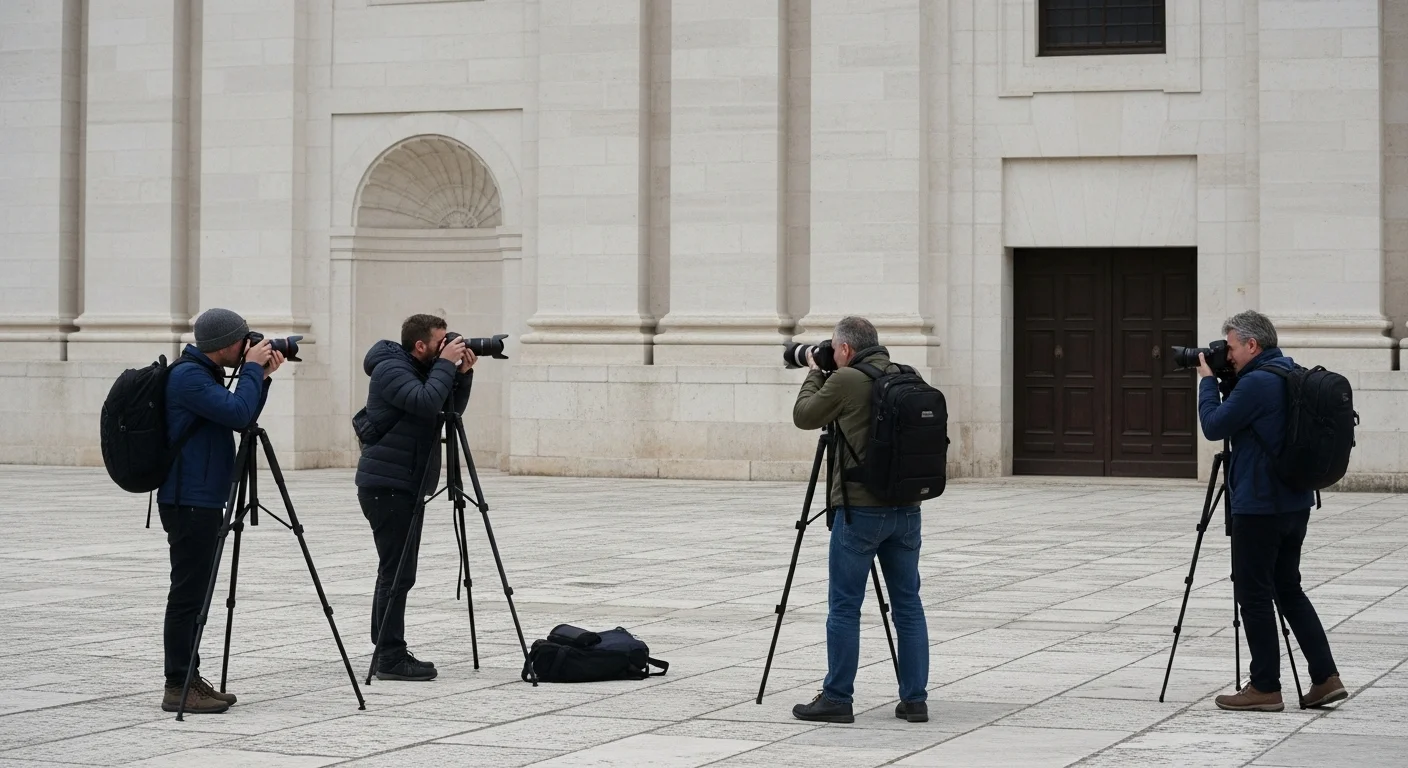
When I first started my journey, I quickly realized that having the right equipment can make a significant difference in the quality of your shots. Here’s what I found essential:
- Camera: A DSLR or mirrorless camera is ideal for capturing high-quality images. I opted for a full-frame camera, which offers better dynamic range and detail.
- Lenses: A wide-angle lens is a must for architecture. I recommend a lens with a focal length between 16mm to 24mm. It allows you to capture expansive views of buildings, especially in tight spaces.
- Tripod: Stability is crucial, especially in low-light situations. A sturdy tripod helped me avoid blurry images and allowed for longer exposure times when needed.
- Filters: I found that using polarizing filters can enhance the sky’s color and reduce reflections on glass surfaces. It’s a small investment that can yield big results.
Investing in the right gear can elevate your photography, but remember, it’s about the creativity you bring to your work, not just the equipment.
Understanding Lighting and Angles
Lighting can make or break a photograph, and I’ve learned this lesson the hard way. Natural light is often the best friend of an architectural photographer. Early mornings or late afternoons, known as the golden hours, provide soft light that enhances textures and colors. I often schedule my shoots during these times to capture buildings in their best light.
Angles also play a crucial role in architectural photography. Instead of shooting straight on, I recommend experimenting with different viewpoints. Try moving around the structure, crouching down, or shooting from higher ground. I remember a time when I climbed a few steps to get a higher angle of a famous building. The result was a dynamic shot that emphasized its grandeur. Don’t be afraid to break the conventional rules; the most stunning photos often come from unexpected perspectives.
Additionally, the interplay of shadows can add depth to your images. I discovered that capturing a building with strong shadows can create dramatic contrasts and emphasize lines, enhancing the architectural features. Look for patterns and shapes; they can lead to stunning compositions that elevate your photography.
As I delved deeper into architectural photography, I began to appreciate how essential it is to be aware of the environment around a structure. Elements like trees, people, and even the sky can contribute to the overall composition. I often wait for the right moment when the scene feels alive, allowing me to capture not just the architecture but the story of the place.
In my experience, understanding the nuances of architectural photography has opened up a world of creativity. Each building presents a new challenge and opportunity to express myself through my lens. I encourage you to explore various techniques, practice regularly, and let your passion guide your journey in capturing stunning architecture.
Top Destinations for Architectural Photography Tours
Iconic Cities for Architecture Photography
There’s something magical about capturing the essence of a city through its architecture. In my travels, I’ve found that some cities are simply a photographer’s dream. They are brimming with stunning structures, each telling its own story. Let me share a few of my favorite destinations that I believe every architectural photography enthusiast should consider.
Barcelona: A Gaudí Experience
Barcelona is a treasure trove of architectural wonders, largely thanks to the genius of Antoni Gaudí. Iconic structures like the Sagrada Família and Park Güell are a feast for the eyes and the camera. The organic forms, vibrant colors, and intricate details found in Gaudí’s work make for breathtaking photographs. I remember spending hours wandering through the winding streets, looking for unique angles that showcased the whimsical nature of his designs. The soft, warm light of the early evening is perfect for capturing the unique textures of Gaudí’s creations, making the colors pop even more. Don’t forget to explore the lesser-known buildings as well; each corner of Barcelona hides gems waiting to be discovered.
Rome: Ancient Marvels and Modern Structures
Rome is a city where ancient history collides with modern architecture, creating a captivating tapestry for photographers. The Colosseum, the Pantheon, and the Roman Forum are just a few of the magnificent sites that I found awe-inspiring. I often found myself lost in the grandeur of these structures, imagining the stories they could tell. The contrast of ancient ruins against contemporary buildings adds depth to your photos. I recommend visiting during the golden hour when the sun casts beautiful shadows, enhancing the textures of stone. Rome also offers a chance to capture everyday life against these magnificent backdrops, making your photos even more relatable and engaging.
New York City: Skyscrapers and Historic Buildings
New York City offers a striking mix of modern skyscrapers and historic architecture. From the soaring heights of One World Trade Center to the classic elegance of the Flatiron Building, the city is a playground for architectural photographers. I love shooting at different times of day to capture the city’s ever-changing light. Early mornings present a quieter, almost serene atmosphere, whereas the bustling streets at dusk bring a vibrant energy to the frame. Walking through neighborhoods like SoHo can reveal beautiful cast-iron buildings that add character to your portfolio. My favorite spot is the High Line, where I captured stunning images of modern architecture juxtaposed with nature.
Dubai: Modern Marvels and Traditional Design
Dubai is a city that redefines modern architecture. With its futuristic skyline dominated by the Burj Khalifa, the city is a testament to architectural innovation. I was amazed by how the structures seem to touch the sky. But don’t overlook the traditional elements; places like the Al Fahidi Historical Neighborhood offer a glimpse into the region’s cultural heritage. I often found myself captivated by the contrast between the old and the new. Shooting from the observation deck of high-rises not only gives a breathtaking view of the city but also allows for unique compositions that highlight the architectural diversity.
Hidden Gems: Lesser-Known Architectural Wonders
While iconic cities are fantastic for photography, some of the most rewarding experiences come from exploring lesser-known architectural sites. These hidden gems often allow for a more intimate experience without the crowds.
Lisbon: Manueline Architecture
Lisbon is known for its stunning Manueline architecture, a style unique to Portugal. The Jerónimos Monastery is a prime example, with intricate carvings that tell tales of the country’s maritime history. My visit to Lisbon was filled with exploring narrow streets and finding small buildings that often went unnoticed by tourists. I loved capturing the details of the decorative motifs and the way they interacted with light. The city’s colorful tiles also offer a unique texture to photographs, making each shot feel vibrant and alive.
Budapest: Art Nouveau Influences
Budapest is another hidden gem that I believe every architectural photographer should explore. The city’s Art Nouveau buildings, like the Gresham Palace and the Hungarian State Opera House, showcase stunning designs and elegant lines. I personally enjoyed wandering along the Danube, capturing the reflections of these architectural masterpieces in the water. The interplay of light and shadow on the ornate details created some of my favorite shots. Budapest’s unique charm lies in its blend of history and artistry, making it a canvas for unforgettable photographs.
As you plan your architectural photography tour, consider these iconic cities and hidden gems. Each destination offers a unique perspective and a chance to deepen your understanding of architectural design through your lens. I encourage you to embrace the journey, explore new places, and let your creativity shine! Read Interesting article: Explore Modern Architecture: Top Budget-Friendly Tours
Types of Architecture to Capture
Gothic Architecture
I’ve always been captivated by the soaring heights and intricate details of Gothic architecture. The pointed arches, ribbed vaults, and flying buttresses create a sense of grandeur that truly stands out. When I had the chance to photograph cathedrals like Notre-Dame in Paris, I was in awe of how the light filtered through the stained glass, illuminating the interior with vibrant colors. It reminded me of how important it is to consider the interplay of light and structure in my shots. I found that capturing the exterior from below really emphasized the height and drama of these buildings, while interior shots could showcase the stunning details and artistry. I recommend visiting during the early morning or late afternoon when the light creates long shadows, enhancing the three-dimensionality of the architectural features.
Modern Architecture
Modern architecture offers a refreshing contrast to the ornate styles of the past. It’s all about clean lines, open spaces, and innovative materials. When I first explored cities like Barcelona and New York, I was struck by how modern architecture can redefine a skyline. The sleek designs of buildings like the Guggenheim Museum in Bilbao or the High Line in NYC provide endless opportunities for experimentation. I often play with angles and perspectives to capture the bold shapes and unique forms. One of my favorite techniques is to include reflections in glass windows or bodies of water, which can add an extra layer of intrigue to the composition. The minimalist aspect of modern architecture allows me to focus on the subtle details that often go unnoticed.
Baroque Architecture
Baroque architecture is truly a feast for the eyes, characterized by its dramatic use of light and shadow, as well as elaborate ornamentation. I had the pleasure of visiting places like St. Peter’s Basilica in Vatican City, where the opulence of the design is overwhelming. The grand staircases, intricate sculptures, and rich colors create a theatrical backdrop for photography. I learned to embrace the extravagant details by zooming in on specific elements, like a beautifully carved column or a stunning fresco. Using a wide-angle lens can also help to capture the grandeur of the spaces while maintaining a sense of depth. The challenge lies in balancing the intricacies without overwhelming the viewer, but I’ve found that focusing on certain details can lead to powerful images.
Brutalist Architecture
Brutalist architecture has a unique charm that’s often misunderstood. The raw, unfinished concrete and bold geometric forms create a stark beauty that I’ve come to appreciate. During my visit to the Barbican Centre in London, I was struck by the textural contrasts and the strong lines of the buildings. I found that capturing these structures during overcast days worked well; the soft light highlighted the textures without harsh shadows. I recommend playing with symmetry and leading lines to draw the viewer’s eye into the frame. It’s fascinating how a style often labeled as cold and uninviting can yield striking photographs when approached with the right mindset.
Sustainable Architecture
As awareness of environmental issues grows, so does the popularity of sustainable architecture. I’ve seen an increasing number of structures that incorporate eco-friendly materials and designs, blending seamlessly with nature. For instance, the Eden Project in the UK is a stunning example of how architecture can harmonize with the environment. I loved capturing the biomes surrounded by lush gardens, focusing on how the building interacts with its surroundings. I find that shooting during golden hour enhances the natural beauty, as the warm light complements the organic materials. I encourage you to seek out buildings that prioritize sustainability; they often tell a story about innovation and responsibility. Capturing these structures not only showcases beautiful design but also sparks conversations about our impact on the planet. Read Interesting article: Discover Historical Art Tours: A Budget Backpacker’s Guide
Exploring these different types of architecture has broadened my perspective and deepened my passion for photography. Each style offers its own unique challenges and rewards, encouraging us to experiment with techniques and push our creative boundaries. I believe that by understanding the nuances of each architectural form, we can create compelling images that resonate with viewers and celebrate the art of design.
Planning Your Photography Tour
When to Go: Best Times for Photography
Planning a photography tour around architecture means timing plays a huge role in the quality of your shots. From my experience, the best times for architectural photography are during the golden hours: just after sunrise and just before sunset. The soft, warm light during these times not only enhances colors but also adds depth and drama to your images. I remember waking up before dawn for a shoot in Rome; the quiet streets and gentle light created an almost magical atmosphere, allowing me to capture the essence of the city without the usual crowds.
Seasons also matter. Spring and fall often offer the best weather conditions and beautiful colors that can complement architectural shots. For example, I love capturing buildings surrounded by autumn leaves or spring blooms. I learned that a little planning can lead to stunning photographs that tell a story about the place at a certain time of year.
Choosing the Right Photography Tour
There are many photography tours available, but selecting one that fits your style and goals is essential. I’ve been on various tours, some focusing on technical skills while others emphasized artistic expression. I recommend looking for tours led by experienced photographers who understand architecture and can guide you through the nuances of capturing it effectively. Reading reviews and reaching out to past participants can provide valuable insight into what to expect.
Another factor is the group size. Smaller groups often allow for a more personalized experience, where you can get individual feedback and take your time at each location. I’ve found that these tours not only enhance my skills but also create opportunities for networking with fellow enthusiasts who share my passion.
What to Expect on a Photography Tour
When you embark on a photography tour, expect a blend of structured activities and free time to explore. Most tours include guided visits to iconic sites along with hidden gems that you might not discover on your own. I remember one tour where we had a dedicated time for capturing a well-known landmark, followed by several hours to wander and find our own compositions. It was during that free time that I stumbled upon a quaint café with beautiful architecture that became one of my favorite shots from the trip.
Be prepared for varying weather conditions and be flexible with your plans. I’ve learned to embrace the unexpected; sometimes, the best shots happen when the light changes or a sudden rain shower creates unique reflections. Bring your enthusiasm and an open mind; every tour is a chance to learn something new and connect with the art of architectural photography.
Photography Techniques for Stunning Architecture Shots
Composition Tips for Architectural Photography
Composition is key in architectural photography. I often use the rule of thirds to create balance in my images, but I also enjoy breaking the rules when it feels right. Leading lines, such as roads or pathways, can draw the viewer’s eye toward the subject, creating a sense of depth. I remember a shot I took of a winding staircase, where the lines naturally led the eye upward, emphasizing the height of the structure. Experimenting with symmetry and framing can also lead to striking images. I think it’s all about finding what works best for the specific architecture you’re photographing.
Using Filters and Lenses Effectively
Filters can significantly enhance your architectural shots. I often use polarizing filters to reduce glare and saturate colors, especially when shooting glass or water. Neutral density filters are also handy for long exposure shots, allowing me to capture movement, like people walking or clouds drifting by, while maintaining a crisp image of the architecture. As for lenses, I’ve found that a combination of wide-angle and telephoto lenses can help to capture both expansive views and intricate details, providing variety in my portfolio.
Post-Processing Techniques for Enhancing Images
Post-processing is where I can bring my vision to life. I often use software like Lightroom or Photoshop to adjust exposure, contrast, and colors to match the mood I want to convey. Cropping can also play a crucial role in composition, helping to focus the viewer’s attention on the essential elements of the photograph. One technique I find particularly useful is HDR (high dynamic range) imaging, which allows me to balance highlights and shadows in a way that reflects what I saw with my eyes. It’s fascinating how a little editing can transform a good shot into a stunning one that really captures the spirit of the place.
Resources for Architectural Photography Enthusiasts
Online Communities and Forums
Joining online communities can be a great way to connect with other architectural photography enthusiasts. I’ve found forums and social media groups where photographers share tips, critique each other’s work, and discuss gear and techniques. It’s inspiring to see different perspectives and styles, and I often learn new approaches that I can try in my own work.
Books and Tutorials on Architectural Photography
Books and online tutorials can provide invaluable insights into the craft. I have a couple of favorite photography books that focus on architectural styles and techniques, and I often refer to them for inspiration. YouTube also has a wealth of tutorials, showcasing everything from technical skills to artistic vision. I believe that continuous learning is essential for growth, and these resources have played a significant role in my development as a photographer.
Apps for Planning Photography Locations
Several apps can help in planning your architectural photography trips. I rely on apps like PhotoPills and Sun Surveyor, which help me understand the sun’s position and plan my shoots around golden hours. Street View on Google Maps is also a handy tool for scouting locations before I arrive, allowing me to visualize potential shots and angles. Having a plan can make a world of difference, ensuring you capture the best shots possible.
Safety and Ethical Considerations
Respecting Private Property
As photographers, it’s crucial to respect private property when capturing architecture. I always make sure to check if I need permission to shoot a building or if there are any restrictions. I’ve encountered places where photography is not allowed, and it’s essential to be aware of these guidelines to avoid issues. I believe that understanding and respecting the boundaries set by property owners is fundamental to ethical photography.
Photography Etiquette in Different Cultures
Traveling to different countries and cultures requires sensitivity and respect for local customs. I’ve learned that some places may have specific rules about photography, especially in sacred sites or residential areas. Engaging with locals and asking for permission when necessary can create positive interactions and lead to unique opportunities. I remember taking a moment to converse with a local artist before photographing his mural; it not only made for a richer experience but also deepened my appreciation for the community.
Safety Tips for Urban Photography
Urban photography can sometimes involve risks, so I always prioritize safety. I try to stay aware of my surroundings and avoid venturing into unfamiliar areas alone, particularly at night. Carrying minimal gear helps me move quickly and stay discreet. I’ve found that blending in with the crowd often allows me to capture candid moments without drawing too much attention. Trusting my instincts has guided me safely through many urban environments, allowing me to focus on my photography without worry.
Final Thoughts
Embarking on a journey into architectural photography has been a transformative experience for me. Each building, each city, offers a new canvas for creativity and expression. I’ve learned that it’s not just about the structures themselves, but the stories they tell and the emotions they evoke. The combination of planning, technique, and a genuine passion for capturing the beauty of architecture can lead to remarkable photographs that resonate with viewers. I hope my experiences inspire you to explore your own path in this captivating art form. Always remember to keep your lens open to the world around you, and let your creativity guide you to new heights!
Frequently Asked Questions
What is architectural photography?
Architectural photography is the art of capturing buildings and structures in a way that conveys their emotions, narratives, and unique character. It involves using creative angles, compositions, and lighting to bring the viewer closer to the essence of the architecture.
What essential equipment do I need for architectural photography?
Essential equipment for architectural photography includes a DSLR or mirrorless camera, a wide-angle lens (16mm to 24mm), a sturdy tripod for stability, and polarizing filters to enhance colors and reduce reflections.
When is the best time to shoot architectural photography?
The best times for architectural photography are during the golden hours, just after sunrise and just before sunset. These times provide soft, warm light that enhances colors and adds depth to photographs.
What are some top destinations for architectural photography?
Top destinations for architectural photography include Barcelona for its Gaudí designs, Rome for its ancient marvels, New York City for its mix of skyscrapers and historic buildings, and Dubai for its modern architecture.
What types of architecture should I capture?
Types of architecture to capture include Gothic architecture, modern architecture, Baroque architecture, Brutalist architecture, and sustainable architecture. Each style offers unique challenges and opportunities for creative photography.
How should I approach composition in architectural photography?
In architectural photography, composition is key. Using the rule of thirds, leading lines, symmetry, and framing can help create balance and depth in your images. Experimenting with these techniques can lead to striking photographs.
What is the role of post-processing in architectural photography?
Post-processing allows photographers to enhance their images by adjusting exposure, contrast, and colors. Techniques like HDR imaging can help balance highlights and shadows, transforming good shots into stunning ones.
How can I plan my photography tour effectively?
Planning a photography tour effectively involves choosing the right time to go, selecting a suitable photography tour that matches your goals, and being prepared for varying weather conditions. Having a flexible plan can enhance your photographic experiences.
What safety considerations should I keep in mind when photographing architecture?
Safety considerations include respecting private property, being aware of local customs and photography rules, and prioritizing personal safety, especially in urban environments. It’s important to stay aware of your surroundings and travel with minimal gear.
How can I connect with other architectural photography enthusiasts?
You can connect with other architectural photography enthusiasts by joining online communities and forums, participating in social media groups, and utilizing resources like books and tutorials to share tips and experiences.