
Capturing stunning bird photos doesn’t have to drain your wallet. With a few smart tips and tricks, you can dive into the world of bird photography and create breathtaking images without spending a fortune. Read Interesting article: Explore Budget-Friendly Locations for Wildlife Photography
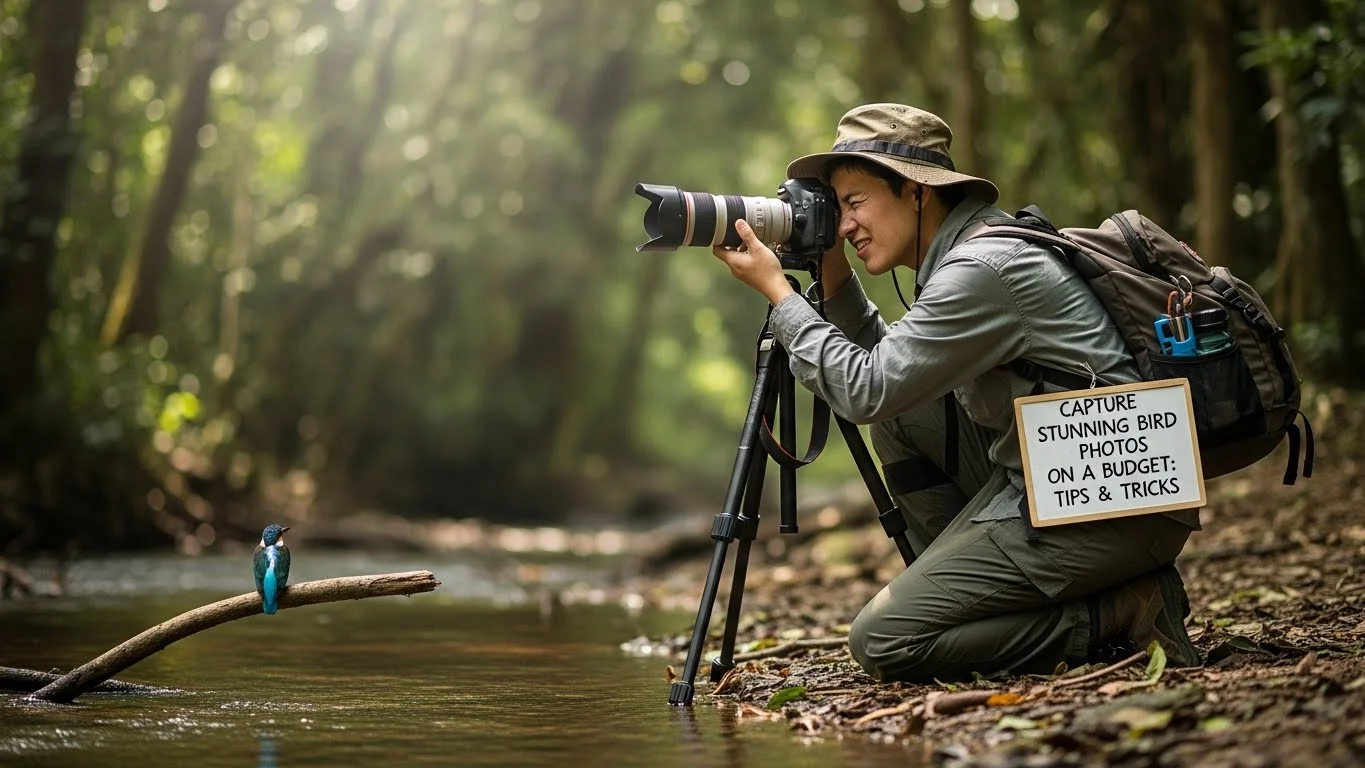
Understanding Bird Photography Basics
When I first started bird photography, I was overwhelmed by the sheer number of options for equipment and techniques. I remember standing in front of a store shelf, unsure of what I really needed. The good news is that you don’t need to be a pro to capture beautiful bird photos. Understanding a few basic concepts can make a world of difference in your journey.
Essential Gear for Bird Photography
Let’s start with gear. While it can be tempting to buy the latest and greatest equipment, I learned early on that what you really need are a few essentials that won’t break the bank. A decent camera is a must, but you don’t need a top-tier model. Many mid-range cameras offer excellent quality for bird photography. I used an older DSLR for years, and it served me well.
Besides the camera, a good lens is critical. For bird photography, a lens with a longer focal length can help you get that close-up shot without disturbing the birds. I remember investing in a 300mm lens, which opened up a whole new world for me. It was my go-to for capturing those little moments in nature.
Camera Types: DSLRs vs. Mirrorless
Choosing between a DSLR and a mirrorless camera can feel overwhelming. I’ve used both, and I can share my thoughts. DSLRs are great because they have a longer battery life and a more extensive range of lenses available. On the other hand, I found mirrorless cameras to be lighter and often faster in focusing. If you’re just starting, think about what feels comfortable for you. Try them out in a store if you can—it can really help you make a decision.
Choosing the Right Lens
The lens you choose can significantly impact your bird photography experience. As I explored different lenses, I found that a telephoto lens truly made a difference. It allows you to zoom in on birds without getting too close, which can scare them away. There are affordable options out there too; I once rented a lens before purchasing to see if it was right for me. It was a great way to test the waters without making a hefty investment.
Importance of Tripods and Stabilizers
Stability is vital in bird photography. I can’t tell you how many blurry images I took before investing in a sturdy tripod. A good tripod helps stabilize your camera, especially when you’re working with longer lenses. I also found that a monopod is a great alternative when I needed to move quickly. It’s lightweight and easier to carry, which is perfect for those long hikes in search of the perfect shot.
Budget-Friendly Options for Equipment
When it comes to budget, I’ve discovered many options to help keep costs down. For lenses, consider shopping for used gear. I’ve bought several lenses and camera bodies from online marketplaces and local stores, often in excellent condition. You can also look into third-party brands, which often offer good quality at a lower price than the big names. Don’t forget about accessories like camera straps and bags that can be found at reasonable prices.
Another option is to join local photography clubs or online forums. I remember a fellow photographer sharing tips on where to find discounted gear, and I was able to snag some fantastic deals. They often host events where you can test gear before buying it, which is a huge plus. You can really build your equipment slowly without spending a fortune right off the bat. Read Interesting article: Top Tips for Wildlife Photography in Scenic Landscapes
In my journey, I learned that bird photography is as much about patience and practice as it is about equipment. By focusing on the basics and making smart choices, I found joy in capturing the beauty of birds in flight. I hope these tips inspire you to start or continue your bird photography adventure without the financial stress. There’s a whole world waiting to be captured, and it’s more accessible than you might think.
Bird Watching Locations on a Budget
Finding the perfect spot to observe and photograph birds doesn’t have to cost a fortune. In fact, some of the best locations are right in our backyards or nearby parks. I’ve spent countless hours exploring various places, often discovering that the simplest locations yield the most incredible experiences.
Local Parks and Nature Reserves
Local parks and nature reserves are often underrated when it comes to bird photography. I remember visiting a small park near my home, which had a variety of habitats, from wetlands to woodlands. The diversity of environments attracted numerous bird species. I was thrilled to photograph everything from robins to herons without having to travel far or spend any money.
Many parks have established walking trails that make it easy to explore and observe birds without disturbing them. I’ve found that visiting during early mornings or late afternoons increases my chances of spotting birds, as they are often more active during these times. Plus, local parks usually have fewer crowds, allowing for a more peaceful experience.
Wildlife Refuges and Sanctuaries
Wildlife refuges and sanctuaries are fantastic places for bird photography. These locations are designed to protect and conserve wildlife, making them prime spots for birdwatchers. I once visited a sanctuary where I marveled at the sight of migratory birds nesting and feeding, providing me with some of my favorite photographs.
Many refuges offer free or low-cost admission, and they often have guided tours or programs that can enhance your experience. I recommend checking the schedule for any special events or talks, as they can provide insight into bird behaviors and habitats. It’s like having a built-in guide for your photography adventure!
Backyard Birdwatching Tips
Don’t underestimate the power of your own backyard. Setting up a bird feeder has been one of the best decisions I made for my bird photography. I started with a simple seed feeder and, over time, added a hummingbird feeder and a suet block. The variety of birds that visited was astonishing, and I didn’t have to travel at all!
To attract more birds, consider creating a welcoming environment. Planting native flowers or shrubs can provide food and shelter. I’ve also learned that a water source, like a bird bath, can be a magnet for feathered visitors. I often set up my camera near these spots and patiently wait for birds to arrive. It’s rewarding to capture them in their natural habitat right from my home.
Finding Hidden Gems in Your Area
Sometimes the best birding locations are hidden gems waiting to be discovered. I’ve made it a habit to explore lesser-known parks or even hiking trails that aren’t on the typical tourist maps. I remember a hike I took in a nearby nature trail where I stumbled upon a secluded pond. It was teeming with life—ducks, kingfishers, and even a nest of baby birds. I felt like I had unearthed a treasure!
To find these hidden gems, I encourage you to connect with local birdwatching groups or online communities. They can provide valuable insights into the best spots in your region. Social media platforms like Instagram or Facebook often have dedicated groups where members share their favorite locations. I’ve gained so much knowledge from fellow bird enthusiasts, and it has made my photography journey even more enjoyable. Read Interesting article: Explore Coastal Wonders: Budget-Friendly Photography Guide
In my experience, bird photography is not just about having the right gear; it’s also about being in the right place at the right time. By exploring local parks, wildlife refuges, and even your backyard, you can discover a wealth of opportunities to capture stunning bird images without breaking the bank. So grab your camera and start exploring! There’s a beautiful world of birds waiting for you to discover and photograph.
Timing and Conditions for Great Bird Photos
Timing and conditions can make or break your bird photography. I’ve learned that it’s not just about having the right gear; it’s also about capturing birds at the right moment and under the best circumstances. This part of my journey has taught me to appreciate the little details that can elevate my photos from ordinary to extraordinary.
Best Times of Day for Bird Photography
One of the first things I discovered was that the time of day plays a huge role in bird photography. I’ve noticed that early mornings and late afternoons are prime times. The light is softer and warmer during these golden hours, which adds a beautiful glow to my images. I remember waking up before dawn, coffee in hand, and heading out to my favorite local park. The world was quiet, and the birds were just starting to stir. Capturing them in that tranquil moment was magical.
During these times, birds tend to be more active, feeding and singing. I often plan my outings around these hours, and it’s paid off. I’ve gotten some of my best shots when I’ve been willing to rise early or stay out late.
Seasonal Considerations for Bird Watching
Seasonality also affects bird behavior, which in turn impacts photography. Each season brings different species and behaviors. I’ve found that spring is particularly exciting, as many birds are nesting and displaying courtship behaviors. I remember a spring day when I was fortunate enough to photograph a male bird performing an elaborate dance to attract a mate. Those moments are truly special.
In the fall, migration creates a flurry of activity as many species pass through on their way to warmer climates. I often check local migration maps to see which species might be in the area. It’s like a treasure hunt, and it keeps my photography fresh and exciting.
Weather Conditions and Their Impact
Weather can significantly impact my bird photography experience. On cloudy days, the light is diffused, which is great for reducing harsh shadows. I’ve taken some lovely shots under overcast skies, capturing the subtle colors of feathers that can sometimes be lost in bright sunlight. Rainy days can also work in my favor; I’ve enjoyed photographing birds during a light drizzle, where droplets cling to their feathers, adding a unique touch to my images.
However, I’ve learned that harsh sunlight can be tricky. Midday sun can create strong shadows and bright highlights that wash out details. I tend to avoid these times for serious photography, opting instead for some shade or waiting for a cloud to pass. Embracing the weather and being flexible in my approach has led to some of my favorite photographs.
Overall, being aware of the timing and conditions has helped me significantly in my bird photography journey. It’s about more than just the equipment; it’s about being present in nature and taking advantage of what it has to offer. I encourage you to pay attention to these details on your next outing. The rewards can be incredible, and you’ll find yourself capturing moments you might have missed otherwise.
Techniques for Capturing Stunning Bird Photos
Understanding Bird Behavior for Better Shots
Getting to know bird behavior is a game-changer for any photographer. I’ve spent countless hours observing birds in their natural habitats, and it has paid off immensely. Understanding their habits helps me predict their movements and get those perfect shots. For example, I learned that many birds tend to feed at certain times of the day and return to specific perches. By being patient and watching their routines, I was able to anticipate where they would be next.
Also, paying attention to their body language can clue you in on their mood. A bird fluffing its feathers might be getting ready to take flight, while one that’s preening is likely to be calmer and more stationary. This knowledge allows me to position myself better for that ultimate shot.
Mastering Composition Techniques
Composition is another essential aspect of bird photography. I’ve experimented with various techniques, like the rule of thirds, which helps create balanced and engaging images. I remember the first time I applied this technique; it transformed my photos from basic snapshots to more dynamic and interesting compositions.
Framing is also crucial. I often look for natural frames in the environment, like branches or leaves, to add depth to my images. This technique not only draws attention to the bird but also adds context to the shot. I’ve found that being creative with composition helps tell a story and makes my photos more compelling.
Using Natural Light Effectively
Natural light can be a photographer’s best friend, and I’ve learned to use it to my advantage. I always try to position myself so the light is behind me, illuminating the birds. This approach enhances details and colors, making the images pop. I’ve experimented with backlighting too, which can create a beautiful halo effect around feathers. However, it’s all about finding that balance and understanding how different lighting can affect the final image.
Focusing Techniques for Moving Subjects
Birds are often in motion, and mastering focusing techniques has been vital for me. I typically use continuous autofocus mode, which allows me to track moving birds as they fly or hop around. I remember the rush of capturing a soaring eagle against a clear blue sky, and having the right focus mode made all the difference in getting that sharp shot.
Another tip I’ve found useful is to pre-focus on a spot where I expect the bird to come. This technique has helped me catch those fleeting moments that can be gone in an instant. The more I practice, the better I get at predicting movements and capturing stunning images.
By understanding bird behavior, mastering composition, effectively using natural light, and honing my focusing techniques, I’ve improved my bird photography significantly. These skills take time and practice, but the results are worth the effort. I hope you’re excited to try these techniques on your next birding adventure, as there are countless beautiful moments waiting to be captured!
Edit and Enhance Your Bird Photos Without Breaking the Bank
Free Editing Software Options
Once I started capturing bird photos, I quickly realized that editing is just as important as the initial shot. Thankfully, there are plenty of free editing software options out there that can help us enhance our images without costing a dime. I found programs like GIMP and Paint.NET to be user-friendly and effective for beginners. They offer a variety of tools that allow for cropping, color correction, and some fun filters to make my images pop. I remember spending hours playing around with different adjustments until I found my own style.
If you’re looking for something simpler, I highly recommend trying out Canva. It’s primarily known for graphic design, but it has some great photo editing features. It’s super intuitive, and I love how easily I can create collages or add text to my bird photos. The user-friendly interface made my editing process enjoyable and less intimidating.
Basic Editing Techniques for Beginners
When I first started editing, I focused on a few key techniques that made a noticeable difference. One of my favorites is adjusting the brightness and contrast. I found that even a slight tweak can bring out the details in feathers and make colors more vibrant. I also learned to play with the saturation, which can really help the colors of the birds stand out without looking unnatural.
Cropping is another technique that I often use. Sometimes, the perfect shot can get lost in the background, so I learned to focus on the bird itself. I remember cutting out distractions from my images, which made the birds the main subject and enhanced the overall composition. It’s amazing how a simple crop can transform an image!
Using Mobile Apps for Quick Edits
For quick edits on the go, I’ve turned to mobile apps like Snapseed and Lightroom Mobile. These apps are fantastic for making adjustments right from my phone. Snapseed is particularly user-friendly; I can easily apply filters, adjust lighting, and even use selective editing to enhance specific areas of the photo. I’ve found that using these apps allows me to quickly share my bird photos on social media without compromising on quality.
Lightroom Mobile, on the other hand, offers powerful editing features that are similar to its desktop version. I love that I can sync my edits across devices, making it easy to work on my photos wherever I am. Both apps have helped me keep my editing process efficient, which means I spend less time behind a screen and more time enjoying nature.
Community and Resources for Bird Photographers
Online Forums and Social Media Groups
Connecting with fellow bird photographers has enriched my experience tremendously. I stumbled upon various online forums and social media groups dedicated to bird photography, and they’ve become a goldmine for inspiration and advice. I remember joining a Facebook group where members share their best shots, tips, and even local bird sightings. It’s great to get feedback on my photos and learn from others’ experiences.
Platforms like Reddit also have communities where photographers discuss gear, techniques, and share their photography journeys. Engaging in these discussions has not only improved my skills but also fostered friendships with other enthusiasts who share the same passion.
Bird Photography Workshops and Meetups
If you’re looking to learn more in a hands-on way, I highly recommend attending local workshops or meetups. I’ve participated in a few, and they were incredibly valuable. These gatherings often allow photographers of all skill levels to come together, share knowledge, and practice techniques in the field. I remember one workshop where we focused on capturing birds in flight. The instructor provided real-time feedback, which helped me make immediate improvements to my shots.
Books and Online Courses for Learning
Books and online courses can also be fantastic resources. I’ve read several books on bird photography that not only provide technical insights but also inspire creative thinking. Online courses, like those offered on platforms such as Udemy or Skillshare, can be a great way to learn at your own pace. I’ve found that investing time in learning from experts has helped me see significant progress in my photography skills.
Common Mistakes to Avoid in Bird Photography
Overlooking Safety and Ethics in Bird Photography
One of the most important lessons I’ve learned in bird photography is the importance of safety and ethics. It’s easy to get caught up in the moment and forget about the well-being of the birds and their habitats. I make it a priority to keep a respectful distance and avoid disturbing nesting sites. I’ve found that when we respect nature, we not only protect the birds but also increase our chances of getting better shots.
Ignoring Camera Settings and Their Effects
Another mistake I made early on was ignoring my camera settings. I often shot in auto mode, which led to inconsistent results. Understanding my camera’s settings, like ISO, shutter speed, and aperture, has been a game-changer. I recommend taking the time to learn these settings and experimenting with them to see how they affect my images. It can feel overwhelming at first, but the more I practiced, the more confident I became.
Failing to Research Birds and Their Habitats
Lastly, I learned the hard way that failing to research birds and their habitats can lead to missed opportunities. Knowing where to find specific species and understanding their behaviors can make all the difference. I often check local birdwatching websites or resources to stay informed about migrations and seasonal changes. This knowledge allows me to plan my outings effectively and increases the likelihood of capturing stunning images.
Final Thoughts
Bird photography has been a rewarding journey for me, filled with learning, patience, and a deep appreciation for nature. By understanding the basics, utilizing budget-friendly equipment, and honing my techniques, I’ve been able to capture beautiful moments without overspending. Connecting with a community of fellow enthusiasts has also enriched my experience, offering support and inspiration along the way. Whether you’re just starting out or looking to refine your skills, I hope these insights guide you in your own bird photography adventure. There’s a beautiful world out there just waiting for you to capture it! So grab your camera, get outside, and start exploring—you never know what stunning shots you might find!
Frequently Asked Questions
What essential gear do I need for bird photography?
For bird photography, a decent camera and a good lens are critical. You don’t need a top-tier camera; many mid-range models work excellently. A lens with a longer focal length, like a 300mm lens, is ideal for capturing close-up shots without disturbing the birds.
Should I choose a DSLR or a mirrorless camera for bird photography?
Both DSLRs and mirrorless cameras have their advantages. DSLRs tend to have longer battery life and a wider range of lenses, while mirrorless cameras are often lighter and faster in focusing. It’s best to try both types to see which feels more comfortable for you.
How can I find budget-friendly equipment for bird photography?
Consider shopping for used gear from online marketplaces or local stores, and explore third-party brands that offer quality at lower prices. Additionally, joining local photography clubs or online forums can provide tips on where to find discounted gear.
What are the best times of day for bird photography?
Early mornings and late afternoons are the prime times for bird photography. During these “golden hours,” the light is softer and warmer, and birds are often more active, making it an ideal time to capture stunning images.
How can I attract birds to my backyard for photography?
Setting up bird feeders is a great way to attract birds to your backyard. You can also create a welcoming environment by planting native flowers or shrubs and adding a water source like a bird bath, which can increase bird activity.
What editing software can I use for my bird photos?
There are several free editing software options available, such as GIMP and Paint.NET, which are user-friendly for beginners. Canva is also a good choice for simple edits and collages. For quick edits on mobile, apps like Snapseed and Lightroom Mobile are effective.
How can I improve my bird photography composition?
Experimenting with techniques like the rule of thirds can create balanced and engaging images. Additionally, look for natural frames in the environment to add depth and context to your shots.
What common mistakes should I avoid in bird photography?
Avoid overlooking safety and ethics by keeping a respectful distance from birds and their habitats. Additionally, don’t ignore your camera settings; understanding ISO, shutter speed, and aperture can greatly enhance your photos.
What role does understanding bird behavior play in photography?
Understanding bird behavior helps you predict their movements and capture better shots. Observing their habits and body language can give you clues about when and where they will be active, improving your chances of getting the perfect shot.
How can I connect with other bird photographers?
Joining online forums and social media groups dedicated to bird photography can provide inspiration and advice. Participating in local workshops and meetups is also a great way to learn hands-on and connect with fellow enthusiasts.