
Capturing stunning mountain moments doesn’t have to break the bank. With a few budget-friendly tips and techniques, you can elevate your photography game while exploring breathtaking landscapes! Read Interesting article: Essential Tips for Budget Underwater Adventure Photography
Understanding Mountain Photography
What Makes Mountain Photography Unique?
Mountain photography has a distinct charm that pulls at my heartstrings. The grandeur of towering peaks, the textures of rocky terrains, and the tranquility of untouched nature create a canvas that’s hard to resist. I believe what makes mountain photography unique is not just the scenery but also the profound sense of adventure it evokes. Each mountain tells a story, and capturing that story requires an understanding of the landscape itself. I’ve found that the way I approach mountain photography is to immerse myself in the environment, allowing myself to feel its essence. When I’m out there, I try to connect with the surroundings, which often inspires my compositions and angles.
The Importance of Light and Weather Conditions
One thing I’ve learned is that lighting and weather can make or break your shots. Early mornings and late afternoons are magical times for photography, known as the golden hours. I remember one trip where I woke up before dawn, trekking to a viewpoint just in time to see the sun rise over the mountains. The soft, warm light transformed the rugged landscape into a breathtaking scene. On the flip side, I’ve also faced really harsh midday sun, which can wash out colors and create unflattering shadows. I recommend keeping an eye on the weather forecast; cloud cover can create stunning moodiness in your photos, while a clear sky might offer vibrant blue backdrops. So, if you’re able to, choose a day with dynamic weather for more dramatic shots.
Essential Photography Equipment on a Budget
Choosing the Right Camera for Mountain Photography
When it comes to selecting a camera, I always tell my friends that it’s not about having the most expensive gear, but rather understanding what you have and how to use it. While DSLRs and mirrorless cameras are great, I’ve seen some stunning mountain shots taken with compact cameras. If you’re starting out, consider what suits your needs best. I’ve used my trusty DSLR for years, but I also keep a small point-and-shoot for hikes where I want to travel light. It’s about finding a balance between quality and convenience. Read Interesting article: 10 Budget-Friendly Tips for Stunning Wildlife Photography
Affordable Lenses for Landscape Shots
Lenses can significantly impact your mountain photography. A wide-angle lens is often my go-to for landscapes, allowing me to capture the vastness of the scene. I’ve found that you don’t need the latest model; older lenses can be just as effective. For those on a budget, consider looking for second-hand options. Some of my best finds have come from local photography shops or online marketplaces. A 24-70mm lens is versatile enough for most situations, and I’ve used it to catch everything from sweeping vistas to close-up nature details.
Tripods: Budget-Friendly Options
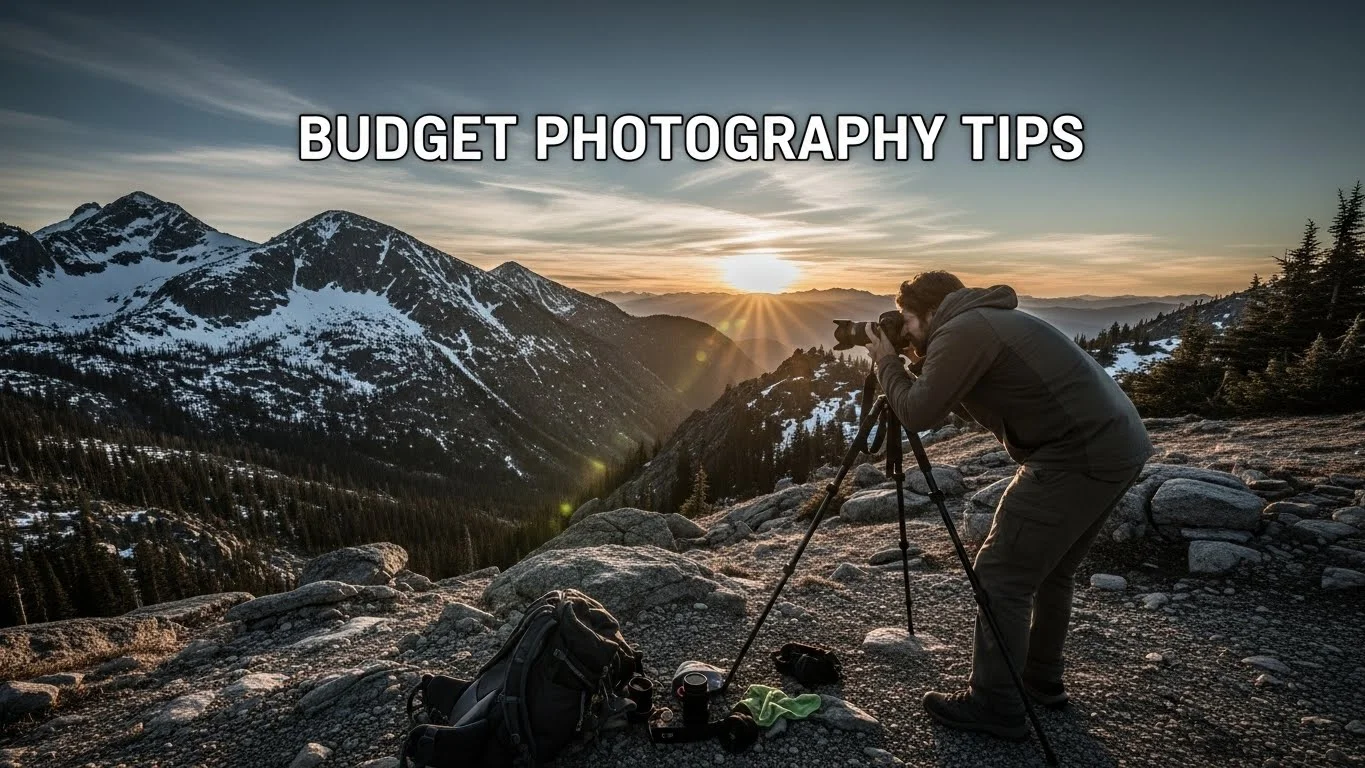
A sturdy tripod is essential, especially for long exposures or low-light situations. I learned this the hard way after capturing blurry images due to shaky hands! There are budget-friendly tripods out there that don’t compromise on stability. I remember splurging a bit on a lightweight aluminum tripod that has served me well on countless hikes. Make sure to look for something that fits your camera and can handle the weight of your gear. Sometimes, local rental shops offer gear at an affordable price, which could be a great option for trying different tripods without a full purchase.
Using Smartphones for Stunning Shots
Smartphones have come a long way in photography, and I can’t tell you how many impressive mountain photos I’ve taken with mine. I often find myself reaching for my phone because it’s lightweight and easy to carry. Modern smartphones have great cameras with various features like HDR and portrait modes, which can make your mountain shots pop. Additionally, there are numerous apps available that can help enhance your photos right on your phone. I usually edit my smartphone images with a free app that allows me to adjust exposure and contrast, which can really elevate the final result.
Budget-Friendly Photography Techniques
Mastering Composition in Mountain Landscapes
When I first started exploring mountain photography, I quickly realized that composition can make all the difference in capturing a breathtaking shot. One of my favorite techniques is the rule of thirds. By dividing the frame into a grid of nine equal parts, I place the horizon along one of the horizontal lines or position key elements like a tree or peak along the vertical lines. This creates a more balanced and engaging image. I remember standing atop a ridge, adjusting my position to catch the sun setting behind a mountain peak, and it made all the difference in how the photo turned out. Trust me, exploring different angles and framing can breathe new life into your images. Don’t be afraid to get low to the ground or climb a bit higher for a unique perspective. The beauty of mountain landscapes is how they change with your viewpoint.
Utilizing Natural Light Effectively
Natural light is our best friend as photographers, especially in the mountains. I’ve discovered that the quality of light can transform a scene from ordinary to extraordinary. For instance, shooting during the golden hour not only adds warmth to my photos but also enhances the textures of the landscape. I often scout my locations in advance and mentally note where the light will hit at different times of day. I remember one evening, I was at a scenic overlook just as the sun dipped behind the mountains. The entire sky lit up in hues of pink and orange, creating a magical backdrop for my shot. Reflections on lakes can also amplify the beauty of lighting. If you’re near water, try to capture the reflection of the mountains in the water during those golden hours for a truly stunning effect. Read Interesting article: Capture the Wild: Budget Tips for Wildlife Adventure Photography
Long Exposure Techniques Without High-End Gear
I used to think that capturing long exposure shots required expensive equipment, but I’ve learned that with a bit of creativity, you can achieve stunning results on a budget. A sturdy tripod is essential for this, as it stabilizes your camera during longer exposures. One of my favorite techniques is to shoot waterfalls or flowing streams with a slow shutter speed. By using a neutral density filter, I can reduce the light entering the lens and achieve that silky smooth effect, even during the day. I remember experimenting with various shutter speeds at a mountain waterfall, and each one produced a different mood in the water. I recommend starting with a shutter speed of around 1/4 to 1 second and adjusting as needed. Even if you don’t have a filter, you can still use longer exposures during low light conditions, like dawn or dusk, to create ethereal effects in your shots.
Best Mountain Locations for Budget Photography
National Parks to Explore
Visiting national parks is one of the best ways to experience mountain photography without breaking the bank. The entry fees are often reasonable, and the stunning landscapes are worth every penny. Some of my favorite parks include Rocky Mountain National Park in Colorado and Glacier National Park in Montana. I remember my trip to Glacier, where I hiked along the scenic trails, capturing the vibrant colors of wildflowers against the backdrop of towering peaks. Each park offers unique perspectives and diverse ecosystems, so planning visits to several parks can provide an array of photographic opportunities.
Publicly Accessible Trails and Viewpoints
Sometimes the best views come from simple, accessible trails. I’ve found numerous local hiking spots that boast breathtaking views without requiring a hefty entrance fee. Places like Mount Tamalpais in California or the Appalachian Trail offer amazing vistas and are free to explore. I often pack a lunch and make a day out of it, exploring different viewpoints along the way. I’ve captured some of my most cherished photos from these hidden trails. A little research can lead to discovering local gems that are often overlooked.
Hidden Gems Off the Beaten Path
While popular destinations attract many photographers, don’t underestimate the beauty of lesser-known locations. I once stumbled upon a secluded lake surrounded by mountains that was off the typical tourist route. The solitude allowed me to connect with the scenery in a way I hadn’t experienced before. I recommend checking out local tourism websites or social media groups focused on hiking and photography. You might be surprised at how many hidden spots there are waiting to be explored. It’s often in these quiet places that I find the most inspiring scenes, free from the crowds.
Planning Your Photography Trip
When to Visit for Optimal Conditions
Timing can make a world of difference when it comes to mountain photography. Over the years, I’ve learned that each season offers its own unique charm. For instance, summer often brings lush green valleys and vibrant wildflowers that can add bursts of color to your photos. I remember hiking during this season in the Cascades, where the landscape was alive with color and energy. Autumn, on the other hand, transforms the mountains into a canvas of fiery reds, oranges, and yellows. I find that planning my trips around the fall foliage can yield some truly stunning results. Winter provides a different kind of beauty, with snow blanketing the peaks, creating a serene and magical atmosphere. I often check seasonal guides and local photography blogs to find out the best times to visit particular locations. Understanding the seasonal changes in the mountains can help us capture the breathtaking beauty of each landscape throughout the year.
Budgeting for Travel and Accommodations
Traveling to mountain locations doesn’t have to be an expensive endeavor. I’ve discovered that planning ahead is key to keeping costs down. I often set a budget before each trip, factoring in transportation, accommodation, and food. When it comes to accommodations, I love exploring options like camping or staying at budget-friendly hostels. Not only do they save money, but they also provide a unique experience. I once camped in a national forest, waking up to the sounds of nature and breathtaking views just outside my tent. If camping isn’t your thing, consider platforms like Airbnb for affordable stays with local hosts. These options can often be more budget-friendly than hotels, and they allow us to immerse ourselves in the local culture more deeply.
Finding Free or Low-Cost Activities
Mountain photography can be paired with a host of free or low-cost activities that enhance the experience. I love taking advantage of the many free hiking trails and scenic viewpoints available. I often research online for local hikes or viewpoints that provide incredible views without any entry fees. Many national and state parks host free events, such as guided hikes or photography workshops, which can be a fantastic way to learn while exploring. I remember joining a free night photography session at a park, where I learned about capturing the stars and the Milky Way above the mountains. It’s a great way to meet fellow photography enthusiasts while keeping costs at bay. Additionally, I try to pack my meals for the day to avoid pricey dining. A simple picnic with a view can be more rewarding than a meal at a restaurant, plus it allows us to fully enjoy the natural beauty around us.
Post-Processing on a Budget
Free Photo Editing Software Options
After a day of capturing stunning mountain imagery, the fun doesn’t stop! Editing is a crucial step in bringing our photos to life, and I’ve found several free editing software options that are both powerful and user-friendly. My go-to is GIMP, which has a range of tools similar to more expensive programs. I remember initially being intimidated by it, but with a bit of practice, I was able to enhance my images significantly. Another favorite is Lightroom Mobile, which offers a free version packed with useful features for editing on the go. I often edit my smartphone photos right after a hike while the memories are still fresh. These tools help me adjust exposure, contrast, and saturation, making my mountain landscapes pop even more.
Basic Editing Techniques to Enhance Your Shots
Even with great shots right out of the camera, a little editing can elevate our images to new heights. I usually start with adjusting the brightness and contrast to bring out details in the shadows and highlights. Cropping is another crucial step; I often refine my composition during this stage, ensuring that the focus is where I want it. I remember transforming a good shot into a great one just by adjusting the crop and applying a subtle vignette to draw the viewer’s eye to the center of the frame. I also love to use filters sparingly to enhance the mood of my photos, especially when capturing dramatic skies. I believe that less is often more when it comes to editing; it’s essential to keep the natural feel of the landscape while improving its beauty.
Sharing and Showcasing Your Work
Utilizing Social Media for Exposure
Once I’ve edited my photos, sharing them is one of my favorite parts of the process. Social media platforms like Instagram and Facebook are fantastic for showcasing our mountain photography. I love using relevant hashtags and engaging with fellow photographers to increase my reach. I remember my first post that gained traction simply because I shared it in a photography group. It felt amazing to connect with others who appreciated the same beauty I did! I also recommend participating in photo challenges or contests, as they can provide motivation and exposure. Engaging with a community that shares similar interests has helped me grow as a photographer and learn new techniques.
Creating a Photography Portfolio on a Budget
Building a portfolio doesn’t have to cost a fortune. I started by creating a simple website using platforms like Wix or WordPress, which offer free templates. This space allows me to showcase my best work while telling my story as a photographer. I also love creating themed photo books using online services to compile my favorite mountain shots. These books not only serve as a personal keepsake but can also be great conversation starters. I remember gifting one to a friend who had inspired my love for mountain photography. Sharing my journey through both online and physical formats has helped me connect with others and open doors for potential collaborations.
Community and Resources for Mountain Photographers
Online Forums and Groups for Budget Tips
Being part of a community can greatly enhance our photography journey. I’ve found numerous online forums and groups dedicated to mountain photography, where members share tips, gear recommendations, and budget-friendly advice. Platforms like Reddit and Facebook host groups that are incredibly helpful. I remember posting a question about affordable gear and received a wealth of suggestions from experienced photographers. Engaging with a community not only expands our knowledge but also provides support and encouragement. It can be reassuring to know we’re not alone in our challenges and triumphs in photography.
Workshops and Meetups for Learning Opportunities
While some workshops can be pricey, many local photography clubs or parks host affordable or even free workshops. I’ve participated in several local meetups where experienced photographers shared their knowledge on various topics, from composition to editing techniques. These events often allow us to practice our skills in a friendly environment. I recall one workshop where we had a chance to shoot together at a scenic overlook; it was not only informative but also a lot of fun! Networking with fellow photographers can lead to opportunities for collaboration and learning, which is invaluable in our growth as artists.
Frequently Asked Questions
What makes mountain photography unique?
Mountain photography is unique due to the grandeur of towering peaks, the textures of rocky terrains, and the tranquility of untouched nature. It evokes a profound sense of adventure, as each mountain tells a story that requires an understanding of the landscape to capture effectively.
What are the best times for mountain photography?
The best times for mountain photography are during the golden hours, which are early mornings and late afternoons. During these times, the light is soft and warm, enhancing the beauty of the landscape.
What type of camera should I use for mountain photography on a budget?
When selecting a camera for mountain photography on a budget, it’s important to understand how to use what you have rather than focusing on expensive gear. DSLRs, mirrorless cameras, and even compact cameras can produce stunning shots depending on your needs and preferences.
What lens is recommended for landscape shots in mountain photography?
A wide-angle lens is often recommended for landscape shots as it allows you to capture the vastness of the scene. Older lenses can also be effective and can often be found as affordable second-hand options.
Why is a tripod important for mountain photography?
A sturdy tripod is essential for mountain photography, especially for long exposures or low-light situations. It helps stabilize your camera to avoid blurry images caused by shaky hands.
Can I use my smartphone for mountain photography?
Yes, modern smartphones have come a long way in photography and can be very effective for mountain photography. They are lightweight and easy to carry, often equipped with features like HDR and portrait modes, and editing apps are available to enhance your images.
What composition techniques should I master for mountain landscapes?
One effective composition technique is the rule of thirds, where you divide the frame into a grid and position key elements along the grid lines. Exploring different angles and viewpoints can also significantly enhance your images.
How can I capture long exposure shots on a budget?
Capturing long exposure shots on a budget requires a sturdy tripod to stabilize your camera. You can achieve stunning results with a slow shutter speed, even without expensive equipment, particularly during low light conditions.
What are some budget-friendly locations for mountain photography?
National parks, publicly accessible trails, and hidden gems off the beaten path are all great budget-friendly locations for mountain photography. These places often offer stunning views without requiring high entrance fees.
How can I find free or low-cost activities while mountain photography?
Look for free hiking trails, scenic viewpoints, and free events hosted by national or state parks, such as guided hikes or photography workshops. Packing your meals can also save money while enhancing your outdoor experience.