
Are you ready to dive into the captivating world of underwater photography without breaking the bank? Let’s explore how you can capture breathtaking underwater shots while keeping your adventure budget-friendly! Additionally, you might find some useful insights in our article on Affordable Underwater Wildlife Photography Tips for Backpackers.
Understanding Underwater Photography
What is Underwater Photography?
Underwater photography is a unique genre that involves capturing images beneath the surface of the water. I first discovered this fascinating form of photography during a snorkeling trip where I was amazed by the vibrant marine life and stunning underwater landscapes. With a little bit of practice and the right gear, anyone can delve into this captivating world. The beauty of underwater photography lies in its ability to reveal a hidden realm that often goes unnoticed. From colorful fish darting through coral reefs to the tranquility of underwater caves, there’s so much to explore and capture.
Importance of Underwater Photography
Underwater photography plays a significant role in raising awareness about marine environments and conservation. I’ve seen firsthand how sharing stunning images of underwater ecosystems can inspire people to appreciate and protect our oceans. These photos not only document the beauty of marine life but also highlight the threats they face due to pollution and climate change. When I share my underwater shots, I feel like I am contributing to a greater cause, encouraging others to take an interest in preserving these precious habitats. In a way, every picture I take is a call to action to help protect our underwater world. For more insights on this topic, check out Exploring Nature: Affordable Conservation Photography Tips.
Essential Gear for Budget Underwater Photography
Affordable Underwater Cameras
Investing in an underwater camera can feel daunting, especially if you’re on a budget. However, I’ve found that there are some great options available that won’t empty your wallet. Brands like Olympus and Panasonic offer affordable compact cameras that are waterproof up to certain depths. I remember my first underwater camera; it was a simple point-and-shoot, but it provided me with fantastic images without costing a fortune. Make sure to check reviews and consider second-hand options as well. You can often find great deals on used equipment that still performs excellently.
Using GoPro and Action Cameras
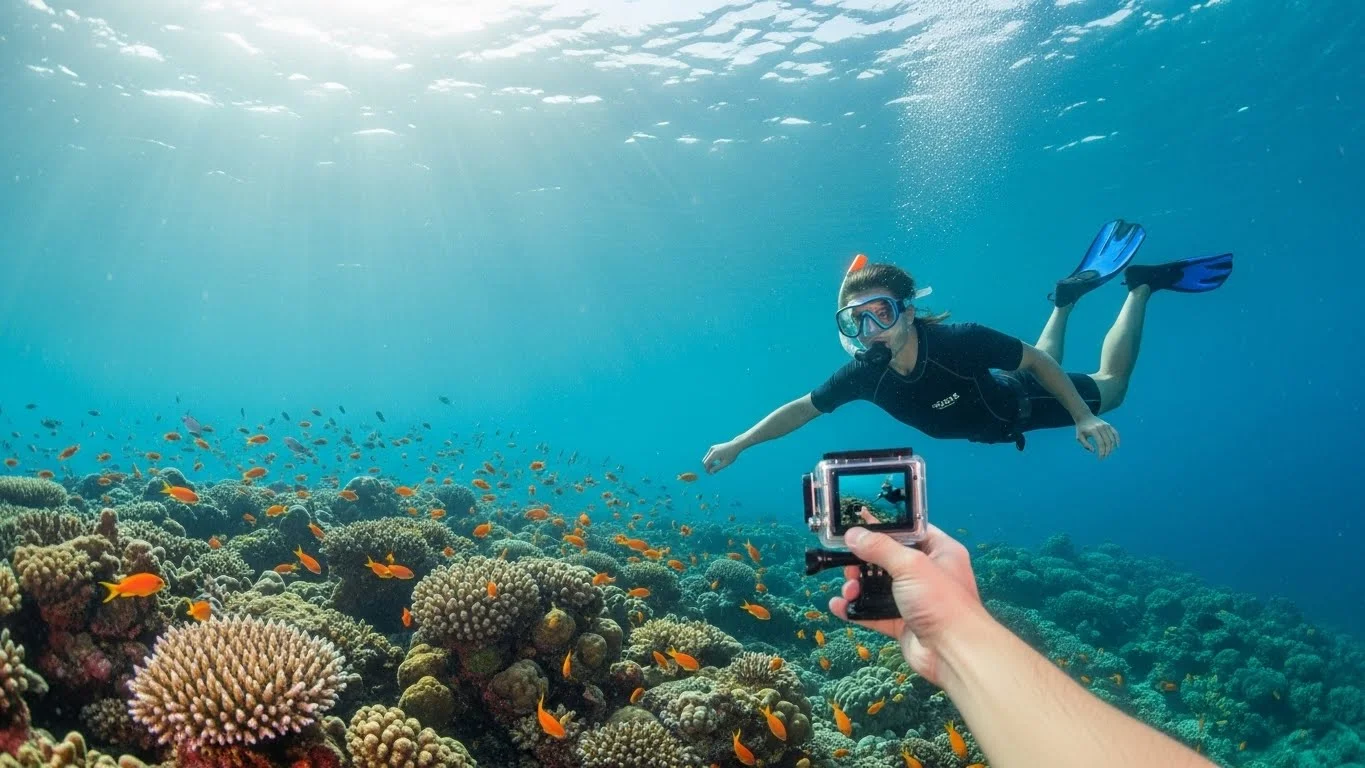
GoPro cameras have become synonymous with adventure photography, and for good reason. They are compact, durable, and, with the right housing, can be taken underwater. I love using my GoPro for underwater photography because it’s so versatile. The wide-angle lens captures stunning landscapes and schools of fish, and it’s small enough to take anywhere. Plus, there are plenty of budget-friendly alternatives to GoPro that offer similar features. These action cameras are perfect for capturing your adventures without needing a big investment.
Waterproof Smartphone Options
Believe it or not, some smartphones are designed for underwater use. I was thrilled when I discovered that my phone could withstand a dip in the pool or ocean. Many modern smartphones have great cameras and can produce impressive images underwater. Just remember to use a reliable waterproof case. I’ve learned the hard way that a good case is essential for protecting your device from water damage. This way, you can capture spontaneous moments, like a school of fish swimming by or the beauty of the coral below.
DIY Solutions for Waterproofing
If you’re feeling crafty, there are DIY solutions for waterproofing your gear. I once tried using a resealable plastic bag for my smartphone, and it worked surprisingly well for shallow water shots. Just make sure to test it beforehand to avoid any mishaps. Alternatively, you can make a simple housing for your camera using waterproof materials available at craft stores. I’ve seen many photographers online share their creative DIY setups, and it’s a fun way to save some cash while still enjoying underwater photography.
Best Budget Accessories for Underwater Photography
Underwater Lenses and Filters
Using filters can enhance your underwater images by correcting the color distortions that occur underwater. I remember the first time I used a red filter; it transformed my photos, making the vibrant colors of the coral pop beautifully. There are affordable filters available that can fit various camera models. If you’re using an action camera, check for lens attachments that can improve your shots. These budget-friendly accessories can help elevate your photography without requiring a hefty investment.
Lighting Techniques on a Budget
Lighting can be tricky underwater since the deeper you go, the less natural light reaches you. I’ve learned to use portable video lights to enhance my underwater shots. These lights are relatively affordable and can make a significant difference in the quality of your images. If that’s outside your budget, consider the time of day you’re shooting. Early morning or late afternoon provides beautiful natural light that can illuminate your underwater scenes without needing additional equipment.
Stabilizers and Tripods
Keeping your camera steady is crucial in underwater photography to avoid blurry images. I’ve found that using a stabilizer or a lightweight tripod can really help, especially when shooting in lower-light conditions. There are many affordable options available, so you don’t have to spend a fortune. If you’re diving or snorkeling, you can even try creating a stabilizer using buoyancy aids like a float. I’ve experimented with various setups and found that a little creativity goes a long way.
Choosing the Right Location for Underwater Photography
Top Budget-Friendly Diving Spots
Choosing the right location can make a huge difference in your underwater photography experience. I’ve had the chance to explore some amazing budget-friendly diving spots, and they’ve all offered unique opportunities for capturing stunning images. For instance, I remember my trip to Cozumel, Mexico, where I found a variety of dive shops offering affordable packages. The vibrant coral reefs and diverse marine life made it easy to get fantastic shots without spending a fortune. Also, consider the visibility and water conditions when selecting a dive spot. Ideally, you want clear water to ensure your images come out sharp and colorful. You could also explore Top Destinations for Affordable Wildlife Adventure Photography for more ideas.
Natural Lakes and Rivers
Don’t overlook the beauty of natural lakes and rivers for underwater photography. I’ve discovered some hidden gems in my area that offered surprisingly beautiful underwater scenes. The clarity of the water can vary, but I found that early mornings are the best time to shoot. I had an exhilarating experience capturing the reflections and underwater plants in a local lake. Plus, these locations often have fewer crowds, allowing for a peaceful photography session. If you’re adventurous, you might even explore freshwater springs, where the water is crystal clear and brimming with life.
Local Beaches and Marine Parks
Local beaches and marine parks are fantastic options for budget underwater photography. I remember visiting a nearby marine park where entrance fees were minimal, but the underwater scenery was absolutely breathtaking. The park was teeming with fish, and the coral formations were beautiful. I suggest checking out local beach conditions and looking for areas with fewer tourists to avoid crowded shots. It’s amazing how much beauty can be found in our own backyards if we take the time to explore!
Photography Techniques for Stunning Underwater Shots
Understanding Lighting Underwater
Lighting is one of the most critical aspects of underwater photography. I’ve learned that natural light diminishes rapidly as you go deeper, which can dramatically affect your images. During my experiences, I often aimed to shoot in shallow waters where sunlight still penetrated, creating bright, vibrant shots. If you’re diving deeper, I recommend using artificial lights or strobes to illuminate your subject. I’ve found that experimenting with different angles and distances from the light source can create some truly stunning effects.
Composition Tips for Underwater Photography
Composition is just as essential underwater as it is on land. I remember feeling overwhelmed with how to frame my shots initially, but I found a few techniques that helped me improve. Always keep the rule of thirds in mind; it’s a simple way to create dynamic images. I also learned to include interesting foreground elements, like rocks or plants, to add depth to my photos. And don’t forget to get close to your subjects! Underwater photography often benefits from being as close as possible to reduce the amount of water distortion and enhance the details.
Using Natural Elements for Unique Shots
Nature offers endless opportunities for unique underwater shots. I’ve had incredible luck finding vibrant underwater flora and fauna that added a special touch to my photos. For instance, I once captured an image of a colorful sea fan swaying with the current, creating a magical effect. I also enjoy incorporating the textures of the ocean floor or interesting rock formations into my compositions. By observing your surroundings and being creative with the natural elements, you can create stunning photographs that truly showcase the underwater world.
Editing Your Underwater Photos on a Budget
Free and Low-Cost Editing Software
Once I’ve captured my underwater images, the next step is editing. I’ve discovered several free and low-cost editing software options that allow me to enhance my photos without breaking the bank. Programs like GIMP and Canva have become my go-to tools. They offer user-friendly interfaces and plenty of features to help adjust brightness, contrast, and color saturation. I’ve found that even simple edits can significantly improve the overall quality of my images.
Basic Editing Techniques for Underwater Photos
When editing underwater photos, I focus on a few basic techniques. First, I usually adjust the white balance to counteract the blue tones that can dominate underwater images. I’ve learned that enhancing brightness and contrast can also make colors pop and add depth. Cropping is another important step; I like to remove distractions from the edges of my frame to keep the viewer’s focus on the main subject. With practice, I’ve noticed that these simple edits can elevate my underwater shots.
Enhancing Colors and Contrast in Underwater Images
One of the most rewarding aspects of editing underwater photos is the ability to enhance colors and contrast. I love bringing out the vibrant hues of coral and marine life. I’ve found that using saturation sliders carefully can create stunning results without making the image look unrealistic. Additionally, adjusting the contrast can help define shapes and make the subject stand out more. I often spend time fine-tuning these elements to ensure my photos reflect the true beauty I experienced underwater.
Safety Tips for Underwater Photography
Understanding Water Safety
When I first started underwater photography, I quickly learned that safety should always be my top priority. Understanding water safety is crucial, especially when you’re exploring new dive sites or swimming in unfamiliar waters. I always make sure to dive with a buddy; it’s not just more enjoyable, but it’s also a safety net in case something goes wrong. Knowing the current, weather conditions, and potential hazards is vital before diving. I remember reading local dive reports or asking dive shop staff about conditions, which gave me a clearer idea of what to expect. It’s also a good habit to communicate with your buddy about your plans and any concerns you may have.
Equipment Safety Precautions
Taking care of your gear is just as important as your personal safety. I’ve had some close calls where I almost dropped my camera, and I can tell you, it’s a heart-stopping moment! To avoid such situations, I always use a secure strap or lanyard for my camera. It’s easy to forget how slippery everything can be underwater, and having that extra layer of security gives me peace of mind. Additionally, I make it a point to regularly check my equipment for any leaks or damage, especially after a dive. I recall the time I neglected to check my housing before an outing, only to be met with a small flood mid-dive. Thankfully, I had a backup camera, but it taught me to be diligent!
Dealing with Marine Life Responsibly
Encountering marine life can be one of the most exhilarating parts of underwater photography, but it’s essential to interact with them responsibly. I’ve been fortunate enough to swim alongside turtles and colorful fish, but I always respect their space. I’ve learned not to chase or touch marine animals, as it can stress them out and disrupt their natural behavior. Whenever I spot something interesting, I try to observe and capture the moment without disturbing their habitat. We are guests in their world, after all! I also make sure to educate myself about the local ecosystem and any protected species in the area. This knowledge has transformed my photography sessions into meaningful experiences, highlighting the beauty and fragility of marine life.
Sharing Your Underwater Photography
Best Platforms for Showcasing Your Photos
Once I’ve edited my underwater photos, sharing them is one of the most rewarding parts of the process. I’ve found several platforms that cater specifically to photographers, making it easy to showcase my work. Instagram is one of my favorites; it’s visually driven and allows me to connect with a broad audience. I love using hashtags related to underwater photography to reach others in the community. Additionally, I’ve created a personal website as an online portfolio. It’s a fantastic way to display my underwater work in a more organized manner, and I enjoy customizing it to reflect my style. Websites like Flickr and 500px are also great alternatives for photographers looking to share their images and connect with others.
Building a Photography Portfolio on a Budget
Creating a photography portfolio doesn’t have to cost a fortune. I began by using free website builders like Wix and WordPress, which allowed me to showcase my images without the need for extensive design knowledge. I recommend organizing your portfolio by themes or locations, making it visually appealing and easy for viewers to navigate. I also include a few lines about each photo, sharing the story behind the shot, which helps engage my audience. It’s been exciting to see how much my portfolio has evolved over time, and it’s a great way to track my growth as a photographer.
Engaging with the Underwater Photography Community
Connecting with fellow underwater photography enthusiasts has enriched my experiences. I’ve joined online groups and forums where photographers share tips, critiques, and support each other’s work. Participating in these communities has not only helped me improve my skills but has also introduced me to amazing friendships and collaborations. I remember attending a local photography meet-up where we discussed our favorite techniques and even planned a group dive. These interactions have inspired me to push my creative boundaries and explore new ideas in my photography.
Final Thoughts
As I reflect on my journey through underwater photography, I’m filled with gratitude for the experiences I’ve had and the lessons I’ve learned. Diving into this unique art form has opened up a world of wonder beneath the waves, and I truly believe that anyone can capture the stunning beauty of the underwater realm without spending a fortune. I’ve seen how simple techniques, affordable gear, and a little creativity can make a significant impact on the quality of our photographs.
It’s not just about the equipment or the perfect location; it’s about connecting with nature and expressing that connection through our photos. Each time I submerge myself, I’m reminded of the fragility of marine life and the importance of conservation. These experiences have deepened my appreciation for our oceans and motivated me to advocate for their protection through my photography.
Sharing my work has also brought me joy. The support from fellow photographers and the positive feedback from friends and family inspire me to keep improving. Engaging with the underwater photography community has not only expanded my knowledge but has also led to lasting friendships and collaborations that have enriched my journey.
So, whether you’re just starting out or are looking to enhance your skills, I encourage you to embrace the adventure. Explore local spots, experiment with different techniques, and don’t be afraid to share your images with the world. With each shot, you’re not just capturing a moment; you’re telling a story about a hidden world that deserves to be seen and celebrated. Let’s continue to inspire each other and protect our beautiful underwater ecosystems together!
Frequently Asked Questions
What is underwater photography?
Underwater photography is a unique genre that involves capturing images beneath the surface of the water, revealing a hidden realm filled with vibrant marine life and stunning underwater landscapes.
Why is underwater photography important?
Underwater photography raises awareness about marine environments and conservation by documenting the beauty of marine life and highlighting threats they face due to pollution and climate change.
What are some affordable options for underwater cameras?
Brands like Olympus and Panasonic offer affordable compact cameras that are waterproof up to certain depths. Additionally, checking reviews and considering second-hand options can lead to great deals on used equipment.
Can I use my smartphone for underwater photography?
Yes, many modern smartphones are designed for underwater use and can produce impressive images with the addition of a reliable waterproof case to protect against water damage.
What DIY solutions exist for waterproofing gear?
DIY solutions include using a resealable plastic bag for smartphones or creating a simple housing for cameras using waterproof materials available at craft stores.
How can I improve my underwater photography with budget accessories?
Using filters can enhance images by correcting color distortions, and affordable portable video lights can improve lighting quality. Stabilizers or lightweight tripods can also help keep your camera steady.
What are some budget-friendly locations for underwater photography?
Top budget-friendly locations include Cozumel, Mexico, local natural lakes and rivers, and nearby beaches or marine parks that offer beautiful underwater scenery at minimal costs.
What photography techniques should I consider for underwater shots?
Understanding lighting is crucial, as natural light diminishes with depth. Composition techniques, such as the rule of thirds and getting close to subjects, can also enhance the quality of underwater images.
What editing software can I use for underwater photos on a budget?
Free and low-cost editing software options like GIMP and Canva allow for enhancements such as adjusting brightness, contrast, and white balance to improve underwater images.
What safety precautions should I take while underwater photography?
Prioritize safety by diving with a buddy, understanding water conditions, securing your equipment, and interacting with marine life responsibly to avoid causing stress to the animals.