
Capturing breathtaking aerial views can transform ordinary scenery into extraordinary visuals. Whether you’re a seasoned photographer or a curious traveler, finding the perfect locations for aerial photography can lead to stunning results. Discover the Best Aerial Photography Spots Around the World to enhance your experience.
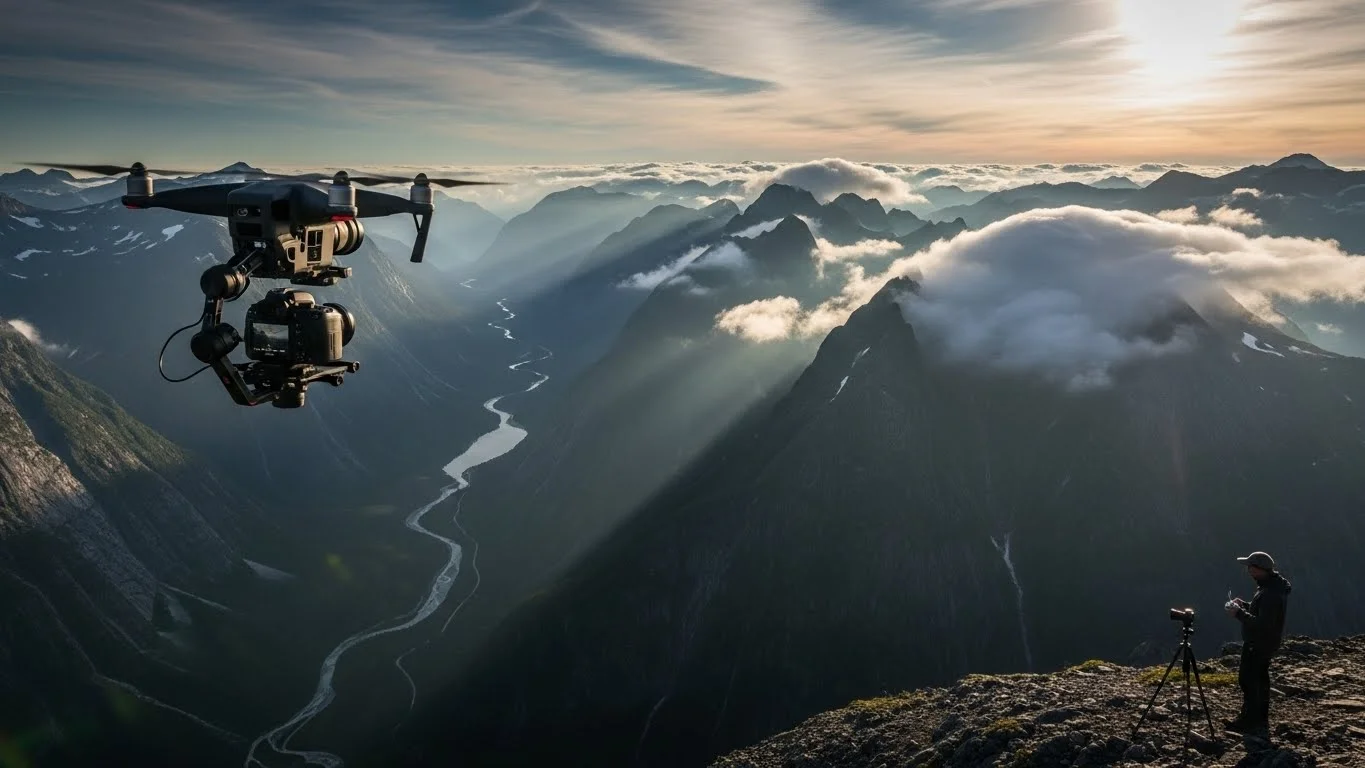
Introduction to Aerial Photography
What is Aerial Photography?
Aerial photography is the art of capturing images from above, often using drones, helicopters, or planes. I remember the first time I experienced how a different perspective could change everything. Standing on the edge of a cliff, I watched as the landscape unfolded beneath me. The sweeping curves of the rivers and the patchwork of fields looked almost like a painting. It’s a unique way to document the world, offering a bird’s-eye view that allows us to appreciate the beauty and complexity of our surroundings. I believe aerial photography adds a layer of depth to our visual storytelling, making it an exciting medium for both professional photographers and hobbyists alike.
Importance of Aerial Photography in Visual Storytelling
Aerial photography has a powerful role in visual storytelling. It captures the scale and intricacies of a location that ground-level shots simply can’t convey. For example, I’ve seen how a single aerial shot can tell a story of urban development, environmental changes, or historical significance. It has the ability to evoke emotion and provoke thought. When I look at aerial images, I often find myself pondering the stories behind the landscapes—who walked those fields, what events unfolded in those bustling city streets, or how nature has shaped our world over time. This storytelling aspect is what draws many of us to this art form, allowing us to connect more deeply with what we see.
Top Aerial Photography Locations Around the World
Iconic Urban Landscapes
New York City: The Skyline from Above
New York City is one of my favorite places for aerial photography. The skyline is iconic, and from above, it looks like a maze of steel and glass. I remember taking a helicopter tour, and as we soared over Manhattan, the view of the Empire State Building and Central Park was breathtaking. The contrast between the grid of streets and the lush greenery of the park was something I hadn’t fully appreciated until I saw it from the skies. If you have the chance to visit, sunrise and sunset are magical times to shoot. The golden hour light reflects beautifully off the skyscrapers, creating a warm glow that enhances the city’s energy.
Tokyo: A Blend of Tradition and Modernity
Tokyo offers a unique blend of tradition and modernity that is fascinating to capture from above. The juxtaposition of ancient temples surrounded by towering skyscrapers is something truly special. I remember hovering above the Senso-ji Temple, where the vibrant colors of the pagoda stood out against the sea of modern architecture. It was a reminder of how history coexists with the future. The city is known for its intricate street patterns, which create a stunning visual tapestry when viewed from the air. For me, capturing Tokyo’s essence through aerial photography was an experience that deepened my appreciation for this bustling metropolis.
Dubai: Architectural Wonders and Desert Landscapes
Dubai is another incredible location for aerial shots. The architectural wonders, like the Burj Khalifa and the Burj Al Arab, are even more impressive when viewed from above. I had the opportunity to fly over the Palm Jumeirah, and the symmetry of the man-made island was surreal. The contrast between the blue waters of the Arabian Gulf and the golden sands of the desert creates a stunning visual palette. The best time to capture Dubai’s beauty is during the golden hours when the sun casts long shadows and enhances the city’s futuristic vibe. I felt transported to another world, a place where innovation meets tradition.
Breathtaking Natural Landscapes
The Grand Canyon: A Geological Marvel
The Grand Canyon is a must-visit for anyone interested in aerial photography. The vastness of the canyon, with its layers of colorful rock, tells a story of time and nature. I took a small plane tour, and as we flew over, I was amazed at how the shadows danced across the canyon walls. The play of light and color from different angles offers a plethora of photo opportunities. I learned that early morning or late afternoon is the best time to capture the canyon’s beauty, as the lower sun creates depth and dimension in the landscape.
Victoria Falls: The World’s Largest Waterfall
Victoria Falls is another spectacular location for aerial photography. The sheer power of the waterfall is awe-inspiring. From above, you can see how the Zambezi River carves through the landscape, leading to the dramatic drop that creates one of the natural wonders of the world. I found that the mist rising from the falls creates a beautiful effect, especially during sunrise when the light filters through. Capturing the falls from a helicopter gave me a sense of scale that I couldn’t imagine from the ground. It’s an experience that stays with you long after you’ve left.
Mount Everest: The Roof of the World
For those seeking adventure, aerial photography of Mount Everest is unparalleled. The majestic peaks surrounded by clouds create a dramatic scene. I’ve read about photographers who trek to base camp to capture the mountain from above, and the effort is worth it. The unique perspective highlights the rugged terrain and the serene beauty of the Himalayas. I believe capturing Everest is not just about the mountain itself but also about the journey to get there. The experience deepens the connection to nature and the incredible force it represents.
Unique Aerial Views of Historical Sites
Machu Picchu: Inca Architecture Amidst the Andes
Machu Picchu is a dream location for anyone interested in aerial photography, and I can’t emphasize enough how magical it is to see this ancient site from above. The way the ruins sit perched high in the Andes Mountains is nothing short of breathtaking. I remember hiking the Inca Trail, my anticipation growing with each step, but when I finally reached the viewpoint, the aerial perspective added a whole new layer to the experience. From that height, the site looks like a puzzle piece nestled in the lush green mountains, surrounded by peaks that seem to touch the sky. The early morning mist rolling in and out of the ruins creates an ethereal scene that is perfect for capturing stunning photographs. I recommend taking a helicopter tour if you want to see Machu Picchu from a unique angle—the sweeping views are unforgettable.
The Pyramids of Giza: Ancient Wonders from Above
When I was able to capture aerial shots of the Pyramids of Giza, it felt like a moment frozen in time. The pyramids themselves are monumental, but seeing them from the air allows you to appreciate their scale and the surrounding desert landscape. I remember the thrill as I flew over the Great Pyramid, noticing how the sand formed patterns that complemented the geometric shapes below. The contrast of the vibrant blue sky against the golden sands is something I will never forget. For anyone interested in history and architecture, capturing the pyramids from above is a breathtaking experience that showcases the ingenuity of the ancient Egyptians. The sight reinforces the idea of these structures being crafted with incredible precision and purpose.
Angkor Wat: A Temple Complex Through the Lens
Visiting Angkor Wat was a highlight of my travels, and capturing it from the air was a thrill. The sheer size of the temple complex is astonishing, and from above, you can see how it blends into the surrounding jungle. I’ll never forget the moment I hovered above this UNESCO World Heritage site, taking in the intricate carvings and the layout of the structures. The symmetry of the temple reflects the architectural genius of its creators. The best time to photograph Angkor Wat aerially is at sunrise when the first light casts a golden hue over the stone and the surrounding water. The reflections create a stunning visual that is a photographer’s dream. I felt a deep connection to the history of the place, and capturing it from the air added a layer of depth to my photos.
Best Practices for Aerial Photography
Choosing the Right Equipment
Cameras and Lenses for Aerial Shots
When it comes to aerial photography, having the right equipment can make a world of difference. I’ve learned that while drones are a popular choice, using a good camera with the right lens is also crucial. For aerial shots, I recommend a camera that can shoot high-resolution images, as well as lenses that allow for versatility in focal lengths. My favorite lens for aerial photography is a wide-angle lens; it captures the expansive landscapes beautifully. I remember one particular trip when I used a 24-70mm lens, and it allowed me to get close-ups of interesting patterns in the landscape while also capturing broad vistas. Investing in quality gear is essential for capturing those stunning shots that make you feel like you’re flying.
Using Drones for Stunning Aerial Imagery
Drones have revolutionized aerial photography, and I can personally attest to the freedom they offer. I still remember my first time piloting a drone over a beautiful coastline. The ability to control the angle and height gave me the chance to capture unique perspectives that simply wouldn’t be possible otherwise. When using a drone, I always ensure to check local regulations and guidelines before flying. I’ve learned that understanding the restrictions in a given area can help prevent any issues and make for a smoother experience. Also, practicing flying your drone in open spaces before capturing your intended shots helps to build confidence and skill. It’s amazing how much creativity you can unlock when you explore with a drone!
Techniques for Capturing Stunning Aerial Photos
Understanding Composition in Aerial Photography
Composition is key in aerial photography, just like in any other form of photography. I’ve found that applying the rule of thirds can create more dynamic images. When I shoot from above, I try to place key elements along the grid lines or at their intersections. This technique helps to draw the viewer’s eye across the frame. I also like to experiment with leading lines—like roads or rivers—that guide the viewer’s attention to the focal point of the image. Aerial photography allows for creative compositions that can shift dramatically with just a slight change in angle, which is part of what makes it so exciting.
Lighting Considerations for Aerial Shots
Lighting plays a vital role in aerial photography. I’ve noticed that the best times to shoot are during the golden hour—early morning or late afternoon—when the light is softer and adds warmth to the landscape. I remember capturing a sunrise over a mountain range, and the way the first rays of light illuminated the peaks was magical. It’s important to be aware of shadows as well; they can add depth but can also obscure details if the light is too harsh. I often adjust my flight times to ensure I’m working with the most flattering light conditions for my photos.
Timing: The Best Times to Shoot Aerial Photographs
Timing is everything, especially in aerial photography. I’ve learned to be patient, waiting for the right moment to capture the scene. For example, certain locations may look vastly different depending on the season or time of day. I found that shooting over a vibrant fall landscape can yield stunning colors that simply wouldn’t appear in the starkness of winter. Planning for specific times, such as during a festival or event, can also yield unique opportunities. I always keep a flexible schedule to allow for spontaneous moments that can lead to remarkable images.
Planning Your Aerial Photography Trip
When to Visit Popular Aerial Photography Locations
Planning the timing of your trip can make all the difference in your aerial photography experience. I’ve often noticed that different seasons can drastically change the scenery and the type of shots you can capture. For instance, visiting places like New England during the fall gives you a chance to photograph vibrant autumn foliage that transforms the landscape into a canvas of reds, oranges, and yellows. I remember capturing a series of shots of a quaint town nestled among the hills, and the colors were just breathtaking. Meanwhile, visiting a coastal area during the summer can provide stunning azure waters and clear skies that are perfect for aerial shots.
Also, consider local climate and weather patterns. I’ve learned the hard way that overcast days can create flat images, so checking forecasts ahead of time is essential. In some cases, I’ve found that a little rain can add a unique perspective; for example, shooting over a city right after a downpour can lead to reflections and a different mood in your photos. Always keep an eye on the weather to ensure you’re set up for success!
Permits and Regulations for Aerial Photography
When planning your aerial photography trip, it’s crucial to be aware of the legalities involved. I remember the excitement of flying my drone over a beautiful national park, but I quickly learned that many places have strict regulations regarding drone use. Before heading out, I always check the local rules and regulations for aerial photography in the area I’m visiting. Some locations require permits, especially if you’re flying a drone, while others might have specific times when flying is prohibited.
For instance, I discovered that many national parks in the U.S. do not allow drone flights at all, which was a bit disappointing initially. But understanding these rules helps avoid potential fines or issues with authorities. Additionally, I recommend looking for local resources or websites that provide updated information on no-fly zones and restricted areas. By doing your research, you can enjoy your adventure without worries and focus on capturing those stunning shots!
Local Guides and Tours for Aerial Photography
Sometimes, enlisting a local guide or joining a photography tour can take your aerial photography experience to the next level. I remember when I visited Iceland; I joined a guided tour specifically focused on aerial photography. Not only did the local guide take us to some of the best spots, but they also shared invaluable tips about the landscape and lighting conditions that I might not have discovered on my own. I felt like I was gaining insights that would enhance my photography skills while enjoying the breathtaking views!
Whether it’s a helicopter tour over the Grand Canyon or a guided drone photography expedition in the Maldives, having someone familiar with the area can help you maximize your time and creativity. I also recommend connecting with local photographers through social media or photography forums before you travel. They often have recommendations for the best spots and hidden gems that make for striking aerial photographs.
Read Interesting article: Top 10 Breathtaking Locations for Aerial Photography
Editing and Post-Processing Aerial Photos
Software Options for Aerial Photography Editing
Once I’ve captured my aerial photos, the editing process becomes a crucial part of making those images pop. I’ve experimented with various software options, but I often find myself gravitating toward Adobe Lightroom and Photoshop. Lightroom is fantastic for batch editing and adjusting exposure, contrast, and colors without sacrificing quality. I remember when I first learned how to use the adjustment brush to enhance specific areas in my aerial shots, and it opened up a whole new world of creativity.
Photoshop, on the other hand, allows for more in-depth editing, like removing unwanted elements or creating composites. For me, using both programs in tandem can elevate my photographs to a new level. I suggest starting with Lightroom for basic adjustments and then transitioning to Photoshop for more detailed work. There’s something so satisfying about enhancing an image and bringing it closer to the vision I had in mind when I took the shot.
Techniques for Enhancing Aerial Images
Enhancing aerial images is more than just making them look pretty—it’s about conveying the feeling and story behind the shot. I often start with basic adjustments like cropping for better composition, adjusting contrast to make the colors stand out, and fine-tuning white balance to get the hues just right. I remember one particular image of a lush green valley where I adjusted the vibrance to bring out the rich greens without making them look unnatural.
Another technique I love is using graduated filters to enhance skies. It’s amazing how a simple adjustment can add drama to a photo and help capture the mood of the moment. Shadows can be emphasized to add depth to the landscape, while highlights can bring attention to specific details I want viewers to notice. Experimenting with these techniques has dramatically improved my aerial photography, allowing me to share a piece of my experience with others.
Frequently Asked Questions
What is aerial photography?
Aerial photography is the art of capturing images from above, often using drones, helicopters, or planes. It offers a unique perspective of the landscape, allowing for a different appreciation of beauty and complexity in our surroundings.
Why is aerial photography important in visual storytelling?
Aerial photography plays a significant role in visual storytelling as it captures the scale and intricacies of a location that ground-level shots cannot convey. It can evoke emotion and provoke thought, allowing viewers to ponder the stories behind the landscapes.
What are some iconic urban locations for aerial photography?
Iconic urban locations for aerial photography include New York City, Tokyo, and Dubai. Each city offers unique architectural and cultural elements that can be captured beautifully from above.
What natural landscapes are recommended for aerial photography?
Recommended natural landscapes for aerial photography include the Grand Canyon, Victoria Falls, and Mount Everest. These locations provide stunning geological features and breathtaking views that are ideal for capturing from the air.
What equipment is recommended for aerial photography?
For aerial photography, it is recommended to use a camera that can shoot high-resolution images and lenses that allow for versatility in focal lengths. A wide-angle lens is particularly effective for capturing expansive landscapes.
What are the best practices for capturing stunning aerial photos?
Best practices for capturing stunning aerial photos include understanding composition, paying attention to lighting, and being mindful of timing. Techniques like the rule of thirds and leading lines can enhance the visual appeal of aerial images.
When is the best time to shoot aerial photographs?
The best times to shoot aerial photographs are during the golden hour—early morning or late afternoon—when the light is softer and adds warmth to the landscape. Additionally, certain locations may look vastly different depending on the season or time of day.
What permits and regulations should be considered for aerial photography?
Before engaging in aerial photography, it is crucial to check local regulations regarding drone use and obtain any necessary permits. Some locations, like national parks, may have strict restrictions on flying drones or require permits for aerial photography.
How can local guides enhance the aerial photography experience?
Local guides can enhance the aerial photography experience by providing access to the best spots, sharing valuable tips about lighting and landscapes, and helping photographers maximize their time and creativity while capturing stunning images.
What software options are available for editing aerial photos?
Popular software options for editing aerial photos include Adobe Lightroom for batch editing and basic adjustments, and Adobe Photoshop for more in-depth editing such as removing unwanted elements or creating composites.