
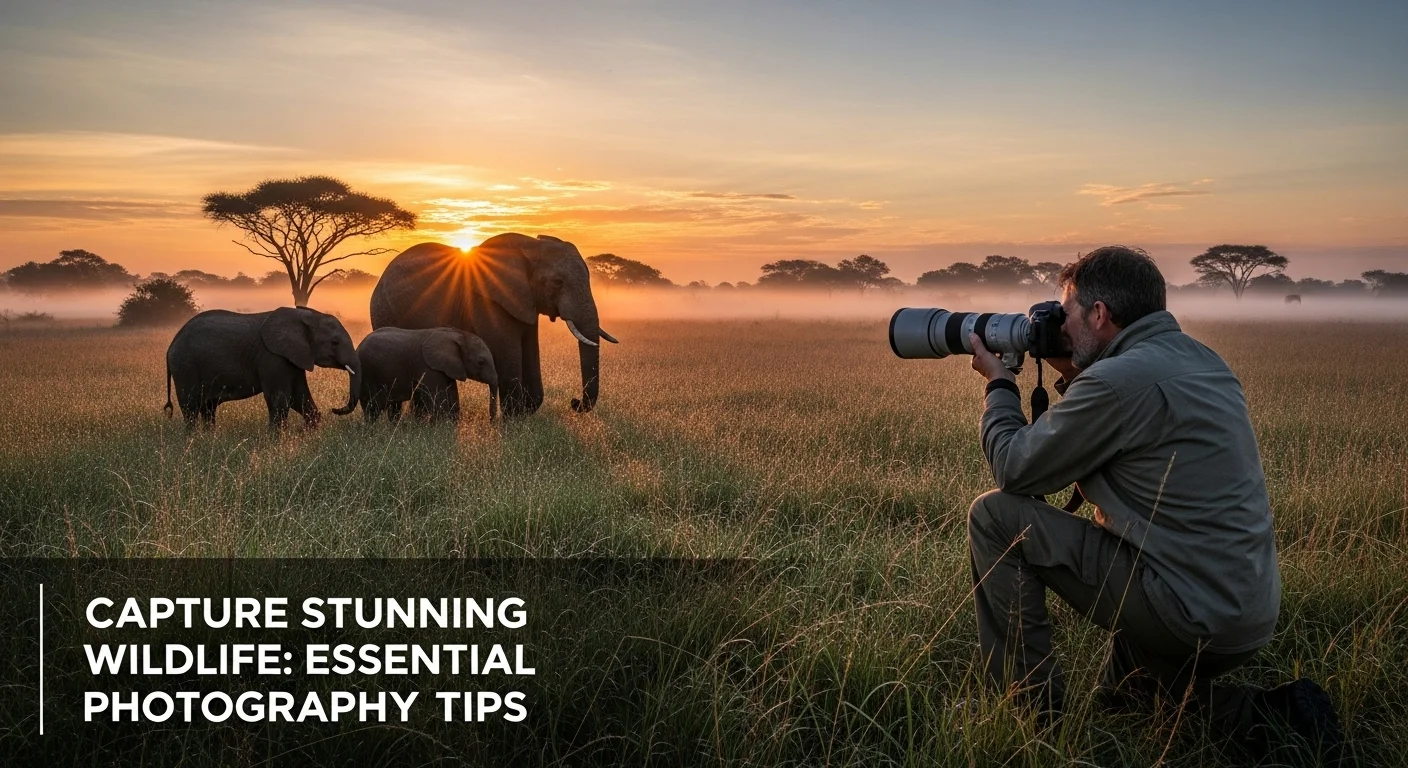
Wildlife photography can be one of the most exhilarating and fulfilling experiences for any photographer. The thrill of capturing animals in their natural habitat not only hones your skills but also connects you with nature in a profound way. Read Interesting article: Essential Wildlife Photography Tips for Budget Safari Travelers
Understanding Wildlife Photography
What is Wildlife Photography?
Wildlife photography, at its core, is about capturing animals in their natural environments. It’s more than just snapping pictures; it’s a form of storytelling that reveals the beauty and complexities of wildlife. When I first ventured into this field, I quickly learned that patience is key. Sometimes, I would spend hours waiting quietly in one spot, hoping to catch a glimpse of a deer or a soaring eagle. Each moment spent was worth it when I finally got that perfect shot. Wildlife photography allows us to freeze a moment in time, showcasing the grace, ferocity, and tenderness of animals that often go unnoticed.
Importance of Wildlife Photography
Wildlife photography plays a crucial role in conservation efforts and education. When I share my photos, I often hear from people who feel inspired to learn more about wildlife and the environments they inhabit. This connection can foster a deeper appreciation for nature and motivate individuals to support conservation initiatives. For instance, a striking image of an endangered species can evoke emotion and raise awareness, pushing people to advocate for change. In my experience, it’s amazing how a single photograph can spark a conversation about biodiversity and the importance of protecting our planet. Capture the Wild: Top Wildlife Photography Tips for Safaris can also enhance your understanding of this art form.
Different Styles of Wildlife Photography
There are several styles of wildlife photography, each offering a unique perspective and challenge. Here are a few that I’ve explored:
- Documentary Style: This style focuses on capturing wildlife behaviors and interactions. I love this approach because it tells a story beyond just a pretty picture.
- Portraits: Here, the focus is on the details of the animal, often isolating them against a soft background. I remember taking a close-up of a fox; the intensity in its eyes was mesmerizing.
- Action Shots: These aim to capture animals in motion, showcasing their agility and strength. It can be tricky, but the thrill of capturing a bird in flight or a cheetah sprinting is unbeatable.
- Environmental Portraits: This style integrates the animal’s habitat into the shot, giving context to the wildlife. I find that these images tell a broader story about the ecosystem.
Essential Gear for Wildlife Photography
Camera Types: DSLRs vs. Mirrorless
Choosing the right camera is essential for wildlife photography. I started with a DSLR, which offers excellent image quality and a vast selection of lenses. However, I eventually switched to a mirrorless camera, and I haven’t looked back. The compact size and lighter weight made it easier to carry on long hikes. Both types have their pros and cons, but I think it ultimately comes down to personal preference and shooting style.
Choosing the Right Lenses
Lenses are crucial in wildlife photography, as they can make or break your shot. I recommend investing in a good telephoto lens, as it allows you to capture distant animals without disturbing them. A lens with a focal length of at least 300mm is ideal. Additionally, I’ve found zoom lenses to be versatile, letting me adjust my framing quickly in dynamic situations, like when a herd of elephants wanders closer than expected. Wildlife Photography on a Budget: Safari Tips You Need can help you make the most of your gear choices.
Tripods and Stabilization Equipment
Stability is vital for sharp images, especially in low light or when using long lenses. I always carry a sturdy tripod with me. It might seem cumbersome at times, but it’s worth it for those crisp shots. I’ve also experimented with monopods, which are lightweight and easier to maneuver. If you’re on the move, consider investing in a gimbal head for your tripod; it makes tracking moving subjects much smoother.
Accessories: Filters, Flash, and More
There are various accessories that can enhance your wildlife photography experience. Polarizing filters can help reduce glare from water or wet fur, enriching the colors in your images. I’ve found that a good UV filter can protect my lens from dust and scratches, which is essential when shooting in rugged environments. While flash isn’t often used in wildlife photography due to the potential disturbance, I’ve occasionally utilized it for fill light in dense forests during the golden hour.
Techniques for Capturing Stunning Wildlife Photos
Understanding Animal Behavior
One of the most rewarding aspects of wildlife photography is the opportunity to observe and understand animal behavior. I remember my first time in a national park, watching a family of wolves. As I sat quietly, I noticed their interactions: the way they played, groomed each other, and communicated through body language. This experience taught me that knowing when and how animals behave helps me anticipate their movements, leading to better photographs. For instance, if I know that a particular species is more active during dawn or dusk, I make sure to be in the right spot at the right time. I’ve found that spending time researching the species I’m photographing dramatically improves my chances of capturing those intimate moments that tell a compelling story.
Composition Tips for Wildlife Shots
Composition is critical in wildlife photography. Early on, I learned about the rule of thirds, which encourages placing the subject off-center to create a more engaging image. I often experiment with different angles and perspectives. Sometimes lying on the ground gives me a unique view that elevates an ordinary shot. I also try to include elements of the environment to provide context, such as framing an animal with the branches of a tree or capturing a lion on the savanna. I’ve found that leading lines can draw the viewer’s eye straight to the subject, which can make a photograph much more engaging. Remember, each composition tells a different story, so it’s worth taking the time to find the best perspective.
Lighting Techniques for Outdoor Photography
Lighting can make or break a wildlife photograph. I’ve learned to pay attention to the quality of light throughout the day. The golden hour, shortly after sunrise and before sunset, provides soft, warm light that adds a magical quality to images. When I shoot during these times, I often find that colors pop, and shadows create depth. However, midday light can be harsh, so I try to find shaded areas or use the shadows creatively. For backlit shots, I aim to capture the glow of an animal’s fur or feathers against a bright background, creating a stunning silhouette. Experimenting with different lighting conditions has helped me create a diverse portfolio of wildlife images.
Using Depth of Field Effectively
Depth of field is a powerful tool in wildlife photography. I’ve found that using a shallow depth of field can help isolate the subject and blur the background. This technique draws attention to the animal, eliminating distractions and creating a more striking image. When photographing birds, for instance, I often open my aperture wide to capture just the bird in focus, while the branches behind it fade away. Conversely, I might choose a deeper depth of field when I want to include more of the habitat in my shot. Finding the right balance has taken practice, but I believe it’s one of the skills that can significantly enhance the narrative of my photographs.
Best Locations for Wildlife Photography
National Parks and Reserves
National parks and reserves are often the first places that come to mind for wildlife photography, and for good reason. I’ve had some of my most memorable experiences in places like Yellowstone and Yosemite. These parks provide diverse ecosystems and a variety of species to photograph. What I love about national parks is the commitment to conservation and the opportunities they offer for wildlife viewing. Every time I visit, I discover something new—be it a hidden trail or a different vantage point for capturing the landscape. If you plan to visit a national park, it’s worth checking out ranger-led programs or workshops. They often provide insights into the best spots for photography and can help you understand the local wildlife better.
Wildlife Sanctuaries
Wildlife sanctuaries are another excellent option for photographers. I’ve found that these places often have fewer crowds than national parks, allowing for a more intimate experience. Sanctuaries focus on rehabilitation and conservation, which means you can get up-close views of animals that may not be easily spotted in the wild. I remember visiting a sanctuary dedicated to birds of prey, where I was fortunate enough to capture stunning images of owls and falcons in their natural habitats. Additionally, many sanctuaries offer guided tours or photography workshops, which can be incredibly beneficial for honing your skills.
Exotic Locations Around the World
For those willing to travel, exotic locations can provide breathtaking opportunities for wildlife photography. I’ve dreamt of going to places like the Serengeti in Tanzania or the Galápagos Islands. Each location offers unique wildlife and scenery that can elevate your photography to a new level. I’ve heard stories of photographers capturing the Great Migration or the fascinating behaviors of marine iguanas. Planning a trip to these destinations often requires more effort, but the rewards can be monumental. Exploring different cultures while photographing wildlife is a fulfilling experience that combines adventure with artistry.
Timing Your Wildlife Photography Sessions
Seasonal Considerations
Timing is everything in wildlife photography, and understanding the seasons can greatly enhance your experience. I’ve noticed that different animals are more active during specific times of the year. For example, spring is often a fantastic season for wildlife enthusiasts, as many animals are in their mating season or busy raising their young. I remember visiting a wetland during spring and being captivated by the numerous birds nesting and displaying their vibrant plumage. Conversely, winter can offer unique opportunities as well; animals like deer are easier to spot against the stark white landscape. Each season brings its own charm and challenges, and I’ve found that being flexible and adapting my plans based on seasonal changes can lead to some of the most rewarding shoots.
Golden Hours: Best Times for Shooting
Ah, the golden hours! These magical moments just after sunrise and just before sunset are when I feel my photography truly comes alive. The soft, warm light creates a stunning backdrop that enhances colors and highlights textures, making every image feel more vibrant. I often find myself setting an alarm to wake up before dawn, knowing that the effort will be worth it. On one memorable morning, I was at a lake just as the sun peeked over the horizon, illuminating a family of swans gliding across the water. The light was so perfect, it felt like I was in a dream. While shooting during these times, I pay attention to the direction of the light and how it interacts with my subject. Experimenting with backlighting or side lighting during these hours can yield breathtaking results.
Understanding Animal Activity Patterns
Every wildlife photographer should familiarize themselves with the activity patterns of the animals they wish to capture. I’ve found that many species have peak times for activity, often governed by their natural instincts. For example, many mammals are crepuscular, meaning they are most active during dawn and dusk. I’ve spent countless hours learning about the habits of various animals, and it has made a significant difference in my success rate. I remember planning a trip to a national park to photograph elk at sunrise. Arriving early, I set up my gear and waited quietly. When the sun rose, the park came alive with the sounds and movements of elk, and it was one of the most exhilarating experiences of my life. Knowing when animals are likely to be active allows us to position ourselves accordingly, increasing the chances of capturing those stunning moments.
Ethics in Wildlife Photography
Respecting Wildlife and Their Habitats
As much as I love photography, I believe it’s crucial to respect wildlife and their habitats. I’ve seen firsthand how human presence can disrupt the natural behavior of animals. When I’m out in the field, I make a conscious effort to keep a safe distance and remain as quiet as possible. This respect not only ensures the safety of the animals but also allows me to capture more authentic moments. I remember a time when I was photographing a family of foxes. I kept my distance, using a long lens to get close-ups without disturbing them. The result was a series of beautiful images that depicted their playful interactions, and I felt fulfilled knowing I hadn’t interfered with their lives.
Legal Considerations and Permits
Before heading out to shoot, I always do my homework on any legalities concerning wildlife photography. Many national parks and wildlife reserves require permits for professional photography, and it’s essential to respect these regulations. I once traveled to a location that required a photography permit, and I was grateful I took the time to secure one. It not only kept me within the legal boundaries but also ensured that I was contributing to conservation efforts. Knowing the rules and regulations helps foster a healthy relationship between photographers and wildlife, allowing us to coexist and enjoy these beautiful creatures.
Promoting Conservation Through Photography
One of my favorite aspects of wildlife photography is the opportunity it gives me to promote conservation. I’ve often used my images to raise awareness about endangered species and the importance of protecting their habitats. Sharing these stories, whether on social media or through exhibitions, can inspire others to take action. I once created a photo series on local wildlife facing threats from habitat loss. The response was overwhelming; it sparked conversations and even led to fundraising efforts for local conservation projects. I believe that every photograph has the potential to make a difference, and this motivates me to continue capturing the beauty of wildlife while advocating for their protection.
Post-Processing Wildlife Photos
Basic Editing Techniques
Once I’ve returned from a shoot, the editing process begins, and it’s a crucial part of my workflow. I believe that post-processing can elevate a good photo to a great one. I typically start with basic adjustments: cropping for better composition, adjusting exposure to bring out details, and fine-tuning color balance to ensure the image reflects what my eyes saw in the field. I remember editing a shot of a lion basking in the sun, and with just a few tweaks, the colors came alive, making the image pop with vibrancy. Basic editing techniques can help refine our work and bring out the beauty captured in the moment.
Advanced Editing Tips
As I’ve grown more comfortable with editing software, I’ve started diving into more advanced techniques. This includes working with layers, masks, and selective adjustments. For instance, I often use masks to enhance the sky in my landscape photos or to draw attention to my subject without altering the entire image. I recall editing a photograph of a snowy owl against a winter backdrop; by subtly enhancing the contrast and sharpening the feathers, the owl seemed to come alive. These advanced techniques can truly transform an image and tell a more compelling story.
Best Software for Wildlife Photography
When it comes to editing, choosing the right software can make all the difference. I’ve tried several programs, but I always come back to Adobe Lightroom for its user-friendly interface and powerful tools. It allows me to manage my photo library efficiently while also giving me the editing capabilities I need. For more in-depth retouching, I often turn to Photoshop. I love how versatile it is, especially for detailed adjustments and creative projects. Whatever software you choose, I recommend taking the time to learn its features—it can significantly enhance your post-processing workflow and ultimately improve your final images.
Sharing Your Wildlife Photography
Creating an Online Portfolio
Once I’ve edited my photos, the next step is sharing them with the world. I’ve found that creating an online portfolio is an excellent way to showcase my work and connect with others who share the same passion. I use platforms like Squarespace or Wix, where I can easily design a user-friendly website that reflects my style. Having a dedicated portfolio not only helps me present my best work but also provides potential clients and collaborators a way to see what I can offer. It’s a rewarding feeling to see my images displayed in a cohesive manner, and I often update my portfolio with new projects and themes.
Social Media Strategies for Photographers
Social media has been a game changer for photographers, allowing us to reach a broader audience. I’ve had great success sharing my wildlife photography on platforms like Instagram and Facebook. I focus on posting high-quality images while also sharing stories behind the shots. This personal touch resonates with viewers and invites them into my world. I’ve also learned the importance of engaging with my audience; responding to comments and connecting with other photographers has enriched my experience. Using relevant hashtags can further increase my visibility, helping my work reach enthusiasts and conservationists alike.
Entering Wildlife Photography Competitions
Participating in photography competitions has been both challenging and rewarding for me. I remember entering a local wildlife photography contest and being thrilled to receive an honorable mention. It pushed me to refine my skills and strive for better shots. These competitions often offer valuable feedback from judges and can open doors for future opportunities. I recommend researching competitions that align with your style and subject matter. Not only can winning bring recognition, but the experience itself can be a great motivator to keep improving your craft.
Frequently Asked Questions
What is wildlife photography?
Wildlife photography is about capturing animals in their natural environments, telling a story that reveals the beauty and complexities of wildlife. It requires patience and skill, as photographers often wait for hours to get the perfect shot.
Why is wildlife photography important?
Wildlife photography plays a crucial role in conservation and education by inspiring people to learn more about wildlife and the environments they inhabit. Striking images can evoke emotion, raise awareness about endangered species, and motivate individuals to support conservation initiatives.
What are some different styles of wildlife photography?
Different styles include documentary style, which captures wildlife behaviors; portraits that focus on the details of the animal; action shots that showcase animals in motion; and environmental portraits that integrate the animal’s habitat into the shot.
What type of camera is recommended for wildlife photography?
Both DSLRs and mirrorless cameras can be used for wildlife photography. DSLRs offer excellent image quality and a wide selection of lenses, while mirrorless cameras are compact and lightweight, making them easier to carry on long hikes. The choice depends on personal preference and shooting style.
What lens is best for wildlife photography?
A good telephoto lens with a focal length of at least 300mm is ideal for capturing distant animals without disturbing them. Zoom lenses are also versatile for adjusting framing quickly in dynamic situations.
Why is understanding animal behavior important in wildlife photography?
Understanding animal behavior helps photographers anticipate movements and increases the chances of capturing compelling moments. Knowing when animals are most active allows photographers to position themselves accordingly for better shots.
What are the best times for shooting wildlife photography?
The golden hours, shortly after sunrise and before sunset, provide soft, warm light that enhances colors and textures in photographs. These times are considered the best for capturing vibrant and engaging wildlife images.
What ethical considerations should photographers keep in mind?
Photographers should respect wildlife and their habitats by maintaining a safe distance and minimizing disturbance. It is also important to understand any legal requirements, such as permits needed for photography in national parks and wildlife reserves.
What basic editing techniques are recommended for wildlife photos?
Basic editing techniques include cropping for better composition, adjusting exposure for detail, and fine-tuning color balance to reflect the true colors seen in the field. These adjustments can elevate a good photo to a great one.
How can photographers share their wildlife photography effectively?
Creating an online portfolio is an excellent way to showcase work, while social media platforms like Instagram and Facebook can help reach a broader audience. Engaging with viewers and sharing stories behind the photos also strengthens connections.