
Urban photography is a thrilling adventure that captures the heartbeat of a city. Whether you’re an experienced photographer or just starting out, the vibrant streets and unique architecture offer endless inspiration. For those looking for budget-friendly options, check out Top 10 Urban Photography Spots for Budget Backpackers.
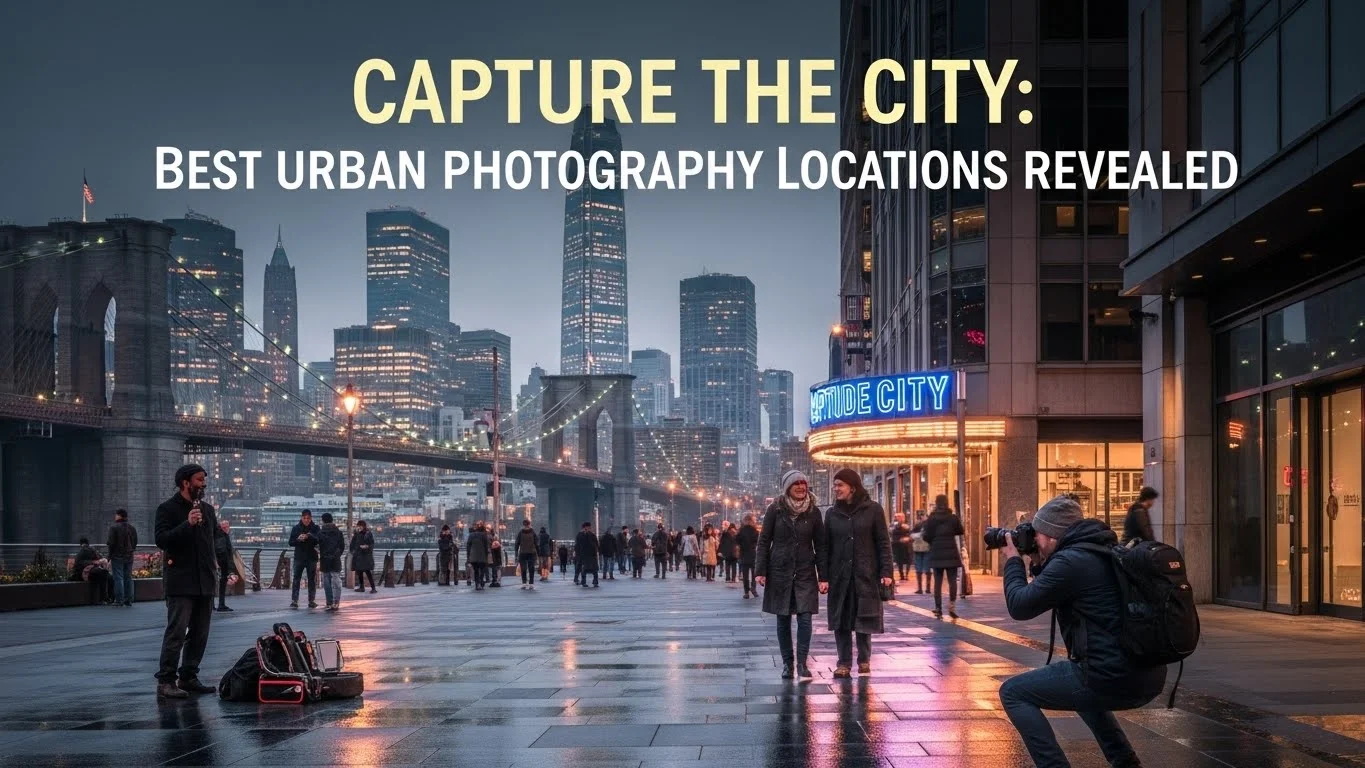
Understanding Urban Photography
The Art of Urban Photography
Urban photography, for me, is all about storytelling. Every city has its own rhythm, culture, and personality, and I’ve found that the best photos often come from understanding that unique essence. I remember my first trip to New York City; I was captivated by how the towering skyscrapers juxtaposed with the bustling streets filled with diverse people. It was exhilarating to capture those moments that reflected the city’s energy. Urban photography is not just about the buildings; it’s about life unfolding in urban settings. It’s about documenting history, culture, and emotion. I believe that a great urban photo can transport you right into the scene, making you feel as if you’re walking those streets yourself.
Essential Gear for Urban Photography
When it comes to gear, I’ve learned that you don’t need the fanciest equipment to take stunning photos. A good camera and a lens that suits your style are usually enough. I prefer using a DSLR or a mirrorless camera because they offer versatility. Having a prime lens, like a 50mm or 35mm, can help you capture beautiful portraits and street scenes with a shallow depth of field. I also recommend carrying a wide-angle lens, especially for architecture shots, to capture the grandeur of buildings. Another essential piece of gear I never leave home without is a sturdy but lightweight tripod. This has been invaluable for low-light situations or when I need stability while composing my shot. Lastly, I always keep an extra battery and memory card in my bag. There’s nothing worse than missing a perfect shot because your battery died or you ran out of space. Trust me, I’ve been there!
Techniques for Capturing the City
Over the years, I’ve picked up several techniques that have transformed my urban photography. One of the biggest lessons I learned is the importance of patience. Sometimes, the best shots come when you simply wait for the right moment. I often find myself hanging out in a cool spot, watching the world go by until something catches my eye—like a child playing in a fountain or an artist painting on the street. Another technique I love is to play with angles and perspectives. I remember one time in Chicago, I climbed up a stairwell to get a higher viewpoint of the bustling street below. The resulting shot was a vibrant mix of colors and movement that I wouldn’t have captured from eye level. Getting creative with angles can add depth to your photos and make them stand out. Also, don’t shy away from including people in your shots. They can bring life to your photographs and tell stories. I often photograph people interacting with their environment—waiting for a bus, stopping to look at street art, or just chatting on a bench. These candid moments make my images feel more alive and relatable. For more tips on capturing these moments, check out Capture Candid Moments: Urban Photography Tips for Travelers. Lighting is another crucial element. I’ve found that the best lighting for urban photography often occurs during the golden hour—just after sunrise or before sunset—when the light is softer and warmer. This is when I usually venture out with my camera, soaking in the beautiful hues that envelop the city. Additionally, experimenting with long exposure photography can yield some stunning results. I recall capturing a busy intersection at night, where the headlights of cars created light trails. It gave the photo an abstract quality and conveyed the hustle and bustle of urban life beautifully.
Urban photography is a blend of art and adventure. It encourages us to explore our surroundings, connect with the people we meet, and express ourselves creatively. I feel that anyone can capture the essence of a city with a little practice and passion. So grab your camera and start exploring—there’s a whole world waiting for you to discover! If you’re on a budget, consider Exploring Cities: Mastering Candid Urban Photography on a Budget.
Top Urban Photography Locations in Major Cities
New York City
Brooklyn Bridge
One of my favorite spots in New York City is the Brooklyn Bridge. The views of Manhattan from the bridge are simply breathtaking. I remember walking across it during sunrise, when the soft morning light began to illuminate the skyline. It was magical! The combination of the bridge’s architectural beauty and the city backdrop provides countless opportunities for stunning photographs. I recommend trying different angles—like capturing the lines of the bridge leading into the city or framing your shot with the bridge itself. You can even include the pedestrians and cyclists going about their day, which adds a sense of scale and life to your images.
Times Square
Times Square is another iconic location that embodies the energy of New York City. The bright lights, the bustling crowds, and the electric atmosphere create a unique canvas for urban photography. I’ve spent hours here just observing and capturing the moment. My favorite time to shoot is during the blue hour, just after sunset when the sky transitions to deep blue, and the neon lights of the billboards pop against it. I always try to incorporate people in my shots as they interact with their surroundings—tourists taking selfies, street performers entertaining the crowd, and locals going about their evening. It’s a place where every corner offers a different story.
Central Park
Central Park is a beautiful contrast to the urban jungle surrounding it. I love wandering through the park, as it offers a different vibe from the city’s hustle. The lush landscapes, iconic bridges, and serene lakes provide endless possibilities for capturing nature within an urban environment. I find that early mornings or late afternoons are the best times to shoot here, as the light filters through the trees, creating a soft glow. Don’t forget to wander off the beaten paths—there are hidden gems like the Bethesda Terrace and the Bow Bridge that are perfect for capturing intimate moments in nature.
Los Angeles
The Hollywood Sign
No trip to Los Angeles is complete without a visit to the Hollywood Sign. The hike to get there can be a bit challenging, but the view from the top is worth every step. I remember the first time I reached the summit; the sign loomed large against the backdrop of the sprawling city below. For me, capturing the sign at sunset was a must. The warm hues of the setting sun against the white letters create a dramatic and iconic shot. I suggest playing with different perspectives—shooting from below or even including the city skyline in the foreground can make for a compelling composition.
Downtown Los Angeles
Downtown LA offers a mix of modern architecture and historic buildings, making it a fascinating area for urban photography. I often explore places like the Walt Disney Concert Hall, where the sleek, metallic curves present a unique challenge and opportunity. The reflections on its surface can create interesting patterns in photographs. I also recommend visiting the Arts District, where colorful street art and murals breathe life into the urban landscape. Capturing the vibrant art against the backdrop of old warehouses and buildings creates a striking contrast.
Venice Beach
Venice Beach is a lively spot that perfectly encapsulates the laid-back California vibe. I love spending time here, capturing the beach culture, street performers, and colorful characters that make this place unique. The boardwalk is always bustling with activity, and I often find myself drawn to the skate park, where skaters show off their skills. The golden hour here is particularly enchanting, as the warm light enhances the colors of the beach and the atmosphere. Don’t forget to snap some candid shots of the vibrant murals that adorn the buildings; they add so much character to my collection.
Chicago
Willis Tower Skydeck
When I think of Chicago, the Willis Tower (formerly known as the Sears Tower) immediately comes to mind. Standing on the Skydeck is an exhilarating experience. The view from 1,353 feet up is simply stunning! I remember being there on a clear day, with the city sprawling out beneath me. Capturing the skyline from this vantage point can be breathtaking, especially if you can incorporate the glass ledge that extends out from the building. It adds a thrilling perspective to photos and can create a sense of depth that draws the viewer in.
Millennium Park
Millennium Park is another must-visit location in Chicago. The iconic Cloud Gate sculpture, known as “The Bean,” is a fantastic subject for urban photography. I love how it reflects the surrounding skyline and changes with the light throughout the day. Early mornings are particularly serene, allowing for fewer crowds and clearer reflections. The surrounding gardens and architecture, including the Jay Pritzker Pavilion, provide various opportunities for interesting compositions. I often play with angles, capturing the park’s beauty from different perspectives to create a rich narrative in my images.
Lincoln Park
Lincoln Park is a beautiful area that combines nature with urban charm. The park offers picturesque pathways, gardens, and even a zoo! I find it perfect for capturing leisurely activities, whether it’s families enjoying picnics or joggers along the paths. The flowers in the gardens are particularly vibrant during spring and summer, providing a lovely backdrop for photos. I like to explore different times of day here, as the light changes everything. It can transform a simple scene into something magical.
London
South Bank
South Bank is a fantastic area for urban photography in London. The riverside walk offers stunning views of iconic landmarks like the London Eye, Big Ben, and the Houses of Parliament. I often find myself wandering here, especially at twilight when the city lights start to reflect off the Thames. There’s a vibrant mix of street performers, food stalls, and people enjoying the view, making it a lively backdrop for candid shots. I love experimenting with long exposures at night, capturing the movement of people and the light trails from passing boats.
Notting Hill
Notting Hill is famous for its colorful houses and charming streets. I remember strolling through Portobello Road Market, soaking in the vibrant atmosphere and the eclectic mix of stalls. The pastel-colored houses create a picturesque setting for photos, especially during the golden hour when the light casts a warm glow. I find that including locals interacting with the environment—like vendors or shoppers—adds life to my shots and gives a sense of community that makes Notting Hill so special.
Sky Garden
The Sky Garden is another incredible spot in London that offers a unique perspective of the city. Located atop the Walkie Talkie building, the garden provides panoramic views of the London skyline. I often enjoy visiting during the day to capture the city in all its glory. The lush greenery contrasted against the modern architecture creates a stunning visual. I recommend arriving early to secure a spot, as the views from here are breathtaking and can transform your urban photography experience.
Tokyo
Shibuya Crossing
Shibuya Crossing is one of the busiest pedestrian crossings in the world, and it’s an absolute must for urban photographers. The energy of the crowd is palpable, and I find myself drawn to the chaos of it all. I often shoot from an elevated viewpoint, capturing the sea of people as they flow across the street. My favorite time to visit is during the evening when the neon lights illuminate the scene, creating a vibrant and dynamic atmosphere. It’s a fantastic opportunity to experiment with long exposures, capturing the movement of people as they cross.
Akihabara
Akihabara, known as the center of otaku culture, offers a unique urban landscape filled with electronics stores, anime shops, and themed cafes. I love the colorful signage and bustling streets that reflect this vibrant culture. There are countless opportunities for street photography here, especially capturing the interactions between locals and tourists. I often spend time photographing cosplayers and the lively atmosphere, which can transport you to a completely different world. The mix of modern and traditional elements makes for a fascinating subject.
Tokyo Tower
Tokyo Tower is an iconic landmark that offers fantastic views of the city. I remember taking the elevator to the observation deck and being mesmerized by the sprawling urban landscape. Capturing the tower itself from various angles is a must, as its bright red and white color stands out beautifully against the skyline. I like to focus on framing the tower with other elements of the city—like nearby buildings or cherry blossoms in spring—to add depth and context to my photographs.
Hidden Gems: Lesser-Known Locations
Street Art Districts
As I explored various cities, I discovered that street art districts are some of the most vibrant and dynamic locations for urban photography. I remember wandering through the Wynwood Walls in Miami, which is a stunning open-air gallery filled with colorful murals and graffiti. Each piece has its own story to tell, and capturing the intricate details of the artwork against the backdrop of everyday life can create powerful images. I often spend hours here, finding new angles and perspectives. In my experience, early mornings are the best time to shoot, as the soft light enhances the colors and there are fewer people around.
Another fantastic street art spot is the East Side Gallery in Berlin, where the Berlin Wall has been transformed into a canvas for artists from around the world. The combination of history and creativity makes for compelling photography. I found that including elements of the environment—like passersby interacting with the murals—adds a layer of depth to the images. It’s a vibrant way to show how art and urban life intersect.
Abandoned Places
Exploring abandoned places can feel like stepping into a different world. I’ve always been fascinated by the stories these locations hold, and they can evoke a sense of nostalgia and mystery in photographs. I remember visiting an old factory on the outskirts of Detroit. The decaying structures and graffiti-covered walls were hauntingly beautiful. I found that capturing the textures and details of the environment—rusted machinery, broken windows, and peeling paint—tells a story of what was once there. Just be sure to prioritize safety and respect any private property laws if you venture into these places.
Another gem I stumbled upon was an abandoned amusement park in New Orleans. The overgrown foliage mixed with rusting rides created an eerie yet captivating atmosphere. I often use my wide-angle lens to encompass the entire scene, which helps convey the scale and emptiness of these spaces. Playing with shadows and light can also yield striking results, especially in dimly lit areas.
Local Markets
Local markets are an absolute treasure trove for urban photography. I love the energy, colors, and the hustle and bustle of people interacting with vendors. One of my favorite experiences was in Marrakech, at the souks. The vibrant textiles, aromatic spices, and friendly banter of the merchants created a lively atmosphere that I couldn’t resist capturing. I found that getting up close to the stalls—focusing on the expressions of the vendors or the details of their wares—can result in intimate and engaging photographs.
In my hometown, I often visit farmers’ markets. The fresh produce and handmade goods provide endless opportunities for candid shots of families shopping, friends chatting, and children exploring. I usually aim for natural light during the day, as it brings out the true colors of the fruits and vegetables, making them pop in my photos.
Unique Neighborhoods
Every city has its unique neighborhoods, each with their own character and charm. I’ve found that exploring these areas often leads to unexpected discoveries. One of my favorite neighborhoods is the Mission District in San Francisco, known for its vibrant murals and rich culture. Walking through the streets, I noticed how the art reflects the community’s history and identity. Capturing the murals alongside local residents adds a narrative element to my photos.
Another hidden gem is the Historic Distillery District in Toronto. The cobblestone streets and Victorian buildings create a charming atmosphere that feels like stepping back in time. I recommend visiting on a weekend when local artisans and food vendors set up shop. The combination of architecture, art, and community life makes for captivating compositions. I often play with the angles of the buildings while incorporating people enjoying their day, creating a sense of place and connection.
These lesser-known locations often provide a fresh perspective on urban life, allowing us to capture the essence of a city beyond its famous landmarks. In my experience, taking the time to seek out these hidden gems can lead to some of the most rewarding photography adventures. So, don’t hesitate to wander off the beaten path—you never know what stories you might uncover!
Frequently Asked Questions
What is urban photography?
Urban photography is a genre that captures the essence of a city, focusing on its rhythm, culture, and personality. It involves documenting life in urban settings, highlighting the stories and emotions that unfold in these environments.
What equipment is essential for urban photography?
Essential equipment for urban photography includes a good camera (preferably a DSLR or mirrorless), a versatile lens (like a prime lens of 50mm or 35mm), a wide-angle lens for architecture, a sturdy but lightweight tripod, and extra batteries and memory cards.
What techniques can improve urban photography?
Techniques that can enhance urban photography include being patient to wait for the right moment, experimenting with angles and perspectives, including people in shots to add life, and utilizing natural lighting during the golden hour for softer, warmer tones.
What are some top urban photography locations in New York City?
Top locations for urban photography in New York City include the Brooklyn Bridge, Times Square, and Central Park, each offering unique opportunities for capturing the city’s energy and beauty.
Why is the golden hour important in urban photography?
The golden hour, occurring just after sunrise or before sunset, provides softer and warmer light, which is ideal for creating stunning urban photographs with enhanced colors and mood.
What should I consider when photographing street art?
When photographing street art, consider including elements of the environment, such as people interacting with the artwork, to add depth to your images and showcase the intersection of art and urban life.
How can I capture the essence of people in urban photography?
Capturing the essence of people in urban photography can be achieved by photographing candid moments, such as individuals interacting with their environment, which adds relatability and life to your images.
What are some hidden gems for urban photography?
Hidden gems for urban photography include street art districts, abandoned places, local markets, and unique neighborhoods that provide a fresh perspective on urban life beyond famous landmarks.
What is the significance of lighting in urban photography?
Lighting is crucial in urban photography as it can dramatically affect the mood, colors, and overall quality of the images. Using natural light effectively can enhance the visual appeal of photographs.
Can anyone learn urban photography?
Yes, anyone can learn urban photography with practice and passion. Exploring surroundings, connecting with people, and expressing creativity are key elements that contribute to capturing the essence of a city.