
There’s something magical about festivals that makes every moment feel alive and vibrant. As travelers, capturing these moments through our lens allows us to hold onto the spirit and energy of these incredible experiences. If you’re interested in expanding your photography skills, consider Exploring Cultures: Affordable Tips for Documentary Photography.
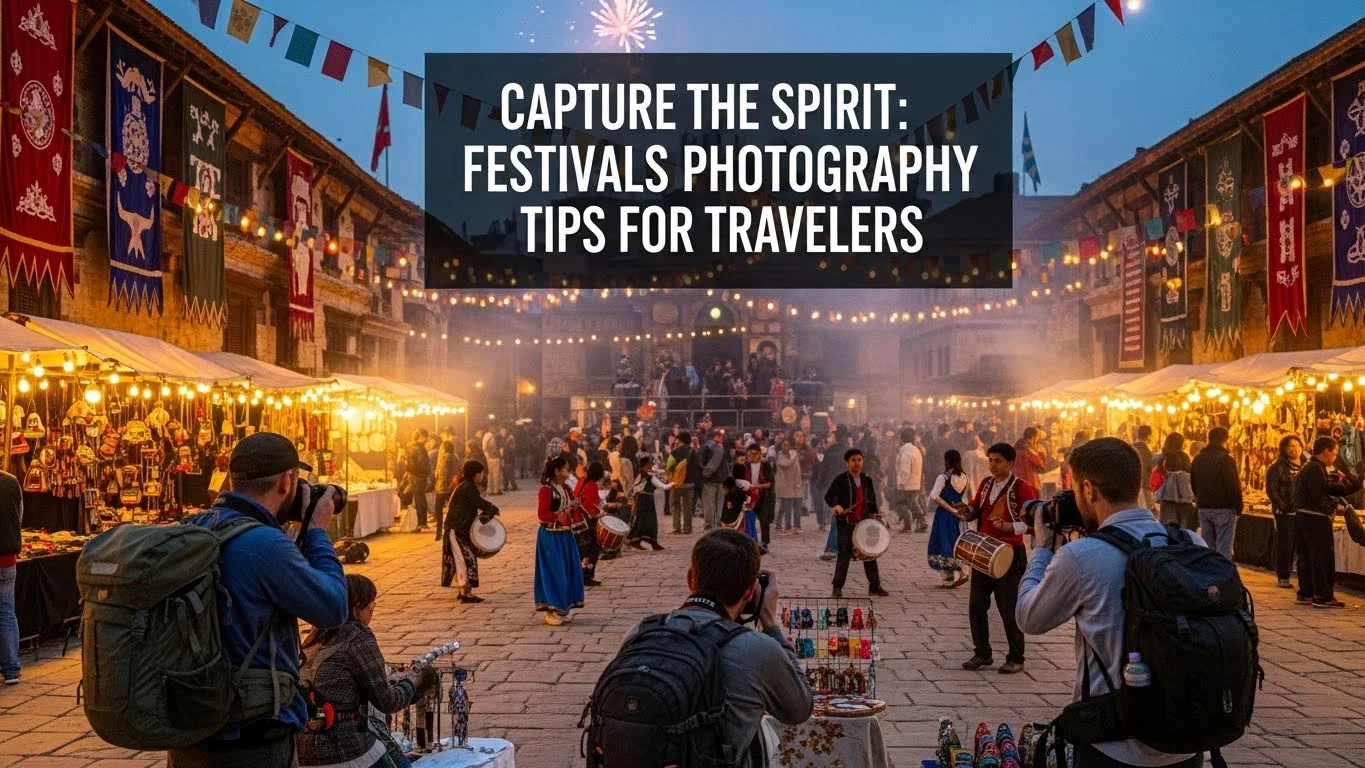
Understanding Festival Photography
What is Festival Photography?
Festival photography is about more than just snapping pictures; it’s about storytelling through the lens. It embodies the celebration of life, culture, and community during special events. Each festival has its unique vibe, colors, rituals, and people, and capturing these elements can create powerful images that evoke emotions and memories. I’ve found that every festival offers a different perspective, and it’s my job as a photographer to convey that through my images.
The Importance of Capturing Cultural Moments
When I think about festival photography, I reflect on the importance of preserving cultural moments. Festivals are a beautiful mix of tradition and joy, showcasing the essence of a community’s heritage. For me, capturing these moments is like preserving a piece of history. Each photograph tells a story, whether it’s a joyful dance, a vibrant costume, or the simple yet profound connection between people. I believe that by sharing these images, we not only celebrate those moments but also help others understand and appreciate diverse cultures. I’ve often noticed how the emotions in my photos can spark conversations and connections long after the festival has ended. If you want to learn more about budget-friendly photography, check out Budget Backpacking: Tips for Stunning Cultural Photography.
Essential Equipment for Festival Photography
Camera Types: DSLRs vs. Mirrorless vs. Smartphones
Choosing the right camera for festival photography is crucial. Personally, I love my DSLR for its versatility and image quality. However, I’ve also fallen in love with my mirrorless camera due to its lightweight design and impressive performance in low light. If you’re traveling light or just starting out, don’t underestimate the power of your smartphone. Nowadays, many smartphones have excellent cameras that can capture stunning images, especially with the right techniques and apps. I’ve often found that the best camera is the one you have with you, so choose what works for you and your style.
Must-Have Lenses for Different Festival Scenarios
When it comes to lenses, I recommend having a few options in your bag. A good all-purpose lens, like a 24-70mm, can cover a wide range of scenarios. For me, a prime lens like a 50mm is invaluable for capturing portraits and details, allowing for beautiful bokeh and sharp focus. If you’re at an outdoor festival, a wide-angle lens can help capture the entire scene, showcasing the atmosphere and scale of the event. I remember using my wide-angle lens during a music festival, and the crowd shots turned out phenomenal, capturing the energy of the moment.
Accessories: Tripods, Filters, and External Flash
While it’s possible to shoot without many accessories, I’ve found that having a few key items can elevate my festival photography. A sturdy tripod is great for low-light conditions or for capturing long exposures, especially during nighttime events. I’ve also found circular polarizing filters helpful for reducing glare and enhancing colors. External flashes can be a game changer, especially in dimly lit venues. I remember when I used my flash to capture some spontaneous moments at a night festival, and those images ended up being some of my favorites.
Planning Your Festival Photography
Researching the Festival: Dates, Location, and Activities
Planning is essential when it comes to festival photography. I always start by researching the festival dates, location, and specific activities. Knowing the schedule helps me prioritize which events I want to capture. Last year, for example, I attended a cultural festival that featured different performances throughout the day. By planning accordingly, I was able to capture the most vibrant moments without missing out.
Understanding the Cultural Context of the Festival
Understanding the cultural context is equally important. It allows me to appreciate and respect the traditions being celebrated. I often dive into the festival’s history and significance, which informs my approach to photography. During my visit to Diwali in India, for instance, knowing the cultural importance of the festival helped me capture the spirit of joy and light in a way that resonated with those who viewed my photos.
Creating a Shot List: Key Moments to Capture
Creating a shot list can be incredibly helpful, especially for larger festivals. I like to make notes of key moments that I don’t want to miss, such as parades, performances, or specific rituals. Having a plan keeps me organized and ensures I capture the essence of the festival. For me, it’s all about being prepared but also flexible, as sometimes the best shots come from spontaneous moments that I didn’t foresee. This combination has led to some of my most cherished festival photographs.
Techniques for Capturing the Spirit of Festivals
Using Natural Light to Your Advantage
One of the best things I’ve learned in my festival photography journey is the power of natural light. Festivals often provide beautiful lighting, especially during golden hour—just before sunset or after sunrise. I make it a point to scout the venue ahead of time to see how the light changes throughout the day. I remember at a recent festival, I found myself in awe as the warm light bathed the performers on stage, creating a magical atmosphere that was perfect for capturing the vibrant colors of their costumes. I always try to position myself to take advantage of this natural light, as it can enhance the mood and depth of my photos. Soft shadows and highlights can tell a story that harsh artificial lights just can’t replicate.
Capturing Movement and Action Shots
Festivals are alive with movement—dancers twirling, musicians playing, and crowds celebrating. Capturing this energy is one of my favorite aspects of festival photography. I’ve learned that using a faster shutter speed can freeze action, but sometimes I like to experiment with slower speeds to create a sense of movement. For example, during a parade, I played with my shutter speed to create a blur effect that emphasized the excitement and liveliness of the scene. It’s about finding that balance to convey the atmosphere effectively. I often take a series of shots in quick succession, which gives me a variety of options to choose from later. This technique has led to some of my most dynamic and exciting images.
Framing and Composition Tips for Festival Scenes
Composition can make or break a photograph. I think about framing carefully before I press the shutter button. One technique I use often is the rule of thirds. I try to place my focal point off-center in the frame, which tends to create a more engaging image. Also, when I shoot large crowds, I look for interesting patterns or leading lines that draw the viewer’s eye into the scene. I remember one festival where the rows of colorful tents created a beautiful leading line, guiding the viewer’s gaze toward the festivities ahead. Additionally, including foreground elements can add depth to my images, making them more immersive.
Storytelling Through Photography: Capturing Emotions
For me, photography is all about storytelling, especially during festivals. I always aim to capture the emotions of the people around me—the joy, the excitement, the connection. I often focus on expressions, whether it’s a child’s sheer delight as they watch a performance or the serene look of someone lost in thought during a ritual. I’ve noticed that the best stories come from candid moments rather than posed shots. At one festival, I spent some time just observing the crowd, waiting for those genuine, spontaneous interactions. When I finally clicked the shutter at the right moment, I captured a beautiful exchange between two friends dancing. Those images resonate with people because they tell a relatable story. I believe that each photo should evoke an emotion, allowing viewers to feel a connection to the moment.
Social Media and Festival Photography
Best Practices for Sharing Your Festival Photos
In today’s digital age, sharing our festival photos on social media is a fantastic way to showcase our experiences. I’ve found that timing is key when posting. I usually try to share my favorite shots soon after the festival ends while the excitement is still fresh. Engaging captions can also make a difference—sharing a little story or anecdote about the moment captured can help others connect with the image. I remember posting a candid shot of a dancer mid-twirl, and I described how the joy in her expression captured the essence of the entire festival. It received a great response, and many people shared their own stories in the comments.
Using Hashtags and Geotags Effectively
Utilizing hashtags and geotags can significantly increase the visibility of my photos. I like to research popular and relevant hashtags before I post. For festivals, using specific event hashtags can help my photos reach a wider audience and connect with other festival-goers. I often include a mix of general photography hashtags along with festival-specific ones. Geotagging my location helps others discover the festival too. I’ve noticed that my posts tend to get more engagement when tagged properly, and I often discover new photographers and enthusiasts in the process.
Engaging with Festival Communities Online
Engaging with communities is one of the most rewarding aspects of sharing my festival photography online. I love connecting with other photographers and festival lovers through comments and shares. Participating in photography groups or following festival-specific pages can open doors to collaborations and friendships. I’ve even joined online challenges where photographers share their best festival shots, and it’s inspiring to see the diverse perspectives and styles. I always encourage others to share their experiences, as it deepens our appreciation for different cultures and the art of capturing those moments. For more insights into budget-friendly photography, consider reading Capture Cultures: A Guide to Budget Documentary Photography.
Ethics in Festival Photography
Respecting Cultural Sensitivities and Privacy
Photography at festivals comes with a responsibility to respect the cultural sensitivities of the communities we are capturing. I always strive to be aware of the traditions and customs being celebrated, as well as how my presence might affect local participants. I remember attending a festival where certain rituals were sacred, and I made sure to maintain a respectful distance and not intrude. It’s essential to understand that some moments should be observed rather than documented, ensuring that my photography honors the culture and community.
Obtaining Consent for Portraits and Close-Ups
When photographing people, I always prioritize obtaining consent, especially for portraits and close-ups. I’ve found that a simple smile and a polite request can go a long way. When I ask for permission, it often leads to a more genuine expression and an even better photograph. I’ve had fantastic conversations with people who were thrilled to share their stories, enriching my festival experience. This practice not only ensures ethical photography but also builds trust and rapport within the community.
Post-Processing and Editing Festival Photos
Choosing the Right Editing Software
Once I’ve captured my festival shots, the next exciting step is post-processing. The right editing software can make a huge difference in how my photos turn out. I’ve experimented with various options, but I always find myself returning to Adobe Lightroom for its user-friendly interface and powerful features. It’s perfect for organizing my photos and making quick adjustments. For more detailed editing, I sometimes use Adobe Photoshop. I love how it allows for fine-tuning, especially for enhancing details. There are also great free alternatives like GIMP and RawTherapee, which I’ve recommended to friends who are just starting out. No matter what software I choose, I believe that post-processing is an essential part of bringing the images to life, allowing me to share the festival vibes as I experienced them.
Techniques for Enhancing Colors and Details
One of the biggest joys of editing is enhancing the colors and details in my photos. Festivals are bursting with vibrant hues, and I want my images to reflect that energy. I often start by adjusting the exposure and contrast to ensure the colors pop. I remember editing a series of shots from a cultural festival where the costumes were incredibly colorful. By increasing the saturation and vibrance slightly, I was able to enhance the vividness without making it look unnatural. I also use the sharpening tool to bring out the details in the costumes and expressions. Adjusting clarity can help make textures stand out, which adds depth to the images. I often find that these enhancements can transform a good photo into a great one, allowing the viewer to really feel the festival atmosphere.
Creating a Cohesive Photo Series from the Festival
After editing, I think about how I can present my festival photos as a cohesive series. I love to tell a story through my images, and creating a series allows me to do just that. I typically select a theme or a specific event within the festival to focus on, making sure each photo complements the others. When I created a series from a music festival I attended, I aimed to capture the different aspects of the experience—from the performers on stage to the audience’s reactions. I often use similar editing styles across the series, such as consistent color grading, to tie everything together. This approach not only adds a professional touch but also helps convey the overall spirit of the festival in a way that feels complete and engaging. I’ve shared these series on my blog and social media, and the feedback has been rewarding, with many people appreciating the narrative behind the photos.
Top Festivals Around the World for Photography Enthusiasts
Carnival in Rio de Janeiro, Brazil
The Carnival in Rio de Janeiro is one of the most vibrant and exhilarating festivals I’ve ever experienced. The energy in the air is palpable as samba music fills the streets, and the colorful parades are a feast for the eyes. I remember standing on the sidelines, taking in the elaborate costumes and the joy on people’s faces. This festival is a photographer’s dream, offering countless opportunities to capture the celebration of culture and community. The lively atmosphere, along with the stunning backdrop of Rio’s iconic scenery, makes it a must-visit for anyone passionate about festival photography.
Diwali in India
Diwali, the Festival of Lights, is another incredible event that deserves a spot on this list. I had the privilege of celebrating Diwali in India, and the experience was nothing short of magical. The streets lit up with oil lamps, and the vibrant colors of rangoli designs created an enchanting atmosphere. Capturing the light during this festival is a unique challenge, but it’s also what makes it so special. The warmth and joy shared among families during the celebrations can be felt in every photograph. I’ve found that the emotions displayed during Diwali are some of the most beautiful and poignant moments to capture, making it a highlight of my festival photography adventures.
Oktoberfest in Munich, Germany
Oktoberfest is renowned for its beer, traditional food, and lively atmosphere. I remember attending this festival and being amazed by the cheerful faces and the colorful Bavarian outfits. The large beer tents filled with laughter and clinking glasses provide fantastic opportunities for candid shots. I’ve also enjoyed capturing the intricate details of the traditional attire worn by festival-goers. The overall ambiance, combined with the delicious food and drink, creates a warm and inviting environment perfect for photography.
Holi Festival of Colors in India
The Holi Festival is a riot of colors and joy, and it has been one of my favorite festivals to photograph. I’ve experienced the thrill of being covered in vibrant powders as people celebrate together. The unique challenge is to capture the emotions and energy while managing the chaos of color throws. I often bring along a lens that I don’t mind getting dirty, as splashes of color can make for stunning photos. The expressions of joy and laughter during Holi are infectious, and I always feel grateful for the moments I’ve captured during this lively celebration.
La Tomatina in Buñol, Spain
La Tomatina is a festival like no other, where participants throw tomatoes at each other in a massive food fight. I’ve attended this event and had a blast capturing the fun and hilarity of the day. The vibrant red of the tomatoes against the laughter and chaos creates a unique visual experience. I’ve learned to bring a waterproof cover for my camera, as things can get messy quickly! The spontaneous nature of La Tomatina makes for dynamic shots, and I’ve found that the best moments often happen when you least expect them, adding to the thrill of festival photography.
Frequently Asked Questions
What is festival photography?
Festival photography is about storytelling through the lens, capturing the celebration of life, culture, and community during special events. It involves conveying the unique vibe, colors, rituals, and people of each festival to create powerful images that evoke emotions and memories.
Why is capturing cultural moments important in festival photography?
Capturing cultural moments is essential for preserving a piece of history. Festivals showcase a community’s heritage, and by sharing images, photographers help others understand and appreciate diverse cultures while celebrating those moments.
What equipment is recommended for festival photography?
For festival photography, it’s recommended to have a good camera, such as a DSLR or mirrorless, and a smartphone can also be effective. Essential lenses include an all-purpose lens (like a 24-70mm), a prime lens (like a 50mm), and a wide-angle lens for outdoor festivals. Accessories such as tripods, filters, and external flashes can enhance the photography experience.
How can I plan my festival photography effectively?
Effective planning involves researching the festival’s dates, location, and activities to prioritize events to capture. Understanding the cultural context of the festival is also crucial, as it informs the photographer’s approach and helps in capturing the spirit of the event.
What techniques can enhance festival photography?
Using natural light effectively, capturing movement and action shots, and employing composition techniques like the rule of thirds can enhance festival photography. Focusing on emotions and candid moments can also tell a compelling story through the images.
How should I share my festival photos on social media?
When sharing festival photos on social media, timing is key; post soon after the event while excitement is fresh. Engaging captions that tell a story about the moment can help connect with viewers. Using relevant hashtags and geotags can increase visibility and engagement.
What ethical considerations should be taken in festival photography?
Respecting cultural sensitivities and obtaining consent for portraits and close-ups are crucial ethical considerations in festival photography. Understanding traditions and maintaining a respectful distance is important, as is engaging with subjects to build trust.
What software is recommended for editing festival photos?
Adobe Lightroom is highly recommended for its user-friendly interface and powerful features, while Adobe Photoshop can be used for detailed editing. Free alternatives like GIMP and RawTherapee are also great options for those just starting out.
How can I create a cohesive photo series from a festival?
To create a cohesive photo series, select a theme or specific event within the festival and ensure each photo complements the others. Using similar editing styles and consistent color grading across the series can help tie everything together and convey the festival’s spirit effectively.
What are some top festivals around the world for photography enthusiasts?
Some top festivals for photography enthusiasts include Carnival in Rio de Janeiro, Diwali in India, Oktoberfest in Munich, Holi Festival of Colors in India, and La Tomatina in Buñol, Spain. Each of these festivals offers unique opportunities to capture vibrant moments and cultural celebrations.