
Extreme sports photography is all about capturing the adrenaline and excitement of action-packed moments. Whether you’re at the top of a mountain or beside a raging river, the challenge is to freeze those thrilling seconds in time. Read Interesting article: Unleash Adventure: Extreme Sports for Solo Travelers
Understanding Extreme Sports Photography
What is Extreme Sports Photography?
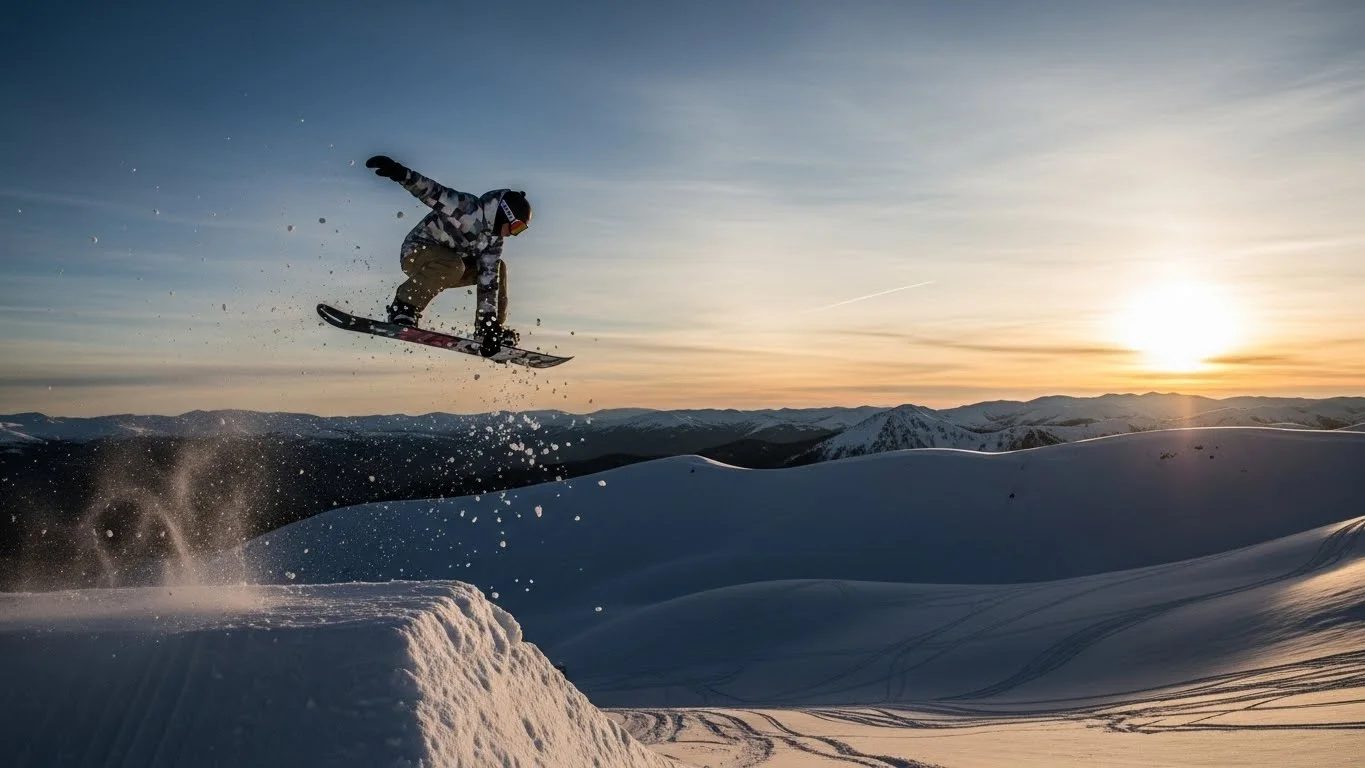
Extreme sports photography is a dynamic and exhilarating genre that revolves around capturing high-energy sports like snowboarding, rock climbing, surfing, and BMX biking. For me, it’s more than just taking pictures; it’s about telling a story of adventure, courage, and the sheer joy of pushing human limits. The moments we capture in extreme sports photography are often fleeting, filled with raw emotion and intensity. I remember my first attempt at this type of photography; I was nervous but excited, standing at the edge of a cliff as my friend prepared to base jump. The thrill was palpable, and I felt the rush of adrenaline even before I pressed the shutter.
Importance of Capturing the Thrill
Capturing the thrill in extreme sports photography serves multiple purposes. It not only documents the action but also communicates the passion and dedication of the athletes. I’ve seen how a well-timed photograph can convey the emotion of a moment, making viewers feel as if they were right there experiencing it alongside the athlete. It can inspire others to step outside their comfort zones and try something new. Each shot can evoke feelings of excitement, fear, and awe, which is why I believe it’s essential to understand the nuances of this craft.
Essential Gear for Extreme Sports Photography
Cameras: DSLRs vs. Mirrorless
Choosing the right camera is crucial for capturing extreme sports. I’ve experimented with both DSLRs and mirrorless cameras and found that each has its advantages. DSLRs often have excellent battery life and a robust build, which is helpful in rugged environments. However, I’ve come to appreciate mirrorless cameras for their lightweight design and rapid autofocus capabilities. They allow me to track fast-moving subjects effectively. In my experience, the choice largely depends on your personal preference and what you feel comfortable using in the field. For those interested in budget options, I recommend checking out this Best Budget-Friendly Cameras for Travel Photography.
Lens Choices for Action Shots
The lens you choose can make all the difference in capturing stunning action shots. I generally recommend a fast lens with a wide aperture, such as a 24-70mm f/2.8. This type of lens allows for stunning close-ups while also providing versatility for different shooting scenarios. For extreme sports, a zoom lens can be particularly useful as it lets you quickly change your framing without having to move too much, which is often essential in fast-paced environments. I’ve also found that having a telephoto lens handy is great for capturing moments from a distance, like a snowboarder launching off a ramp.
Tripods and Stabilizers
While most extreme sports photography involves a lot of movement, I’ve found that having a sturdy tripod can be invaluable for capturing stable shots, especially in low-light conditions. A good tripod allows for long exposures without the risk of camera shake. Additionally, using a stabilizer can help when shooting video during high-energy events. I learned this the hard way after trying to capture a snowboarding event without one; my footage was shaky and unwatchable!
Protective Gear for Your Equipment
When you’re out in the field, your gear is exposed to the elements. I can’t stress enough the importance of protective gear for your equipment. Invest in weather-sealed camera bodies and lenses, and consider using lens filters to protect against scratches and dirt. When I was shooting an event by the ocean, I once got splashed by a wave, and thankfully my gear was well-protected. I also recommend using padded bags and cases to transport your equipment safely. Keeping your gear in top shape is essential for ensuring you capture those once-in-a-lifetime moments.
Techniques for Capturing Action
Choosing the Right Settings
Understanding your camera settings is essential for capturing high-speed action effectively. I’ve learned that shooting in manual mode can give you greater control over your images. I usually start by setting a fast shutter speed to freeze motion, which is critical for extreme sports. Depending on the lighting conditions, I adjust my ISO and aperture accordingly. It can be a juggling act, but practice makes perfect!
Understanding Shutter Speed and Motion Blur
Shutter speed plays a significant role in the outcome of your images. I’ve found that a speed of 1/1000th of a second or faster is often necessary to freeze action effectively. However, sometimes, a bit of motion blur can add a sense of speed and dynamism to a shot. I’ve experimented with slower shutter speeds to create artistic effects, capturing the movement of a skateboarder or mountain biker. The key is to practice and see what works best for the specific sport you’re photographing.
Using Continuous Shooting Mode
One of my favorite features to use is continuous shooting mode. This setting allows me to take multiple shots in quick succession, which is vital in extreme sports photography. I remember capturing a mountain biker as he took off a jump; using this mode, I was able to get the perfect frame of him mid-air, looking like he was flying. This feature increases the chances of capturing that ideal moment when the athlete is at their peak performance.
Framing and Composition Tips
Framing and composition can make or break your extreme sports photos. I always try to follow the rule of thirds, placing key elements along the grid lines to create a visually appealing shot. I also like to include the environment in my compositions to give context to the action. Widening the frame can show the scale of the athlete’s accomplishments against a dramatic landscape, which adds depth to the story. Experimenting with different angles and perspectives has led to some of my favorite shots, so don’t hesitate to get creative!
Locations for Extreme Sports Photography
Popular Extreme Sports Destinations
Finding the right location is crucial for capturing stunning extreme sports photography. I’ve been lucky enough to visit some incredible spots that are known for their adrenaline-pumping activities. For me, places like the rugged cliffs of Yosemite National Park, the waves of Hawaii’s North Shore, and the snowy peaks of the Alps have become my go-to destinations. Each location brings its unique flavor and challenges, and being there in person adds an electric vibe to the experience. I remember shooting a surfing competition in California; the energy of the athletes and the roar of the waves created an atmosphere that was simply unforgettable.
Another favorite spot is Moab, Utah, which is famous for rock climbing and mountain biking. The dramatic landscapes provide a stunning backdrop for action shots. I found that the red rock formations make the athletes pop in the frame, creating dynamic images that convey the essence of adventure. Additionally, destinations like Whistler in Canada are renowned for mountain biking and skiing. These places usually have established events and competitions, which means more opportunities to capture those thrilling moments.
Best Times of Day for Natural Lighting
The time of day you choose to shoot can greatly affect the quality of your photographs. I’ve learned that the golden hour—shortly after sunrise and before sunset—offers the most beautiful lighting for outdoor photography. The soft, warm light during these times can transform an ordinary shot into something magical, adding a glow to the athlete and the surrounding scenery.
However, I also enjoy shooting during the blue hour, the period just before sunrise or after sunset. The cooler tones can create a dramatic atmosphere, especially in extreme sports settings. I remember capturing a mountain biker as the sun was setting behind him, the light illuminating the dust from the trail. It created an incredible silhouette effect that I absolutely loved.
Midday, while often considered less ideal due to harsh shadows and bright highlights, can still be utilized effectively. Using a polarizing filter can help reduce glare and enhance colors, allowing for striking images even in the middle of the day. I’ve found that experimenting with different times can yield unexpected and stunning results.
Scout Locations for Unique Angles
Once I arrive at a location, I take the time to scout it thoroughly. Knowing your environment allows you to identify the best angles and compositions. I usually walk around, looking for vantage points that will help me capture the action in exciting ways. For instance, I once climbed a small hill during a snowboarding event to get an overhead shot of the riders going off a jump. The perspective added a dynamic aspect to my images that I wouldn’t have achieved from ground level.
Additionally, I look for natural frames in the environment, like tree branches or rock formations, to add depth and context to my shots. I remember framing a surfer against the cliffs of a beach; it not only highlighted the athlete but also showcased the dramatic landscapes surrounding them. Finding these unique angles can elevate your photography and tell a more compelling story.
Don’t hesitate to explore and take risks with your angles. Sometimes the most unexpected views yield the most breathtaking images. I once crouched low to the ground to capture a mountain biker speeding past; the shot was filled with energy and showcased the thrill of the sport. So, next time you’re at a shoot, take a moment to wander around and let your creativity flow.
Safety Considerations for Photographers
Staying Safe While Shooting
When diving into the world of extreme sports photography, safety must always be a top priority. I’ve learned this from firsthand experience; there have been moments when I was so focused on getting the perfect shot that I momentarily ignored the risks around me. I remember a time while shooting BMX riders at a local park; I was standing too close to the ramp. Just as I was about to click the shutter, a rider came barreling down. Luckily, I managed to jump back just in time! This was a wake-up call for me to always be aware of my surroundings.
Always ensure that you’re wearing appropriate clothing and gear. Sturdy shoes are a must, especially if you’re shooting in rugged terrains or near water. I’ve found that investing in a good pair of hiking boots has made a huge difference in my overall comfort and stability while on shoots. Additionally, if you’re shooting in locations with extreme weather conditions, layering your clothing and using weather-resistant gear can go a long way in keeping you safe and focused on the action.
Understanding the Risks of Extreme Sports
Each sport comes with its unique set of risks, and being aware of these can help you position yourself safely while capturing the action. I’ve noticed while photographing rock climbers that it’s essential to respect their space; they need to concentrate on their ascent without worrying about a photographer getting too close. I always ask for a safe distance that allows me to shoot effectively without becoming a hazard.
Also, be mindful of the athletes’ safety protocols. I once attended a downhill mountain biking event and made sure to understand the course layout and any potential hazards. This awareness not only helped me stay safe but also allowed me to anticipate moments that would unfold during the race. Respecting the inherent dangers of the sport will make the experience smoother for both you and the athletes.
Emergency Preparedness and First Aid
No one wants to think about accidents, but being prepared can make all the difference. I always carry a basic first aid kit with me when I’m shooting. It’s a small investment that can be a lifesaver. Just recently, while shooting a snowboarding event, a minor fall resulted in a scraped knee for an athlete. Thankfully, I had some antiseptic wipes and bandages on hand, which helped them out quickly.
Additionally, it’s essential to familiarize yourself with the emergency services available in the area where you’re shooting. Knowing the quickest route to a hospital or having contact information for local emergency services can provide peace of mind. I also recommend having a charged phone and a portable charger, as you never know when you might need to make an urgent call.
Post-Processing Techniques
Editing Software for Enhancing Photos
After capturing those thrilling moments, the next step is to make them shine through post-processing. I’ve found that using software like Adobe Lightroom and Photoshop can be incredibly rewarding. Both programs offer a range of tools that can elevate your images from good to stunning. I remember the first time I edited a photo of a surfer catching a wave; adjusting the contrast and saturation brought the colors to life and made the water shimmer brilliantly.
Lightroom is my go-to for organizing and making quick adjustments, while Photoshop is perfect for more intensive edits. Don’t be afraid to experiment with different styles and settings to find what works best for your vision. Some photographers prefer a more natural look, while others embrace a more dramatic, high-contrast style. I think it’s all about finding your unique voice through your edits.
Basic Editing Tips for Action Shots
When editing action shots, I prioritize clarity and focus. I’ve learned that cropping can significantly improve the composition of a photo. Sometimes, removing distracting elements from the edges helps draw attention to the athlete. I also pay close attention to sharpening my images, especially when capturing fast motion, as it can help maintain the details that make an action shot pop.
Another technique I often use is adjusting the exposure. It’s not uncommon for action shots to come out a bit dark or overexposed due to fast movements and changing light conditions. In these situations, I increase the exposure slightly or adjust the highlights and shadows to bring out the details without losing the essence of the shot. This fine-tuning can transform an ordinary photo into something truly spectacular.
Creating a Portfolio of Your Work
Building a portfolio is an exciting step in showcasing your extreme sports photography. I remember curating my first portfolio and feeling a mix of pride and anxiety. It’s essential to select your best work, highlighting a range of techniques and sports to show your versatility. I often include a few of my favorite shots from different events to showcase my ability to capture the thrill across various settings.
As I put my portfolio together, I was careful to maintain consistency in style and quality. This not only helps in presenting a cohesive body of work but also makes it easier for potential clients to understand your vision and approach. I suggest using a combination of physical prints and an online portfolio. Having an online presence allows you to reach a wider audience and easily share your work with others. I’ve received numerous opportunities simply by sharing my images on various platforms!
Sharing and Promoting Your Extreme Sports Photography
Building an Online Presence
In this digital age, having an online presence is crucial for any photographer, especially for those of us in the niche of extreme sports. I remember when I first started sharing my work online, it felt a bit intimidating, but it has opened so many doors for me. Creating a personal website or blog allows you to showcase your portfolio, share your experiences, and connect with your audience. I’ve used platforms like WordPress to build my site, where I can easily post galleries, write about my adventures, and even share tips for others looking to get into this thrilling field.
Additionally, platforms like Instagram and 500px are fantastic for photographers. The visual nature of these sites makes them ideal for showcasing action-packed shots. I’ve found that engaging with fellow photographers and enthusiasts on these platforms has helped me gain valuable feedback and connect with others who share my passion. It’s amazing how just one compelling shot can attract attention and lead to new opportunities.
Social Media Best Practices
When it comes to social media, consistency is key. I’ve learned to post regularly while keeping my content fresh and diverse. It’s not just about sharing my best shots; I also like to share behind-the-scenes moments and stories from my shoots. This humanizes my work and helps followers feel a connection to my journey as a photographer.
Using relevant hashtags is another tactic that has boosted my visibility. I often research trending hashtags related to extreme sports and photography to reach a wider audience. But I also try to create a few unique hashtags of my own; this helps to build my brand and allows others to easily find my work. Interacting with my followers through comments and DMs has also been vital in building a community around my photography. I enjoy hearing their thoughts and experiences, and it often leads to new friendships and collaborations.
Networking with Other Photographers and Athletes
Networking has played a significant role in my growth as an extreme sports photographer. Attending events and competitions has allowed me to meet both athletes and fellow photographers. I remember striking up a conversation with a seasoned photographer at a mountain biking event; he shared invaluable insights that helped refine my techniques. These connections can lead to collaborative projects, mentorship opportunities, or simply knowledge sharing.
Additionally, don’t hesitate to reach out to athletes and brands. I’ve had great experiences connecting with athletes on social media, and many are open to collaborating or sharing my work with their followers. Building these relationships can create a supportive network that benefits everyone involved. Whether it’s getting a shoutout from an athlete or collaborating on a project, these connections can significantly impact your exposure and opportunities.
Final Thoughts
Extreme sports photography is more than just a hobby; it’s a thrilling adventure that requires a blend of technical skills, creativity, and a passion for capturing the extraordinary moments of life. Throughout my journey, I’ve discovered the importance of preparation, safety, and continuous learning. From choosing the right gear to understanding the nuances of post-processing, every step is essential in creating compelling images that resonate with viewers.
As you dive into this exhilarating world, remember to stay true to your style and voice. Embrace the challenges and joys that come with photographing extreme sports, and don’t be afraid to push your limits. Whether you’re capturing an athlete soaring through the air or a serene moment in nature, each shot tells a story. So grab your camera, venture into the wild, and let your creativity flow; the world of extreme sports photography is waiting for you!
Frequently Asked Questions
What is extreme sports photography?
Extreme sports photography is a dynamic genre that focuses on capturing high-energy sports like snowboarding, rock climbing, surfing, and BMX biking. It aims to tell stories of adventure, courage, and the joy of pushing human limits through images filled with raw emotion and intensity.
Why is capturing the thrill important in extreme sports photography?
Capturing the thrill documents the action and communicates the passion and dedication of the athletes. A well-timed photograph can evoke feelings of excitement, fear, and awe, inspiring viewers to step outside their comfort zones and try new activities.
What types of cameras are best for extreme sports photography?
Both DSLRs and mirrorless cameras have their advantages. DSLRs typically offer excellent battery life and robust builds, while mirrorless cameras are lightweight and have rapid autofocus capabilities, making them effective for tracking fast-moving subjects. The choice depends on personal preference. How to Choose the Right Camera for Backpacking Trips
What lens is recommended for action shots in extreme sports photography?
A fast lens with a wide aperture, like a 24-70mm f/2.8, is recommended. This type of lens allows for stunning close-ups and versatility in various shooting scenarios. A zoom lens is particularly useful for quickly changing framing in fast-paced environments.
What safety considerations should photographers keep in mind while shooting extreme sports?
Photographers should prioritize safety by being aware of their surroundings, wearing appropriate clothing and gear, and understanding the risks associated with each sport. It is also essential to respect athletes’ space and safety protocols to ensure a smooth experience for both the photographer and the athletes.
What are the best times of day for natural lighting in extreme sports photography?
The golden hour, shortly after sunrise and before sunset, offers beautiful, soft lighting. The blue hour, just before sunrise or after sunset, can create dramatic atmospheres. Midday can be challenging due to harsh light, but using a polarizing filter can help improve image quality.
How can photographers enhance their images in post-processing?
Using software like Adobe Lightroom and Photoshop allows photographers to enhance their images. Key editing techniques include adjusting exposure, sharpening images, and cropping to improve composition. Experimenting with different styles can help photographers find their unique voice in edits.
What should be included when building a portfolio of extreme sports photography?
A portfolio should highlight the photographer’s best work across various sports and techniques, showcasing versatility. Maintaining consistency in style and quality is important, and both physical prints and an online presence can help reach a wider audience.
How can photographers build an online presence for their work?
Creating a personal website or blog to showcase a portfolio, sharing experiences, and connecting with the audience is crucial. Platforms like Instagram and 500px are excellent for sharing images and engaging with other photographers and enthusiasts.
What role does networking play in extreme sports photography?
Networking is essential for growth in this field. Attending events allows photographers to meet athletes and fellow photographers, leading to collaborative projects and mentorship opportunities. Building relationships with athletes can enhance exposure and create supportive networks.