
Conservation photography is more than just capturing stunning images; it’s about telling stories that inspire change. Join me as we explore budget-friendly tips for capturing the wild while preserving our planet’s beauty. Read Interesting article: Top Destinations for Stunning Macro Wildlife Photography
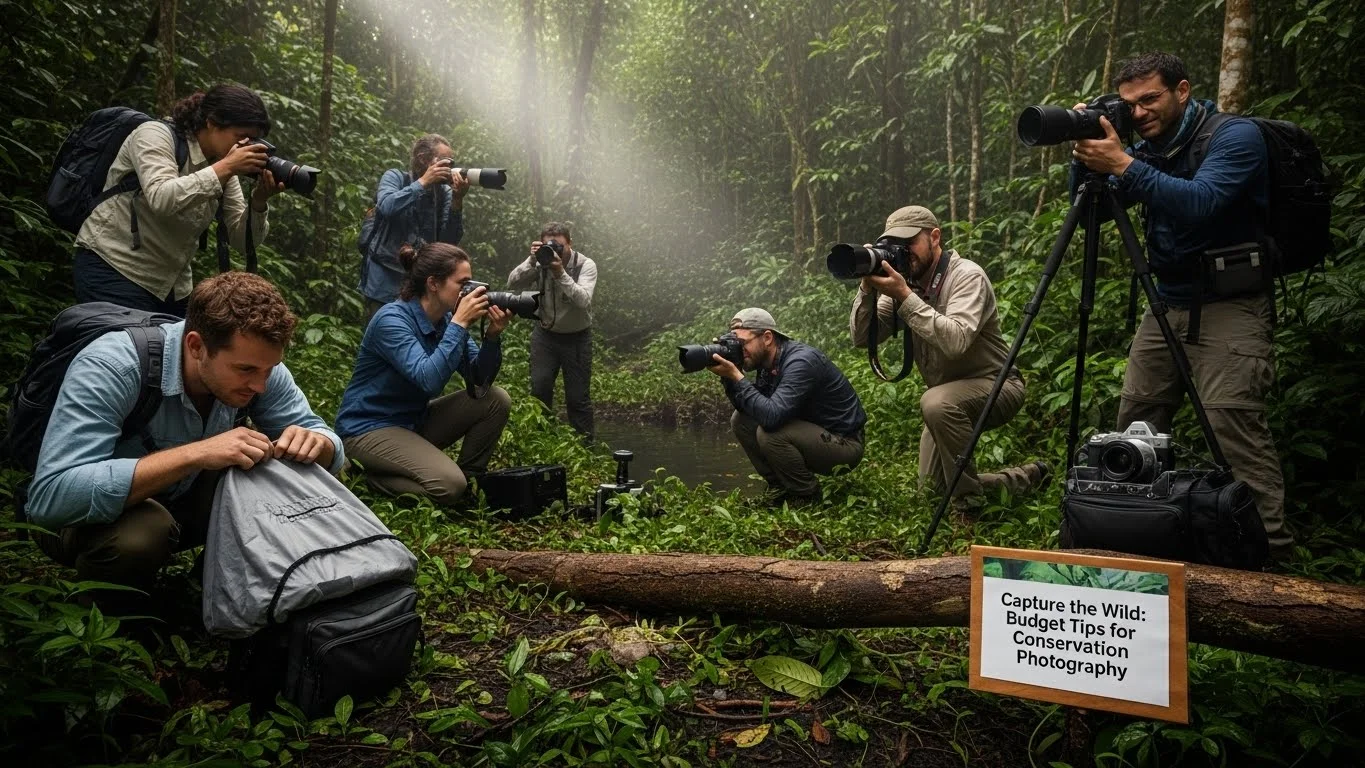
Understanding Conservation Photography
What is Conservation Photography?
When I first stumbled upon conservation photography, I felt an immediate connection. It’s a unique blend of art and activism, aimed at raising awareness about environmental issues through powerful imagery. Unlike traditional photography, which often focuses on aesthetics, conservation photography emphasizes subjects that need attention, like endangered species, habitats at risk, and the impacts of climate change. I remember my first wildlife shoot where I wasn’t just focused on getting that perfect shot; I was also thinking about the message behind it. It resonated deeply with me, and I realized I could contribute to something much bigger than myself.
The Importance of Wildlife Conservation
Wildlife conservation is crucial not just for the animals but for the health of our entire planet. Every species plays a role in its ecosystem, and when one is threatened or goes extinct, the ripple effects can be catastrophic. I’ve seen firsthand how conservation efforts can bring back populations that were once on the brink. For example, witnessing the return of the American bald eagle in places where it had disappeared was a profound experience. It reinforced my belief that we can make a difference, and photography can be a powerful tool in this fight. By capturing compelling images, we can inspire others to care and take action, whether that’s supporting conservation initiatives or simply appreciating nature more deeply. Read Interesting article: Explore Underwater Wildlife: Budget Backpacking Photography Guide
Key Principles of Ethical Photography
As I delved deeper into conservation photography, I learned about the importance of ethics in our work. Ethical photography isn’t just about getting the shot; it’s about respecting the wildlife and their habitats. One key principle I always keep in mind is to minimize disturbance. This means observing wildlife from a distance and being patient rather than intruding on their space. I remember a time when I was photographing a family of deer. Instead of rushing in, I took a step back, allowing them to behave naturally. This not only resulted in better images but also ensured I wasn’t stressing the animals.
Another principle I adhere to is honesty in representation. It’s tempting to enhance or manipulate images to create a more dramatic impact, but I believe that authenticity is crucial. I strive to portray the reality of wildlife and their challenges, even if that means showcasing difficult moments. It’s a way to tell a true story that resonates with viewers. I think about the responsibility we have as photographers to accurately represent the subjects we are passionate about—and that’s something we must never take lightly.
Lastly, I emphasize the importance of educating myself and others. Each time I go out to capture images, I try to learn more about the species or environment I’m photographing. This knowledge not only helps me take better photographs but also allows me to share valuable information with my audience. I’ve found that the more I know about the subjects I’m photographing, the more powerful the images become.
Essential Gear for Budget-Conscious Photographers
Camera Options for Every Budget
When I began my journey into photography, I quickly learned that you don’t need the most expensive gear to make a difference. There are numerous camera options available today that cater to various budgets. For beginners, I often recommend starting with a good entry-level DSLR or mirrorless camera. These models are affordable, user-friendly, and provide excellent image quality. I remember my first DSLR cost me less than $500, and with it, I was able to capture some amazing wildlife moments.
If you’re looking for something even more budget-friendly, consider compact cameras or even smartphones. Many modern smartphones come with impressive camera capabilities, making them an accessible option for capturing spontaneous wildlife moments. I’ve often found myself out in the field with my phone, and while I’ve missed some perfect shots, I’ve also captured some spontaneous moments that turned out beautifully.
Lens Selection: What You Need vs. What You Want
Choosing the right lens can be daunting, especially with so many options available. I’ve personally found that a good zoom lens can be a game-changer for wildlife photography. A lens with a focal length of 200mm or more allows you to capture animals from a distance without disturbing them. However, I remember when I first bought a fancy lens that was way beyond my budget; it didn’t make me a better photographer. I learned that it’s more about how you use the gear than the gear itself. Start with a versatile lens that fits your budget, and as you grow in your skills, you can consider upgrading.
Accessories that Enhance Your Photography
Accessories can make a significant difference in your photography experience, and fortunately, there are many affordable options out there. I’ve found that having a sturdy tripod is essential for wildlife photography, especially in low light conditions. It stabilizes the camera and ensures sharp images, which is vital when capturing fast-moving subjects. While tripods can range in price, I recommend investing in a reliable but budget-friendly option that suits your needs.
Tripods and Stabilization Tools
Another accessory that I’ve come to appreciate is a monopod. It’s lightweight and easy to carry, making it perfect for long hikes in search of wildlife. I often use it when I need stability but don’t want to lug around a heavy tripod. It’s a small investment for the difference it can make in image quality.
Protective Gear for Outdoor Photography
Protecting your gear is equally important. I always carry a rain cover for my camera bag, especially when I’m out in unpredictable weather. Additionally, I’ve learned the hard way that lens filters can protect your lens from scratches and dust, which is especially important when shooting in rugged environments. These little additions to my gear have saved me both money and headaches in the long run.
Budget-Friendly Techniques for Capturing Wildlife
Using Natural Light to Your Advantage
One of the most significant lessons I’ve learned in wildlife photography is the importance of natural light. It’s amazing how the quality of light can change the mood and tone of my images. I often find that the best times to shoot are during the golden hours—shortly after sunrise and just before sunset. The warm, soft light during these times adds a magical touch to my photos, making them feel alive. I remember one early morning when I set out to capture images of a family of foxes. The way the sunlight filtered through the trees created a perfect backdrop that highlighted their fur and the glint in their eyes. It made all the difference and reminded me that nature’s light is a powerful ally.
When I’m out in the field, I also pay close attention to how the light falls on my subjects. I try to position myself so that the light is behind me or to the side, illuminating the animal without casting harsh shadows. If I’m shooting in the middle of the day when the light can be too harsh, I seek out shaded areas where the light is softer. I’ve found that being patient and waiting for the right moment to capture an animal in the best light can turn an ordinary shot into something extraordinary.
Finding Locations: Where to Shoot on a Budget
When I first started exploring wildlife photography, I wanted access to all the exotic locations. But I quickly realized that some of the best spots are often right in our backyards or within a short drive. Local parks, nature reserves, and even urban areas can provide a wealth of opportunities. I’ve stumbled upon incredible wildlife in places I never expected. For instance, I was amazed to find a family of owls living in an old tree just a few blocks from my house. It reminded me that adventure doesn’t always mean traveling far; sometimes, it’s about looking closer to home.
Research can be your best friend when scouting for locations. I use apps and websites dedicated to wildlife sightings, which can guide me to areas where certain species have been spotted. Additionally, I’ve connected with local photography groups that often share tips on where to find great wildlife. This community support has helped me discover hidden gems that are easily overlooked. I recommend keeping a list of go-to places that you can revisit during different seasons, as wildlife behavior and visibility can change dramatically throughout the year. Read Interesting article: Affordable Underwater Wildlife Photography Tips for Backpackers
Time of Day: Best Times for Wildlife Photography
Timing is everything in wildlife photography. I’ve learned that animals are most active during the early morning and late afternoon, which coincidentally aligns with those golden hours for light. This is when I’ve had some of my most memorable encounters. For example, I once set out before dawn to photograph a local wetland, and I was rewarded with a breathtaking sunrise and a flurry of activity as birds began to emerge. The thrill of witnessing nature waking up is something I cherish deeply.
On the flip side, midday can be challenging for wildlife photography since many animals seek shade and become less active. However, I’ve also found that this time can be useful for capturing different types of behavior, such as animals resting or finding shelter. It’s all about adjusting my approach based on the time of day and the wildlife I’m trying to photograph. I often plan my trips around these peak activity times, and I’m consistently rewarded with stunning images and unforgettable experiences.
Cost-Effective Travel Tips for Photographers
Choosing Budget Accommodations
Traveling to capture wildlife doesn’t have to break the bank. I’ve learned to find budget-friendly accommodations that are convenient to my shooting locations. Instead of splurging on fancy hotels, I often opt for affordable motels, hostels, or even camping when I’m in remote areas. Camping is one of my favorite ways to immerse myself in nature, and it allows me to wake up close to wildlife without the need for extensive travel each day. I remember one camping trip where I was able to photograph deer right outside my tent in the early morning light.
Websites and apps dedicated to budget travel can provide great deals on accommodations. I also look for places that offer kitchen facilities so I can prepare my meals. This not only saves money but also allows me to focus more on my photography rather than spending time looking for food. In my experience, planning ahead and being flexible with my travel dates can lead to significant savings, making those wildlife adventures more accessible.
Transportation Options for Wildlife Locations
Getting to wildlife locations can be challenging, but I’ve discovered numerous cost-effective transportation options that make trips easier. When I can, I prefer to carpool with fellow photographers or friends who share my passion. This way, we can split gas costs and enjoy each other’s company while exploring. I’ve made some of my best memories on the road with friends, sharing tips and excitement about the sights we hope to capture.
For destinations that are further away, I often look for budget airlines or long-distance buses. While they may take a bit longer than flying, the savings can be substantial. I also use travel apps to find the best deals on transportation. Sometimes being open to various modes of transport, like trains or rental bikes, can add to the adventure and give me a unique perspective on the landscape I’m traveling through.
How to Save on Food While Traveling
Food costs can add up quickly while traveling, but I’ve found ways to keep my meals affordable without sacrificing quality. I usually pack snacks and easy-to-prepare meals that I can take with me on my photographic excursions. Items like nuts, granola bars, and fruit are great for keeping my energy up while I’m out in the field.
When it comes to meals, I love exploring local markets or grocery stores for fresh produce and local specialties. It’s a fun way to experience the area and often much cheaper than dining out. Plus, I’ve discovered some of the best local dishes this way! One time, I stumbled upon a small market near a national park and found some amazing local cheese and bread, which made for a delicious picnic while I planned my next shots.
Editing and Post-Processing on a Budget
Free and Affordable Editing Software
Editing is a crucial part of photography that can elevate your images and convey the message you want to share. I remember when I first started editing my photos; I was overwhelmed by the options available. Thankfully, I discovered some fantastic free and affordable editing software that has helped me tremendously. Programs like GIMP and Darktable are great for beginners and offer a lot of powerful features without costing a dime. I’ve found that they allow me to make adjustments to exposure, contrast, and color without feeling like I’m sacrificing quality.
If you’re willing to invest a little, Adobe Lightroom offers a subscription model that’s quite affordable and is particularly user-friendly for photographers. It’s becoming my go-to for organizing and editing my photos. I love how I can quickly edit a batch of images and maintain a consistent look across my portfolio. The best part? There are plenty of online tutorials that can help you get started, making it easier to learn the ropes without feeling lost.
Basic Editing Techniques for Wildlife Photos
Once I got the hang of editing software, I learned a few basic techniques that can truly make a difference in wildlife photography. One of my favorites is adjusting the exposure to bring out details in both the highlights and shadows. I’ve found that wildlife photos can sometimes look flat straight out of the camera, and a simple adjustment can add depth and vibrancy.
Another technique I often use is cropping to enhance the composition. Sometimes, framing a subject differently can bring out its best features and create a more impactful photo. I remember a shot of a heron I took that wasn’t quite right at first. After cropping to focus more on its striking profile against the water, it transformed into one of my favorites.
Don’t underestimate the power of color correction, either. Adjusting the white balance can help bring out the natural colors of your subjects, making your images feel more lifelike. I’ve spent hours playing with different settings, and it’s amazing how a little tweaking can create such a difference. I encourage you to experiment and find your style; it’s all part of the fun!
Online Resources for Learning Photography Skills
As I dove deeper into the world of photography, I realized that learning doesn’t stop after you leave the classroom or finish a workshop. Online resources have been invaluable for me. There are countless websites, YouTube channels, and podcasts dedicated to photography skills that cater to all experience levels. I particularly enjoy watching tutorials on platforms like YouTube, where there are step-by-step guides for everything from basic camera settings to advanced editing techniques.
Additionally, I’ve found that joining forums and online communities can provide not only support but also constructive feedback on my work. Platforms like Reddit have dedicated photography forums where you can share your images and receive advice from fellow photographers. I remember posting my first wildlife shot and receiving feedback that helped me grow so much. It’s a reminder that we’re all on this journey together, and collaboration can lead to amazing results.
Finally, don’t overlook the power of online courses. Websites like Udemy or Skillshare often have affordable photography courses that can deepen your understanding of specific topics. I once enrolled in a wildlife photography course that opened my eyes to new techniques and perspectives that I hadn’t considered before. Investing in your education, even if it’s just a small fee, can pay off in dividends through the quality of your work.
Funding Your Conservation Photography Endeavors
Grants and Scholarships for Wildlife Photographers
One of the challenges I faced when pursuing conservation photography was funding my projects. I quickly discovered that there are various grants and scholarships specifically aimed at wildlife photographers. These funding opportunities can help cover travel costs, equipment, and even living expenses while working on a project. I’ve found several organizations that offer grants for conservation-related projects, and applying for one can be a game-changer.
For example, I applied for a small grant aimed at wildlife photography projects that focused on endangered species. The application process encouraged me to refine my project proposal and clarify my objectives, which ultimately helped me focus my efforts. When I received the funding, it felt like validation of my work and commitment to conservation. I encourage you to research potential grants in your area or specialized organizations that align with your conservation goals.
Building a Portfolio to Attract Sponsors
Creating a compelling portfolio is essential if you want to attract sponsors or collaborators. I remember spending months curating my best work into a presentation that showcased not just my photography skills but also conveyed my passion for conservation. It’s important to tell a story through your images—showcasing the challenges wildlife face and the beauty that still exists. Potential sponsors want to see that you’re dedicated, and a well-crafted portfolio can communicate that effectively.
When building your portfolio, I recommend including a variety of images that highlight different aspects of wildlife and conservation. This diversity will not only appeal to a broader audience but also demonstrate your versatility as a photographer. It was through this process that I discovered my niche within conservation photography, which helped me connect with like-minded organizations.
Utilizing Social Media for Exposure and Support
Social media has become an invaluable tool for photographers looking to gain exposure and support for their work. I’ve seen firsthand how platforms like Instagram and Facebook can help me reach a wider audience. I started sharing my conservation photography journey, and it opened doors I never expected. Connecting with other photographers and conservationists through hashtags and groups has provided a sense of community that motivates me to keep pushing forward.
Regularly posting my work and engaging with followers has led to meaningful conversations about conservation issues. I’ve even had opportunities to collaborate with organizations that align with my values. Social media isn’t just about sharing pretty pictures; it’s about fostering connections and raising awareness for the causes we care about. I encourage you to share your journey, ask questions, and engage with others; you never know where it might lead!
Frequently Asked Questions
What is conservation photography?
Conservation photography is a unique blend of art and activism aimed at raising awareness about environmental issues through powerful imagery. It emphasizes subjects that need attention, such as endangered species and habitats at risk, and focuses on the message behind the images rather than just aesthetics.
Why is wildlife conservation important?
Wildlife conservation is crucial for the health of our planet as every species plays a role in its ecosystem. When a species is threatened or goes extinct, it can lead to catastrophic ripple effects. Conservation efforts can help restore populations and inspire others to take action through compelling imagery.
What are the key principles of ethical photography?
Key principles of ethical photography include minimizing disturbance to wildlife, being honest in representation, and educating oneself and others about the subjects being photographed. These practices ensure that photographers respect wildlife and accurately portray their realities.
What camera options are available for budget-conscious photographers?
Budget-conscious photographers can start with entry-level DSLR or mirrorless cameras that are user-friendly and provide excellent image quality. Compact cameras and modern smartphones with good camera capabilities are also viable options for capturing wildlife moments without breaking the bank.
What accessories can enhance wildlife photography?
Essential accessories for wildlife photography include sturdy tripods for stability, monopods for lightweight support, and protective gear like rain covers and lens filters to safeguard equipment. These items can significantly improve the photography experience and image quality.
What are budget-friendly techniques for capturing wildlife?
To capture wildlife on a budget, photographers should use natural light effectively, find accessible shooting locations close to home, and plan outings during the best times of day when animals are most active, such as early morning and late afternoon.
How can photographers save on travel costs while capturing wildlife?
Photographers can save on travel costs by choosing budget accommodations like motels or camping, carpooling with fellow photographers, using budget airlines, and exploring local markets for affordable food options while traveling.
What editing software is recommended for wildlife photographers?
Free and affordable editing software options for wildlife photographers include GIMP and Darktable, which offer powerful features without cost. Adobe Lightroom is also recommended for its user-friendly subscription model, helping photographers organize and edit their images effectively.
How can photographers find funding for conservation photography projects?
Photographers can find funding through various grants and scholarships aimed at wildlife photographers. Researching specialized organizations that align with conservation goals can lead to opportunities that cover travel costs, equipment, and living expenses for projects.
How can social media be utilized for conservation photography?
Social media platforms like Instagram and Facebook can help photographers gain exposure and support for their work. By sharing their conservation photography journey, photographers can connect with a wider audience, engage in meaningful conversations about conservation, and potentially collaborate with like-minded organizations.