
Street photography is a thrilling way to capture the essence of a place and its people. In this guide, we’ll explore everything you need to know to embark on your journey of street photography abroad. Read Interesting article: The Ultimate Guide to Street Photography on a Budget
Understanding Street Photography
Definition and History of Street Photography
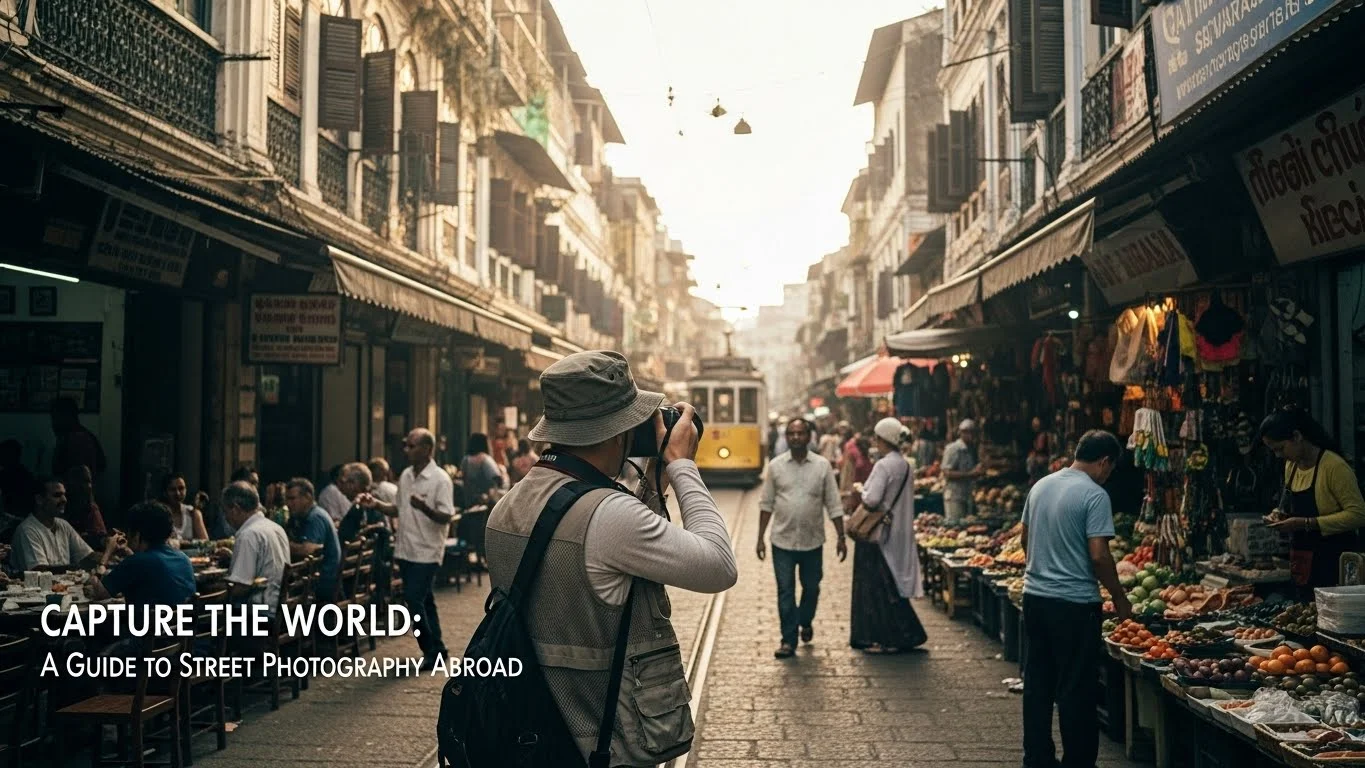
Street photography is more than just snapping pictures of passersby; it’s a form of art that captures candid moments in public spaces. I remember my first experience with street photography while wandering through a bustling market in Bangkok. The vibrant colors, the hustle and bustle, the mix of cultures – every corner presented a new story waiting to be told through my lens. Historically, street photography began in the early 20th century with pioneers like Henri Cartier-Bresson, who famously coined the term “the decisive moment.” This idea is at the heart of street photography: capturing fleeting moments that tell a larger narrative. As the years went on, many photographers adopted this style, each adding their unique flair, shaping the way we see urban life.
Famous Street Photographers and Their Impact
Some photographers have left an indelible mark on the genre. For instance, Vivian Maier, who was discovered posthumously, had a unique ability to portray the intimacy of everyday life. Her work reminds us of the beauty found in the mundane. I often find myself inspired by the raw emotion in her photographs. Then there’s Garry Winogrand, whose energetic style and ability to capture the chaotic nature of urban life resonates with me. Each of these artists has inspired countless others and helped define what street photography means today. They push us to look deeper, to capture not just images but the very spirit of a place.
Choosing Your Destination
Top Cities for Street Photography
When planning a street photography trip, the city you choose can significantly influence your experience. I’ve found that certain places just have that vibe, making it easier to connect with the surroundings and the people. Here are some of my favorite cities for street photography:
New York City
New York City is a photographer’s paradise. The energy is palpable, and every street corner offers a new story. From the iconic yellow cabs to the diverse crowds in Times Square, there’s never a shortage of subjects. I love capturing the contrasts between the towering skyscrapers and the intimate moments of everyday life. If you wander through neighborhoods like Chinatown or Brooklyn, you’ll find rich cultural tapestries to photograph.
Tokyo
Tokyo is a city that beautifully blends tradition with modernity. I remember feeling overwhelmed by the neon lights and the fast pace of life in Shibuya. Each district has its own character, from the serene temples of Asakusa to the bustling streets of Harajuku. The people are often very fashion-forward, providing fantastic opportunities for striking portraits. Plus, the etiquette around photography in Japan adds an interesting layer to the experience.
Paris
Ah, Paris! The city of love is also a city of light for photographers. Whether it’s the artistic vibe of Montmartre or the historic streets of Le Marais, Paris invites you to capture its charm. I often find myself drawn to the small cafes where life unfolds slowly – a conversation here, a laugh there. The architecture, the streets, and the people all contribute to an atmosphere that’s simply magical.
Barcelona
Barcelona is another gem for street photographers. The unique architecture of Antoni Gaudí, especially the Sagrada Família and Park Güell, provides a fantastic backdrop for candid shots. The lively streets of La Rambla are filled with performers, tourists, and locals, making it a perfect spot for dynamic photography. I love how the city’s art scene seeps into everyday life, creating endless opportunities for creativity. Read Interesting article: Capture Cultural Wonders: Budget-Friendly Adventure Photography
Cultural Considerations When Shooting Abroad
Street photography isn’t just about the camera; it’s also about understanding the people and their culture. This is something I’ve learned through my travels. Being aware of local customs can make or break your experience.
Understanding Local Customs
Before I embark on a trip, I like to research the local culture. Each country has its own set of rules about photography. For instance, in some places, asking for permission before taking a photo is the norm, while in others, it might be frowned upon. I remember feeling nervous while photographing in Morocco, but once I learned to navigate the local etiquette, I felt much more confident.
Respecting Privacy and Personal Space
Respecting people’s privacy is crucial in street photography. There have been times when I’ve instinctively backed away from a shot after realizing someone was uncomfortable. I believe that capturing authentic moments shouldn’t come at the expense of someone’s feelings. It’s about finding that balance between art and respect, ensuring that the story I want to tell is both beautiful and ethical.
Essential Gear for Street Photography
Camera Options for Street Photography
When it comes to street photography, the gear you choose can make a big difference in your experience and the quality of your shots. I’ve experimented with various camera types over the years, and I’ve come to appreciate the merits of each. The key is to find what feels right for you and your shooting style.
DSLR vs. Mirrorless vs. Compact Cameras
DSLR cameras are often praised for their image quality and versatility. They allow for interchangeable lenses and have a robust build, which can be appealing in busy street environments. However, I found that their size can be a bit cumbersome when trying to remain discreet and capture spontaneous moments. On the other hand, mirrorless cameras have gained popularity for street photography because they are typically lighter and more compact. I remember using a mirrorless camera in Tokyo and loved how easy it was to carry around while still producing excellent images.
Then there are compact cameras, which, although they may lack some of the advanced features of DSLRs and mirrorless options, are incredibly portable. I took a small compact camera with me to Paris once, and it allowed me to blend in seamlessly with the crowds. It’s perfect for capturing candid moments without drawing too much attention to myself. Ultimately, the best camera is the one that you feel comfortable using, so I recommend testing a few to see what suits you best.
Lens Selection for Different Scenarios
The lens you choose can dramatically affect your street photography style. I’ve often spent time pondering which lens to pack for a trip, as each option offers unique opportunities.
Prime vs. Zoom Lenses
Prime lenses are known for their sharpness and often have a wider aperture, which is excellent for low-light situations. I remember using a 50mm prime lens during a late evening stroll in Barcelona, and the bokeh I achieved from the streetlights was just magical. However, the challenge with prime lenses is that you have to physically move closer or farther away from your subject to frame your shot, which can sometimes be limiting.
On the other hand, zoom lenses offer flexibility, allowing you to quickly adjust your focal length without changing lenses. I found this incredibly useful in bustling markets, where moments unfold rapidly, and I didn’t have the luxury of time. A 24-70mm lens has been a trusty companion for me, giving me the versatility to capture everything from wide street scenes to tighter portraits. Whichever you choose, having the right lens can greatly enhance your ability to tell a story through your images.
Accessories to Enhance Your Photography
While your camera and lens are crucial, a few accessories can elevate your street photography experience. I’ve found certain tools indispensable on my journeys.
Tripods and Stabilizers
Although tripods might seem too bulky for street photography, I’ve discovered that lightweight, portable tripods can be quite handy, especially for night photography or in low-light conditions. I once set up a small tripod in a dimly lit alley in Paris to capture some long exposure shots, and it opened up a world of creative possibilities. Stabilizers are also great for shooting video or capturing smooth moving shots. If you’re planning to experiment, consider bringing a compact stabilizer along for the ride.
Bags and Carrying Solutions
Finding the right bag can make a world of difference in how comfortably you can carry your gear. I’ve tried various types of bags, from messenger bags to backpacks, and each has its pros and cons. I often opt for a messenger bag that’s easy to swing around to access my camera quickly. It keeps my gear safe while allowing me to maintain a low profile. Additionally, a good bag can help you store extra batteries, memory cards, and even a small notebook to jot down thoughts or details about the scenes you’re capturing.
In the end, investing in the right gear and accessories can significantly enhance your street photography experience. It’s all about finding what works best for you, and over time, you’ll develop a setup that feels just right for your adventures.
Techniques for Capturing Great Street Photos
Understanding Light and Its Effects
One of the most essential aspects of street photography is understanding light. I’ve noticed how different times of day can dramatically change the mood and tone of my photos. For instance, the golden hour—the time just after sunrise or before sunset—offers a warm, soft light that can make even the most mundane scenes look magical. I remember walking through a park in London during this time, and the sunlight filtering through the trees created stunning highlights and shadows that added depth to my images.
On the other hand, harsh midday sunlight can create strong contrasts and deep shadows. It took me a while to learn how to work with this light rather than against it. I often find myself looking for shaded areas or using the harsh light to my advantage by capturing silhouettes. Reflective surfaces, like glass buildings, can also create interesting effects. I’ve captured some of my favorite shots by experimenting with how light interacts with different surroundings. Watching the way light bounces off surfaces can inspire unique compositions and narratives.
Composition Tips for Dynamic Shots
Composition plays a vital role in street photography. I’ve learned that a well-composed image can convey a stronger message and engage the viewer more effectively. One of my go-to techniques is the rule of thirds, where I mentally divide the frame into a 3×3 grid and position key elements along the lines or at their intersections. This simple trick often leads to more balanced and dynamic images.
Another technique I cherish is leading lines. I love how roads, railings, or even the edges of buildings can guide the viewer’s eye through the image, creating depth and interest. I recall wandering through the streets of Amsterdam and spotting a canal with a beautiful, winding pathway. I positioned myself at an angle to capture the lines leading toward the horizon, which added depth to the photo.
Framing is also crucial. I often use natural elements like doorways, windows, or overhanging branches to frame my subject, which helps draw attention to the focal point of my shot. It can create a sense of intimacy, almost as if you’re peeking into someone’s world. I remember capturing a candid moment of a musician playing in a small square, framed perfectly by the arch of an old building behind him. It added context and brought the viewer into the scene.
Timing and Anticipation in Street Photography
Timing is everything in street photography. I’ve experienced the thrill of capturing a fleeting moment that tells a powerful story. I believe that being patient and anticipating a moment is key. Sometimes, I’ll stand in a busy area, looking for interactions between people or observing how light and shadows change. This is where the magic happens, and I find myself waiting for that perfect moment to unfold.
For instance, I was once in a crowded market in Istanbul, watching people interact and go about their day. I noticed a child chasing a pigeon, and I instinctively raised my camera, capturing that fleeting moment just as the child reached out to touch the bird. It’s these spontaneous moments that encapsulate the essence of street photography. I often remind myself to be ready and aware, as the most beautiful shots often happen when I least expect them.
Additionally, I’ve found that using a slower shutter speed can help capture movement, adding a sense of dynamism to my photos. I remember during a busy festival, I used a slower shutter speed to blur the motion of dancers while keeping the background sharp. The effect was striking, and it conveyed the energy and excitement of the event beautifully.
Ultimately, the techniques I’ve learned and the experiences I’ve gathered have shaped my approach to street photography. It’s about being present, observant, and ready to capture life as it unfolds around us. With every click of the shutter, I aim to tell a story that resonates with the viewer, inviting them to experience the world through my lens.
Post-Processing Your Street Photos
Editing Software Recommendations
After capturing my street photos, I always look forward to the editing process. It’s a chance to enhance the story I want to tell through my images. Over the years, I’ve tried several editing software options, and I’ve found a few that work best for me.
Adobe Lightroom is my go-to for its user-friendly interface and powerful editing capabilities. I love how I can easily adjust exposure, contrast, and colors while keeping my workflow organized. It’s also great for batch editing, which saves me time when I have a lot of images to process. Another favorite of mine is Adobe Photoshop, which I use for more detailed edits. If I want to remove distractions or play with layers, Photoshop gives me the tools to do that effectively.
For those who prefer free software, I recommend GIMP or Darktable. Both have impressive features, and I’ve seen some stunning results from photographers who use them. Ultimately, the best software is the one that fits your style and workflow. I encourage you to experiment with different options and see which one resonates with you.
Basic Editing Techniques for Street Photography
Editing street photos doesn’t have to be overly complicated. I’ve learned a few basic techniques that can drastically improve my images without losing their authenticity. Firstly, I always start with cropping. It helps me focus on the main subject and eliminate any distractions from the edges. I remember a particular shot of a street performer that looked cluttered until I cropped it down to highlight the performer’s expression and movements.
Next, adjusting the contrast can really make a difference. I often play with the contrast to bring out the details in shadows and highlights. Adding a bit of vibrance can also enhance the colors, making the scene pop without looking unnatural. I try to avoid over-editing because I want to keep the genuine feel of the moment I captured.
Finally, I find that sharpening my images can help bring clarity, especially if I shot in low light. It’s all about enhancing what’s already there rather than changing the essence of the photograph. I’ve found that these simple adjustments can elevate my street photography while maintaining the authenticity that drew me to the moment in the first place.
Legal Considerations When Photographing Abroad
Understanding Photography Laws in Different Countries
As I’ve traveled with my camera, I’ve come to realize that understanding the legal landscape of photography in different countries is crucial. Some places have strict laws about photographing people without consent, while others are more relaxed. For instance, in many European countries, there are laws that protect individuals’ rights to privacy, which means I often need to be cautious about photographing people in public spaces.
I remember being in Spain and learning that while street photography is generally accepted, I should be mindful when photographing children and certain public spaces, like schools. Before embarking on any trip, I like to do a bit of research to understand the local laws. This preparation helps me feel more confident and ensures that I’m being respectful of local customs and regulations.
How to Handle Confrontations with Subjects
Despite my efforts to respect privacy, I’ve occasionally faced confrontations when photographing people. It’s one of those situations that can be uncomfortable but also an opportunity to connect. I recall a time in Vietnam when a vendor became upset after I photographed her stall. Instead of feeling flustered, I approached her, apologized, and explained my intent to capture the vibrant market life. To my surprise, she softened, and we ended up having a friendly conversation. I learned that openness and a smile can often diffuse tension.
If someone expresses discomfort, I always respect their wishes and delete the photo if necessary. I’ve found that being polite and understanding goes a long way in maintaining a good relationship with the subjects I encounter. In the end, it’s about telling stories through our images while honoring the people who become part of them.
Building Your Portfolio and Sharing Your Work
Online Platforms for Showcasing Street Photography
Once I’ve captured and edited my street photos, I love sharing them with the world. Building a portfolio has been an exciting journey for me. I’ve tried several online platforms, but I’ve found Instagram to be particularly effective for street photography. The visual nature of the platform allows me to connect with other photographers and enthusiasts easily. I enjoy engaging with the community and getting feedback on my work.
Besides Instagram, I also recommend using platforms like 500px or Flickr. These sites cater more to photographers and can be great for showcasing portfolios in a more professional context. Having an online presence has allowed me to connect with other photographers, share experiences, and even participate in collaborations.
Networking with Other Photographers
Networking with other photographers can be incredibly rewarding. I’ve met some of my closest friends through photography meetups and workshops. Engaging with local photography groups or attending events in the cities I visit has opened up doors for collaboration and learning. I remember participating in a street photography workshop in Berlin, where I gained valuable insights from more experienced photographers and learned techniques I still use today.
Social media also provides a space to network. Joining photography groups on Facebook or forums can be a great way to share experiences and gain inspiration. I believe that surrounding ourselves with like-minded individuals fuels our creativity and can lead to exciting opportunities.
Tips for Traveling as a Street Photographer
Best Practices for Traveling Light
Traveling as a street photographer means being prepared but not weighed down by gear. I’ve learned that traveling light allows me to be more agile and spontaneous. I like to pack only the essentials: one camera body, a couple of lenses, and a small bag with necessary accessories. This way, I can move freely through crowded streets and quickly respond to unfolding moments.
Maintaining Safety While Shooting
Safety is another important consideration. I always stay aware of my surroundings and keep my gear secure. Using a crossbody bag helps me keep my camera close while still being able to access it quickly. I’ve learned to blend into the environment, which makes me less noticeable while shooting candid shots.
Connecting with Local Photographers
Lastly, connecting with local photographers can enhance my travel experience. They often know the best spots and the right times to shoot. Plus, it’s a great way to learn about the culture and photography scene of the area. I remember meeting a local photographer in Lisbon who took me to hidden gems off the tourist path, leading to some of my favorite shots. Building these connections enriches my travels and gives me a deeper understanding of the places I visit. Read Interesting article: Budget Backpacking: Mastering Cultural Adventure Photography
Final Thoughts
Street photography is more than just a hobby; it’s a way to connect with the world and share stories through our lenses. Each moment captured is a reflection of life as it unfolds around us. Whether I’m navigating the bustling streets of a new city or waiting patiently for that perfect shot, the thrill of street photography keeps me inspired and engaged. I encourage you to grab your camera and explore, embrace the unexpected, and let your unique perspective shine through your photography. Remember, there are stories everywhere, just waiting for you to discover them.
Frequently Asked Questions
What is street photography?
Street photography is a form of art that captures candid moments in public spaces, focusing on the essence of a place and its people. It involves telling a larger narrative through fleeting moments.
Who are some famous street photographers?
Some notable street photographers include Vivian Maier, known for portraying the intimacy of everyday life, and Garry Winogrand, who captured the chaotic nature of urban life. Their work has significantly influenced the genre.
Which cities are recommended for street photography?
Top cities for street photography include New York City, Tokyo, Paris, and Barcelona. Each city offers unique environments, cultures, and opportunities for capturing dynamic street scenes.
What should I consider regarding local customs when photographing abroad?
Understanding local customs is crucial for street photography. Some places might require asking for permission before taking photos, while in others, it could be frowned upon. Researching local etiquette is essential to navigate these situations confidently.
What camera types are best for street photography?
DSLR, mirrorless, and compact cameras are all good options for street photography. DSLR cameras offer great image quality, mirrorless cameras are lightweight and compact, while compact cameras are portable and discreet for capturing candid moments.
How does lighting affect street photography?
Light plays a vital role in street photography. The golden hour provides soft, warm light, while harsh midday sunlight can create strong contrasts. Understanding how to work with different lighting conditions can enhance the mood and tone of photos.
What composition techniques are useful in street photography?
Useful composition techniques include the rule of thirds, leading lines, and framing. These techniques help create balanced, dynamic images that draw the viewer’s eye and convey a stronger message.
What are some basic editing techniques for street photography?
Basic editing techniques include cropping to focus on the main subject, adjusting contrast to enhance details, adding vibrance to colors, and sharpening images for clarity. These adjustments help maintain authenticity while improving the overall quality of the photos.
What legal considerations should I be aware of when photographing abroad?
It’s important to understand the photography laws in different countries, as they vary. Some places have strict regulations regarding photographing individuals without consent, which may require extra caution, especially around children and certain public spaces.
How can I network with other photographers while traveling?
Networking can be done through photography meetups, workshops, and online platforms like social media groups. Connecting with local photographers can enhance your travel experience by providing insights into the local culture and photography scene.