
Portraits have a unique power to convey stories, emotions, and cultural identities. Through the lens of a camera, we can capture the essence of individuals and the rich tapestry of their backgrounds. Read Interesting article: Budget Backpacking: Mastering Cultural Adventure Photography
Understanding Portrait Photography
When I first picked up a camera, I was immediately drawn to portrait photography. There’s something deeply personal about capturing the nuances of a person’s expression, their story written across their face. It’s more than just a photograph; it’s a connection between the photographer and the subject. Portrait photography isn’t just about taking pictures of people; it’s about understanding who they are and what they represent. This fascinating art form has a rich history, employs various techniques, and showcases different styles that can evoke powerful feelings and narratives.
The History of Portrait Photography
Photography began in the early 19th century, and portrait photography quickly became popular. I remember learning about how early photographers, like Louis Daguerre, developed techniques that allowed people to be captured in their likeness for the first time. The daguerreotype process, which created detailed images on metal plates, was revolutionary. Those images told a story—a way for families to remember loved ones or for individuals to showcase their status in society.
As technology evolved, so did the art of portrait photography. The introduction of film in the late 19th century made photography more accessible to the masses. I often think about how different the world must have been when people could finally preserve their images in albums, sharing their lives and stories. The evolution continued into the 20th century with the advent of color photography, allowing even more depth and emotion to be captured in portraits.
Today, the landscape of portrait photography has expanded even further with digital technology, enabling instant feedback and editing capabilities. Each phase of this development has contributed to how we understand and create portraits today.
Key Techniques in Portrait Photography
When I started taking portraits, I quickly realized that technique plays a huge role in the outcome. One of the first things I learned was the importance of lighting. Natural light can create a soft, flattering look, while artificial lighting can add drama and focus. I often find that the golden hour, just after sunrise or before sunset, offers the most beautiful light for portraits. I recommend trying to shoot during these times whenever possible.
Another essential technique is composition. Framing your subject correctly can dramatically change the viewer’s perception. I remember a time when I shot a portrait of a friend against a busy background. It was hard to focus on her, and the image felt chaotic. After some practice, I learned to simplify my backgrounds or use depth of field to blur distractions, drawing attention to the subject’s face instead.
Posing is another critical aspect. I’ve often struggled to direct my subjects to create the most flattering and natural poses. I’ve found that it helps to engage in conversation, making them feel comfortable, which leads to more genuine expressions. Sometimes, I even ask them to do something silly to loosen up the atmosphere before taking the shot. Read Interesting article: Capture Cultural Wonders: Budget-Friendly Adventure Photography
Different Styles of Portraits
As I delved deeper into portrait photography, I discovered various styles that can express different emotions and cultural contexts. From formal studio portraits to candid street photography, each style tells its own unique story. One of my favorites is environmental portraiture, where the subject is photographed in their surroundings. This style adds context to the portrait, allowing us to see more of who they are and what they value.
I also enjoy experimenting with abstract portraits, which can highlight emotions and concepts rather than realistic portrayals. By playing with angles, colors, and even props, I’ve found that I can convey feelings of solitude, joy, or even chaos. In my experience, exploring different styles has enriched my understanding of what a portrait can represent.
One day, I stumbled upon a photo series showcasing cultural festivals, and it completely changed my perspective. The vibrant colors, traditional garments, and candid moments of joy revealed so much about the communities represented. I realized that a portrait isn’t just about the individual but also a celebration of culture and identity.
Whether you’re just starting or are well on your way in portrait photography, understanding these foundational aspects can elevate your work. Each photograph is an opportunity to tell a story, share a moment, and connect with the world around us. I invite you to pick up your camera and start exploring; you never know what stories are waiting to be captured through your lens.
Capturing Cultural Identity
Defining Cultural Identity in Portraits
As I continued my journey in portrait photography, I became increasingly fascinated by how cultural identity can be expressed through images. I realized that cultural identity encompasses shared values, traditions, languages, and experiences that shape individuals and communities. When I take portraits that reflect cultural backgrounds, I try to capture more than just a face. It’s about telling a story that resonates with a collective identity. I remember photographing a group of dancers from a local cultural festival. Each dancer wore vibrant costumes that told a story of their heritage, and I felt the energy of their traditions come alive in each shot. It made me think about how portraits can serve as a bridge between the individual and their cultural narrative.
Symbolism in Cultural Portraits
Symbolism plays a vital role in creating cultural portraits. I’ve learned that every detail in a portrait can hold significance, from the clothing and accessories to the environment. For example, when I photographed a woman wearing traditional jewelry, I noticed how each piece represented her family’s history and values. The careful selection of colors and patterns in clothing can reflect a person’s cultural roots, and I strive to highlight that in my work. I often ask my subjects about the meaning behind their attire, and it’s fascinating how these conversations can reveal layers of significance that I might have otherwise overlooked. The symbolism is not just visual; it’s emotional and deeply personal, enriching the story behind the photograph.
Using Color and Composition to Convey Culture
Color and composition are powerful tools in portrait photography, especially when it comes to conveying cultural identity. I remember a time when I was photographing a group of children from different backgrounds for a community project. I chose to use a bright, colorful backdrop that echoed the vibrancy of their cultures. The colors not only made the images pop but also communicated a sense of joy and hope. In my experience, careful attention to color can evoke emotions and set the tone for the portrait. For instance, warm tones might evoke a sense of nostalgia or comfort, while cooler tones can convey calmness or seriousness.
Composition also plays a key role in how cultural narratives are expressed. I often experiment with framing and angles to emphasize the subject’s connection to their environment. When photographing a family in their home, I try to include elements that reflect their lifestyle and cultural practices. I’ve found that placing the subject slightly off-center can create a dynamic relationship between them and their surroundings. It’s all about finding that balance where the viewer can feel the connection to both the individual and their culture. Read Interesting article: Exploring Culture: Street Photography in Local Markets
Portraits of Diverse Cultures
Indigenous Cultures and Their Representation
Indigenous cultures hold a rich tapestry of stories and traditions, and I believe it’s vital to represent them authentically in portrait photography. I remember attending an indigenous festival where I had the opportunity to capture the essence of the community. The pride and connection they had to their heritage were palpable. I made it a point to approach my subjects with respect and a genuine interest in their stories. I learned that asking open-ended questions allowed them to share their experiences, which added depth to the portraits.
For me, the goal is to portray their identity without falling into stereotypes. I focus on their unique stories and individualities rather than just the overarching narratives. Each portrait I took had its own voice, weaving a narrative that reflected their community’s resilience and vibrancy.
Urban vs. Rural Cultural Portraits
Urban and rural settings offer distinct opportunities for capturing cultural portraits. Urban environments are often bustling with diversity, and I’ve found that they can bring out the vibrancy and complexity of cultural identities. I recall walking through a city street, where I spotted a group of musicians from various backgrounds. The energy was electric, and I wanted to capture that essence. I found that urban portraits often tell stories of blending identities, where cultures intermingle, creating new narratives.
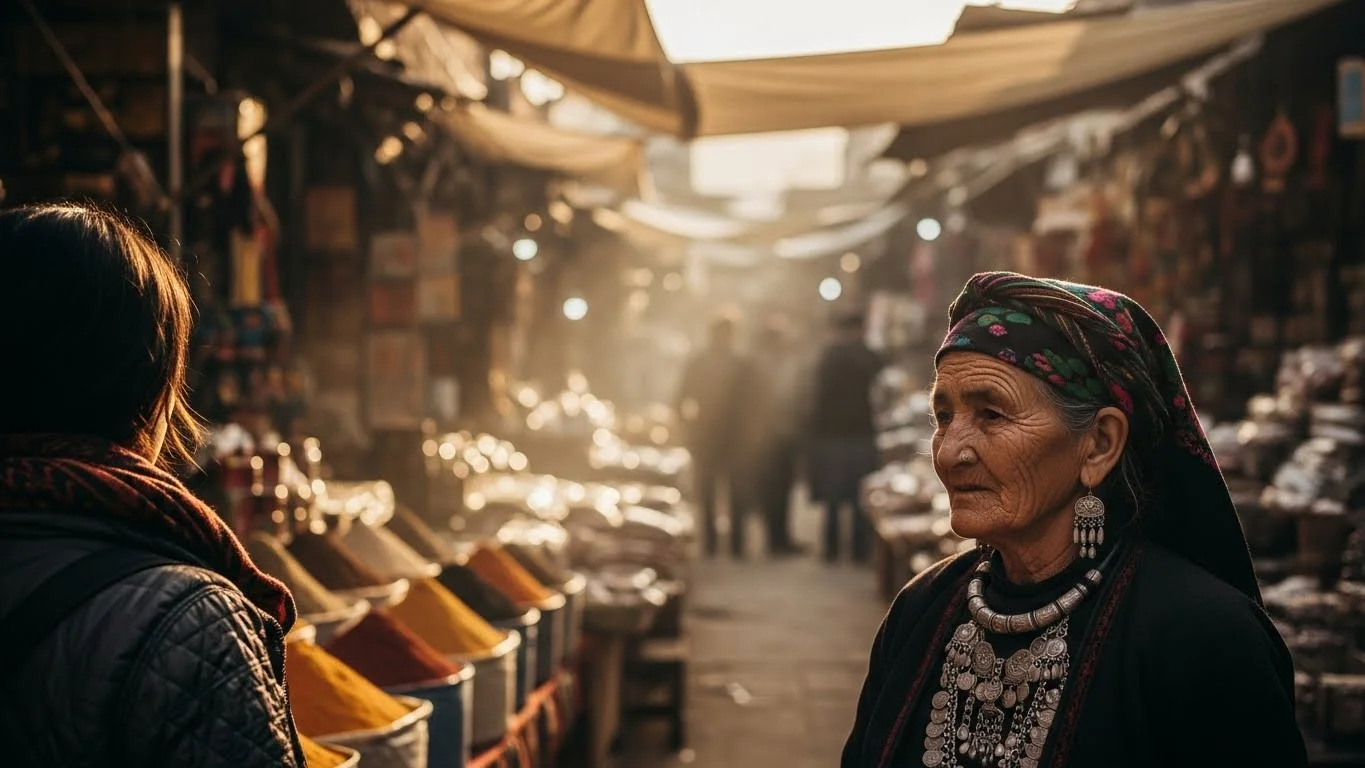
In contrast, rural settings can provide a more intimate glimpse into cultural identities. When photographing families in rural communities, I often discover traditions that have been passed down through generations. I remember visiting a small village where I met an elderly woman who shared her family’s traditional weaving practices. I took her portrait surrounded by her handmade textiles, and it felt like I was capturing a living piece of history. The stillness of the rural environment allowed the stories to unfold more profoundly.
Portraits from Around the World: A Global Perspective
Traveling has always been a passion of mine, and I believe it enriches my perspective as a portrait photographer. Each culture I encountered offered unique insights and stories waiting to be told. For instance, during my time in Southeast Asia, I was captivated by the colorful traditional garments worn during ceremonies. The opportunity to photograph individuals in these vibrant settings allowed me to explore the intersection of culture and identity on a global scale. I found that these portraits not only celebrate the subjects but also invite viewers to appreciate the diversity of human experience.
Through my lens, I’ve seen how portraits can transcend borders, bridging gaps between cultures. Each photograph becomes a small piece of a larger narrative, reminding us of our shared humanity while honoring our differences. As I continue to capture these stories, I realize that the journey is as enriching as the images themselves, connecting us all in this beautiful tapestry of life.
Storytelling Through Portraits
Elements of a Story in Portrait Photography
As I immersed myself further into the world of portrait photography, I began to appreciate how every photograph can tell a story. I remember capturing a portrait of a young girl sitting on her grandmother’s lap, their expressions filled with warmth and love. It struck me that the bond they shared was palpable, and I realized that elements like body language, facial expressions, and even the setting could weave a narrative. I often think about how a well-composed portrait can invite the viewer into a moment, urging them to wonder about the lives and stories behind the subjects.
Every detail matters. The way a subject tilts their head, the sparkle in their eyes, or the way their hands are positioned can all contribute to the story being told. I learned that incorporating elements that suggest a backstory can enhance the narrative. For example, including a beloved toy in a child’s portrait can evoke memories of childhood innocence and joy. I strive to capture these little details that speak volumes and evoke emotions, making the viewer feel connected to the subjects.
Creating Emotion and Connection
Creating a strong emotional connection through portrait photography has become one of my personal goals. I’ve found that when I genuinely connect with my subjects, something magical happens. There was a time I photographed a man who had just overcome significant personal challenges. I took the time to listen to his story before we started the session, and this connection transformed the energy of the shoot. The vulnerability and strength he displayed were breathtaking, and the resulting portrait captured a moment of triumph. It reminded me that photography is not just about the image itself but about the emotions we can evoke.
I often consider how the eyes can be the most powerful tool in conveying emotion. I strive to capture that spark—whether it’s joy, sorrow, or contemplation. I remember watching a portrait of an elderly woman whose eyes told stories of a long, rich life. I sat with her, asking about her past, and as she spoke, I saw the depth behind her gaze. I knew then that the connection fostered during the shoot would translate into the final image, resonating with anyone who viewed it.
Photographic Techniques for Storytelling
To effectively tell stories through my portraits, I’ve learned to employ various photographic techniques. One of my favorites is using depth of field to isolate the subject from their background, allowing the viewer to focus on the emotions being portrayed. This technique adds a layer of intimacy to portraits, making the subject feel closer to the viewer. I recall a poignant moment when I took a portrait of a child holding a colorful balloon in a crowded park. By blurring the chaotic background, I was able to focus solely on the child’s happiness, creating a story about the simplicity and joy of childhood.
Additionally, I’ve explored the use of light and shadows to enhance storytelling. Natural light can create soft, flattering portraits, while dramatic lighting can evoke a sense of mystery or tension. I remember a late afternoon shoot where the shadows cast on my subject’s face added texture and depth, enriching the narrative I aimed to convey. I realized that light is an artist of its own, shaping the mood and character of the portrait.
Experimenting with angles and perspectives has also opened new doors in my storytelling journey. I’ve found that shooting from above can give a sense of vulnerability, whereas a low angle can make the subject appear more powerful. Each choice I make plays a role in how the story unfolds through the lens, and I find immense joy in exploring these creative avenues.
Equipment and Tools for Portrait Photography
Camera and Lens Choices
When I first started in portrait photography, I was overwhelmed by the choices available. I remember standing in a camera store, staring at rows of equipment, trying to figure out what would work best for me. After some trial and error, I realized that the camera body is important, but the lens can be a game-changer. I’ve come to favor prime lenses for portraits because they allow for beautiful background blur, enhancing the focus on my subjects. My go-to lens is a 50mm f/1.8, which provides a lovely bokeh effect and works well in various lighting conditions.
I’ve also learned the value of investing in a good zoom lens for versatility. When photographing events, having the ability to zoom in on candid moments without disturbing the scene has been invaluable. I often switch between lenses depending on the story I want to tell—whether it’s a tight portrait of an individual or a wider shot capturing the environment around them.
Lighting Techniques for Portraits
Lighting is one of the most critical aspects of portrait photography. I’ve experimented with natural and artificial lighting, and each has its unique charm. I enjoy natural light for its softness, but I’ve also discovered the power of using flash or continuous lights to create dramatic effects. One of my favorite techniques is using a softbox to diffuse light gently; it creates a flattering glow that enhances skin tones beautifully. I remember a shoot where I used a simple reflector to bounce light onto my subject’s face, illuminating their features and making the portrait feel lively and engaging.
Another technique I love is backlighting, where the light source is behind the subject, creating a halo effect. I often find this to be particularly effective during golden hour, as it adds warmth and a sense of magic to the images. It’s moments like these that remind me of the power of light in storytelling—it can transform an ordinary scene into something extraordinary.
Editing Software and Techniques
Editing has become an integral part of my portrait photography process. I remember feeling intimidated by editing software at first, but I quickly realized its potential to enhance my images. I use Lightroom for its user-friendly interface, allowing me to adjust exposure, contrast, and colors easily. I often find myself fine-tuning the skin tones to maintain natural appearance while ensuring they stand out in the portrait.
Photoshop is another tool I’ve grown to appreciate, especially for detailed retouching. I remember being hesitant about retouching my subjects, fearing it might take away from their authenticity. However, I’ve learned that subtle adjustments can help bring out the best features without losing their essence. It’s all about striking that balance between enhancement and authenticity, ensuring that the final image tells the true story of the person in front of my lens.
Frequently Asked Questions
What is the essence of portrait photography?
Portrait photography captures the nuances of a person’s expression and their story, creating a connection between the photographer and the subject. It is more than just taking pictures; it involves understanding who individuals are and what they represent.
How has portrait photography evolved over time?
Portrait photography began in the early 19th century with the daguerreotype process, which captured detailed images on metal plates. As technology progressed, the introduction of film and later digital technology made photography more accessible and allowed for instant feedback and editing capabilities.
What are some key techniques in portrait photography?
Key techniques include understanding lighting, composition, and posing. Natural light can create a flattering look, while composition can dramatically change the viewer’s perception. Engaging with subjects can help direct them to achieve flattering and natural poses.
What are different styles of portraits mentioned in the article?
The article discusses various styles, including formal studio portraits, candid street photography, environmental portraiture, and abstract portraits. Each style tells a unique story and can convey different emotions and cultural contexts.
How is cultural identity expressed in portrait photography?
Cultural identity in portraits encompasses shared values, traditions, languages, and experiences. Photographers aim to capture more than just a face, telling stories that resonate with collective identities through clothing, accessories, and the environment depicted.
What role does symbolism play in cultural portraits?
Symbolism is significant in cultural portraits, where details like clothing and accessories can hold meaning related to a subject’s family history and cultural roots. Conversations with subjects about their attire can reveal deeper layers of significance.
How do color and composition affect cultural narratives in portraits?
Color can evoke emotions and set the tone for a portrait, while composition helps express cultural narratives. By experimenting with framing and angles, photographers can emphasize a subject’s connection to their environment and enrich the story being told.
What is the importance of storytelling in portrait photography?
Every portrait can tell a story through body language, facial expressions, and settings. Capturing details that suggest backstories can enhance the narrative and connect viewers more deeply to the subjects.
What equipment is recommended for portrait photography?
For portrait photography, a good camera body and prime lenses, such as a 50mm f/1.8, are recommended for beautiful background blur. A zoom lens is also useful for versatility, especially in capturing candid moments during events.
How does editing enhance portrait photography?
Editing is an integral part of the portrait photography process, allowing photographers to adjust exposure, contrast, and colors to enhance images. Tools like Lightroom and Photoshop help maintain natural appearances while highlighting the subjects’ best features.