
Carbon offsetting is becoming a key player in eco-tourism, offering a way to mitigate travel-related emissions. Understanding its impact can help us make more sustainable choices while exploring the world. Read Interesting article: Exploring Carbon Offsetting: A Game Changer for Eco-Tourism
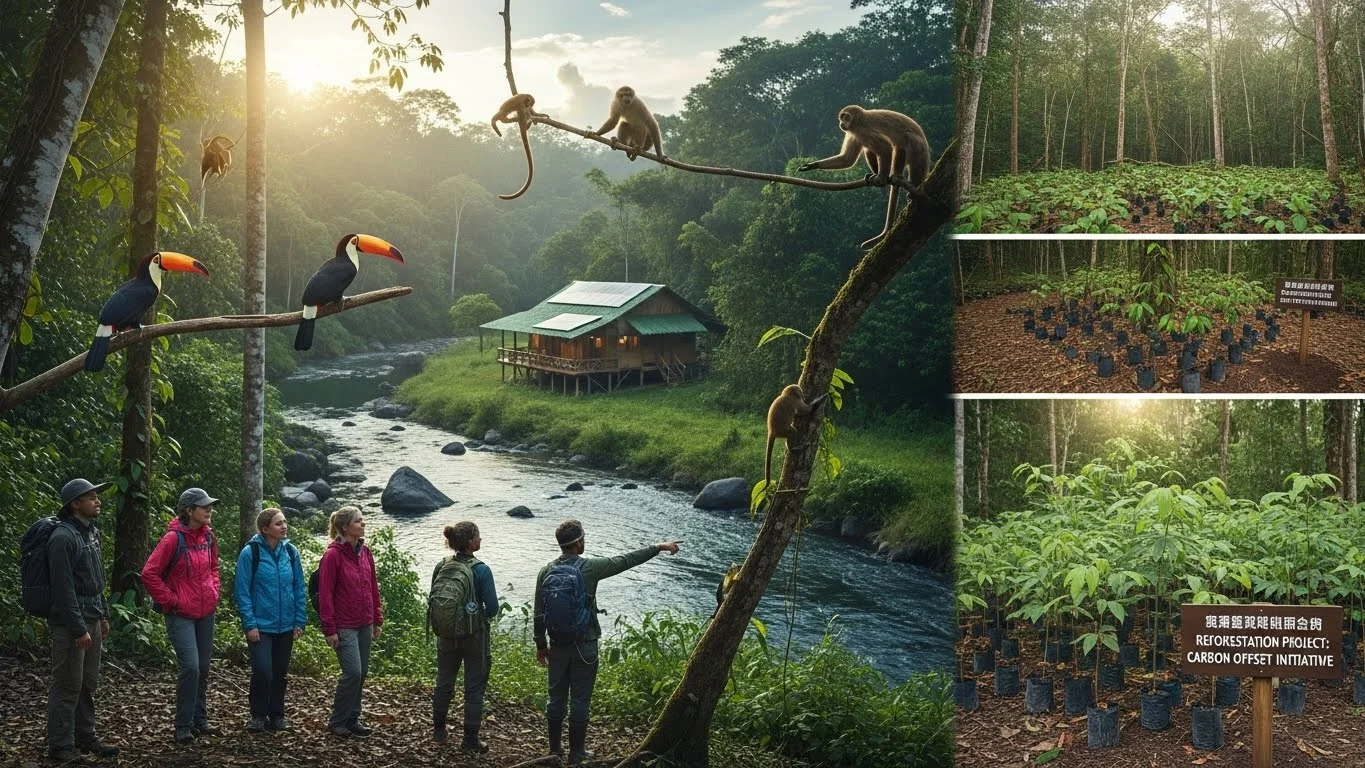
Understanding Carbon Offsetting
What is Carbon Offsetting?
When I first heard about carbon offsetting, I thought it was just another buzzword thrown around in environmental discussions. However, I quickly learned that it’s a significant concept in the fight against climate change. Simply put, carbon offsetting allows individuals and organizations to compensate for their greenhouse gas emissions by investing in projects that reduce or remove carbon dioxide from the atmosphere. This could be through renewable energy projects, reforestation efforts, or energy efficiency improvements. In essence, it’s about balancing the scales of our carbon footprint.
How Carbon Offsetting Works
Learning how carbon offsetting works was an eye-opener for me. The process begins with calculating the total emissions produced, which can come from transportation, accommodation, and activities during a trip. Once you have that number, you can purchase carbon credits from projects that aim to reduce emissions. Each carbon credit typically represents one ton of carbon dioxide reduced or removed from the atmosphere. It’s a way of paying for the good that someone else is doing to help counterbalance your own impact.
For example, when I traveled to Costa Rica, I noticed options for carbon offsetting at the airport. I was intrigued to learn that by contributing to a reforestation project, I could offset my flight emissions. The project not only aimed to plant trees but also supported local wildlife and communities, making it a win-win for both the environment and the local economy.
Types of Carbon Offsetting Projects
During my exploration of carbon offsetting, I discovered various types of projects that make a positive impact. Here are some of the most common ones:
- Forestry Projects: These involve planting trees or preserving existing forests, which absorb carbon dioxide as they grow. I found it fascinating that a single mature tree can absorb about 48 pounds of carbon dioxide per year!
- Renewable Energy Projects: Investing in solar, wind, or hydroelectric power reduces reliance on fossil fuels. I remember visiting a solar farm during my travels and being amazed at how much energy could be harnessed from the sun.
- Energy Efficiency Projects: These initiatives aim to reduce energy consumption through upgrades or technology improvements. I learned that even something as simple as retrofitting buildings can have a significant impact on carbon emissions.
- Agricultural Projects: Sustainable farming practices can help sequester carbon and reduce emissions. I met farmers who were implementing innovative methods to enhance soil health while producing food sustainably.
Each of these projects plays a vital role in the larger picture of carbon offsetting. I believe that by supporting such initiatives, we can not only offset our personal emissions but also contribute to global efforts in combatting climate change. Read Interesting article: How Carbon Offsetting Boosts Eco-Tourism: A Complete Guide
The Link Between Carbon Offsetting and Eco-Tourism
Defining Eco-Tourism
Eco-tourism has always intrigued me. It’s about traveling responsibly, respecting natural environments, and supporting local cultures. I’ve experienced trips where I felt deeply connected to nature, and it made me realize how important it is to protect our planet. Eco-tourism promotes sustainability by encouraging travelers to appreciate and preserve the places they visit. In my opinion, it’s not just a vacation; it’s a way to engage with the world in a meaningful way.
The Role of Sustainability in Eco-Tourism
Sustainability is at the heart of eco-tourism. It’s about minimizing our environmental impact while maximizing the benefits for local communities. I remember visiting a small village in Thailand where the locals had embraced eco-tourism. They used traditional methods to create sustainable crafts, and the income from tourists helped fund schools and healthcare. This experience reinforced my belief that when we travel sustainably, we can make a positive difference.
How Carbon Offsetting Enhances Eco-Tourism
Integrating carbon offsetting into eco-tourism is a natural fit. When I learned that many eco-tourism operators offer carbon offset options, I felt more empowered as a traveler. By choosing to offset my emissions, I was actively participating in protecting the very ecosystems I came to explore. For instance, I once booked a tour that included a carbon offset contribution, and I felt good knowing that my travels were supporting reforestation efforts in the region.
Moreover, carbon offsetting can enhance the experience of eco-tourism by creating a sense of shared responsibility among travelers. It fosters a community of like-minded individuals who care about the environment. I found that discussing carbon offsetting with fellow travelers sparked meaningful conversations and a deeper connection to the destinations we visited.
In my view, the synergy between carbon offsetting and eco-tourism creates a powerful opportunity for us to enjoy our travels while nurturing the planet. By embracing this approach, we can pave the way for a more sustainable future, one journey at a time. Read Interesting article: Top Carbon Offset Travel Options for Eco-Conscious Backpackers
Benefits of Carbon Offsetting for Eco-Tourism
Reducing Carbon Footprint
One of the most significant benefits of carbon offsetting, especially in eco-tourism, is the reduction of our carbon footprint. Every time I travel, I’m acutely aware of the emissions my journey generates, from flights to local transportation. By investing in carbon offset projects, I feel like I’m taking a proactive step to balance that impact. It’s more than just a number; it’s about making a commitment to the planet. For example, when I offset my emissions from a recent trip to the Amazon rainforest, I knew that my contribution was helping to protect the very ecosystem that was so breathtakingly beautiful. It gave me a sense of responsibility, knowing I was doing my part to lessen the environmental toll of my travels.
Supporting Local Communities
Carbon offsetting often means supporting projects that directly benefit local communities. I remember visiting a community in Madagascar where locals were involved in a reforestation project funded by carbon credits. The initiative not only aimed to restore their natural habitat but also provided jobs and resources for education and healthcare. It was inspiring to see how carbon offsetting could create a ripple effect, where the benefits extended beyond the environment and into the lives of the people living there. I believe that when we support these projects, we help empower communities to thrive while preserving their natural surroundings.
Promoting Biodiversity Conservation
Another remarkable aspect of carbon offsetting is its role in promoting biodiversity conservation. During my travels, I’ve witnessed firsthand the delicate balance of ecosystems and the urgent need to protect them. By participating in carbon offset programs that focus on preserving habitats, I know I’m contributing to the protection of countless species. For instance, I visited a coastal region where a carbon offset project was designed to restore mangroves. These ecosystems are crucial for protecting coastal areas from erosion and supporting diverse marine life. It was a beautiful reminder that our actions, even as tourists, can contribute to safeguarding the planet’s rich biodiversity.
Attracting Environmentally Conscious Travelers
As more travelers become aware of their environmental impact, carbon offsetting is increasingly attracting those who prioritize sustainable travel. I’ve noticed a growing trend where eco-tourism operators highlight their carbon offset programs, appealing to travelers who want to make a positive difference. This awareness is exciting because it creates a community of like-minded individuals who care about the planet. On one of my recent trips, I joined a group that actively discussed our carbon offset contributions and the projects we were supporting. The conversations we had made the experience even more enriching, as we connected over shared values and a commitment to sustainability.
Challenges and Criticisms of Carbon Offsetting in Eco-Tourism
Effectiveness of Offsetting Projects
While carbon offsetting offers many benefits, I’ve also encountered some skepticism regarding the effectiveness of offsetting projects. It’s essential to recognize that not all projects are created equal. I’ve learned that some initiatives might not deliver the promised results or could take years to produce measurable impacts. For me, it’s a reminder to do thorough research before investing in any carbon offset program. I want to ensure that my contributions are genuinely making a difference and that the projects are credible and well-managed.
Greenwashing Concerns
Greenwashing has become a significant concern in the realm of carbon offsetting. It’s disheartening when organizations promote themselves as environmentally friendly without actually taking meaningful steps toward sustainability. I’ve seen travel companies that market their services as eco-conscious while lacking genuine commitment to carbon offsetting. This can be frustrating for travelers like us who want to make responsible choices. I’ve made it a habit to ask questions and dig deeper into the claims made by companies before booking my trips. It’s crucial for us to be informed and to support those who genuinely prioritize the environment.
Measuring Impact and Accountability
Measuring the true impact of carbon offsetting can also be a challenge. I remember reading about various methods used to quantify the benefits of offset projects, and it made me realize how complicated it can be to track progress. Transparency and accountability are vital, and I believe that offset projects should provide clear metrics for their impact. As a traveler, I want to feel confident that my efforts contribute to real change and not just numbers on a page. I think it’s essential for companies to share their progress openly so we can see the tangible results of our contributions.
How to Choose Carbon Offsetting Options as a Traveler
Researching Carbon Offset Programs
When it comes to carbon offsetting, I’ve found that doing thorough research is key. Initially, I didn’t know where to start, but with time, I learned to look for reputable programs that align with my values. I begin by exploring the different organizations offering carbon credits. Online resources and reviews can provide insights into their credibility and the projects they support. I often check if they are certified by established standards like the Verified Carbon Standard (VCS) or the Gold Standard, which gives me peace of mind knowing that the projects have undergone rigorous evaluation.
While researching, I also pay attention to the types of projects they fund. I feel more connected to programs that support reforestation efforts or renewable energy initiatives, especially those that have a tangible impact on local communities. It’s like piecing together a puzzle; each project I consider brings me closer to understanding how my contributions can make a difference.
Evaluating Credibility and Transparency
Once I have a few potential options, I focus on evaluating their credibility and transparency. I remember a particular instance when I came across a program that was vague about its project details. It raised red flags for me, and I decided to dig deeper. I look for organizations that share clear information about their projects, including measurable outcomes and how they monitor their progress. I appreciate when they provide regular updates on the impact of contributions, as it reinforces my belief that my investment is doing good.
Another aspect I consider is third-party verification. Programs that undergo external audits are often more reliable. I think it’s essential for us as travelers to hold these programs accountable. When I see a commitment to transparency, it builds trust and encourages me to support their initiatives.
Integrating Offsetting into Travel Plans
Integrating carbon offsetting into my travel plans has become a natural part of my journey. I’ve learned that it’s not just an afterthought; rather, it’s something I weave into the entire experience. When booking flights, accommodations, or tours, I actively seek out options that offer carbon offsetting as part of the package. For example, I once booked a hiking tour in the mountains, and the operator included an option to offset emissions. It felt great to know that my adventure was contributing to local conservation efforts.
I’ve also started to discuss carbon offsetting with my travel companions. Sharing information about the benefits and importance of offsetting can encourage others to join the effort. On a recent trip with friends, we collectively decided to offset our emissions for the flights we took, and it sparked meaningful conversations about sustainability in travel. It’s amazing how a simple choice can create a ripple effect, inspiring others to think about their impact.
Case Studies of Successful Carbon Offsetting in Eco-Tourism
Notable Eco-Tourism Destinations Implementing Offsetting
As I explored various eco-tourism destinations, I became fascinated by how some places have successfully integrated carbon offsetting into their tourism strategies. One standout example is Costa Rica, a country renowned for its commitment to sustainability. I was amazed to learn that many eco-lodges offer carbon offset programs as part of their operations. They not only focus on sustainable practices within their facilities but also invest in local projects that promote biodiversity and conservation.
During my time in Costa Rica, I visited a lodge that proudly displayed its commitment to carbon neutrality. They partnered with reforestation projects, and every guest’s stay contributed to planting trees. It was rewarding to know that I was part of something larger than myself, contributing to the restoration of habitats while enjoying the beauty of the country.
Successful Projects and Their Impact
Another project that left a lasting impression on me was in Madagascar, where I witnessed the incredible impact of a carbon offset initiative focused on preserving the unique biodiversity of the island. The project aimed to protect endangered species and restore native forests through community involvement. I met local families who were directly benefiting from the initiative, as they received training in sustainable farming practices and alternative income sources. It was heartwarming to see how carbon offsetting created jobs while preserving the environment.
This experience taught me that successful carbon offset projects go beyond just reducing emissions; they empower communities and foster a sense of stewardship over their natural resources. As travelers, when we support these projects, we are helping to create a future where both people and the planet can thrive together. This connection between the environment and local communities is something I carry with me on all my travels, and it motivates me to continue seeking out opportunities to make a positive impact.
Future Trends in Carbon Offsetting and Eco-Tourism
Innovations in Carbon Offsetting Technology
As I’ve delved deeper into the world of carbon offsetting, I’ve noticed some exciting innovations taking shape. Technology is playing a significant role in enhancing how we approach carbon offsetting. For instance, blockchain technology is being used to create more transparent and traceable carbon credits. I find it fascinating that this technology can ensure that every dollar spent on carbon offsetting is going to the right project, reducing the chances of fraud. It gives me peace of mind knowing that my contributions are genuinely making a difference.
Additionally, the rise of mobile apps and platforms that allow travelers to calculate their carbon footprint on-the-go is something I’ve seen gaining traction. These tools empower us to make real-time decisions about our travel choices, encouraging more sustainable habits. I remember using an app during my last trip that helped me calculate the emissions from my flights and suggested specific offset programs tailored to my itinerary. It made the whole process feel seamless and integrated into my travel experience.
Policy Changes and Industry Regulations
Another trend I’m excited about is the growing recognition of carbon offsetting in policy-making and industry regulations. Governments around the world are starting to integrate carbon offsetting into their environmental strategies. I read about countries that are implementing mandatory carbon accounting for airlines and travel companies, which could significantly impact the eco-tourism sector. This move reflects a broader shift toward accountability and sustainability within the travel industry.
In my opinion, as more regulations come into play, we’ll likely see an increase in the number of eco-friendly travel options. Companies that prioritize sustainability will stand out, and travelers will have more opportunities to engage in practices that benefit the environment. It’s reassuring to witness these changes, knowing that they promote a collective effort to combat climate change.
Shifting Traveler Preferences and Behaviors
One of the most profound changes I’ve observed in recent years is the shift in traveler preferences towards sustainable and responsible tourism. More people, including myself, are actively seeking out eco-friendly options and supporting businesses that prioritize sustainability. I remember discussing this trend with fellow travelers during a recent trip; we all shared our excitement about finding accommodations and experiences that aligned with our values.
This changing mindset is likely to influence how travel companies operate. As demand for carbon offsetting increases, I believe we’ll see more innovative offerings that not only cater to eco-conscious travelers but also educate others about the importance of sustainable practices. The potential for growth in this sector is immense, and it feels empowering to be part of a movement that prioritizes our planet’s health.
Final Thoughts
Reflecting on my journey through carbon offsetting and eco-tourism, I feel a deep sense of hope. The initiatives and projects I’ve encountered demonstrate that we can make a real difference, not just in our travels but in the world around us. By choosing to offset our carbon emissions, support local communities, and engage with nature responsibly, we contribute to a more sustainable future for everyone.
I’ve learned that every little action counts. Whether it’s supporting a reforestation project or choosing a sustainable travel operator, we hold the power to impact our planet positively. As travelers, we must embrace this responsibility and inspire those around us to do the same. Together, we can create a beautiful harmony between exploration and conservation, leaving a legacy of sustainability for future generations.
Frequently Asked Questions
What is carbon offsetting?
Carbon offsetting is a concept that allows individuals and organizations to compensate for their greenhouse gas emissions by investing in projects that reduce or remove carbon dioxide from the atmosphere, such as renewable energy projects, reforestation efforts, or energy efficiency improvements.
How does carbon offsetting work?
The process of carbon offsetting begins with calculating the total emissions produced during a trip, which can come from transportation, accommodation, and activities. Individuals can then purchase carbon credits from projects that aim to reduce emissions, with each credit typically representing one ton of carbon dioxide reduced or removed from the atmosphere.
What types of projects are involved in carbon offsetting?
Common types of carbon offsetting projects include forestry projects (planting trees or preserving forests), renewable energy projects (investing in solar, wind, or hydroelectric power), energy efficiency projects (reducing energy consumption through upgrades), and agricultural projects (implementing sustainable farming practices).
How does carbon offsetting relate to eco-tourism?
Carbon offsetting integrates naturally with eco-tourism by allowing travelers to take proactive steps in mitigating their environmental impact. Many eco-tourism operators offer carbon offset options, enabling travelers to support sustainability and conservation efforts in the ecosystems they visit.
What are the benefits of carbon offsetting in eco-tourism?
Benefits of carbon offsetting in eco-tourism include reducing carbon footprints, supporting local communities through funded projects, promoting biodiversity conservation, and attracting environmentally conscious travelers who prioritize sustainable travel practices.
What challenges and criticisms exist regarding carbon offsetting?
Challenges related to carbon offsetting include skepticism about the effectiveness of offsetting projects, concerns about greenwashing where organizations falsely promote environmental friendliness, and difficulties in measuring the true impact and accountability of these projects.
How can travelers choose carbon offsetting options?
Travelers can choose carbon offsetting options by researching reputable programs, evaluating their credibility and transparency, and integrating offsetting into their travel plans, such as looking for flights, accommodations, or tours that include carbon offsetting as part of the package.
Can you provide examples of successful carbon offsetting initiatives in eco-tourism?
Successful examples include eco-lodges in Costa Rica that offer carbon offset programs and a reforestation initiative in Madagascar that protects biodiversity while providing local communities with jobs and sustainable practices.
What future trends are emerging in carbon offsetting and eco-tourism?
Future trends include innovations in carbon offsetting technology such as blockchain for transparency, policy changes that integrate carbon offsetting into regulations, and a shift in traveler preferences towards sustainable and responsible tourism.
What is the overall impact of carbon offsetting on travelers and the environment?
The overall impact of carbon offsetting allows travelers to actively contribute to a more sustainable future by supporting environmental initiatives, reducing their carbon footprint, and fostering a sense of community among eco-conscious individuals.