
Traveling is one of life’s greatest joys, but packing for your adventures can be daunting. With climate change altering weather patterns, preparing wisely for any destination has never been more important. Read Interesting article: Eco-Friendly Cycling: Tips for Sustainable Adventures
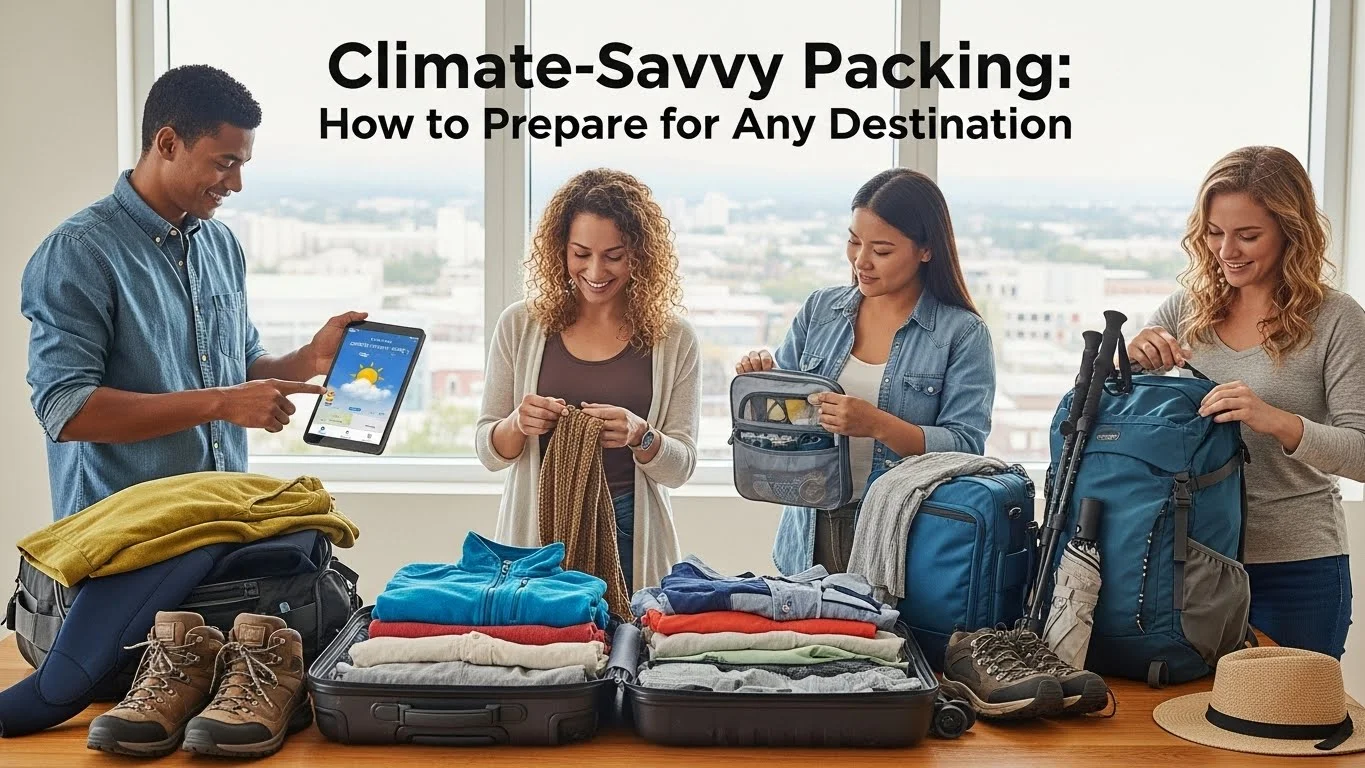
Understanding Climate-Savvy Packing
The Importance of Sustainable Travel
When I first started traveling, I didn’t give much thought to how my choices impacted the environment. I remember packing my bags without considering where my clothes were made or how they would affect the planet. As I learned more about sustainable travel, I realized that every trip I took was an opportunity to make a positive impact. Sustainable travel isn’t just a trend; it’s a responsibility we all share. By making eco-friendly choices, we can help protect our planet for future generations. I feel empowered by the idea that through mindful packing and travel, we can leave a smaller footprint.
How Climate Affects Packing Choices
Climate plays such a vital role in determining what we should pack. I’ve been in situations where I packed for a sunny beach vacation, only to arrive and find it raining for days. I learned the hard way that understanding the climate of my destination is key. Each climate zone—whether tropical, temperate, or cold—requires different considerations in terms of clothing, gear, and accessories. I’ve come to appreciate the diversity of environments we can encounter and how they shape our experiences. It’s fascinating to see how the weather can influence not just what we wear, but also how we feel and interact with the world around us. Read Interesting article: Explore Exotic Destinations with Budget-Friendly Villas
Assessing Your Destination’s Climate
Tropical Destinations
Packing for a tropical destination is probably one of my favorite experiences. The thought of sun, sand, and sea always gets me excited. However, I learned that the tropics can be humid and unpredictable. One thing I always remember is to check for the rainy season. Lightweight, breathable fabrics are essential. I usually opt for quick-drying clothes that can handle sudden downpours. I also pack a compact rain jacket and a wide-brimmed hat for sun protection. And let’s not forget sunscreen! I’ve had my fair share of sunburns, and I think we can all agree that preventing them is much better than dealing with the aftermath.
Temperate Regions
Traveling to temperate regions is a bit of a balancing act. I’ve found that packing for these areas means preparing for variable weather. Layering is key! I typically bring a mix of short and long-sleeved shirts, along with a light jacket. This way, I can adapt to whichever mood Mother Nature decides to show. I also carry a versatile scarf or shawl that can double as warmth or a stylish accessory. The charm of visiting temperate climates is that you get to experience the beauty of changing seasons, but it does require a bit of foresight in packing.
Cold Weather Locations
I remember my first trip to a cold weather destination—it was a real eye-opener. Packing for freezing temperatures requires thoughtful preparation. I learned that layering is crucial, but so is the quality of the gear. I always invest in a good quality insulated jacket and thermal undergarments. Wool socks and waterproof boots have become staples in my packing list. I’ve experienced the discomfort of cold feet, and it’s not something I want to repeat. Gloves and hats are also non-negotiables; a warm beanie can make all the difference in feeling cozy while exploring snowy landscapes.
As I’ve traveled more, I’ve discovered that understanding the climate is only the first step. Packing is an art, and with each trip, I refine my approach. The beautiful thing about climate-savvy packing is that it not only enhances our travel experience but also allows us to be more mindful of our impact on the environment. The next time I pack my bags, I’ll keep these lessons close to heart as I prepare for my next adventure.
Essential Packing Strategies for Different Climates
Layering for Temperature Variability
One of the biggest lessons I’ve learned about packing is the art of layering. Whether I’m heading to the mountains or exploring a city with unpredictable weather, layers can make all the difference. I remember a trip I took to San Francisco, where the weather changed from sunny to foggy in the blink of an eye. I found myself grateful for my decision to wear a tank top under a light sweater, topped with a jacket. This way, I could easily adapt to whatever the day threw at me. I recommend starting with a base layer, like a moisture-wicking shirt, then adding a mid-layer for warmth, and finishing off with an outer layer that provides wind and water protection. This strategy not only keeps me comfortable but also helps me pack lighter, as I can mix and match my layers throughout my trip.
Choosing Breathable Fabrics for Humidity
Humidity can be a challenge, especially in tropical destinations. I remember stepping off a plane in a humid climate and instantly feeling the weight of the air. It was uncomfortable, and I quickly learned that the right fabrics can make all the difference. I’ve found that lightweight, breathable materials like cotton, linen, and moisture-wicking synthetic fabrics are best for keeping cool and dry. I typically pack a couple of quick-drying shirts and shorts that can handle sweat while still looking stylish. Additionally, I’ve started to choose lighter colors, which reflect sunlight rather than absorbing it. Packing a few airy dresses or flowy pants has also become a favorite because they keep me comfortable while allowing for maximum airflow.
Insulating Gear for Cold Climates
When it comes to cold weather, I can’t stress enough the importance of quality insulating gear. During my first winter trip to the Rockies, I froze more than I’d like to admit because I underestimated the cold. Now, I opt for thermal base layers made from materials like merino wool, which provide excellent insulation without adding bulk. I also make sure to have a sturdy, insulated jacket that can withstand wind and snow. I’ve learned to invest in good-quality gloves and hats, as they can significantly enhance my comfort level. On top of that, I always carry hand warmers in my pockets for those extra chilly moments. Being prepared for the cold has turned my winter adventures from a test of endurance into enjoyable experiences.
Eco-Friendly Packing Essentials
Sustainable Clothing Brands
As I’ve become more mindful of my travel impact, I’ve sought out sustainable clothing brands that align with my values. I remember discovering brands that use recycled materials or organic cotton, and it’s made a big difference in how I shop for travel clothes. Some of my favorites include Patagonia and Tentree, both of which focus on environmentally friendly practices. I feel good knowing that my clothes are not only stylish but also made with care for the planet. When packing, I try to choose versatile pieces that I can wear in multiple settings, reducing the need for extra items. This way, I can travel light and still look good while being eco-conscious.
Reusable Travel Accessories
One of the best decisions I’ve made is to switch to reusable travel accessories. I used to rely on single-use items, but I realized how much waste that created. Now, I always pack a reusable water bottle, which has saved me money and reduced plastic waste. I also carry a set of reusable utensils and a straw, which has come in handy more times than I can count. Not only do these items help the environment, but they also make me feel like I’m doing my part to promote sustainability on my travels. I’ve discovered that small changes can lead to significant impacts, and it feels great to contribute positively.
Biodegradable Toiletries and Supplies
Bathroom supplies are another area where I’ve made more eco-friendly choices. I used to stock up on travel-sized toiletries without thinking about their environmental impact. Now, I opt for biodegradable toiletries, like shampoo bars and solid lotions, which are not only better for the planet but also lightweight and compact for packing. I’ve found that many eco-friendly brands offer refillable containers, which I can use again and again, reducing waste. Plus, these products often have fewer chemicals, making them kinder to my skin. It’s a win-win! Read Interesting article: Top 10 Budget-Friendly Religious Festivals to Experience
Traveling Light: The Art of Minimal Packing
Benefits of a Capsule Wardrobe
Embracing a capsule wardrobe has transformed my packing experience. I used to struggle with overpacking, always worried that I’d need options for every occasion. However, I discovered that having a limited number of versatile pieces made my travel both simpler and more enjoyable. By curating a capsule wardrobe filled with items that mix and match easily, I can create multiple outfits without taking up much space. I like to choose a color palette that allows me to coordinate my clothing effortlessly. This approach not only lightens my load but also gives me peace of mind, knowing that I have everything I need without excess.
Multi-Functional Clothing Items
Multi-functional clothing items are a game changer for travelers like me. I’ve found great joy in packing clothes that serve more than one purpose. For instance, I own a dress that can be dressed up for an evening out or worn casually during the day. Similarly, I’ve come across pants that convert into shorts, which is perfect for those unexpected temperature changes. Packing these kinds of items allows me to be prepared for different situations without overloading my luggage. Plus, they often save space, giving me room for other essentials like souvenirs or snacks!
Tools and Gadgets for Climate-Savvy Travelers
Portable Water Purifiers
When I first started traveling, I didn’t think much about the water I was drinking. I would rely on bottled water, which I quickly realized was not only expensive but also generated a lot of plastic waste. That’s when I discovered portable water purifiers, and they completely changed my travel experience. I remember being in a remote area where access to clean water was limited, and having my purifier gave me peace of mind. It’s a small gadget that can filter out impurities, making it safe to drink water from streams or taps. This not only saves money but also helps reduce plastic waste. I always carry mine, and I feel empowered knowing I can stay hydrated while being eco-friendly. It’s one of those tools that I think every traveler should have in their packing arsenal.
Solar Chargers and Eco-Friendly Tech
In our tech-driven world, staying connected while being mindful of energy consumption is essential. I’ve found that solar chargers are a fantastic addition to my travel gear. On my last hiking trip, I relied on my solar charger to keep my devices powered without drawing from the grid. It was incredible to see how the sun could fuel my electronics while I was out enjoying nature. I recommend looking for solar chargers that are compact and lightweight, making them easy to pack. Additionally, I’ve started using eco-friendly tech, like energy-efficient power banks and devices made from sustainable materials. These gadgets not only help reduce my carbon footprint but also enhance my travel experience by keeping me connected to loved ones and useful travel apps.
Destination-Specific Packing Lists
Packing for a Beach Vacation
Beach vacations are all about relaxation and fun in the sun, but packing wisely can really enhance the experience. I usually start with the essentials: a good swimsuit, a beach towel, and flip-flops. I also make sure to pack a cover-up that can transition from beach to boardwalk effortlessly. One thing I’ve learned is to include a waterproof phone case or a dry bag to protect my valuables. Sun protection is a priority for me; that means packing both sunscreen and a wide-brimmed hat. I’ve learned the hard way that staying protected from the sun can make or break a beach day. If I plan on being active, I also throw in a pair of water shoes and a lightweight backpack for easy carrying. My beach packing list is all about ensuring I have what I need to enjoy my time without worrying about what I forgot.
Packing for a Mountain Adventure
When I think about mountain adventures, I get excited about the beauty and the thrill of exploring the great outdoors. But packing for these trips can be a bit more complex. I always start with sturdy hiking boots; I’ve learned that a good pair can make all the difference in comfort and safety on the trails. I also prioritize moisture-wicking clothing and layering options. It’s so important to be prepared for changing weather conditions in the mountains. On one hike, I experienced sunny skies in the morning and a sudden snowstorm by afternoon! Now, I always pack a waterproof jacket, thermal layers, and a hat to keep warm. Finally, I make sure to have a decent backpack with enough capacity to hold water, snacks, and a first-aid kit. Preparation has turned my mountain adventures from stressful to enjoyable.
Packing for a City Exploration
Cities offer a unique travel experience, and packing for urban exploration requires a different approach. I like to focus on comfort while still looking stylish. I usually pack a pair of comfortable walking shoes because I know I’ll be on my feet all day. I also choose versatile clothing that can transition from day to night. A nice pair of jeans can be dressed up or down, which is perfect for hitting museums during the day and enjoying dinner later. I’ve learned to pack a compact umbrella, too. City weather can be unpredictable, and it’s better to be prepared. Lastly, I always carry a small bag for essentials like my phone, wallet, and reusable water bottle. This keeps everything I need within easy reach as I explore the sights and sounds of the city.
How to Stay Informed About Climate Conditions
Weather Apps and Resources
Staying informed about the climate conditions of my destination is essential for a successful trip. I’ve found that weather apps are invaluable tools. I typically check multiple sources to prepare properly. My favorite app not only provides current temperatures but also forecasts for the week ahead, which helps me plan my outfits accordingly. I also look for apps that offer real-time alerts for severe weather, so I can stay safe while traveling. Alongside that, I read online forums or travel blogs where other travelers share their experiences with local weather patterns. These resources give me a clearer picture of what to expect and help me adapt my plans as needed.
Local Climate Trends and Seasonal Considerations
Understanding the local climate trends can greatly influence my packing decisions and travel experience. I remember planning a trip to a city known for its unpredictable weather and realizing that I needed to pack for all four seasons. I’ve learned to research seasonal trends in advance, including average temperatures and rainfall. Some destinations have unique weather patterns that can catch travelers off guard. I like to check historical weather data to see what similar times of year have looked like. This gives me a better idea of what to expect and helps me pack more efficiently. Understanding these nuances has turned my trips into smoother, more enjoyable journeys.
Frequently Asked Questions
What is the significance of sustainable travel?
Sustainable travel is not just a trend; it’s a responsibility we all share. By making eco-friendly choices, we can help protect our planet for future generations and leave a smaller footprint through mindful packing and travel.
How does climate affect packing choices?
Climate plays a vital role in determining what to pack for a trip. Each climate zone—whether tropical, temperate, or cold—requires different considerations in terms of clothing, gear, and accessories, influencing not just what we wear but also how we feel and interact with our environment.
What should I pack for a tropical destination?
For a tropical destination, pack lightweight, breathable fabrics, quick-drying clothes, a compact rain jacket, a wide-brimmed hat for sun protection, and sunscreen to prevent sunburn.
What are the packing tips for temperate regions?
Packing for temperate regions requires layering. Bring a mix of short and long-sleeved shirts, a light jacket, and a versatile scarf or shawl to adapt to changing weather conditions.
What essentials should I consider for cold weather locations?
When packing for cold weather, focus on layering with high-quality insulated jackets, thermal undergarments, wool socks, waterproof boots, gloves, and hats to stay warm and comfortable.
What are some eco-friendly packing essentials?
Eco-friendly packing essentials include sustainable clothing from brands that use recycled materials or organic cotton, reusable travel accessories like a water bottle and utensils, and biodegradable toiletries such as shampoo bars and solid lotions.
How can a capsule wardrobe benefit my travel packing?
A capsule wardrobe simplifies packing by allowing travelers to curate versatile pieces that mix and match easily, reducing the number of items needed and making it easier to travel light while still looking good.
What are multi-functional clothing items, and why are they useful?
Multi-functional clothing items serve more than one purpose, such as a dress that can be dressed up for an evening or worn casually during the day. They allow for packing efficiently for different situations without overloading luggage.
What tools can help with climate-savvy packing?
Useful tools for climate-savvy packing include portable water purifiers for clean drinking water, solar chargers for keeping devices powered sustainably, and eco-friendly tech like energy-efficient power banks.
How can I stay informed about climate conditions at my destination?
To stay informed, utilize weather apps that provide current temperatures and forecasts, and check local climate trends and seasonal considerations through online forums or travel blogs for a clearer picture of what to expect.