
Ready to take your mountain adventures to new heights? Climbing techniques can transform your experience, making every ascent more enjoyable and rewarding. For those looking to optimize their climbing experience while keeping costs down, check out Top Climbing Techniques Every Budget Traveler Should Know.
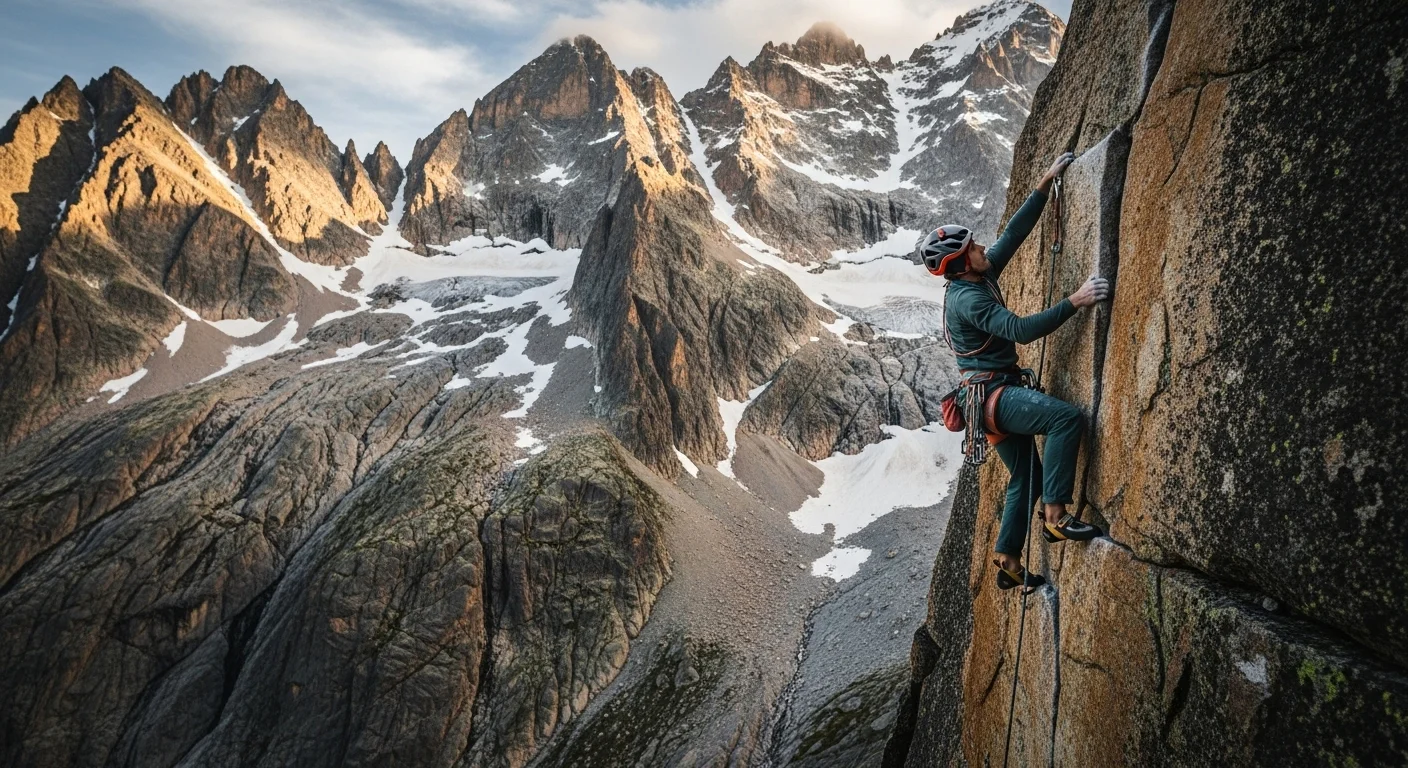
Understanding Climbing Techniques
What Are Climbing Techniques?
Climbing techniques refer to the various methods and skills climbers use to navigate different terrains and challenges in the climbing landscape. These techniques encompass everything from how we position our bodies and grip holds to our footwork and balance. I remember my first climbing experience; I was overwhelmed by the sheer number of techniques I had to learn! It felt like learning a new language. But over time, I discovered that mastering these techniques not only improved my climbing but also made me feel more connected to the rock I was scaling. Each technique has its purpose and can drastically affect your efficiency and safety while climbing.
The Importance of Technique in Climbing
When I first started climbing, I underestimated the importance of technique. I thought brute strength alone would carry me through. However, I quickly learned that technique is the backbone of successful climbing. Good technique allows climbers to conserve energy, maintain balance, and navigate complex routes. I remember a day when I was struggling on an overhang. Watching a more experienced climber move fluidly past me made me realize that it wasn’t just about muscle; it was about moving smartly and efficiently. By honing my climbing techniques, I not only became a better climber but also enjoyed the process much more. For more insights, check out Master Essential Climbing Techniques for Budget Backpacking.
Essential Climbing Techniques for Beginners
Footwork Basics
Footwork is fundamental in climbing. I used to think my hands did all the work, but I soon discovered that my feet are my best friends on the wall. Good footwork involves placing your foot precisely on holds, using the edges of your climbing shoes effectively. This means I’ve had to learn to trust my feet more. I recommend starting with the basics: practice placing just the tip of your shoe on small footholds and shift your weight onto your legs. This not only stabilizes your body but also makes it easier to reach for handholds without straining. I found that as I improved my footwork, I was able to climb more confidently and tackle tougher routes.
Handholds and Grips
Understanding handholds and grips is another crucial skill. Many beginners make the mistake of grabbing holds too tightly or in the wrong way. I remember feeling fatigued early on, simply because I was overgripping. There are different types of grips: crimp, open hand, and pinch, each suited for different holds. I found it helpful to practice each grip on various routes, paying attention to how my hand and body reacted. Learning to relax my grip when possible allowed me to climb longer and with less fatigue. A good grip is about control, not just strength. I recommend trying to maintain a light grip on holds; it makes all the difference.
Body Positioning and Balance
Body positioning can make or break a climb. It’s all about finding that sweet spot where your weight is distributed evenly. I learned that leaning my body toward the wall helps keep my center of gravity low, making it easier to reach higher holds. Balance is equally important; I often practice shifting my weight from one foot to another as I climb. This not only helps with stability but also teaches me to be more fluid in my movements. When I finally grasped the concept of balance, I felt like I was dancing on the rock rather than just climbing. I suggest taking the time to consciously think about your body positioning while climbing, as it can greatly enhance your performance.
As we explore climbing techniques, it’s clear that each skill builds upon the last. I’ve found that with practice and patience, these techniques become second nature, allowing us to immerse ourselves fully in the adventure of climbing. The journey of mastering these skills is just as fulfilling as reaching the summit itself.
Intermediate Climbing Techniques
Dynamic vs. Static Moves
As I progressed in my climbing journey, I began to realize the importance of understanding dynamic versus static moves. A dynamic move involves a quick, powerful movement where you leap or reach for a hold, relying on momentum. I remember the first time I attempted a dynamic move on a challenging route; my heart raced as I launched myself forward, fully trusting my instincts. It felt exhilarating! On the other hand, static moves are slower and more controlled, allowing you to maintain your balance and positioning without the need for a sudden burst of energy. Knowing when to use each type of move has been crucial for me. I often find that a combination of both can make a challenging route much easier to navigate. Learning to read the rock and determine the best approach has made climbing even more enjoyable.
Climbing with a Rope: Belaying Techniques
Belaying is one of those skills that, when I first learned it, changed my perspective on climbing completely. I used to think climbing was all about scaling walls, but belaying added a whole new layer of trust and teamwork. Understanding how to properly belay not only keeps my climbing partner safe but also allows us to communicate effectively during our climbs. I recall my first belaying experience; I was nervous holding the rope for my friend, but with practice, it became second nature. I learned the importance of keeping a tight brake hand and being aware of my partner’s movements. We developed a rhythm that made our climbing sessions smoother and more enjoyable. I can’t stress enough how mastering belaying techniques can enhance the overall climbing experience.
Using Climbing Gear Effectively
As I advanced in my climbing skills, I also realized that using climbing gear effectively is essential. At first, I felt overwhelmed by the variety of equipment available. From harnesses to carabiners, each piece of gear serves a specific purpose. I remember the first time I strapped into a harness; it felt foreign and a bit intimidating. However, as I began to use it regularly, I learned how to adjust it for comfort and safety. Understanding how to clip and unclip carabiners efficiently was another game-changer for me. I found it helpful to practice these skills on the ground before heading up the wall. The more familiar I became with my gear, the more confidence I built, allowing me to focus on the climb itself rather than worrying about my equipment. I recommend taking the time to familiarize yourself with any gear you plan to use; it pays off immensely on the wall.
Advanced Climbing Techniques
Crack Climbing Techniques
Crack climbing was an entirely new world for me when I first encountered it. It involves climbing up fissures in the rock, which requires specific techniques that differ significantly from traditional climbing. Learning how to jam my hands and feet into the cracks was a challenge. I remember my first experience attempting a crack climb; my hands felt sore and awkward, like they were betraying me. However, with practice, I began to appreciate the unique challenges and rewards of crack climbing. I discovered the importance of body positioning and the use of my legs to push against the crack rather than relying solely on my arms. The satisfaction of successfully navigating a crack climb is exhilarating, and I recommend giving it a try if you’re up for the challenge!
Sport Climbing Techniques
Sport climbing opened my eyes to the beauty of climbing with the added security of fixed anchors. It allows us to push our limits while feeling safe. As I got more into sport climbing, I learned how to read routes and identify the best holds and sequences. I remember one particular route that seemed impossible at first glance. I took the time to study it, planning my moves carefully. When I finally attempted it, the feeling of flowing through the moves and clipping into the anchors was pure joy. I’ve discovered that patience and strategy are just as important as strength in sport climbing. Taking the time to analyze a route before climbing can make all the difference.
Trad Climbing Techniques
Trad climbing was another step in my climbing journey that required a different mindset. Unlike sport climbing, it involves placing your own gear as you climb, which demands a solid understanding of gear placement and protection. I remember feeling a mix of excitement and anxiety the first time I placed a cam into a crack. The responsibility for my safety rested entirely on my choices. With practice, I learned the nuances of selecting the right gear for various placements, which boosted my confidence. Trad climbing taught me to be more self-reliant and made me appreciate the intricacies of the rock. I suggest practicing gear placements on the ground to develop a feel for what works best for different scenarios.
Multi-Pitch Climbing Strategies
Multi-pitch climbing has been one of my most rewarding experiences. The idea of climbing multiple sections, often requiring a series of belays, can be daunting, but the views from the top are absolutely worth it. One of the first things I learned was the importance of communication with my climbing partner. We established clear signals and a plan for each pitch before starting our ascent. I remember one particular multi-pitch climb where we had to navigate some tricky sections, and our ability to effectively communicate made all the difference. I also learned how to manage my gear efficiently to keep things organized while switching between pitches. I recommend practicing your communication and gear management skills before attempting multi-pitch climbs; they’ll help you enjoy the experience even more.
Specialized Climbing Techniques
Ice Climbing Techniques
Ice climbing was a thrilling new frontier for me. I remember my first attempt—standing at the base of a frozen waterfall, my heart racing. The technique here is quite different from rock climbing. I learned that using the right tools, like ice axes and crampons, is vital. My first few swings of the axe felt awkward, but with each attempt, I began to find the rhythm. It’s not just about brute force; precision is key. I started practicing how to place my axes in the ice securely, ensuring I was balanced before moving my feet. The sensation of pulling myself up, feeling the ice beneath my hands, was euphoric. If you’re thinking about trying ice climbing, I recommend taking a class with experienced instructors. They can provide invaluable tips on movement and safety that can make your first experience more enjoyable.
Mixed Climbing Techniques
Mixed climbing combines rock and ice, and I found it to be an exhilarating challenge. I remember my first mixed climb, where I had to alternate between placing ice screws and finding rock holds. It felt like a dance between two worlds. The key is to adapt quickly—switching between techniques depending on what the rock and ice offered. I learned to be creative with my foot placements and to use my tools efficiently. I often practiced on short routes to build my confidence before tackling longer climbs. I recommend exploring mixed climbing with a partner; sharing tips and strategies can make this unique form of climbing even more rewarding.
Bouldering Techniques and Tips
Bouldering has become one of my favorite ways to climb. It’s all about short, powerful routes without the use of ropes, which gives it a distinct adrenaline rush. When I started bouldering, I had to focus on my body movement, power, and technique more than ever. I remember many falls, but each one taught me something new about my limits and how to trust my instincts. I found that developing a strong sense of body awareness was crucial. Simple techniques like “climbing down” or practicing controlled falls helped me gain confidence. I also recommend using crash pads and climbing with friends; their encouragement and presence made all the difference as I pushed my limits. Bouldering is also perfect for practicing problem-solving skills; every route feels like a puzzle waiting to be solved.
Climbing Safety Techniques
Understanding Climbing Gear and Equipment
As I delved deeper into climbing, I realized that understanding my gear was just as important as mastering techniques. It can be overwhelming at first—there’s so much to learn! I remember when I bought my first harness and rope. I felt a mix of excitement and anxiety. Learning how to properly use my gear has been a journey in itself. I took the time to familiarize myself with each piece, from carabiners to belay devices. Each item plays a crucial role in my safety. I practice checking my gear before each climb, making sure everything is in working order. I recommend doing this as part of your routine; it’s a simple way to ensure you’re prepared for any climb.
Risk Management in Climbing
Throughout my climbing experiences, I’ve learned that risk management is essential for a safe adventure. I’ve faced situations where I had to make quick decisions—like whether to proceed with a climb or backtrack due to weather changes. I remember one particular day when dark clouds rolled in unexpectedly, and I had to assess the risks carefully. We decided to descend, and while it was disappointing, it was the right choice for our safety. I’ve learned to always evaluate the environment and listen to my instincts. I recommend discussing risk management strategies with climbing partners before heading out; having a plan in place can help you navigate unexpected challenges.
How to Fall Safely
Falling is a part of climbing, but learning how to do it safely was one of the most valuable lessons for me. Initially, I was terrified of falling, but as I practiced, I realized that knowing how to fall correctly can prevent injuries. I remember my first controlled fall; I was surprised by how much I could control my body. Tucking in my chin and rolling onto my back helped distribute the impact. I recommend practicing falls on lower routes or bouldering walls to build your confidence. It’s also a good idea to communicate with your climbing partner about falling techniques—it can make a big difference when you’re both on the same page.
Preparing for Your Climbing Adventure
Physical Conditioning and Training
Physical conditioning has been a game-changer in my climbing journey. I used to think that climbing itself was enough to get fit, but I quickly realized that a well-rounded training regimen enhances performance. I started incorporating strength training, flexibility exercises, and cardio into my routine. I recall the first time I could do a pull-up; it felt empowering! Focusing on core strength also improved my balance and stability on the wall. I recommend setting specific fitness goals, whether it’s increasing your endurance or mastering a new technique. A well-prepared body can make a world of difference in your climbing experience.
Choosing the Right Climbing Destination
Choosing a climbing destination is part of the adventure! I’ve learned that the right location can enhance the experience significantly. I remember my first trip to a well-known climbing spot; the routes were stunning, and the community was welcoming. Before heading out, I do my research on the area, looking for routes that suit my skill level. I also consider the scenery and culture of the place. It’s exciting to climb in different environments, from rocky cliffs to icy waterfalls. I recommend talking to locals or checking online forums to get insights on the best spots. The right destination can truly elevate your climbing experience. For budget-friendly tips on trekking, read How to Trek Mountains on a Budget: Tips & Tricks.
Weather Considerations for Climbing Trips
Weather can make or break a climbing trip, and I’ve had my fair share of experiences with unexpected conditions. I learned to always check the forecast before heading out. I remember one trip where we were caught in a sudden rainstorm; we had to make a quick retreat. Since then, I’ve become more vigilant about weather patterns and signs. I recommend being prepared for changing conditions by packing layers and protective gear. Understanding how weather affects climbing can help prevent dangerous situations and make the climbing experience much more enjoyable.
Frequently Asked Questions
What are climbing techniques?
Climbing techniques refer to the various methods and skills climbers use to navigate different terrains and challenges in the climbing landscape. They encompass everything from body positioning and grip holds to footwork and balance.
Why is technique important in climbing?
Technique is crucial because it allows climbers to conserve energy, maintain balance, and navigate complex routes. Good technique can drastically improve climbing efficiency and safety.
What is the role of footwork in climbing?
Footwork is fundamental in climbing, as it involves placing the foot precisely on holds and using the edges of climbing shoes effectively. Good footwork stabilizes the body and makes it easier to reach for handholds.
What types of grips should beginners learn?
Beginners should learn different types of grips including crimp, open hand, and pinch. Each grip is suited for different holds, and practicing them helps improve control and reduces fatigue.
How can body positioning affect climbing performance?
Body positioning can greatly influence climbing performance by helping to maintain balance and distribute weight evenly. Leaning toward the wall and shifting weight can enhance stability and fluidity during climbs.
What are dynamic and static moves in climbing?
Dynamic moves involve quick, powerful movements where climbers leap or reach for a hold, relying on momentum. Static moves are slower and more controlled, maintaining balance without sudden bursts of energy.
What is the importance of belaying techniques?
Belaying is essential as it keeps climbing partners safe and allows for effective communication during climbs. Mastering belaying techniques enhances the overall climbing experience.
What should climbers know about using climbing gear?
Climbers should familiarize themselves with their gear, including how to properly use and adjust equipment like harnesses and carabiners. Understanding gear can boost confidence and safety during climbs.
How can climbers manage risk effectively?
Effective risk management involves evaluating the environment, making quick decisions, and discussing strategies with climbing partners. Being prepared for unexpected challenges is crucial for safety.
What physical conditioning is recommended for climbers?
A well-rounded training regimen that includes strength training, flexibility exercises, and cardio is recommended to enhance climbing performance. Specific fitness goals can significantly improve a climber’s experience.