
Imagine exploring breathtaking landscapes while simultaneously supporting local communities. Community-based tourism offers eco-friendly adventures that connect travelers with the heart and soul of a destination. It’s time to discover the beauty of responsible travel! Read Interesting article: How to Experience Authentic Travel Through Community-Based Tourism
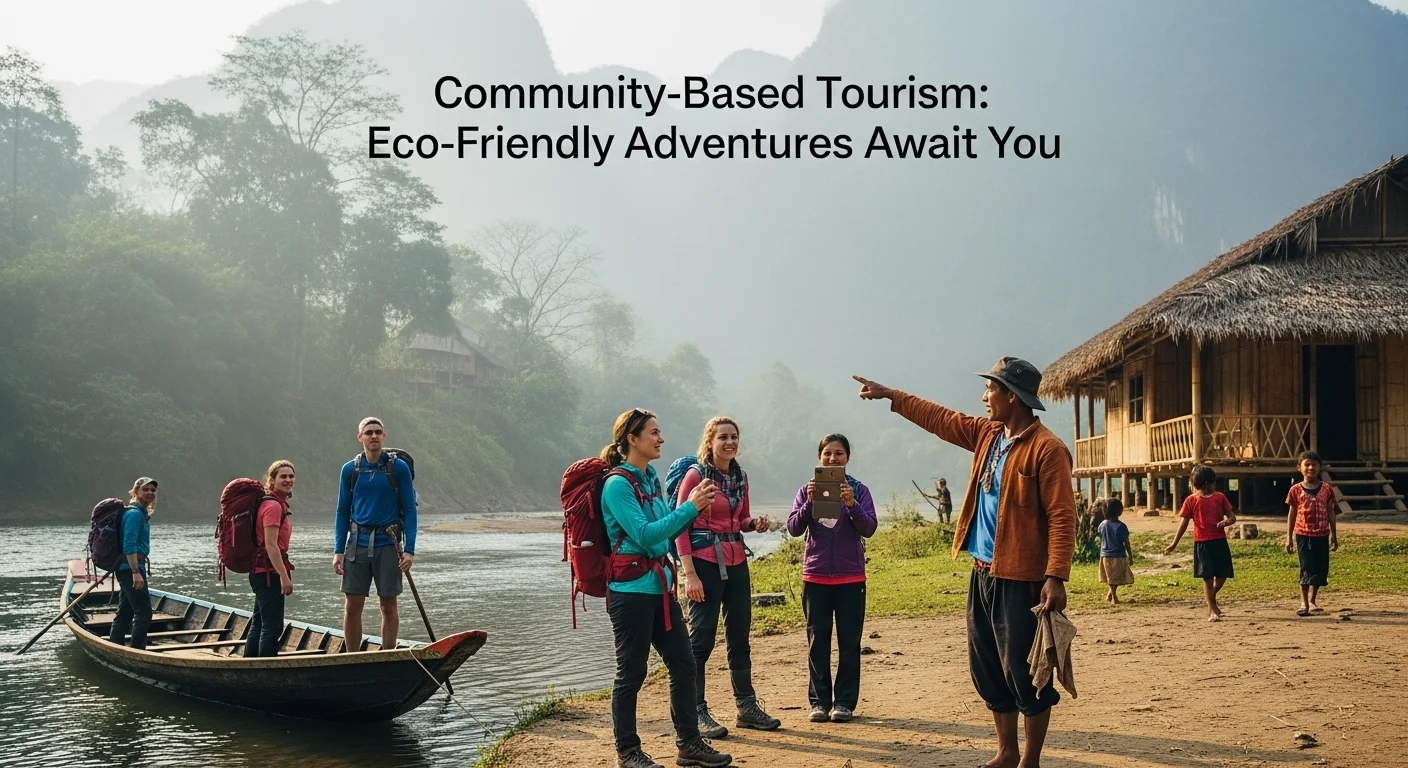
Understanding Community-Based Tourism
Definition and Key Principles
Community-based tourism (CBT) is a form of sustainable tourism that emphasizes the involvement of local communities in the tourism process. I first came across this concept while planning a trip to a remote village where the local people would host visitors. The idea intrigued me: traveling in a way that benefits the community rather than just passing through.
At its core, CBT is built on a few key principles. Firstly, it promotes local ownership and management of tourism resources. This means that rather than large corporations reaping the profits, the local community members share in the economic benefits. Secondly, it encourages cultural exchange, allowing visitors to immerse themselves in the local way of life. This often leads to a richer travel experience, as we learn about traditions and customs firsthand. Lastly, CBT prioritizes environmental sustainability, aiming to protect natural resources while promoting responsible tourism practices. Read Interesting article: Top 10 Community-Based Tourism Destinations for Budget Travelers
Importance of Community Involvement
When I think about the places I’ve visited, the ones that left a lasting impression were those where I felt a genuine connection with the local people. Community involvement is crucial in CBT because it empowers residents to share their stories, traditions, and lifestyles. I remember sitting with a local family in a small village, sharing a meal made from ingredients they had grown themselves. It was a humbling experience that made me appreciate the value of human connection.
Moreover, community involvement ensures that tourism development aligns with local needs and desires. This often leads to sustainable practices that respect cultural heritage and the environment. I’ve seen firsthand how tourism can transform lives—providing jobs, improving infrastructure, and fostering a sense of pride among community members. It reminds us that when we travel, we are not just visiting a place; we are engaging with the people who call it home.
Benefits of Community-Based Tourism
Environmental Impact and Sustainability
One of the most remarkable aspects of community-based tourism is its positive environmental impact. I’ve always been drawn to nature, and I love exploring areas where conservation is prioritized. Through CBT, I’ve learned that many local communities rely on their natural surroundings for livelihood. They often become the best stewards of their environment, actively participating in conservation efforts.
For instance, while hiking through a protected rainforest in Central America, I discovered that local guides were trained in eco-friendly practices. They shared how they manage resources sustainably, ensuring that tourism does not harm the unique ecosystems. This experience reminded me that sustainable tourism can empower communities to protect their environment while offering unforgettable adventures for travelers like us. Read Interesting article: Explore Community-Based Tourism: Your Eco-Adventure Guide
Economic Benefits for Local Communities
Community-based tourism can significantly boost local economies. When I visited a small coastal village, I marveled at how tourism transformed the area. The locals opened guesthouses, restaurants, and craft shops, providing jobs to many. I felt good knowing that my spending contributed directly to the community, helping families thrive.
Moreover, CBT often encourages the development of local infrastructure, such as roads and communication systems, which can improve the quality of life for residents. I’ve seen how improved access to basic services can lead to better education and healthcare options, fostering a healthier community overall. It’s rewarding to think that by choosing community-based tourism, we can play a part in uplifting local economies.
Cultural Exchange and Preservation
Traveling through community-based tourism offers unique opportunities for cultural exchange. I remember participating in a traditional festival in a small village, where I was welcomed with open arms. The locals shared their customs, dances, and stories that had been passed down through generations. This experience allowed me to see life through their eyes, deepening my appreciation for their culture.
Cultural preservation is another critical benefit of CBT. As tourism grows, local communities are encouraged to maintain their traditions and customs, ensuring that future generations can enjoy them. I found that many places actively promote cultural workshops, where visitors can learn crafts, cooking, or music. This not only preserves the local culture but also creates a meaningful connection between travelers and hosts. It’s a beautiful way to celebrate diversity and foster understanding among different cultures.
Types of Community-Based Tourism Experiences
Eco-Tours and Nature Walks
One of the most thrilling aspects of community-based tourism is the chance to immerse ourselves in nature through eco-tours and nature walks. I remember my first eco-tour in a lush rainforest, guided by a local who knew every plant and animal like they were old friends. It was incredible to see how passionate they were about their environment. They shared stories about the importance of preserving their land and the wildlife that inhabit it. I learned about medicinal plants and how the community utilizes the forest sustainably.
These eco-tours often focus on minimal impact, allowing us to enjoy nature without harming it. I felt a sense of responsibility wash over me as I walked through the trees, knowing that I was contributing to conservation efforts simply by participating. Many local guides are trained in eco-friendly practices, and I appreciated that they were committed to teaching visitors like me about the delicate balance between enjoying nature and protecting it. This hands-on experience often leaves travelers with a newfound respect for the environment and a desire to advocate for its preservation.
Cultural Workshops and Traditional Practices
Another incredible way to engage with community-based tourism is through cultural workshops and traditional practices. I had the joy of participating in a pottery workshop run by a local artisan in a village in Mexico. They invited us into their home, where we learned the techniques passed down through generations. It was fascinating to see how much care went into each piece, and I couldn’t help but feel a connection to the culture through my hands as I shaped the clay.
These workshops offer travelers more than just a souvenir; they provide insights into the local lifestyle and history. I’ve seen this trend in many places, from cooking classes where locals share family recipes to weaving schools that teach traditional textiles. These experiences foster meaningful connections, allowing us to appreciate the artistry and effort behind local practices. I often find myself reflecting on these moments long after the trip has ended, knowing that I have contributed to the preservation of these traditions by participating and learning.
Volunteer Opportunities and Conservation Projects
For those of us looking to give back while traveling, community-based tourism often presents a wealth of volunteer opportunities and conservation projects. I remember volunteering at a wildlife rehabilitation center during my travels. It was one of the most rewarding experiences of my life. Not only did I get to work alongside locals who were passionate about animal welfare, but I also learned about the pressing issues wildlife face due to habitat loss and poaching.
Volunteering can range from helping in community gardens to assisting in educational programs for children. I’ve discovered that these experiences allow us to connect with the community on a deeper level. It’s one thing to be a tourist; it’s another to contribute positively to the place we’re visiting. The bonds I formed with fellow volunteers and the locals made my travel experience feel more impactful. I returned home with a sense of fulfillment, knowing that my efforts helped support initiatives that mattered to the community.
Top Destinations for Community-Based Tourism
Eco-Lodges in Costa Rica
Costa Rica is a renowned destination for eco-tourism, and its eco-lodges are perfect examples of community-based tourism. When I visited, I stayed at a lodge that was entirely run by the local community. Each morning, I awoke to the sounds of howler monkeys and birds, surrounded by stunning landscapes. The lodge offered guided tours of the nearby national parks, where I learned about the delicate ecosystems. The profits from our stay went directly into community projects, such as reforestation efforts and local schools. It was heartwarming to see how tourism was creating a positive impact on the environment and the people.
Indigenous Experiences in Canada
Canada presents a unique opportunity to engage with Indigenous communities through tourism. I had the pleasure of joining a cultural tour with a First Nations guide who shared stories about their history, traditions, and connection to the land. The experience was eye-opening, as I learned about their struggles and triumphs, and it deepened my understanding of their culture. Many Indigenous communities offer experiences like guided hikes, storytelling sessions, and art workshops that not only educate but also celebrate their heritage.
Village Tours in Thailand
Thailand is famous for its vibrant culture, and village tours offer a fantastic way to experience it through a community-based lens. I remember exploring a hill tribe village, where I was welcomed with smiles and traditional music. The villagers shared their daily lives, from farming rice to creating handicrafts. Participating in community activities, like cooking together, made me feel like part of the family. I left with not only unique souvenirs but also cherished memories and friendships that transcended borders.
How to Choose a Community-Based Tourism Provider
Researching Ethical Practices
Choosing the right community-based tourism provider is crucial for ensuring that our travels truly benefit local communities. I’ve learned that doing a bit of research can make a world of difference. Start by looking for organizations that prioritize ethical practices and have a clear commitment to community involvement. I remember my excitement when I discovered a provider that not only showcased local culture but also invested in community projects—like building schools or supporting local artisans. This transparency helped me feel confident that my travel choices were making a positive impact.
One of the best ways to gauge a provider’s commitment is to check if they have partnerships with local organizations. I usually look for providers that collaborate with community leaders or local NGOs. This ensures that the tours are designed with the community’s input and that the benefits are shared fairly. I find that providers who are genuinely committed to community-based tourism often share stories about their initiatives and the local people they work with on their websites. This storytelling aspect resonates with me and makes the experience feel more authentic.
Reviews and Recommendations
Another important step in choosing a community-based tourism provider is reading reviews and seeking recommendations. I’ve often turned to platforms like TripAdvisor or travel blogs for insights. Fellow travelers often share their experiences, highlighting both positive aspects and potential pitfalls. I remember reading a review about a village tour in India that emphasized the warm hospitality of the locals and the genuine connection made, which encouraged me to book the experience myself.
Additionally, I recommend reaching out to friends or family who have engaged in community-based tourism. Personal experiences can provide invaluable insights that aren’t always captured in online reviews. Sometimes, just asking around can lead us to hidden gems that we might have otherwise missed. It’s amazing how word-of-mouth can reveal the most authentic and rewarding experiences, enriching our travels even further.
Planning Your Eco-Friendly Adventure
Best Times to Visit Community-Based Tourism Destinations
When planning an eco-friendly adventure, timing can significantly enhance our experience. I’ve found that visiting during the off-peak season not only allows for a more intimate connection with the local community but also helps reduce the impact of over-tourism. For instance, while traveling to a coastal village, I noticed that by visiting in the shoulder season, we had more opportunities to engage with local families, as they weren’t overwhelmed with crowds.
Each destination has its own peak and off-peak seasons, influenced by weather, festivals, and local events. I enjoy researching the best times to visit, taking into consideration both the climate and community events. Some of my most memorable experiences have come from participating in local festivals that coincided with my travels, where the energy and enthusiasm of the community were palpable.
What to Pack for an Eco-Friendly Trip
Packing for an eco-friendly trip is part of the journey I enjoy the most. I always try to bring along reusable items, such as a water bottle, tote bags, and utensils. This not only helps reduce waste but also encourages locals to practice sustainability. During one trip, I used my reusable bag while shopping at a local market, and the vendor smiled, appreciating my effort to minimize plastic use.
I also recommend packing lightweight, breathable clothing, especially if you’re heading to warmer destinations. I like to choose clothes that are versatile and can be worn multiple times, helping reduce the need for excessive laundry. Additionally, I carry a small first aid kit and eco-friendly toiletries, like biodegradable soap and shampoo bars. I believe that being mindful of what we bring along can enhance our eco-conscious approach to travel.
Transportation Options for Sustainable Travel
Transportation is another key consideration in planning an eco-friendly adventure. When I travel, I prefer options that minimize environmental impact. I often choose public transportation, like buses or trains, which not only reduce carbon emissions but also provide a genuine glimpse into daily life. I remember taking a scenic train ride through the mountains in Peru, where I was able to chat with locals and enjoy breathtaking views—all while knowing I was making a more sustainable choice.
If public transport isn’t available, I consider renting a bike or walking whenever possible. Exploring a destination on foot or by bike allows us to connect with the environment and the community in a way that’s often missed when we’re inside a vehicle. I’ve had some of my best adventures simply by wandering through local neighborhoods, discovering hidden gems and engaging with the community in spontaneous ways.
Engaging with Local Communities
Respecting Local Customs and Traditions
One of the most enriching aspects of community-based tourism is the opportunity to engage with local customs and traditions. From my experience, understanding and respecting these practices is key to having a meaningful interaction. I recall attending a traditional ceremony in a village where the locals demonstrated their rich cultural heritage through dance and music. It struck me how important it was to participate respectfully and be aware of the significance behind every ritual.
Before visiting a new place, I like to do a little homework. Learning about the customs can help us become better guests. I’ve found that asking questions and showing genuine interest often leads to deeper conversations. During my travels, I’ve been fortunate enough to have locals share their stories, which opened my eyes to their way of life. I believe that by respecting their traditions, we not only honor their culture but also foster a sense of trust and connection.
Supporting Local Businesses
When we choose community-based tourism, we have a unique chance to support local businesses directly. I always make it a point to eat at local restaurants, shop at artisan markets, and stay in family-run accommodations. This approach not only enhances my travel experience but also ensures that my money goes directly to the community. I remember visiting a small market where local farmers sold their produce and handmade crafts. I enjoyed chatting with them and learning about their work, and it felt rewarding to know that my purchases were helping their families.
Moreover, I try to encourage others to adopt this mindset as well. If we all made a conscious effort to support the businesses that truly represent the community, we could help them thrive. I’ve seen how tourism can breathe life into local economies, and it’s incredibly fulfilling to be a part of that positive change. By investing in local artisans and service providers, we contribute to the preservation of their culture and traditions, ensuring they continue to flourish.
Challenges and Considerations in Community-Based Tourism
Balancing Tourism and Community Needs
While community-based tourism has many benefits, it’s important to recognize the challenges that can arise. Striking a balance between tourism and community needs is crucial. I’ve observed that sometimes, the influx of tourists can strain local resources, such as water and electricity, or disrupt the daily lives of residents. For instance, during peak travel seasons, the small villages I’ve visited can feel overwhelmed, which can lead to a change in the community’s dynamics.
To truly engage in responsible tourism, I think it’s essential to listen to the voices of the community. I’ve seen successful initiatives where locals are involved in decision-making processes, allowing them to shape how tourism develops in their area. By prioritizing their needs and desires, we can ensure that tourism enhances rather than hinders their way of life.
Impact of Over-Tourism on Local Cultures
Over-tourism is a term I’ve heard more frequently in recent years, and it’s something that genuinely concerns me. I remember visiting a popular destination that had once been a peaceful village, only to find it bustling with tourists. The authenticity of the local culture began to fade as businesses adapted to meet the demands of visitors rather than nurturing their traditions. This experience made me realize how quickly a community can change when overwhelmed by tourism.
To combat this, I believe we can all play a part by choosing less-traveled paths and supporting lesser-known communities. By dispersing our travel interests, we can help avoid putting too much pressure on certain areas. We can also opt for experiences that focus on genuine cultural exchange, rather than merely consuming a destination for its photo opportunities. In my opinion, this approach not only benefits the community but also enriches our travel experiences.
Future of Community-Based Tourism
Trends in Sustainable Travel
Looking ahead, I’m excited to see how community-based tourism will evolve. There’s a growing awareness of sustainability among travelers, and I think this trend will continue to shape our choices. More people are seeking authentic experiences that allow them to contribute positively to the communities they visit. I’ve noticed that travelers are increasingly valuing relationships and are looking for ways to engage meaningfully with locals.
As we become more mindful of our impact, I believe we’ll see more innovative solutions that promote sustainable practices. For example, I’ve encountered travel companies that are committed to carbon offsetting and supporting community initiatives, which has encouraged me to choose them for my adventures. I’m hopeful that this collective shift will lead to a more responsible and enriching tourism industry.
Role of Technology in Promoting Community-Based Tourism
Technology also has a significant role to play in the future of community-based tourism. I’ve seen how mobile apps and platforms that connect travelers with local hosts can make it easier for us to find authentic experiences. These digital tools can help promote lesser-known destinations, allowing communities to benefit from tourism without being overwhelmed. I truly appreciate how technology can bridge the gap between cultures, making it easier for us to share our experiences and recommendations.
Moreover, social media allows local communities to showcase their culture and traditions to a global audience. I’ve come across many inspiring stories online, encouraging me to explore places and experiences I may never have considered before. By amplifying these voices, we can help ensure that community-based tourism remains a viable option for the future.
Final Thoughts
Community-based tourism has truly transformed the way I travel. It offers a unique opportunity to connect with local cultures, support economies, and protect the environment. I believe that as travelers, we have the power to make a difference by choosing responsible travel options. Each experience enriches not only our lives but also the lives of those we encounter along the way. As we embrace this approach to tourism, we can foster a more sustainable and meaningful future for both ourselves and the communities we visit. Let’s embark on these adventures with open hearts and minds, ready to learn and grow together.
Frequently Asked Questions
What is community-based tourism (CBT)?
Community-based tourism (CBT) is a form of sustainable tourism that emphasizes the involvement of local communities in the tourism process, promoting local ownership, cultural exchange, and environmental sustainability.
What are the key principles of community-based tourism?
CBT is built on principles that promote local ownership and management of tourism resources, encourage cultural exchange with visitors, and prioritize environmental sustainability to protect natural resources.
How does community involvement benefit tourism?
Community involvement in CBT empowers residents to share their stories and traditions, ensuring that tourism development aligns with local needs, which can lead to sustainable practices and transformations in the community.
What are the environmental impacts of community-based tourism?
Community-based tourism has a positive environmental impact as local communities often become stewards of their surroundings, participating in conservation efforts and sustainable practices that protect ecosystems.
How does community-based tourism contribute to local economies?
CBT boosts local economies by creating jobs and supporting local businesses, such as guesthouses and restaurants, and often leads to the development of infrastructure that improves residents’ quality of life.
What types of experiences can travelers have through community-based tourism?
Travelers can engage in eco-tours and nature walks, participate in cultural workshops and traditional practices, and take part in volunteer opportunities and conservation projects.
Which destinations are popular for community-based tourism?
Popular destinations for community-based tourism include eco-lodges in Costa Rica, Indigenous experiences in Canada, and village tours in Thailand, each offering unique cultural and environmental experiences.
How can travelers choose a responsible community-based tourism provider?
Travelers can choose a responsible provider by researching ethical practices, looking for providers with partnerships with local organizations, and reading reviews and recommendations from other travelers.
What should travelers consider when planning an eco-friendly adventure?
When planning an eco-friendly adventure, travelers should consider the best times to visit to avoid over-tourism, pack reusable items to reduce waste, and choose sustainable transportation options.
What challenges can arise in community-based tourism?
Challenges in community-based tourism include balancing tourism with community needs, the impact of over-tourism on local cultures, and ensuring that tourism development does not strain local resources.