
Embarking on a culinary adventure abroad can transform your travels into unforgettable experiences. Imagine learning to cook authentic dishes in picturesque locations while making lasting memories. Read Interesting article: Unlock Culinary Secrets: Top Wine and Cooking Classes Abroad
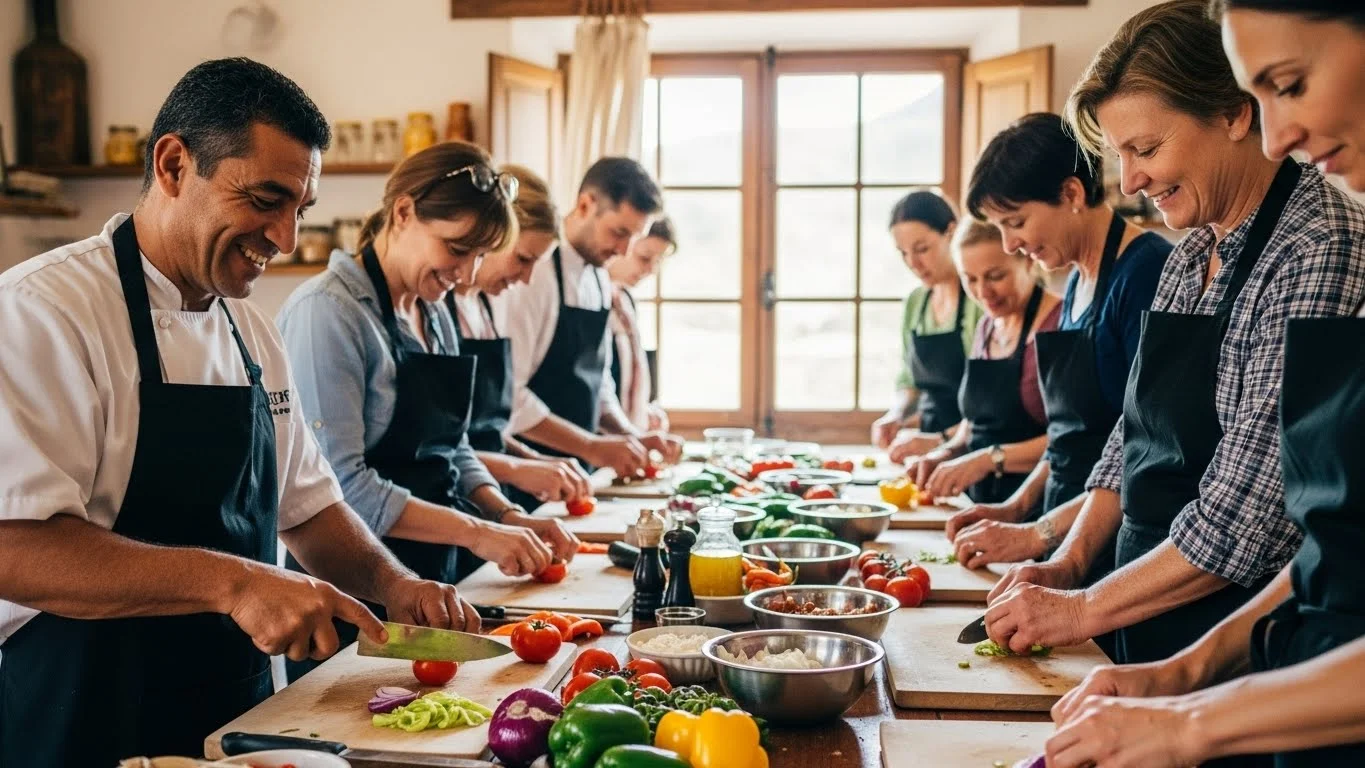
Overview of Culinary Adventures Abroad
When I first started exploring the world of cooking classes while traveling, I didn’t realize how much these experiences could enrich my journeys. Culinary tourism has become a significant trend, allowing travelers to dive deeper into local cultures through their food. Cooking is such a universal language, and it’s fascinating how it can open doors to new friendships and insights about a place. I remember the thrill of standing in a bustling market in Thailand, learning about ingredients and flavors that were completely foreign to me. It felt like a rite of passage into a new world.
The Rise of Culinary Tourism
The explosion of culinary tourism over the past decade has been truly remarkable. Many travelers, myself included, now seek out food experiences as a primary reason to visit a new country. According to various studies, a substantial portion of tourists actively looks for cooking classes as part of their itinerary. This trend is about more than just food; it’s about connecting with local traditions and communities. I think about how cooking classes allow us to engage with locals, hear their stories, and understand their way of life. Each dish we prepare tells a story, and I’ve found that the more I learn about food, the more I learn about the people behind it. Read Interesting article: Master Italian Cuisine: Affordable Cooking Classes Abroad
Benefits of Taking Cooking Classes While Traveling
One of the most rewarding aspects of taking cooking classes abroad is the chance to gain practical skills. For me, cooking classes have turned into a personal journey of discovery. I’ve been able to enhance my culinary techniques, from mastering knife skills to learning how to balance flavors. Beyond skill-building, these classes foster a sense of community. I remember joining a group of fellow travelers in a small Italian kitchen, sharing laughter and stories while we kneaded dough together. The friendships formed in these classes often last beyond the trip itself. There’s something magical about gathering around a table, enjoying a meal that we created together, and sharing our experiences.
Moreover, cooking classes offer a unique opportunity to immerse ourselves in a culture. I’ve tasted foods I never knew existed and learned about the history behind each dish. These experiences can deepen our appreciation for local ingredients and cooking methods, giving us a taste of authenticity that’s often missing in tourist spots. And let’s not forget about the joy of eating! After working hard to create a dish, the satisfaction of sharing it with others is a reward in itself. I think every bite becomes more meaningful when you’ve invested time and effort into its preparation.
Top Destinations for Cooking Classes
As I’ve delved into the world of cooking classes, certain destinations have stood out for their culinary richness. Each place offers unique flavors and cooking styles. It’s like taking a culinary tour of the globe without leaving the kitchen.
Italy: A Journey Through Italian Cuisine
Italy holds a special place in my heart when it comes to culinary adventures. The passion Italians have for their food is contagious. I always recommend starting in Tuscany, where rolling hills and vineyards create a stunning backdrop for cooking classes.
Cooking Classes in Tuscany
In Tuscany, I found myself in a rustic kitchen, surrounded by fresh produce and aromatic herbs. We learned to make classic dishes like risotto and tiramisu. The hands-on approach made all the difference; I remember the moment I realized that the secret to great Italian cooking lies in its simplicity. Using quality ingredients and cooking them with love can turn even basic meals into masterpieces.
Hands-On Pasta Making in Bologna
Bologna is known as the food capital of Italy, and I can personally attest to that. I had the opportunity to take a pasta-making class there, where we crafted tagliatelle from scratch. The instructor shared tips on achieving the perfect dough consistency, and I was amazed at how satisfying it was to roll out the pasta by hand. The experience was both educational and delicious, and sitting down to enjoy our creations afterward was the icing on the cake.
Thailand: Exploring Thai Flavors
Thailand is another destination that has captivated my culinary spirit. The explosion of flavors and aromas in Thai cuisine is unparalleled. I remember my first cooking class in Bangkok, where the vibrant street food scene became my classroom.
Street Food Cooking Classes in Bangkok
In Bangkok, I joined a street food cooking class that started with a market tour. We explored local ingredients, from fragrant herbs to colorful produce. I felt like I was on an adventure, discovering flavors that were completely new to me. Once we got back to the kitchen, we prepared dishes like Pad Thai and green curry. The thrill of recreating those flavors was incredibly fulfilling.
Traditional Thai Cuisine in Chiang Mai
In Chiang Mai, I experienced a more traditional approach to Thai cooking. Here, cooking classes often incorporate local customs and ingredients. We learned how to prepare Northern Thai specialties, and I loved how each dish reflected the region’s culture. The joy of cooking together with fellow participants, surrounded by the lush landscapes of Thailand, made this experience unforgettable.
These culinary adventures abroad have not only enhanced my cooking skills but have also deepened my appreciation for the cultures I’ve explored. Each dish prepared and shared has brought a sense of connection that transcends language and borders. Whether in the rolling hills of Tuscany or the vibrant markets of Bangkok, every cooking class has added a unique flavor to my travel experiences.
Top Destinations for Cooking Classes
France: Mastering French Culinary Techniques
France is synonymous with gourmet cuisine, and for me, experiencing French cooking classes felt like stepping into a culinary dream. The passion that French chefs have for food is palpable, and every lesson was steeped in tradition and technique. I remember my first class in Paris, where we delved into the art of French cooking, from sauces to pastries. It was a whole new level of culinary education.
Baking Bread in Paris
There’s something magical about the smell of freshly baked bread wafting through a kitchen. In Paris, I took a bread-making class that completely transformed my understanding of this staple. We learned about the different types of flour and how each affects the dough. Kneading the dough by hand, I felt a connection to generations of bakers who had perfected their craft. I still remember the excitement when we pulled our golden loaves from the oven. Sharing that first slice with fellow classmates was a moment I’ll cherish forever.
Provencal Cooking Classes in the South of France
Traveling to the South of France was like stepping into a postcard. The vibrant markets filled with fresh produce inspired my cooking in ways I hadn’t anticipated. In a Provencal cooking class, I learned to focus on seasonal ingredients and simple techniques that highlighted the natural flavors. We prepared dishes like ratatouille and bouillabaisse, celebrating the region’s culinary heritage. I realized that French cooking is not just about techniques; it’s about the joy of sharing food with loved ones. Sitting on a terrace with a view of lavender fields, enjoying what we created, deepened my appreciation for the French way of life.
Mexico: A Fiesta of Flavors
Mexico holds a special spot in my heart for its vibrant culture and incredible flavors. The country’s culinary landscape is as diverse as its regions, and I was eager to dive into it through cooking classes. Every experience was bursting with color, warmth, and camaraderie.
Authentic Mexican Cooking in Oaxaca
Oaxaca is often referred to as the culinary heart of Mexico, and taking a cooking class there was an experience of a lifetime. I remember walking through the local market, surrounded by stalls of fresh produce and vibrant chiles. Our instructor guided us in choosing ingredients, emphasizing the importance of local sourcing. We made mole from scratch, a dish that encapsulates the soul of Oaxacan cuisine. The complexity of flavors fascinated me, and I felt proud of the dish we created together. Sharing this meal with new friends was a joy that went beyond the food.
Street Tacos and Salsas in Mexico City
In Mexico City, I sought out a cooking class that promised street-style tacos and salsas, and it did not disappoint. The energy of the city mirrored the excitement of our cooking session. We learned to craft different types of tortillas and pair them with various fillings and salsas. I was amazed at how simple ingredients could lead to such an explosion of flavor. The class ended with us feasting on the tacos we had made, surrounded by laughter and stories. Every bite tasted like the essence of Mexico, rich and fulfilling.
These culinary adventures in France and Mexico added richness to my travels that I hadn’t expected. Each class not only taught me valuable cooking skills but also allowed me to forge connections with cultures and people. It’s incredible how food can break down barriers and bring us together, making our travel experiences even more meaningful. Read Interesting article: Elevate Your Travel: Discover Luxury Cooking Classes Abroad
Types of Cooking Classes Available
Hands-On Workshops vs. Demonstrations
When choosing a cooking class, I found that it’s essential to consider the format. Hands-on workshops are my favorite because they allow for active participation. I remember feeling immersed in the cooking process—chopping, stirring, and tasting. The thrill of getting my hands dirty made the experience more memorable.
On the other hand, cooking demonstrations can be equally valuable, especially if you’re eager to learn about techniques without the pressure of doing it all yourself. In these sessions, I’ve had the chance to observe skilled chefs at work, absorbing tips that I later applied in my own cooking.
Private Classes vs. Group Experiences
Private classes offer a tailored experience, allowing you to focus on specific techniques or cuisines that spark your interest. I’ve enjoyed private lessons where the chef was able to adapt recipes to my dietary preferences, making the experience feel personal and unique.
Group experiences, however, have their own charm. Cooking alongside fellow food enthusiasts fosters a sense of community. I’ve made friends for life in these settings, bonding over our shared love for cooking and the delicious results of our efforts.
Culinary Tours with Cooking Elements
Culinary tours that incorporate cooking elements are another fantastic way to explore local cuisine. During my travels, I’ve joined tours that started with a market visit and ended with a cooking session using the ingredients we selected. This approach allowed me to engage with local food culture on multiple levels, deepening my understanding of the dishes we prepared.
Each type of cooking class offers a unique perspective on the culinary traditions of a region. Whether I’m kneading dough in a hands-on workshop or observing a master chef, I always come away with new skills and insights that enhance my culinary journey.
Culinary Skills You Can Learn
Knife Skills and Preparation Techniques
One of the first things I noticed when taking cooking classes abroad was the emphasis on knife skills. I used to think cutting vegetables was a simple task, but I quickly learned there’s an art to it. During a class in Tuscany, I was amazed at how the chef demonstrated various cuts—julienne, dice, and chiffonade. Each technique served a specific purpose and transformed the way I approached meal prep.
I remember practicing my knife skills until my hands felt sore, but it was worth it. Not only did I gain confidence, but I also realized how proper technique could elevate my cooking. For instance, slicing garlic paper-thin can release more flavor than rough chopping. I believe that mastering these foundational skills is essential; they make cooking more efficient and enjoyable. Plus, when I returned home, I felt proud to show off my newfound expertise to friends and family.
Flavor Pairing and Ingredient Sourcing
Another valuable lesson I learned in cooking classes was about flavor pairing and ingredient sourcing. I’ll never forget my time in Bangkok, where the instructor took us on a market tour to source ingredients. We wandered through vibrant stalls filled with fresh herbs, spices, and exotic produce. The experience was eye-opening. I had never seen some of the ingredients before, and I could hardly wait to learn how to cook with them.
Back in the kitchen, we explored how certain flavors complement each other. The chef taught us about balancing sweetness, acidity, and heat, which is crucial in Thai cuisine. I remember making a spicy papaya salad, where the combination of lime juice, fish sauce, and chili created a flavor explosion. This experience taught me that understanding flavor profiles can turn a simple dish into something extraordinary. Now, whenever I cook, I think about those lessons and try to experiment with new combinations in my own kitchen.
Cooking Regional Dishes and Specialties
Every cooking class I attended introduced me to regional dishes that showcased local culinary traditions. There’s something so special about preparing a dish that has deep cultural significance. For example, in Oaxaca, I learned how to make authentic mole from scratch, which involved toasting various ingredients and grinding them together to create a rich, complex sauce. The process was labor-intensive, but the satisfaction of tasting the final product was unforgettable.
Each region has its specialties, and I loved diving into the stories behind them. In France, I had the chance to create a classic ratatouille, which taught me not just about the ingredients but also about the French way of cooking with the seasons. I felt a connection to the land and its people through the food we prepared. I believe cooking regional dishes allows us to appreciate the culture and history of a place, making our culinary adventure even more meaningful.
What to Expect from a Cooking Class
Typical Class Structure and Duration
When I sign up for a cooking class, I like to know what to expect. Most classes typically start with an introduction, where the chef shares their background and what we’ll be making. I remember feeling excited as we gathered around to hear the menu for the day. Classes can last anywhere from a couple of hours to a full day, depending on the complexity of the dishes we’re preparing. I appreciate that hands-on approach because it allows us to dive deeply into the cooking process.
As we progressed through the class, I found that each step was well-structured. The chefs guided us through preparation, cooking, and presentation, ensuring that we felt comfortable at every stage. I loved how they encouraged questions, making it feel like a collaborative experience. Having that framework helped me absorb the lessons more effectively, and I always left feeling accomplished after creating a delicious meal.
Ingredients and Equipment Provided
Another aspect to consider is the quality of ingredients and equipment provided in the class. In my experience, top-notch cooking classes use fresh, local ingredients, which makes a huge difference in the flavor of the dishes. I remember in France, we used heirloom tomatoes and fragrant herbs from the market, and it was incredible to taste the difference compared to what I usually use at home.
The equipment was also well thought out, from sharp knives to high-quality pans. Having access to professional tools made the cooking process smoother and more enjoyable. I found that using the right tools not only enhanced the cooking experience but also made it safer and more efficient. It’s something I carry over to my own kitchen now, investing in good equipment that makes a difference in my everyday cooking.
Meal Sharing and Dining Experience
One of the most rewarding parts of any cooking class is the meal-sharing experience. After putting in all that effort to create a dish, sitting down to enjoy the fruits of our labor is truly special. I remember the sense of accomplishment as we all gathered around the table, sharing stories and laughter while savoring the dishes we had made together.
In many classes, the dining experience is as important as the cooking. Often, we would take turns presenting our creations, which added a personal touch to the meal. I loved hearing everyone’s take on the dishes and the little tweaks they made. It felt like a celebration of our culinary journey together, and I walked away from those meals not just full but also enriched by the connections made with fellow food lovers.
Frequently Asked Questions
What is culinary tourism?
Culinary tourism is a significant trend that allows travelers to dive deeper into local cultures through their food. It involves participating in food experiences, such as cooking classes, as a primary reason to visit a new country.
What are the benefits of taking cooking classes while traveling?
Taking cooking classes abroad provides practical skills, fosters a sense of community, and offers a unique opportunity to immerse oneself in local culture. It also enhances appreciation for local ingredients and cooking methods while creating lasting memories with fellow participants.
What are some top destinations for cooking classes mentioned in the article?
Some top destinations for cooking classes include Italy, Thailand, France, and Mexico. Each location offers unique culinary experiences and traditional dishes to learn about.
What type of cooking classes can travelers expect?
Travelers can choose between hands-on workshops, cooking demonstrations, private classes, and group experiences. Each format offers a different perspective on culinary traditions and engagement with food.
What culinary skills can be learned in cooking classes?
In cooking classes, participants can learn knife skills, flavor pairing, ingredient sourcing, and how to prepare regional dishes and specialties that showcase local culinary traditions.
What is the typical structure and duration of a cooking class?
Most cooking classes start with an introduction from the chef about their background and the dishes to be prepared. Classes can last from a couple of hours to a full day, depending on the complexity of the dishes. They typically include structured guidance through preparation, cooking, and presentation.
What kind of ingredients and equipment are provided in cooking classes?
Top-notch cooking classes usually provide fresh, local ingredients and high-quality equipment. The use of professional tools enhances the cooking experience and ensures better flavor and safety during preparation.
What is the significance of the meal-sharing experience in cooking classes?
The meal-sharing experience is one of the most rewarding parts of cooking classes. After preparing dishes, participants gather to enjoy their creations, share stories, and celebrate their culinary journey together, enriching their experience and fostering connections.
How have cooking classes impacted the author’s travels?
The author found that cooking classes have enhanced their cooking skills, deepened their appreciation for different cultures, and created lasting friendships through shared culinary experiences.
What makes Italian cooking classes particularly memorable?
Italian cooking classes, especially in Tuscany and Bologna, are memorable due to the passionate approach to food, hands-on experiences with high-quality ingredients, and the joy of creating and sharing classic Italian dishes.