
Traveling abroad is not just about sightseeing; it’s also a chance to indulge in the rich tapestry of local flavors. Eating like a local while keeping your budget in check can lead to some unforgettable culinary experiences. Savor the World: Budget Culinary Experiences You Can’t Miss offers insights into some of the best options available.
Understanding Culinary Experiences on a Budget
What Does ‘Eating Like a Local’ Mean?
When I first started traveling, I quickly learned that there’s a world of difference between eating in tourist spots and eating where the locals do. To me, “eating like a local” means immersing myself in the culture through its food. It’s about savoring authentic dishes, enjoying meals in casual settings, and perhaps even sharing a table with new friends. I remember my first trip to Mexico; I stumbled upon a small taqueria where the locals gathered. The tacos were unlike anything I had tasted before—fresh, vibrant, and filled with flavors that told stories of tradition and heritage. That’s the essence of dining like a local.
The Importance of Local Cuisine in Travel
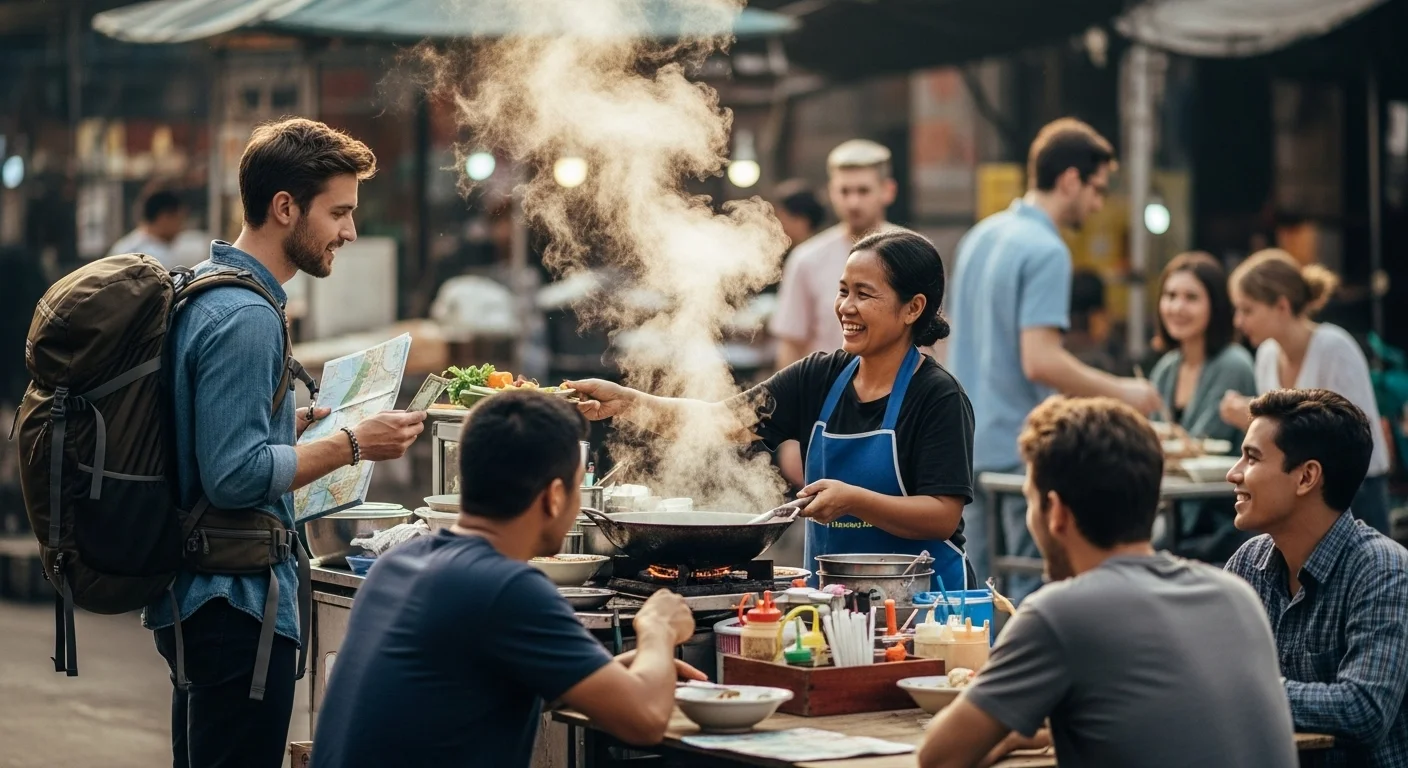
Food can be a gateway to understanding a culture. For me, local cuisine provides insight into the history, geography, and traditions of a place. When I traveled to Thailand, I discovered that each dish was a reflection of its region, influenced by the local ingredients and the climate. Trying Tom Yum Goong in a small street market was far more enriching than dining at a fancy restaurant. It felt authentic, and I was able to engage with locals who were eager to share their culinary secrets. I believe that food is one of the most enjoyable ways to connect with the essence of a country, and sharing a meal can break down cultural barriers in ways that nothing else can. Taste the Culture: Budget-Friendly Culinary Adventures highlights how food can connect us all.
Choosing Your Destinations Wisely
Top Budget-Friendly Destinations for Food Lovers
When planning my travels, I’ve found that some destinations offer incredible culinary experiences without breaking the bank. Countries like Vietnam, India, and Portugal are perfect examples of places where you can eat deliciously on a budget. In Vietnam, for instance, I discovered delightful bowls of Pho for just a couple of dollars at local eateries, alongside friendly smiles from the vendors. Similarly, in India, street food is not only affordable but also bursting with flavor. I’ve had the best samosas and chai at tiny roadside stalls that have become staples in my culinary travel stories.
Regions Known for Their Culinary Traditions
Some regions have a reputation for their culinary traditions, making them must-visit spots for food enthusiasts. For example, I’ve always wanted to experience the vibrant food culture of Oaxaca, Mexico. The blend of indigenous ingredients and cooking methods creates unique flavors that I find fascinating. Another place on my culinary bucket list is Bologna, Italy, known for its rich food history and emphasis on fresh, local ingredients. In both cases, eating doesn’t just fill your stomach; it nourishes your soul, creating memories that last a lifetime. Top 10 Affordable Culinary Tours for Budget Backpackers provides more ideas on culinary destinations worth exploring.
Best Practices for Finding Local Eateries
Utilizing Food Apps and Websites
In this digital age, I’ve learned that technology can be a valuable ally in finding local dining gems. Apps like Yelp, TripAdvisor, and Google Maps have become my go-to resources. I often check reviews and look for places that locals recommend. I recall a time in Barcelona when I was on the hunt for authentic tapas. A quick search led me to a small bar packed with locals, where I enjoyed some of the best patatas bravas I’ve ever tasted. It’s amazing how a little online research can lead to such rewarding dining experiences.
Asking Locals for Recommendations
While apps are useful, I’ve also found that nothing beats asking locals for their favorite spots. I remember chatting with a shopkeeper in Istanbul who recommended a hidden gem for kebabs. Following their advice led me to a delightful little restaurant that was filled with the tantalizing aroma of grilled meats. Engaging with locals not only helps you discover great food but also enriches your travel experience with personal stories and insights.
Exploring Markets and Street Food
One of my favorite ways to experience a culture is by visiting local markets and indulging in street food. These places are alive with energy, colors, and scents that tell stories of their own. For example, wandering through the bustling markets in Marrakech opened my eyes to the diverse spices and ingredients used in Moroccan cuisine. I often find that street food is not only budget-friendly but also a way to taste authentic, homemade flavors. I can still remember the delicious, fluffy Moroccan bread served with fresh olives and vibrant salads. It was a feast for the senses!
Popular Culinary Experiences on a Budget
Street Food: A Global Perspective
Street food has always held a special place in my heart and my stomach. There’s something magical about savoring a dish prepared right in front of you, often infused with the vibrant energy of the streets. Each country has its unique offerings, and I’ve found that street food can be an incredible way to experience local flavors without spending much. For instance, in Thailand, I couldn’t resist the allure of a vendor selling mango sticky rice. I remember the first bite—the sweet, creamy coconut milk drenching the glutinous rice, paired with the fresh mango. It was a slice of heaven, and it cost me less than a dollar! I’ve also tried banh mi in Vietnam, a sandwich bursting with pickled veggies, herbs, and savory meats, all for just a few bucks. It’s these kinds of experiences that make traveling so fulfilling; they’re both affordable and delicious.
Food Markets: A Hub of Local Culture
Visiting food markets is another one of my favorite ways to dive deep into a culture. Markets are alive with colors, sounds, and smells that can be overwhelming in the best possible way. I remember wandering through the Mercado de San Miguel in Madrid, where I sampled everything from jamón ibérico to exquisite tapas. The atmosphere was electric, and the camaraderie among vendors and customers was palpable. Buying small bites here felt like a celebration of food, and I could easily enjoy a whole meal for under twenty dollars. Plus, interacting with local chefs and vendors adds a personal touch that I adore. They often share stories about their ingredients or cooking methods, making each bite even more meaningful.
Cooking Classes and Workshops
Taking a cooking class while traveling is an experience I wholeheartedly recommend. Not only do you get to learn how to make a local dish, but you also often get to eat what you create! I remember taking a cooking class in Tuscany, where we made homemade pasta from scratch. The instructor shared tips and tricks passed down through generations, and I felt like I was tapping into the heart of Italian culture. The cost of the class was reasonable, and the knowledge and skills I gained were priceless. Plus, there’s something incredibly satisfying about enjoying a meal that you’ve prepared yourself. It’s a fun way to connect with others in the class, too, as we all shared our culinary successes and occasional mishaps. I’ve found that cooking classes often include market visits, allowing you to experience the local food scene firsthand.
Tips for Eating Like a Local While Traveling
Timing Your Meals for Better Deals
One trick I’ve learned is to be strategic about when I eat. Many places offer special deals during off-peak hours, and I always keep an eye out for lunch specials or happy hour discounts. For example, in Spain, I’ve enjoyed a delightful menú del día, a set lunch menu that includes multiple courses for a fraction of what I’d pay for dinner. Eating at these times not only saves money but also allows me to enjoy a more relaxed dining experience without the rush of the dinner crowd. I’ve also found that some street food vendors have lower prices during lunch, so keep your eyes peeled for those hidden gems.
Understanding Local Customs and Etiquette
As I travel, I make it a point to learn about local dining customs and etiquette. This is essential not only for making a good impression but also for enhancing my overall experience. For example, I learned that in Japan, it’s polite to say “Itadakimasu” before starting a meal. This small gesture shows gratitude for the food. In Italy, I discovered that it’s common to enjoy a cappuccino only in the morning, as having one after lunch is frowned upon. Understanding these nuances not only deepens my appreciation for the food but also fosters a connection with the culture. Plus, locals often appreciate it when travelers respect their traditions.
How to Avoid Tourist Traps
We’ve all seen those crowded restaurants with flashy signs and menus in multiple languages, often filled with tourists. I make it a point to steer clear of these spots, as they often come with inflated prices and lack authenticity. Instead, I look for places that might be a bit off the beaten path. I find that wandering a little further from the main attractions often leads to delightful surprises. I remember discovering a cozy little café in Paris that wasn’t in any guidebook. The croissants were flaky and buttery, and the locals there seemed to have a sense of belonging. That experience reminded me that the best meals are often found where the locals go, away from the hustle of tourist traps.
Budgeting for Food While Traveling
Daily Food Costs to Expect in Different Countries
One of the key aspects of enjoying local cuisine on a budget is understanding the daily food costs in different countries. Over the years, I’ve noticed significant variations, and being aware of these can help us plan our trips better. For instance, in Southeast Asia, I often find that I can enjoy delicious meals for just a couple of dollars per dish. In Thailand, I could have a filling meal of pad thai or a hearty curry for around $2-$4. On the other hand, when I visited Scandinavian countries, I quickly learned that dining out could be a bit more expensive. A simple meal might cost around $15-$20, which meant I had to be more selective about where I chose to eat. I’ve found that researching local prices ahead of time can prevent any unwelcome surprises on the trip.
How to Save Money on Meals
Saving money on meals doesn’t mean sacrificing quality or flavor. One tactic I’ve embraced is to take advantage of local grocery stores or markets. I’ve often found that picking up fresh fruits, bread, and local cheeses can lead to delightful picnic experiences. I remember one sunny afternoon in France, where I bought a baguette, some brie, and a bottle of local wine for under $10. We found a charming park to relax in, enjoying our meal while soaking up the atmosphere. Additionally, I’ve discovered that sharing meals can also be a budget-friendly option. By ordering a few dishes and sharing them with travel companions, we’ve been able to try a variety of flavors without breaking the bank.
Using Local Transportation to Access Affordable Dining
Sometimes, the best culinary experiences are found outside the tourist districts, and using local transportation can be a game changer. On a trip to Mexico City, I decided to hop on the metro to explore neighborhoods known for their food. I remember stepping off the train in a bustling area filled with street vendors and small eateries. I enjoyed an incredible plate of tacos al pastor for just a few dollars. By venturing a little further from the main attractions, I not only saved money but also discovered authentic flavors that I wouldn’t have experienced otherwise. I recommend checking local transit maps and asking locals about the best areas to visit. It can be an adventure in itself!
Safety Tips for Eating Out Abroad
Choosing Safe Food Vendors
Safety is always a priority when it comes to eating out abroad, and I’ve learned a few tips to help ensure a safe dining experience. When I approach a food vendor, I often look for busy stalls filled with locals. A long line usually indicates that the food is fresh and popular. I remember in Vietnam, I found a street vendor selling banh mi that had a constant stream of customers. The fresh ingredients and the bustling atmosphere reassured me of the quality. It’s also wise to pay attention to how food is being prepared. If I see vendors maintaining cleanliness and using fresh ingredients, I feel more comfortable trying their offerings.
Understanding Food Safety Practices in Different Cultures
Each culture has its own food safety practices, and taking the time to understand these can enhance our dining experiences. For instance, in some countries, it’s common to eat raw seafood, like sushi in Japan or ceviche in Peru. I’ve learned to trust local recommendations when it comes to these dishes, as they often know the best spots for fresh and safe options. Additionally, I always try to drink bottled water in places where tap water isn’t safe, and I avoid ice unless I’m sure it’s made from purified water. These small precautions can go a long way in keeping us healthy while we indulge in local flavors.
What to Do If You Get Sick from Food
Despite all precautions, sometimes our stomachs don’t agree with a new cuisine. I’ve had my share of minor food-related illnesses while traveling, and it’s essential to know what to do if it happens. First, I always carry basic medications like antacids and anti-nausea tablets, just in case. If I do get sick, I make sure to stay hydrated and rest as much as possible. I remember one time in Thailand, I had to take a day off to recover, and I made it a point to stick to bland foods like rice and bananas until I felt better. It’s also helpful to know where the nearest pharmacy is in case I need to pick up something stronger. Understanding that getting sick can happen allows me to be prepared and not let it ruin my trip.
Documenting Your Culinary Journey
Keeping a Food Journal
Documenting my culinary adventures has become one of my favorite travel habits. I like to keep a food journal where I jot down my experiences, favorite dishes, and even the names of the places I visit. This practice not only helps me remember the flavors and stories behind each meal, but it also serves as a wonderful keepsake. I often look back on my entries and get nostalgic about the incredible meals I enjoyed. Sometimes, I even sketch or paste in photos of the food, creating a visual diary of my culinary journey. It’s a fun way to relive those delicious moments long after the trip ends.
Sharing Your Experiences on Social Media
In today’s digital age, sharing my culinary experiences on social media has become a delightful extension of my travels. I often post photos of the meals I’ve enjoyed, along with hashtags that highlight the local cuisine. I’ve found that connecting with other food lovers online not only inspires future trips but also allows me to discover new food recommendations for my next adventures. Plus, it’s a great way to support local businesses by showcasing their delicious offerings to a broader audience. I’ve received wonderful feedback from friends and followers who appreciate my recommendations, and it feels good to share the joy of food with others.
Frequently Asked Questions
What does ‘eating like a local’ mean?
‘Eating like a local’ means immersing oneself in the culture through its food, savoring authentic dishes in casual settings, and perhaps sharing meals with new friends. It emphasizes experiencing flavors that reflect local traditions and heritage.
Why is local cuisine important in travel?
Local cuisine serves as a gateway to understanding a culture, providing insight into its history, geography, and traditions. Engaging with local foods can help connect travelers to the essence of a country and break down cultural barriers.
What are some budget-friendly destinations for food lovers?
Countries like Vietnam, India, and Portugal are known for offering incredible culinary experiences on a budget. For example, in Vietnam, you can enjoy delicious bowls of Pho for just a couple of dollars at local eateries.
How can I find local eateries while traveling?
Utilizing food apps and websites like Yelp, TripAdvisor, and Google Maps can help locate local dining gems. Additionally, asking locals for recommendations and exploring local markets and street food can lead to authentic culinary experiences.
What are some popular culinary experiences on a budget?
Street food is a global favorite, offering affordable local flavors. Visiting food markets and taking cooking classes are also excellent ways to experience local cuisine without spending too much.
What tips can help me eat like a local while traveling?
Timing your meals for better deals, understanding local customs and etiquette, and avoiding tourist traps can enhance your dining experiences and help you save money.
What daily food costs can I expect in different countries?
Daily food costs can vary significantly by country. For example, meals in Southeast Asia may cost only a couple of dollars, while in Scandinavian countries, a simple meal might cost around $15-$20.
How can I save money on meals while traveling?
Taking advantage of local grocery stores or markets for fresh ingredients, sharing meals with travel companions, and looking for special deals during off-peak hours can help save money without sacrificing quality.
What should I consider for food safety while eating abroad?
Choosing busy food vendors, understanding local food safety practices, and being cautious about drinking water can help ensure a safe dining experience abroad.
How can I document my culinary journey while traveling?
Keeping a food journal to jot down experiences and favorite dishes, as well as sharing your experiences on social media, can help document and relive your culinary adventures long after the trip ends.