
Exploring Indigenous eco-tourism offers a unique way to connect with diverse cultures while supporting sustainable practices. These affordable trips allow us to immerse ourselves in nature and learn directly from Indigenous communities. For those interested in budget-friendly options, check out Budget Backpacking: Discovering Indigenous Eco-Tourism Gems.
Understanding Indigenous Eco-Tourism
Definition and Importance of Indigenous Eco-Tourism
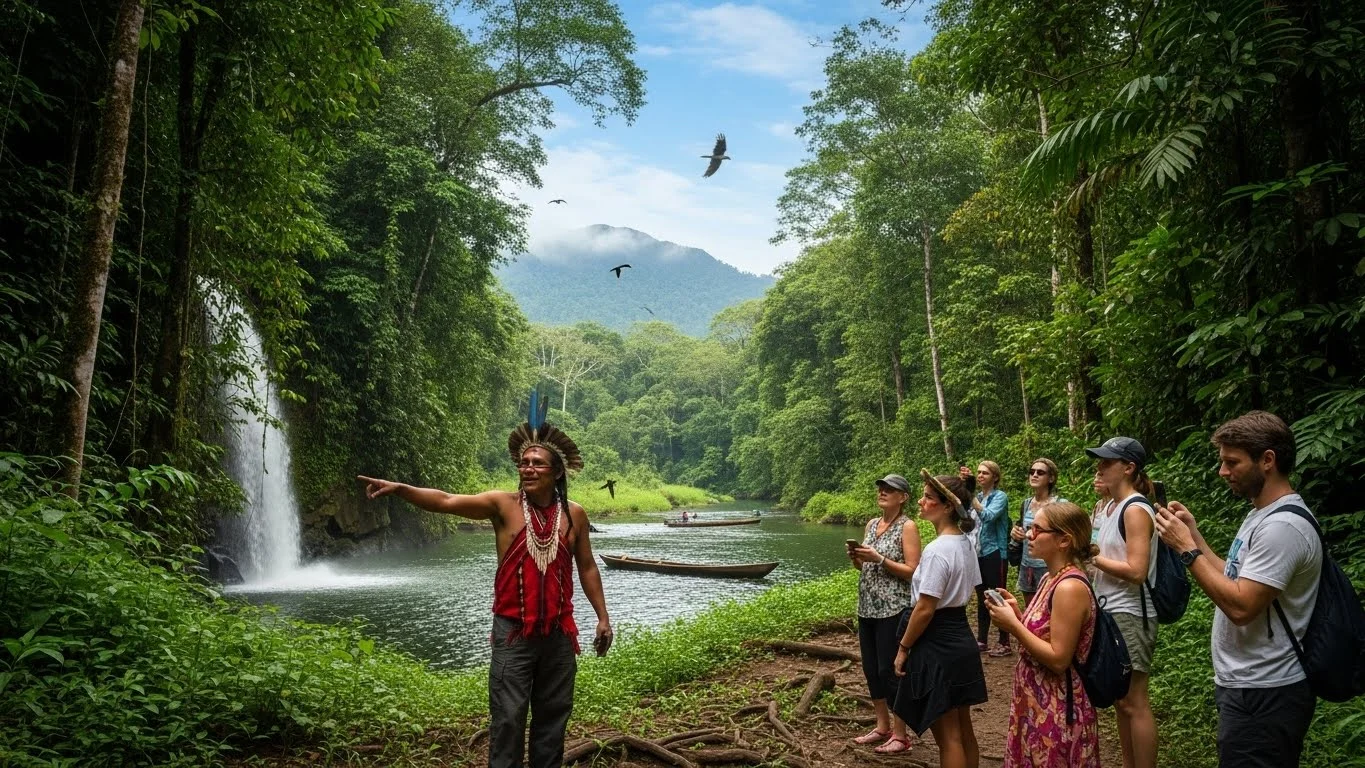
Indigenous eco-tourism is more than just a travel trend; it’s an opportunity to engage with the land and its original caretakers. I remember the first time I learned about this concept during a trip to a Native American reservation. It was eye-opening to see how tourism could be a vehicle for cultural sharing and environmental stewardship. Indigenous eco-tourism focuses on responsible travel that honors the customs, traditions, and histories of Indigenous peoples while promoting sustainable practices that protect the environment.
This form of tourism is crucial for several reasons. First, it provides a platform for Indigenous voices, allowing them to share their stories and cultural practices on their terms. Second, it fosters respect for the land and the natural world. I’ve often found that when I travel in ways that honor Indigenous traditions, I gain a deeper understanding of the environment and my connection to it. It becomes a shared journey toward appreciating the beauty and wisdom embedded in these cultures.
Benefits of Eco-Tourism for Indigenous Communities
Engaging in eco-tourism can bring significant benefits to Indigenous communities. I’ve seen firsthand how local economies thrive when visitors support Indigenous-owned businesses. This support helps create jobs, not just in tourism but also in the arts, crafts, and local agriculture. For many Indigenous communities, eco-tourism provides a vital source of income that can be reinvested into education, healthcare, and cultural preservation efforts. Additionally, how eco-tourism supports wildlife conservation initiatives is a key aspect of this sustainable approach.
One of the most heartwarming experiences I had was visiting a small Indigenous community where we participated in workshops led by local artisans. The joy on their faces as they shared their traditional crafts was contagious. It was evident that eco-tourism empowered them to maintain their cultural practices while providing a sustainable livelihood. I believe that when we choose to travel this way, we contribute to a more equitable and respectful world.
Key Principles of Eco-Tourism
To truly embrace Indigenous eco-tourism, it’s essential to understand its foundational principles. These principles guide how we, as travelers, interact with Indigenous communities and the environment. Here are a few key tenets that have resonated with me during my travels:
- Respect for Indigenous Cultures: I always strive to approach Indigenous cultures with openness and respect. Learning basic greetings or cultural practices can go a long way in building rapport.
- Environmental Stewardship: Eco-tourism emphasizes sustainability and protecting natural resources. I’ve found that when I participate in eco-friendly practices, like leaving no trace and supporting conservation efforts, I feel more connected to nature.
- Community Involvement: Engaging with local communities ensures that the benefits of tourism are felt where they count. I often seek out experiences that are run by Indigenous people themselves, ensuring that my spending supports their livelihoods.
- Education and Awareness: I believe that one of the most powerful aspects of eco-tourism is the chance to learn. Whether it’s through guided tours or cultural workshops, I always leave with more knowledge and appreciation for the world around me.
By adhering to these principles, I’ve found that my travels become more meaningful. They transform from mere sightseeing into immersive experiences that enrich my understanding of both the culture and the environment. I think that’s what makes eco-tourism so special; it’s about creating connections that last well beyond the trip.
As I continue exploring Indigenous eco-tourism, I’m excited to learn more about how we can all be responsible travelers. By supporting Indigenous communities and their traditions, we not only enjoy unique experiences but also contribute to a more sustainable future. It’s a win-win situation for everyone involved. So, whether you’re planning your next adventure or just dreaming about it, consider how you can make a positive impact through the way you travel. For budget-conscious travelers, Explore Indigenous Cultures: Eco-Tourism on a Budget is a great resource.
Top Affordable Indigenous Eco-Tourism Destinations
North America
Indigenous Tours in the United States
When I think about exploring Indigenous eco-tourism in the United States, several incredible destinations come to mind. One that stands out is the Navajo Nation in Arizona. Here, the landscape is breathtaking, with sweeping vistas of red rocks and vast desert. I had the opportunity to take a guided tour led by a Navajo guide who shared not just the history of the land, but also personal stories passed down through generations. What struck me most was the connection between the people and the environment. The tours often include sacred sites like Monument Valley, where the beauty of nature intertwines with rich cultural traditions.
In the Pacific Northwest, the Coast Salish tribes also offer unique eco-tourism experiences. I remember walking through lush forests, learning about the importance of salmon to their culture and the meticulous practices they use to preserve their way of life. Participating in these tours felt like I was gaining insights into a world that many forget still exists amid modernity. This is a reminder of how our choices as travelers can help sustain these communities.
Canadian Indigenous Experiences
In Canada, I discovered that Indigenous eco-tourism isn’t just about beautiful landscapes, but also about deep cultural connections. One of my favorite experiences was visiting the Haida Gwaii, where the Haida people have preserved their traditions for thousands of years. The Haida Heritage Centre at Kay Llnagaay not only showcases their art and history but also offers guided tours that educate visitors about their successful stewardship of the land. I felt a palpable sense of respect for the land and the ancient stories that resonate through it.
The Métis Nation also offers fantastic eco-tours in places like Manitoba. Their offerings include everything from traditional bison hunts to workshops on crafting Métis sashes. I learned that these experiences help provide income while giving visitors a chance to engage and celebrate the vibrant culture of the Métis people. It was a true privilege to witness their traditions firsthand and appreciate their connection to the land.
South America
Indigenous Eco-Tourism in the Amazon Rainforest
Traveling to the Amazon was a dream come true for me, particularly because I wanted to learn about the Indigenous communities that call this diverse ecosystem home. I joined a tour with local guides from the Tikuna tribe, who welcomed us into their world. We explored the rainforest while learning about medicinal plants and their sustainable harvesting methods. It’s fascinating how their knowledge of the land has been passed down through generations, and it made me reflect on the importance of preserving such wisdom.
One of the highlights of my trip was participating in a traditional fishing expedition, where I learned about the fish species native to the Amazon. The experience was not just about fishing; it was about understanding the ecosystem and the delicate balance that Indigenous peoples maintain with nature. It’s a living example of how eco-tourism can support conservation while empowering local communities.
Cultural Experiences with Andean Communities
In the Andes, I had the chance to visit several Quechua communities. Hiking through the mountains brought me to breathtaking views of terraced fields and ancient ruins. What I loved most was the warmth of the people. They offered workshops in traditional weaving and cooking classes that showcased their culinary heritage. I remember trying my hand at making quinoa soup, learning about its significance in their diet and culture. These experiences allowed me to feel a part of their community, if only for a moment.
I also discovered the importance of festivals in Andean culture. I was lucky enough to attend a local celebration, where music, dance, and food brought everyone together. It was a vibrant reminder of how community and culture thrive through shared experiences. Every interaction made me appreciate the depth of their traditions and the role they play in preserving the landscape around them.
Australia and Oceania
Aboriginal Cultural Tours in Australia
Australia offers a wealth of opportunities to engage with Aboriginal culture. One of my memorable experiences was in the Northern Territory, where I went on a cultural tour led by Indigenous guides. We explored sites like Uluru, learning about its spiritual significance and the stories of the Anangu people. The guides shared their connection to the land in such a profound way that I felt privileged to hear their perspectives.
I also participated in bush tucker tours, where I learned about native plants and their uses in traditional diets. I found it incredible how much knowledge exists around the natural world, and how important it is to keep these practices alive. The combination of breathtaking landscapes and rich cultural narratives made my time in Australia truly unforgettable.
Maori Eco-Tourism in New Zealand
In New Zealand, I experienced the beauty of Maori eco-tourism firsthand. I visited the Rotorua region, known for its geothermal activity and rich Maori culture. I joined a guided tour that included a traditional hangi feast, where food is cooked in the ground using heated stones. It was a feast for the senses, and the storytelling during the meal deepened my appreciation for Maori history and traditions.
Exploring the Waitangi Treaty Grounds was another highlight. Here, I learned about the significance of the treaty and its impact on Maori culture. The interactive exhibits and guided tours brought history to life, and I left feeling inspired by the resilience of the Maori people. These experiences showed me that eco-tourism is not just about visiting a place; it’s about understanding the stories and struggles that shape it.
Types of Indigenous Eco-Tourism Experiences
Cultural Workshops and Classes
Traditional Craft Making
One of the most enriching ways to connect with Indigenous cultures is through traditional craft workshops. I remember being fascinated during a pottery class with a local artisan in a Pueblo community. They shared not only the techniques but also the cultural significance behind each design and pattern. It was a hands-on experience that allowed me to appreciate the artistry and the stories woven into their crafts. I think it’s incredible how art can be a medium for cultural expression, and participating in these workshops helps keep these traditions alive while creating a deeper bond with the community.
In another experience, I took part in a weaving workshop with the Kuna people in Panama. The vibrant colors and intricate designs of their molas captivated me. As I wove alongside the women of the community, I learned about their history and the symbolism behind their artwork. It was inspiring to know that my efforts contributed to preserving their craft while providing them with an income. For anyone looking to dive deeper into Indigenous cultures, these workshops are a must!
Cooking Classes Featuring Indigenous Cuisine
Food has a unique way of connecting us to different cultures, and I’ve found that cooking classes are an excellent way to explore Indigenous culinary traditions. In the Andes, I took a cooking class where I learned to prepare traditional dishes like ceviche and quinoa soup. The local chef shared stories about the ingredients, many of which were grown in their own gardens, and explained the cultural importance of each meal. I felt a sense of connection as I cooked and tasted the flavors that have been cherished for generations.
Another memorable experience was attending a bush tucker cooking class in Australia. The Indigenous chef introduced us to native ingredients like wattleseed and finger limes, and demonstrated how to prepare a bush-inspired meal. It was exciting to learn about the culinary techniques and practices that have sustained Aboriginal communities for centuries. These cooking experiences not only satisfy your taste buds but also create a cultural exchange that I believe is invaluable.
Guided Nature Tours
Wildlife Watching with Indigenous Guides
Experiencing nature through the lens of Indigenous knowledge is a transformative journey. I once participated in a wildlife watching tour in the Northern Territory, guided by an Aboriginal ranger. Their deep understanding of the land and its ecosystems was evident as they pointed out various animals and plants. It was incredible to hear their stories about how certain species are connected to their culture and spirituality. I learned about the importance of conservation and how traditional ecological knowledge plays a crucial role in preserving biodiversity.
During this tour, I encountered kangaroos, wallabies, and an array of bird species, all while gaining insights into their habitats and behaviors. I believe that traveling with Indigenous guides not only enriches our experience but also helps ensure that wildlife is respected and protected. It’s a beautiful reminder of the harmonious relationship Indigenous peoples have with the land.
Hiking and Nature Trails
Hiking through Indigenous territories offers a unique perspective on the landscape and its significance. I’ve hiked some breathtaking trails in New Zealand, guided by Maori leaders who shared stories about the mountains and rivers we traversed. Each step on those trails felt like walking through history, as they explained the cultural importance of the natural features around us. The connection between the land and their identity was palpable, and it made every vista more meaningful.
One of my favorite hikes was on the Tongariro Alpine Crossing. Not only was it stunning, but learning about the geological and cultural significance of the area added depth to the experience. I appreciated how hiking with Indigenous guides creates a greater awareness of the land’s stories and encourages us to be more mindful travelers.
Participatory Community Programs
Volunteering Opportunities
Volunteering in Indigenous communities can be one of the most impactful ways to engage with eco-tourism. I had the opportunity to assist in a reforestation project with a local Indigenous group in Brazil. We worked side by side with community members planting native trees, and it was rewarding to contribute to their efforts to restore the rainforest. I learned about the significance of these trees not just for the environment but also for the community’s cultural practices.
Volunteering provides a unique chance to connect with the community on a deeper level. It fosters friendships and allows us to witness firsthand the challenges they face. I believe that by giving our time and energy, we can make a meaningful difference in their lives and in the preservation of their culture.
Cultural Exchange Programs
Cultural exchange programs are another fantastic way to immerse ourselves in Indigenous cultures. I participated in a program that paired travelers with local families in a small Indigenous village in Canada. Living with them for a week opened my eyes to their daily lives, customs, and traditions. We shared meals, attended ceremonies, and learned about their ways of life. It was a wonderful opportunity to break down barriers and misunderstandings, and I left with friendships that transcended borders.
These programs often focus on mutual respect and learning, allowing travelers to gain insights into Indigenous lifestyles while providing families with additional income. I think it’s a beautiful way to build connections and foster understanding between cultures. Each experience, whether through workshops, guided tours, or community programs, leaves an imprint on our hearts and minds, reminding us of the rich tapestry of Indigenous cultures around the world.
Frequently Asked Questions
What is Indigenous eco-tourism?
Indigenous eco-tourism is a form of responsible travel that focuses on engaging with Indigenous cultures and the land’s original caretakers. It emphasizes sustainable practices that protect the environment and allows Indigenous communities to share their stories and cultural practices on their own terms.
Why is Indigenous eco-tourism important?
This form of tourism is crucial as it provides a platform for Indigenous voices, fosters respect for the land, and enhances travelers’ understanding of cultural and environmental connections. It transforms tourism into a shared journey toward appreciating Indigenous traditions and environmental stewardship.
What benefits does eco-tourism provide to Indigenous communities?
Eco-tourism can significantly benefit Indigenous communities by supporting local economies, creating jobs, and providing income that can be reinvested into education, healthcare, and cultural preservation efforts. It empowers community members to maintain their cultural practices while achieving a sustainable livelihood.
What are the key principles of eco-tourism?
The key principles of eco-tourism include respect for Indigenous cultures, environmental stewardship, community involvement, and education and awareness. These principles guide how travelers interact with Indigenous communities and the environment, enhancing the overall travel experience.
Can you name some Indigenous eco-tourism destinations in North America?
In North America, notable Indigenous eco-tourism destinations include the Navajo Nation in Arizona and the Coast Salish tribes in the Pacific Northwest. Both locations offer unique experiences that connect visitors with Indigenous history, culture, and the environment.
What experiences can travelers expect in Canada regarding Indigenous eco-tourism?
In Canada, travelers can experience Indigenous eco-tourism through visits to places like Haida Gwaii, where they can engage with the Haida people’s traditions, and with the Métis Nation in Manitoba, which offers eco-tours that celebrate their vibrant culture and practices.
What is the significance of Indigenous eco-tourism in the Amazon Rainforest?
Indigenous eco-tourism in the Amazon allows travelers to learn about the local Indigenous communities, such as the Tikuna tribe, and their sustainable practices. Tours often include exploration of medicinal plants and traditional fishing, highlighting the balance Indigenous peoples maintain with nature.
What types of cultural workshops are available through Indigenous eco-tourism?
Travelers can participate in various cultural workshops, including traditional craft making and cooking classes featuring Indigenous cuisine. These hands-on experiences allow for deeper connections with Indigenous cultures and help preserve their artistic and culinary traditions.
How can travelers engage in participatory community programs?
Travelers can engage in participatory community programs through volunteering opportunities, such as assisting in reforestation projects, or through cultural exchange programs that pair travelers with local families, fostering mutual respect and understanding between cultures.
What impact does eco-tourism have on travelers?
Eco-tourism impacts travelers by transforming their experiences into meaningful connections with Indigenous cultures and the environment. It encourages respect, awareness, and appreciation for diverse ways of life, leaving lasting impressions that extend beyond the trip.