
Cultural eco-tourism offers a unique way to explore the world, allowing us to experience the richness of local cultures while being mindful of our environmental footprint. It’s a chance to discover heritage without breaking the bank!
Understanding Cultural Eco-Tourism
Definition and Importance of Cultural Eco-Tourism
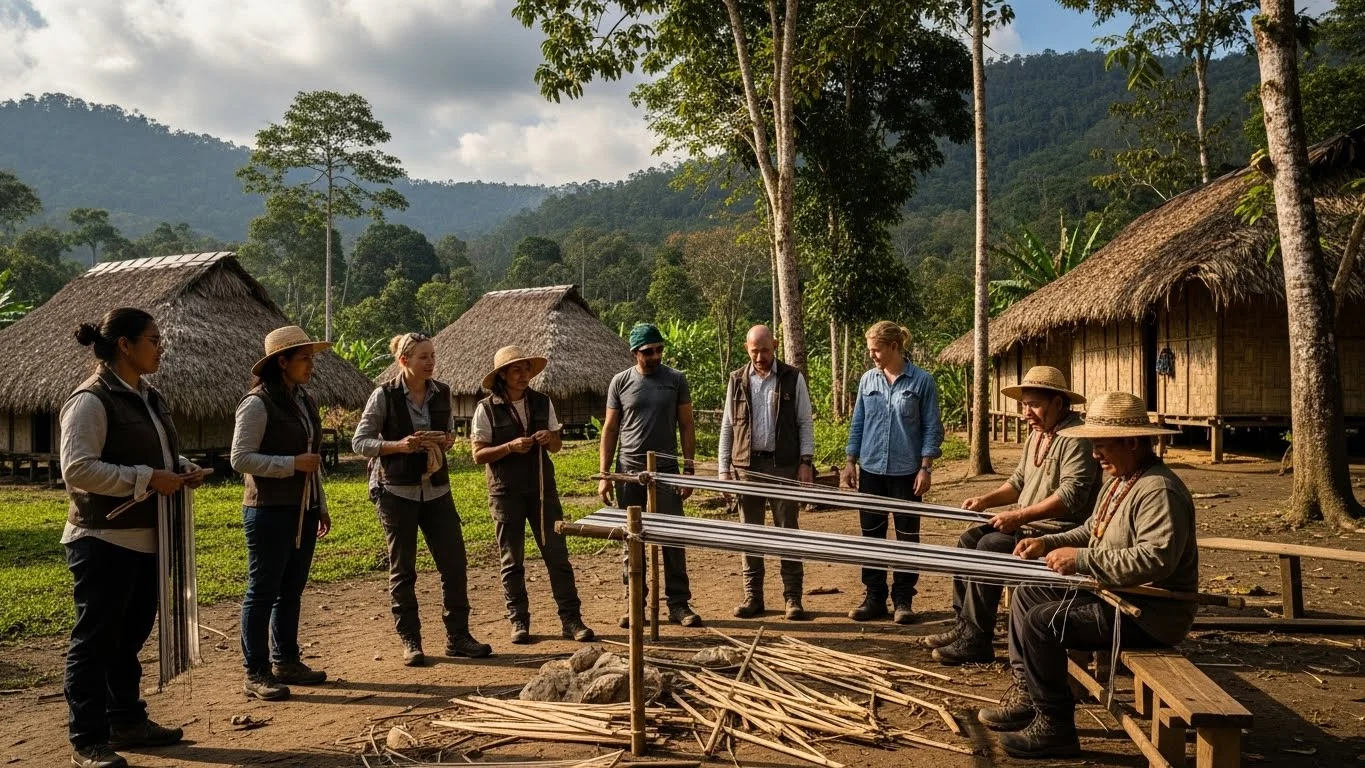
Cultural eco-tourism is a blend of travel that emphasizes both cultural experiences and environmental sustainability. I first stumbled upon this concept during a trip to Peru, where I learned that eco-tourism isn’t just about visiting national parks or pristine beaches; it’s also about immersing ourselves in the local culture, traditions, and community. The importance of cultural eco-tourism lies in its ability to foster a deeper understanding and appreciation of diverse ways of life, while also supporting the preservation of the environments and cultures we visit. When we engage with local customs, we create meaningful connections that can last long after our travels are over. Cultural Connections: Affordable Indigenous Eco-Tourism Trips can provide additional insights into this enriching travel style.
Key Principles of Eco-Tourism
As I delved deeper into cultural eco-tourism, I discovered several key principles that guide this travel style. Understanding these principles can significantly enhance our travel experiences while ensuring we make a positive impact on the places we visit:
- Environmental Awareness: Eco-tourism emphasizes the importance of protecting the environment. I’ve seen firsthand how eco-conscious travel can reduce our impact on local ecosystems.
- Cultural Respect: Engaging with local communities on their terms is vital. I remember visiting a small village in Thailand where the inhabitants welcomed us, and in return, we honored their customs and traditions.
- Community Involvement: Supporting local economies is at the heart of eco-tourism. By choosing local guides, artisans, and accommodations, we help create jobs and sustain livelihoods.
- Education: Learning about the culture and environment enriches our travels. I always try to educate myself about the history and traditions of the places I visit.
Benefits of Cultural Eco-Tourism for Communities
When I think about the benefits of cultural eco-tourism, several stand out. For one, it provides communities with an opportunity to share their culture in an authentic way. I’ve had memorable experiences where local artisans showcased their crafts, and I was able to purchase handmade goods directly from them, ensuring that my money supported their livelihoods.
Moreover, cultural eco-tourism can lead to infrastructure improvements in local areas. During a recent visit to a rural region in Mexico, I noticed how the influx of eco-tourists helped fund better roads and facilities. It’s incredible how our travel choices can contribute to tangible benefits for communities. Explore Cultural Heritage: Backpacking for Preservation offers more ways to understand these impacts.
Additionally, cultural eco-tourism often fosters pride among locals. I’ve seen how communities come together to celebrate their heritage, creating festivals and events that not only attract visitors but also strengthen their sense of identity. This sense of pride is something I cherish and feel honored to witness during my travels.
Why Preserve Heritage?
The Role of Heritage in Cultural Identity
Heritage plays a vital role in shaping cultural identity. I’ve experienced this on my travels—visiting ancient ruins or local ceremonies always brings me a sense of connection to the past. It’s fascinating to see how people preserve traditions, stories, and languages that define who they are. For instance, I once attended a traditional dance in a small village in India, where every movement told a story of their ancestors. Moments like that remind me why it’s essential to preserve heritage.
Impact of Tourism on Local Cultures
Tourism can be a double-edged sword. While it can bring economic benefits, it can also threaten local cultures. I’ve seen beautiful places overwhelmed by mass tourism, where commercial interests overshadow genuine cultural experiences. It’s heartbreaking to witness local customs diluted for the sake of tourist dollars. This is where cultural eco-tourism steps in, offering a more respectful approach that focuses on authentic connections rather than mere transactions.
Economic Benefits of Heritage Preservation
Pursuing cultural eco-tourism not only safeguards heritage but also brings economic advantages. I’ve learned that when communities invest in preserving their culture, they attract visitors interested in authentic experiences. This can lead to job creation and sustainable income sources. For example, during my travels, I’ve encountered local initiatives where heritage workshops taught visitors traditional crafts, benefiting both the artisans and the tourists who seek genuine engagement. Experience Authenticity: Explore Community Eco-Tourism highlights such initiatives.
Budget-Friendly Cultural Eco-Tourism Activities
Homestays and Local Accommodations
One of the most rewarding ways to immerse yourself in a new culture is through homestays or staying in local accommodations. I remember my first experience with a homestay in a quaint village in Vietnam. The family I stayed with welcomed me into their home, shared their meals with me, and taught me about their daily lives. It was far from the sterile feel of a hotel; instead, I felt like part of the family. Plus, this kind of lodging is often budget-friendly, allowing us to save money while supporting local families directly.
When I look back, those cozy evenings spent sharing stories over a pot of homemade pho are some of my fondest memories. Many local accommodations also connect travelers with cultural experiences—like cooking classes or traditional crafting—making them a fantastic way to learn and enjoy.
Volunteering Opportunities in Cultural Sites
Volunteering can be a fantastic way to engage with a community, gain insights, and help in meaningful ways. I found this out during a trip to a small town in Guatemala, where I volunteered at a local school. Not only did I get to know the children and teachers, but I also learned about their customs and traditions. It was enriching to see the impact that our presence had on the community, and the connections I made were invaluable.
Many organizations offer short-term volunteer opportunities that can be quite affordable or even free. In exchange for a few hours of work each day, you often receive accommodation and meals. This trade-off helps ensure that your travel budget stretches while allowing you to support local cultural preservation efforts.
Community-Based Tours and Experiences
Community-based tours are a brilliant way to explore a destination through the eyes of locals. I’ve participated in several such tours, ranging from guided hikes through the Amazon rainforest to visits to indigenous communities in Canada. These experiences are usually more affordable than typical tourist packages because they promote direct engagement with local guides.
During one tour in Costa Rica, we trekked through a stunning landscape with a local guide who shared his knowledge of the flora and fauna. It was not just about seeing the sights; it was about learning how the local people interact with nature. This deeper understanding made my experience more meaningful and memorable. I think community-based tours are fantastic opportunities to support local economies while enjoying an authentic travel experience.
Free or Low-Cost Cultural Events and Festivals
Exploring cultural events and festivals can be a highlight of any trip. I’ve found that many destinations host free or low-cost events that showcase local traditions, arts, and music. During my travels in Spain, I happened upon a local festival celebrating the harvest. I was able to join in the festivities, partake in traditional dances, and taste delicious local foods—all at no cost! These types of events allow us to witness the genuine spirit of a community.
Before you travel, I recommend checking local calendars for events happening during your visit. Many towns have seasonal festivals that welcome travelers and offer a glimpse into their cultural heritage. Getting involved in these celebrations not only enriches our travel experience but also shows support for the local culture.
In my experience, budget-friendly cultural eco-tourism activities are some of the best ways to connect with the essence of a place. They allow us to travel responsibly while creating memories that last a lifetime, all without breaking the bank.
Top Destinations for Cultural Eco-Tourism on a Budget
Latin America: Experiences in Local Communities
Latin America is truly a treasure trove for cultural eco-tourism. I remember my journey through Peru, where the vibrant Incan culture was palpable, especially in places like Cusco and the Sacred Valley. The local markets were filled with colorful textiles, and I had the chance to learn about traditional weaving techniques from skilled artisans. I found that engaging directly with these communities not only enriched my experience but also felt rewarding as my spending supported their craft.
Additionally, community-based tourism initiatives like the one in the small village of Ollantaytambo allow visitors to stay with local families, enjoy home-cooked meals, and take part in agricultural activities. These experiences often come at a fraction of the cost of regular tourist packages, and they ensure that the money goes directly to the hosts, helping to preserve their way of life.
Asia: Affordable Cultural Heritage Sites
Traveling through Asia, I’ve been amazed by the rich tapestry of cultures and traditions. Countries like Vietnam and Cambodia offer countless opportunities for budget-friendly cultural eco-tourism. I recall visiting the ancient temples of Angkor Wat in Cambodia and opting to stay in a nearby village instead of a luxury hotel. I spent my days exploring the temples, while my evenings were filled with laughter and stories shared with locals over simple meals.
Places like Thailand also provide an array of affordable workshops, from cooking classes to traditional crafts, allowing travelers to connect with local culture in a hands-on way. Each of these experiences is often budget-friendly, making it easy to immerse ourselves in the beauty of their heritage.
Africa: Exploring Indigenous Cultures
Africa is another continent rich in cultural diversity, and I’ve had the privilege to experience its beauty firsthand. One of my most memorable adventures was in Tanzania, where I spent time with the Maasai people. Participating in their traditional rituals and learning about their nomadic lifestyle gave me a profound appreciation for their culture. I was welcomed into their community, which allowed me to gain insights that go far beyond what typical tourist visits offer.
Many African nations have community-run experiences that are affordable and fulfilling. For instance, I visited local markets, enjoyed traditional meals, and even joined in on dances. These activities not only enriched my understanding of their way of life but also supported their economy. I felt connected to the land and its people, and that connection is priceless.
Europe: Historic Towns with Budget Options
Europe is often seen as an expensive destination, but I’ve discovered that there are several budget-friendly options for cultural eco-tourism. Towns like Porto in Portugal or Lucca in Italy offer stunning architecture, rich histories, and vibrant local cultures without the high price tags of bigger cities. During my time in Porto, I wandered through narrow streets lined with beautiful azulejos, sampled local wines, and interacted with friendly residents who shared stories about their heritage.
Moreover, many European towns host free walking tours where local guides share their knowledge and passion for the area. I participated in one in Prague, and it was a phenomenal way to learn about the city’s history while supporting local guides. These tours often rely on tips, so they work wonderfully for budget travelers like us.
In each of these regions, I’ve found that cultural eco-tourism on a budget allows us to delve deep into local cultures while being mindful of our spending. The experiences I’ve had have taught me that travel isn’t just about the destination; it’s about the connections we make and the stories we gather along the way. Whether it’s through meaningful interactions or simply enjoying the local lifestyle, budget-friendly cultural eco-tourism can create lasting memories that stay with us long after our journeys end.
How to Plan Your Cultural Eco-Tourism Trip
Researching Destinations and Activities
Planning a cultural eco-tourism trip starts with research. I always take the time to explore various destinations that resonate with my interests. Websites, travel blogs, and social media can be goldmines of information. I remember spending hours on forums like Reddit or travel blogs, looking for recommendations on lesser-known spots that offer authentic cultural experiences. It’s amazing how many hidden gems you can find if you dig a little deeper.
Moreover, I like to look for activities that allow for cultural immersion. Sometimes, just reading about a place isn’t enough—I find it helpful to reach out to local tourism boards or community organizations. They often provide insights into local events, workshops, and community-driven tours that may not be widely advertised. From my experience, reaching out directly can lead to discovering unique opportunities that transform a regular trip into a memorable adventure.
Budgeting for Your Eco-Tourism Adventure
Budgeting is a crucial part of planning any trip, and cultural eco-tourism is no exception. I’ve learned to break down my expenses into categories like accommodations, activities, meals, and transportation. Setting a realistic budget helps me prioritize experiences that are meaningful and impactful. I often allocate a larger portion for local activities and food, as these provide the richest experiences.
It’s also wise to have a buffer for spontaneous opportunities that arise. I remember in Thailand, I stumbled upon a local cooking class that wasn’t on my itinerary. It was an affordable indulgence that enhanced my understanding of Thai culture immensely. So, while planning is essential, being flexible with the budget can lead to unexpected and wonderful experiences.
Choosing Sustainable Transportation Options
Transportation plays a significant role in eco-tourism. I always aim to choose modes of transport that minimize environmental impact. Whenever possible, I opt for public transportation, which not only reduces my carbon footprint but also allows me to mingle with locals. For instance, while exploring the stunning landscapes of New Zealand, I took a bus tour that was both cost-effective and enriching. It was a great way to see the sights while learning from our local guide.
Additionally, walking or biking in cities is an excellent way to explore. I remember a memorable biking tour in Amsterdam where I learned about the city’s history and culture while enjoying the freedom of two wheels. It felt good to know that I was contributing to a more sustainable form of travel.
Making the Most of Local Resources
Local resources can greatly enhance our travel experience. I’ve found that connecting with locals through community centers, markets, or even social media groups can lead to fantastic recommendations. For example, while in a small town in Italy, I met a local artist at a market who invited me to his studio for a private tour and painting session. This personal touch created unforgettable memories and deepened my appreciation for the culture.
I also recommend using apps or websites that focus on eco-friendly services and experiences. These tools can help us find local guides who prioritize sustainable tourism, ensuring that our adventures benefit the community and the environment. Overall, engaging with local resources can transform our travels into something truly enriching.
Tips for Responsible Cultural Eco-Tourism
Respecting Local Customs and Traditions
In my travels, I’ve learned that respecting local customs is paramount. Each culture has its own set of traditions and norms. I remember visiting a sacred site in Bali where I was reminded to dress modestly and behave respectfully. Observing these customs not only shows respect but also enriches our understanding of the culture we are experiencing. I always take the time to educate myself about local etiquette and practices before visiting a new destination.
Supporting Local Economies and Businesses
One of the most impactful ways to practice responsible eco-tourism is by supporting local businesses. I make a conscious effort to eat at local restaurants, shop at artisan markets, and hire local guides. This not only helps sustain the community but also provides us with authentic experiences. During my time in Mexico, I sought out family-owned eateries, and the food was always fresher and more flavorful than anything else I encountered. Supporting local economies empowers communities and keeps their cultural heritage alive.
Minimizing Environmental Impact During Travel
Every little action counts when it comes to minimizing our environmental impact. I’ve adopted several habits that help me travel more sustainably. For instance, I carry a reusable water bottle, which has significantly reduced my plastic waste. I also make it a point to avoid single-use plastics whenever possible, and I choose eco-friendly products. These small changes make a difference, especially when many travelers adopt similar practices.
Additionally, I always follow the “Leave No Trace” principles. Whether I’m hiking in nature or enjoying a local beach, I make sure to clean up after myself and respect the natural surroundings. This commitment not only preserves the beauty of the places we visit but also sets a positive example for fellow travelers.
Resources for Cultural Eco-Tourism
Books and Guides on Eco-Tourism
If you’re looking for a deeper understanding of eco-tourism, I’ve found several books and guides that offer valuable insights. Titles like “The Ecotourism Equation” have helped shape my perspective on sustainable travel and the importance of preserving local cultures. Many of these resources provide tips for planning eco-friendly trips and highlight inspiring stories from around the globe.
Online Platforms for Eco-Tourism Opportunities
There are various online platforms dedicated to eco-tourism that can help you find meaningful travel experiences. Websites like EcoTourism.org are fantastic starting points, offering listings of eco-friendly accommodations and tours. I often browse these sites to discover new destinations that align with my values.
Organizations Promoting Cultural Heritage Preservation
Connecting with organizations that promote cultural heritage preservation can enrich our travels in profound ways. Initiatives like the Global Heritage Fund work tirelessly to protect cultural sites and promote responsible tourism. Engaging with such organizations can provide us with opportunities to volunteer or participate in programs directly benefiting local communities.
Final Thoughts
As I reflect on my journey through cultural eco-tourism, I feel a sense of gratitude for the experiences I’ve had and the lessons I’ve learned. Traveling in a way that respects and honors local cultures not only enriches our adventures but also helps sustain the very essence of those places. I encourage you to embrace cultural eco-tourism and seek out opportunities that connect you with the heart of a community. It’s a wonderful way to create lasting memories, forge meaningful connections, and contribute positively to the world around us. Each trip is a chance to discover not just new places, but also new perspectives, and that’s what makes travel so transformative.
Frequently Asked Questions
What is cultural eco-tourism?
Cultural eco-tourism is a blend of travel that emphasizes both cultural experiences and environmental sustainability. It allows travelers to immerse themselves in local cultures while being mindful of their environmental footprint.
What are the key principles of eco-tourism?
The key principles of eco-tourism include environmental awareness, cultural respect, community involvement, and education. These principles aim to enhance travel experiences while ensuring a positive impact on the places visited.
How does cultural eco-tourism benefit local communities?
Cultural eco-tourism benefits local communities by providing opportunities to share their culture authentically, leading to infrastructure improvements and fostering pride among locals. It supports local artisans and helps sustain their livelihoods.
Why is preserving heritage important?
Preserving heritage is important because it shapes cultural identity and helps maintain traditions, stories, and languages. It also safeguards local cultures from being diluted by mass tourism.
What are some budget-friendly cultural eco-tourism activities?
Budget-friendly cultural eco-tourism activities include homestays, volunteering opportunities, community-based tours, and participating in free or low-cost cultural events and festivals.
What are some recommended destinations for cultural eco-tourism on a budget?
Recommended destinations for cultural eco-tourism on a budget include Latin America, Asia, Africa, and Europe. Each region offers unique experiences that allow travelers to connect with local cultures affordably.
How should one plan a cultural eco-tourism trip?
Planning a cultural eco-tourism trip involves researching destinations and activities, budgeting for expenses, choosing sustainable transportation options, and utilizing local resources for an enriched experience.
What are some tips for responsible cultural eco-tourism?
Tips for responsible cultural eco-tourism include respecting local customs and traditions, supporting local economies and businesses, and minimizing environmental impact during travel.
What resources are available for cultural eco-tourism?
Resources for cultural eco-tourism include books and guides on eco-tourism, online platforms for eco-tourism opportunities, and organizations that promote cultural heritage preservation.
How does cultural eco-tourism create lasting memories?
Cultural eco-tourism creates lasting memories by encouraging meaningful interactions with local communities, allowing travelers to experience authentic cultural practices and forge connections that enrich their journeys.