
Traveling to a new country is exciting, but it also comes with the responsibility of respecting local customs. Understanding cultural etiquette can enhance your experience and help you connect with locals. Read Interesting article: Solo Travel Success: Understanding Cultural Etiquette
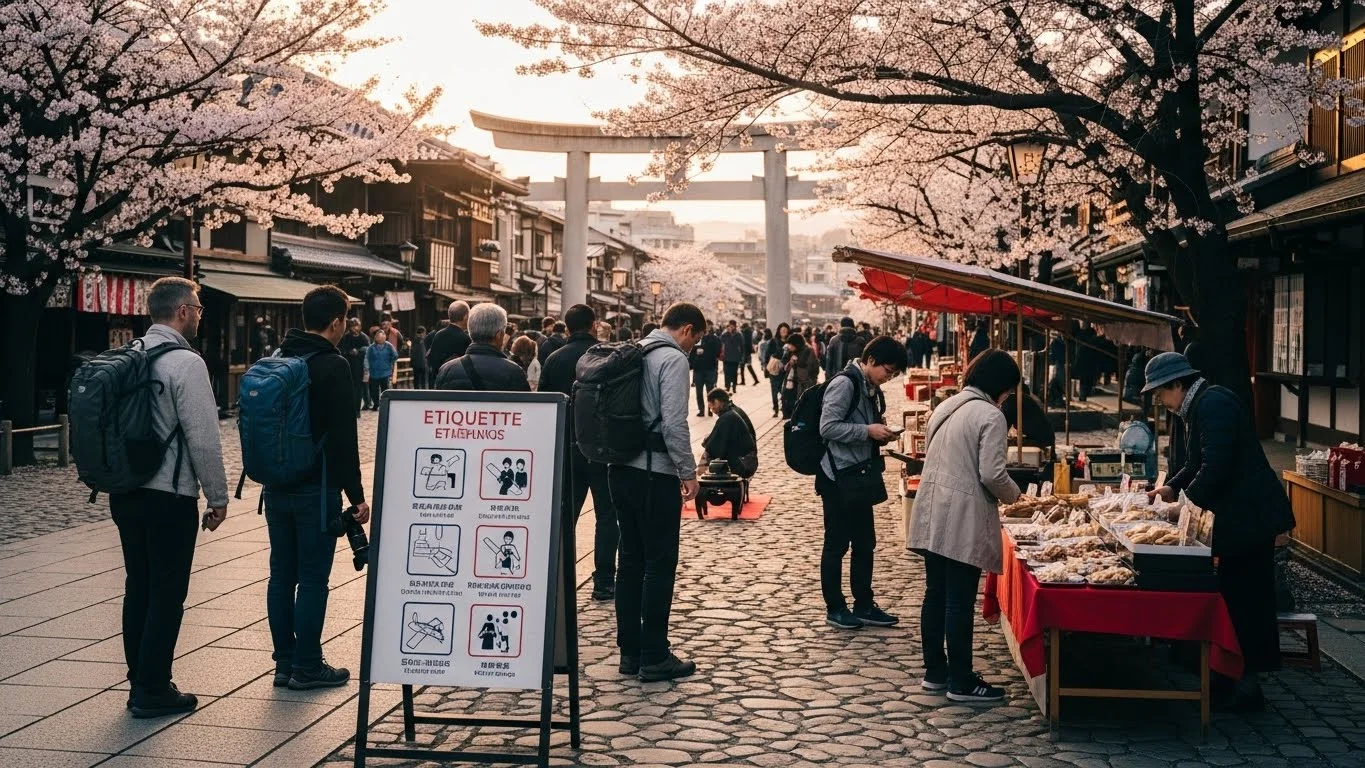
Understanding Cultural Etiquette
Definition of Cultural Etiquette
Cultural etiquette refers to the accepted norms and behaviors that are considered polite or appropriate within a particular culture. It encompasses a wide range of behaviors, from how we greet others to table manners, and even how we conduct ourselves in public spaces. I remember my first trip abroad; I was nervous about making a mistake and offending someone without even realizing it. It’s amazing how little things, like saying “thank you” or knowing when to bow, can mean so much in different cultures. I found that being aware of these customs can really help build bridges and foster goodwill.
Importance of Respecting Local Customs
Respecting local customs is not just about following rules; it’s about showing appreciation for the culture you’re visiting. I’ve learned that when I take the time to understand and follow these customs, it often opens doors to deeper interactions with locals. For me, it’s like being a guest in someone’s home. Would you kick off your shoes and trample through the living room without acknowledging the host? I think not! In many cultures, showing respect is the first step to building relationships, and it can lead to unforgettable experiences. For example, I once visited a small village where the locals were thrilled that I tried their traditional greetings, and it made my experience so much richer. Read Interesting article: Navigating Cultural Etiquette Solo: A Traveler’s Guide
Cultural Differences in Public Behavior
The way people behave in public can vary significantly from one culture to another. I’ve seen firsthand how something that’s perfectly acceptable in one country might be frowned upon in another. For instance, in many Western countries, maintaining eye contact is a sign of confidence. However, in some Asian cultures, prolonged eye contact can be considered disrespectful. I remember feeling confused when I noticed locals looking down while speaking. It took me a moment to realize that it wasn’t rudeness; it was a cultural norm I wasn’t familiar with. Understanding these differences can help us navigate social situations with ease and avoid misunderstandings.
General Public Space Etiquette
Personal Space and Proxemics
Personal space is a concept that varies dramatically across cultures. In some countries, people stand close when talking, while in others, maintaining a bit of distance is preferred. I recall walking through a bustling market in Thailand and feeling a bit overwhelmed by how close people stood to each other. It took me some time to adapt. I learned that being open to these differences can help me connect with others more effectively. Understanding the proxemics of a culture can help you feel more comfortable and less intrusive when interacting with locals.
Volume and Tone of Voice
Have you ever noticed how the volume of conversations varies in different cultures? In some places, speaking loudly can be seen as enthusiastic, while in others, it might come off as rude. I remember visiting a café in Italy where conversations were lively and animated. I felt compelled to raise my voice just to be heard! On the flip side, in quieter settings, like many places in Japan, a softer tone is appreciated. Adapting my volume to match the environment not only made me feel more integrated, but it also helped me communicate more effectively with those around me.
Body Language and Gestures
Body language is an essential part of communication, but it can be tricky when traveling. I’ve accidentally offended someone by using a gesture that was perfectly innocent in my culture but had a completely different meaning elsewhere. For instance, I once gave someone a thumbs up, thinking I was being positive, only to be met with a puzzled look. I learned that familiarizing myself with common gestures can prevent misunderstandings. I recommend researching the body language norms of your destination to avoid any embarrassing moments. I’ve found that simple gestures, like a smile or a wave, are universally understood and can break the ice. Read Interesting article: Essential Cultural Etiquette Tips for Solo Travelers
Country-Specific Etiquette Guides
Etiquette in Europe
France: Dining and Social Norms
When I first visited France, I quickly learned that dining etiquette is taken very seriously. I remember being told that the French view meals as an experience rather than just a necessity. This was evident when I sat down at a bistro in Paris. The server greeted me with a polite “Bonjour,” and I realized that it was essential to reciprocate that greeting. I felt a bit out of my element when I noticed that people took their time with meals, savoring every bite. In France, it’s not just about eating; it’s about enjoying the company and conversation. I also learned that if you’re dining with locals, it’s considered polite to keep your hands on the table (but not your elbows) and to wait for the host to start eating before you dig in. I found these customs fascinating and a beautiful reminder to slow down and appreciate the moment.
Germany: Punctuality and Formality
In Germany, punctuality struck me as a sign of respect. I was surprised at how everyone arrived on time for events, whether it was a casual gathering or a formal meeting. I remember waiting for a friend at a café, and when they arrived right on the dot, I realized that this was not just a quirk but a cultural value. Additionally, I found that formality is often preferred in initial interactions. Addressing someone by their last name followed by “Herr” or “Frau” until invited to use their first name is common. This attention to punctuality and formality really made me feel the importance of being respectful in professional and social settings.
Etiquette in Asia
Japan: Bowing and Silence
Japan is a country where silence can speak volumes. I was amazed at how bowing is not just a greeting but a deep expression of respect. When I first arrived, I hesitated to bow, unsure of how deep or long to do it. But I quickly learned that even a slight bow can convey politeness. I noticed that conversations often contained long pauses, and it was considered polite to give others time to reflect before responding. This was a bit challenging for me, as I’m naturally more comfortable with a back-and-forth exchange. However, embracing this practice allowed me to connect with locals on a deeper level, and I began to appreciate the beauty of their thoughtful communication style.
China: Gift Giving and Dining Etiquette
In China, gift-giving is an important part of social interactions. I remember visiting a friend’s home and bringing a small gift as a token of appreciation. It was interesting to learn that presenting a gift with both hands is a sign of respect. Also, I found out that it’s common for gifts to be declined a few times before they’re accepted—this is part of the tradition! Dining in China was another adventure; I discovered that leaving a bit of food on my plate was a sign that I had been satisfied, which was very different from my usual habit of finishing everything. Experiencing these customs allowed me to appreciate the thoughtfulness behind them, and I felt truly welcomed into their culture.
Etiquette in the Middle East
UAE: Dress Code and Gender Interactions
Traveling to the UAE, I quickly learned that modest dress is significant in their culture. I remember my first day in Dubai, where I saw a mix of traditional and modern attire. I made sure to dress conservatively, covering my shoulders and knees, which seemed to earn me respect from the locals. I also noticed that interactions between genders can be more formal than what I’m used to. In many situations, I found it polite to wait for a handshake to be offered rather than initiating one. These small adjustments helped me feel comfortable and respectful in a new environment.
Turkey: Hospitality and Dining Customs
In Turkey, hospitality is genuinely a way of life. I was touched by how welcoming the locals were. When I visited a family, they insisted I try their homemade dishes, and it felt rude to decline. I learned that eating together is a sign of friendship and trust. I also noticed that meals often start with a toast; this was a wonderful way to bond with my hosts. It’s customary to say “Şerefe,” which means “to your honor,” before taking a sip. These experiences taught me that food is not just sustenance; it’s a way to connect and share joy.
Navigating Public Transportation
Common Rules and Etiquette
Using public transportation can be a great way to explore a new city, but I’ve learned that there are often unspoken rules to follow. In many places, it’s considered polite to give up your seat for the elderly or pregnant women. I remember riding a crowded subway in London when an older gentleman approached. I instinctively stood up, and he smiled appreciatively. This sense of community made the ride feel more friendly. Additionally, keeping conversations to a whisper is generally appreciated, as many people prefer to enjoy their commute in peace.
Handling Tickets and Fares
Handling tickets can vary from country to country, and I’ve had my share of confusion. I remember trying to navigate the ticket machines in Rome, where the instructions were all in Italian! I learned that asking someone for help can go a long way, and many locals are willing to assist. In some cities, it’s common to validate your ticket before boarding, while in others, you simply show it to the conductor. I recommend always checking the local rules before traveling. It can save you from unexpected fines and help you blend in better.
Behavior on Buses and Trains
Every city has its own vibe when it comes to public transport. I’ve experienced everything from the lively chatter on a bus in Barcelona to the silent trains in Tokyo. I found that observing those around me often helped me gauge what kind of behavior was expected. For instance, in many Asian countries, using your phone quietly and keeping your music to yourself is the norm. I’ve made it a habit to keep my voice down and be mindful of my surroundings, allowing me to enjoy the ride while respecting the space of others.
Dining Etiquette in Public Spaces
Restaurant Norms: Tipping and Ordering
Dining out can be one of the most enjoyable experiences when traveling, but I’ve realized that the rules around tipping and ordering can vary widely. In the United States, for example, tipping around 15-20% is standard, but in Japan, tipping can be seen as rude because exceptional service is expected. I remember a time in Japan when I awkwardly left a tip on the table after a wonderful meal, feeling proud of myself, only to be met with puzzled expressions from the staff. They returned the money, and I learned that the cultural norms surrounding tipping are crucial to understand. In Italy, I discovered that service charges are often included in the bill, so I needed to be mindful of that when deciding whether to leave extra. I recommend checking the tipping customs before you travel; it can save you from awkward situations and help you show your appreciation correctly.
Street Food Etiquette
Street food is one of my favorite ways to experience a culture, but I’ve learned that there are often unspoken rules to follow. For instance, in Thailand, it’s customary to wait for your food to be prepared before eating; this shows respect to the vendor. I remember standing at a bustling street stall, excited to try the famous Pad Thai. I was tempted to dig in right away, but I noticed how everyone else was patiently waiting until their orders were complete. I decided to follow suit, and it made the experience feel more communal. Additionally, I found that using a fork and spoon is standard in many Asian countries, while in places like Mexico, eating with my hands is not only accepted but encouraged! Embracing these customs can enhance your street food adventures and help you connect with the local community.
Picnicking and Eating Outdoors
Eating outdoors or having a picnic is a delightful way to enjoy a destination, especially in beautiful parks or scenic areas. I remember spending a sunny afternoon in Central Park, New York, where I saw families and friends gathered with baskets full of food. I noticed that it was common to share food, and everyone seemed to take turns offering dishes. This made me realize that picnicking isn’t just about eating; it’s about sharing and bonding. However, in some cultures, it’s essential to keep the area tidy and dispose of trash properly, as leaving litter can be seen as disrespectful. I also learned that in places like France, enjoying a meal in a park can come with a bit of formality; it’s all about savoring the experience rather than rushing through it. Being aware of these differences can make outdoor dining a much richer experience.
Interacting with Locals
Polite Conversation Starters
When I travel, I love engaging with locals, but knowing how to start a conversation can sometimes feel intimidating. I’ve discovered that asking about local recommendations or sharing a compliment about the area can be great icebreakers. For example, in Spain, I often asked about the best tapas spots, which led to wonderful conversations and friendly exchanges. I remember one time, a local shopkeeper lit up when I asked about his favorite dishes. This simple question opened up a dialogue that allowed me to learn more about the culture and even made me a few friends along the way. I’ve found that showing genuine curiosity about someone’s culture usually leads to rich and rewarding interactions.
Understanding Cultural Sensitivities
Every culture has its sensitivities, and I’ve learned the hard way that it’s important to be mindful of these. For instance, in many Middle Eastern countries, discussing politics or religion can be a touchy subject. I remember being in a café in Jordan and accidentally bringing up a political topic, which led to an awkward silence. After that experience, I became more aware of the topics to avoid and focused on lighter subjects like food, travel, or shared interests. I believe that approaching conversations with respect and a willingness to listen helps create a welcoming atmosphere. Plus, when we respect cultural sensitivities, we create space for meaningful dialogues that can enhance our travel experiences.
Asking for Help or Directions
When navigating new cities, I often find myself needing assistance, and I’ve learned that asking for help can lead to surprisingly enriching interactions. I remember wandering through the narrow streets of Venice, feeling lost and a bit overwhelmed. I approached a local woman and asked for directions, and not only did she help me find my way, but she also shared some of her favorite spots in the city. This unexpected connection made my day! I’ve found that people are usually willing to assist travelers, especially when approached with kindness and gratitude. I recommend learning a few basic phrases in the local language, as this often opens doors and makes the interaction feel more personal.
Safety and Security in Public Spaces
Recognizing Unsafe Situations
While traveling is thrilling, it’s essential to stay aware of your surroundings and recognize potential safety concerns. I remember being in a crowded market in Marrakech when I noticed a group of people acting unusually. I felt a surge of instinct to move away, and it turned out to be a wise decision. Trusting your gut is crucial; if something feels off, it probably is. I’ve learned that being aware of your surroundings and keeping valuables secure can help you avoid unsafe situations. It’s valuable to research common scams or issues in your destination beforehand, as this knowledge can prepare you and keep you safe.
Emergency Protocols and Local Laws
Knowing what to do in an emergency can be a lifesaver while traveling. I once found myself in a minor accident while biking in Amsterdam, and knowing the local emergency numbers and protocols helped me navigate the situation smoothly. I recommend familiarizing yourself with the local laws and emergency contacts before your trip. It might seem tedious, but it can make a significant difference if something unexpected happens. Understanding local laws, such as public drinking regulations or traffic rules, also ensures that you respect the culture while keeping yourself safe.
Frequently Asked Questions
What is cultural etiquette?
Cultural etiquette refers to the accepted norms and behaviors that are considered polite or appropriate within a particular culture. It includes a wide range of behaviors, such as greetings, table manners, and public conduct.
Why is it important to respect local customs while traveling?
Respecting local customs shows appreciation for the culture you’re visiting and can lead to deeper interactions with locals, enhancing your travel experience.
How do public behavior norms vary across cultures?
Public behavior norms can differ significantly from one culture to another. For example, maintaining eye contact is seen as confident in many Western cultures, while in some Asian cultures, it may be considered disrespectful.
What is proxemics and how does it affect personal space in different cultures?
Proxemics is the study of personal space, which varies dramatically across cultures. Some cultures prefer close proximity during conversations, while others value maintaining distance.
What are some common dining etiquette practices in France?
In France, dining is viewed as an experience. It is important to greet your server, keep your hands on the table (but not elbows), and wait for the host to start eating before you begin.
What is the significance of punctuality in Germany?
Punctuality in Germany is a sign of respect, and it is common for individuals to arrive on time for events. Additionally, formality is often preferred in initial interactions.
How does gift-giving work in China?
In China, gift-giving is significant, and it is customary to present gifts with both hands as a sign of respect. Gifts are often declined a few times before being accepted as part of the tradition.
What should travelers know about public transportation etiquette?
It is polite to give up your seat for the elderly or pregnant women, and keeping conversations quiet is generally appreciated in public transportation settings.
What are some street food etiquette tips for travelers?
When enjoying street food, it is customary to wait for your food to be prepared before eating in places like Thailand. Additionally, using a fork and spoon is standard in many Asian countries.
How can travelers interact respectfully with locals?
Travelers can engage locals by asking for recommendations or sharing compliments about the area. It’s also important to be mindful of cultural sensitivities and avoid discussing potentially sensitive topics.