
Traveling is one of the most enriching experiences we can have, but it’s essential to do it with respect. Understanding cultural etiquette can open doors and create meaningful connections during our adventures. For more insights, check out Essential Cultural Etiquette Tips for Solo Travelers.
Understanding Cultural Etiquette
The Importance of Cultural Sensitivity
As I’ve traveled through different countries, I’ve realized that cultural sensitivity goes beyond just being polite. It’s about immersing ourselves in the local way of life and showing genuine respect for the people and their traditions. I remember my first trip to Southeast Asia; I was overwhelmed by the beauty of the landscapes and the warmth of the people. However, I quickly learned that what might be normal for me could be offensive to someone else. By understanding and adapting to local customs, we not only enrich our own travel experiences but also foster goodwill and understanding with those we meet.
What is Cultural Etiquette?
Cultural etiquette refers to the accepted and expected behaviors and manners in a particular culture. This can range from how we greet one another to what we wear in public spaces. Different cultures have unique social norms, and stumbling through them can sometimes lead to embarrassing or uncomfortable situations. I’ve made my fair share of mistakes, like wearing shoes inside a home in Japan or misinterpreting a friendly gesture in the Middle East. These experiences taught me the importance of doing a little homework before traveling. It’s about being aware of the unspoken rules that govern interactions, which can vary so widely from one place to another. For example, understanding greetings is crucial; you can find tips in Cultural Greeting Etiquette: Tips for Budget Travelers.
Key Cultural Etiquette Tips for Backpackers
Greetings and Introductions
One of the most basic yet crucial aspects of cultural etiquette is how we greet others. In some cultures, a firm handshake is standard, while in others, a bow or a kiss on the cheek is the norm. I remember being in France and awkwardly fumbling through a greeting because I was unsure whether to go for the cheek kiss or a handshake. It’s essential to observe local practices and adapt accordingly. A warm smile and a respectful greeting can go a long way in breaking the ice and showing that you care about the culture. If you’re unsure, it never hurts to follow the lead of locals. They often appreciate your effort to engage in their traditions.
Dress Code Considerations
Another important aspect of cultural etiquette is dressing appropriately. When I traveled to Bali, I learned that wearing modest clothing was not just about tradition but also a sign of respect for their spiritual customs. In many cultures, what we wear can communicate respect or disrespect. Before heading to a destination, I always check the local dress codes, especially when visiting religious sites. Adapting our attire to fit in can enhance our experiences and help us connect with the locals. It’s not just about blending in; it shows that we’re aware and considerate of the norms of the culture we’re entering.
Dining Etiquette Around the World
Dining can be one of the most enlightening ways to experience a culture. I remember sharing a meal in Morocco and being fascinated by how food is not just sustenance but a means of bringing people together. Different cultures have unique dining customs, from how food is served to the etiquette surrounding eating. In some places, it’s customary to eat with your hands, while in others, using utensils is expected. I found it helpful to familiarize myself with local dining practices beforehand. For instance, in Japan, finishing everything on your plate is a compliment to the chef, while in other cultures, leaving a little food might signify that you’re full. Understanding these nuances can enhance our enjoyment and respect for the meal and the people who prepare it. For more detailed tips, check out Navigate Dining Etiquette: Cultural Tips for Budget Backpackers.
Respect for Local Customs and Traditions
Every culture has its own rituals and customs that are meaningful to its people. I once visited a festival in India, and it was eye-opening to see the significance of the rituals and how integral they were to the community’s identity. Participating in local customs can be a fantastic way to connect with the culture, but it’s crucial to approach them with respect. I’ve learned to ask questions and observe before jumping into new traditions. This shows locals that I’m genuinely interested in understanding their way of life while also allowing me to navigate any potential pitfalls. It’s about finding that balance between immersing myself and respecting the boundaries that might exist.
Photography Etiquette
Taking pictures during travels is a natural instinct for many of us. However, I’ve learned that not every moment is appropriate for a photo. In some cultures, asking permission before snapping a picture is essential, especially in more intimate or sacred settings. I recall a moment in a rural village where I wanted to capture the breathtaking landscape, but I paused when I noticed locals going about their daily lives. Instead of intruding, I asked if I could take their picture, and they gladly agreed. This simple act of respect transformed a potential awkward moment into a shared experience. It’s always best to be mindful and considerate when it comes to capturing moments on camera.
Understanding and Using Local Language
Language can be a powerful tool for connection. I’ve found that learning a few basic phrases in the local language can break down barriers and show respect for the culture. Even a simple “hello” or “thank you” can make a significant difference. I remember my trip to Thailand, where I practiced saying “sawadee ka” (for women) and “sawadee krub” (for men). The locals appreciated my effort, and it opened up conversations that made my experience richer. Showing that we’re willing to learn goes a long way in fostering goodwill.
Cultural Practices to Be Aware Of
Religion and Spirituality
Religion plays a significant role in many cultures around the world, and understanding its importance can be crucial during our travels. I remember visiting a temple in Thailand, where I was immediately struck by the serene atmosphere and the deep reverence shown by locals. It was a reminder that while I was there to explore, I also needed to respect the sacredness of the space. Before entering, I made sure to remove my shoes and dress appropriately, which was an important step. Each faith has its rituals and customs, so it’s beneficial to research what’s acceptable in places of worship. By doing so, we not only show respect but also gain a deeper insight into the culture we’re experiencing.
Family Structures and Gender Roles
Family dynamics and gender roles can vary significantly from one culture to another, often influencing the way people interact. In my travels, I’ve noticed that in many cultures, family is the cornerstone of society. For instance, during my visit to Italy, I was invited to a family dinner, which was filled with laughter and storytelling. It was clear that family bonds were cherished. However, I also learned that in certain cultures, gender roles can dictate how men and women interact, and being aware of these nuances is vital. In some places, traditional gender roles may mean that men are expected to take the lead in conversations, while in others, it may be more egalitarian. Understanding these dynamics can help us navigate social situations more gracefully.
Social Norms and Public Behavior
Every culture has its own set of social norms that dictate what is considered acceptable behavior in public. I’ve experienced moments where I felt out of place simply because I didn’t understand these unspoken rules. For example, while in Spain, I noticed that people are very expressive in their conversations, with animated gestures and loud voices. It felt vibrant and alive, but in other cultures, this might come off as rude or overly aggressive. I’ve learned that observing how locals interact can provide valuable insights into the social landscape. It’s essential to be adaptable and sensitive to the atmosphere around us, as this can help us engage more positively with those we meet.
Country-Specific Etiquette Guides
Asia
Japan
Traveling in Japan was one of my most memorable experiences, largely due to the rich cultural etiquette I encountered. The Japanese highly value politeness and respect, which is evident in their greetings, bowing, and even in the way they present food. I remember entering a restaurant and being greeted with a hearty “Irasshaimase!” (Welcome!). It made me feel like I truly belonged. Using polite language and following their customs, such as not tipping (which can be seen as rude), helped me connect better with the locals.
Thailand
In Thailand, the concept of “wai” is fundamental to social interactions. I learned that placing my palms together in a prayer-like gesture while bowing slightly was a respectful way to greet others. This small act of acknowledgment can open doors and create goodwill. Additionally, I discovered that showing respect for the monarchy is crucial in Thailand, so speaking positively about the royal family is a must. Understanding these points transformed my experience in the country.
Africa
Morocco
Morocco’s vibrant culture is filled with rich traditions, and during my visit, I found that hospitality was at the heart of every interaction. When invited into a home, it’s customary to accept mint tea, which symbolizes friendship and welcome. I’ll never forget being offered a seat in a bustling marketplace; it felt like I was stepping into a family gathering. However, I also learned that being mindful of how I dressed was important, especially in more rural areas where modesty is appreciated.
South Africa
In South Africa, I discovered the importance of understanding the diverse cultures that coexist within the country. Each ethnic group has its own customs and traditions. I remember attending a traditional Zulu ceremony, which required me to dress appropriately and show respect for the elders. Engaging in conversations about local history and culture enriched my understanding and appreciation of the community.
Europe
France
France is often associated with sophistication and elegance, and my experiences there reflected that. I quickly learned that dining etiquette is taken seriously. For instance, I discovered the importance of keeping my hands on the table during meals (but not my elbows!). Additionally, mastering a few polite phrases in French, like “s’il vous plaît” (please) and “merci” (thank you), helped me connect with locals in a meaningful way.
Italy
In Italy, meals are a celebration, and I learned that timing is everything. For instance, dining late in the evening is the norm, and the concept of “la dolce vita” emphasizes savoring life’s pleasures. I found that asking for a cappuccino after noon raised eyebrows, highlighting that certain customs are deeply ingrained. Observing local practices allowed me to immerse myself fully in the culinary delights and social interactions.
South America
Brazil
Brazil’s culture is vibrant and festive, and during my time there, I noticed that personal space is perceived differently than in other places. People are often more tactile and expressive, which I found to be warm and welcoming. However, I learned the importance of understanding the diverse regions within Brazil, as customs can vary significantly from one area to another.
Argentina
In Argentina, the culture revolves around social gatherings, particularly around food and drink. I was lucky enough to join a family for a traditional asado (barbecue), where I learned that sharing food is a crucial part of building relationships. However, I also found that being punctual is less rigid compared to other cultures, which was a refreshing change for me.
Common Mistakes to Avoid
General Faux Pas
As I’ve wandered through various cultures, I’ve encountered a few universal faux pas that can easily leave a negative impression. One that stands out to me is the act of pointing. During my travels in Southeast Asia, I discovered that pointing with a finger can be considered rude in many cultures. Instead, I learned to gesture with my whole hand or, if necessary, use my chin to indicate where I was looking. This small adjustment made a significant difference in how locals perceived my intentions. Remembering to be extra mindful of physical gestures can go a long way in ensuring we don’t unintentionally offend anyone.
Misunderstanding Local Customs
I’ve also realized that failing to properly understand local customs can lead to uncomfortable situations. When I visited Turkey, I was invited to someone’s home for tea. I was eager to show my appreciation for their hospitality, so I accepted every offer of food and drink. However, I learned later that in Turkish culture, insisting on declining an initial offer is polite, as it allows the host to feel appreciated when you eventually accept. This experience taught me the importance of doing my research and being aware of the nuances that define different cultures. A little prep can spare us from awkward moments and help us engage more meaningfully.
Ignoring Personal Space and Boundaries
Personal space is another area where I’ve stumbled. Different cultures have varied interpretations of what constitutes personal space. I remember visiting Brazil and being surprised by how close people stood to one another during conversations. To me, it felt a bit intrusive, but for them, it was a sign of warmth and friendliness. I realized that in some cultures, being too far away can come off as standoffish. Adapting to these differences has helped me connect better with locals. I often take cues from their body language to gauge how close I should stand. Being aware of personal space can prevent discomfort and lead to more genuine interactions.
Resources for Learning Cultural Etiquette
Books and Guides
One of the best ways to prepare for cultural encounters is by diving into books and guides focused on cultural etiquette. I’ve found several that became my travel companions. “Culture Shock!” series is a fantastic resource that breaks down cultural norms and expectations in various countries. I remember flipping through one on Japan and being amazed at how much I learned about their customs before even stepping on the plane. These books provide valuable insights that can help us navigate new cultures with confidence.
Online Resources and Forums
In this digital age, the internet is filled with resources to help us understand cultural etiquette. Websites like Culture Trip and Nomadic Matt offer articles and tips from seasoned travelers who have experienced different cultures firsthand. Additionally, online forums, such as Reddit’s travel subreddits, can be treasure troves of information where fellow travelers share their insights and experiences. I often find myself scrolling through threads before a trip, soaking in the advice from others who have been there and done that. These resources have enriched my travels immensely.
Cultural Exchange Programs
Participating in cultural exchange programs has been one of the most eye-opening experiences for me. These programs often involve living with a local family or engaging in community projects, allowing for a deeper understanding of the culture. I once joined a homestay program in Peru, where I immersed myself in the daily life of a local family. I learned about their customs, beliefs, and even a bit of their language. This hands-on experience was far more impactful than any guidebook could ever convey. I strongly recommend seeking out such programs; they can transform the way we perceive and appreciate other cultures.
Practical Tips for Respectful Travel
How to Approach Locals
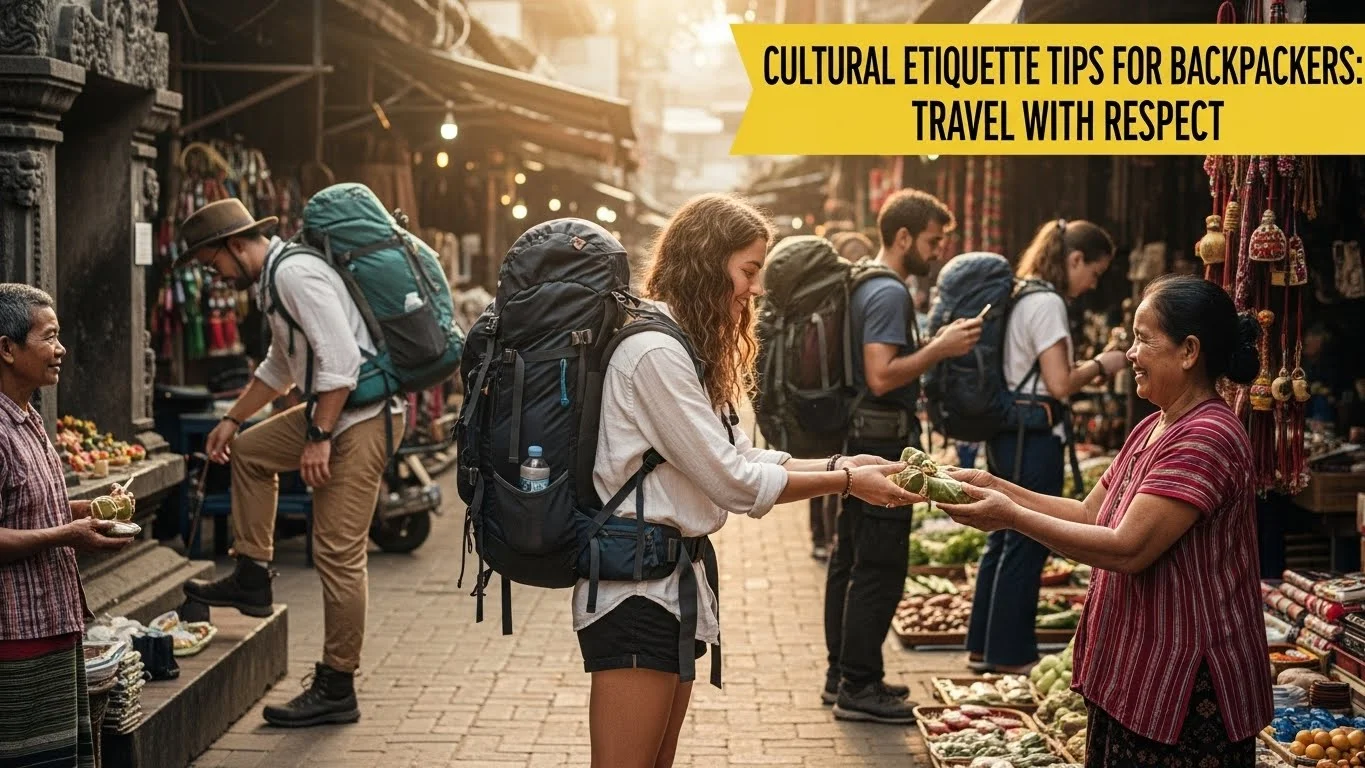
When approaching locals, I’ve found that showing genuine interest and friendliness can break down barriers. I remember walking through markets in Vietnam, where I was met with curious looks. Instead of shying away, I smiled and said “hello” in Vietnamese. The locals’ faces lit up, and it opened the door for friendly exchanges. I learned that being approachable and respectful can lead to amazing interactions, whether it’s asking for directions or striking up a conversation. A simple smile and a willingness to engage can turn a brief encounter into a memorable experience.
Being an Observant Traveler
One of the best pieces of advice I’ve learned is to be an observant traveler. I make it a point to watch how locals interact and behave in different situations. During my time in Italy, I noticed how people greeted one another with warmth and familiarity, often stopping for a chat. This inspired me to be more open and friendly. Observing local behavior can reveal the subtle nuances of a culture that might not be evident in guidebooks. I often find that when I adapt my behavior to fit in with local customs, it enriches my experience and shows respect for their way of life.
Volunteering and Giving Back
Finally, I believe that volunteering can be a powerful way to connect with a culture. I’ve volunteered at various projects during my travels, from teaching English in rural villages to participating in conservation efforts. These experiences not only allow me to give back but also provide a unique perspective on local customs and challenges. I’ve forged friendships and learned so much about the cultures I engaged with. If you have the opportunity, I highly recommend seeking out volunteering options during your travels. It’s a meaningful way to immerse yourself in a community and foster connections that go beyond the surface.
Frequently Asked Questions
What is cultural etiquette?
Cultural etiquette refers to the accepted and expected behaviors and manners in a particular culture, including how we greet one another and what we wear in public spaces. Understanding these norms helps avoid embarrassing situations while traveling.
Why is cultural sensitivity important when traveling?
Cultural sensitivity is important because it helps travelers immerse themselves in the local way of life, showing genuine respect for the people and their traditions. This can enrich travel experiences and foster goodwill with locals.
What should I consider regarding greetings in different cultures?
Greetings can vary significantly across cultures; some may prefer a firm handshake, while others may use a bow or a kiss on the cheek. Observing local practices and adapting accordingly is essential to show respect and initiate positive interactions.
How should I dress when visiting different cultures?
Dressing appropriately is crucial in many cultures, as it can communicate respect or disrespect. Always check local dress codes before visiting, especially in religious or traditional settings, to enhance your experience and connect with locals.
What dining etiquette should I be aware of while traveling?
Dining customs vary widely between cultures, from how food is served to eating etiquette. Familiarizing yourself with local dining practices, such as finishing your plate or using utensils, can enhance your enjoyment and respect for the meal.
How should I approach photography in different cultures?
When taking pictures, it’s important to ask for permission, especially in intimate or sacred settings. Being mindful and considerate about when and where to take photos can transform potential awkward moments into positive interactions.
What role does language play in cultural interactions?
Learning a few basic phrases in the local language can help break down barriers and show respect for the culture. Simple greetings or expressions of gratitude can foster goodwill and enrich your travel experience.
What are common mistakes to avoid while traveling?
Common mistakes include pointing with a finger, misunderstanding local customs, and ignoring personal space. Being aware of these cultural nuances can help avoid negative impressions and enable more genuine interactions.
How can I prepare for cultural encounters before traveling?
Preparing for cultural encounters can involve reading books and guides about cultural etiquette, utilizing online resources, and participating in cultural exchange programs for hands-on experiences and deeper understanding.
What are some practical tips for respectful travel?
Approaching locals with genuine interest, being an observant traveler, and engaging in volunteering can create meaningful connections and enrich your travel experience while showing respect for the local culture.