
Traveling opens up a world of experiences, and understanding cultural greeting etiquette can make your journey even more rewarding. Let’s explore how a simple greeting can bridge gaps and enhance your travel adventures on a budget. Read Interesting article: Mastering Global Greetings: A Backpacker’s Guide
Understanding Cultural Greetings Around the World
Importance of Cultural Greetings
When I first started traveling, I underestimated the power of a simple greeting. It’s not just about saying hello; it’s about connecting with people. Greetings can express respect and appreciation for local customs. I’ve found that when I took the time to greet someone in their native language or style, it not only made them smile but often opened doors to conversations and experiences I would have missed otherwise. For instance, I remember being in a small village in Morocco; when I greeted the shopkeeper with “salam aleikum,” he lit up and invited me in for mint tea. That’s the magic of cultural greetings – they can transform a fleeting moment into a memorable encounter.
Common Misconceptions About Greetings
There are many misconceptions about how to greet people around the world, and I’ve fallen prey to some myself. One of the biggest misunderstandings is thinking that greetings are universal. I remember traveling to Japan and assuming a handshake would suffice. Instead, I was met with a polite bow, and I felt embarrassed for not knowing. Every culture has its own unique way of greeting, and it’s essential to recognize and respect these differences. Another misconception is believing that the more formal a greeting, the better. While it’s true that politeness is valued in many cultures, warm and casual greetings can also create a friendly atmosphere. I’ve learned that a genuine smile and openness often trump formality.
Regional Greeting Etiquette
Africa
Traditional Greetings in East Africa
In East Africa, greetings can be quite elaborate and are an integral part of daily life. When I traveled to Kenya, I quickly learned that a simple “hello” often isn’t enough. You might start with “Habari” (How are you?) and follow up with questions about the person’s family or well-being. It struck me how much value they placed on connection, and it made my interactions much richer. I remember meeting a local guide who spent several minutes exchanging pleasantries before discussing our itinerary. These moments felt genuine and welcoming.
Unique Greetings in West Africa
Moving to West Africa, the greetings vary by country but often involve a mix of verbal and non-verbal communication. In Ghana, for example, I learned to use both hands when shaking hands, which is a sign of respect. There’s also the “fist bump” which is common among younger people. I’ve noticed that these unique customs help to break the ice, and I truly enjoyed observing how the locals engaged with each other. Sharing in those greetings made me feel like part of the community.
Asia
Respectful Greetings in Japan
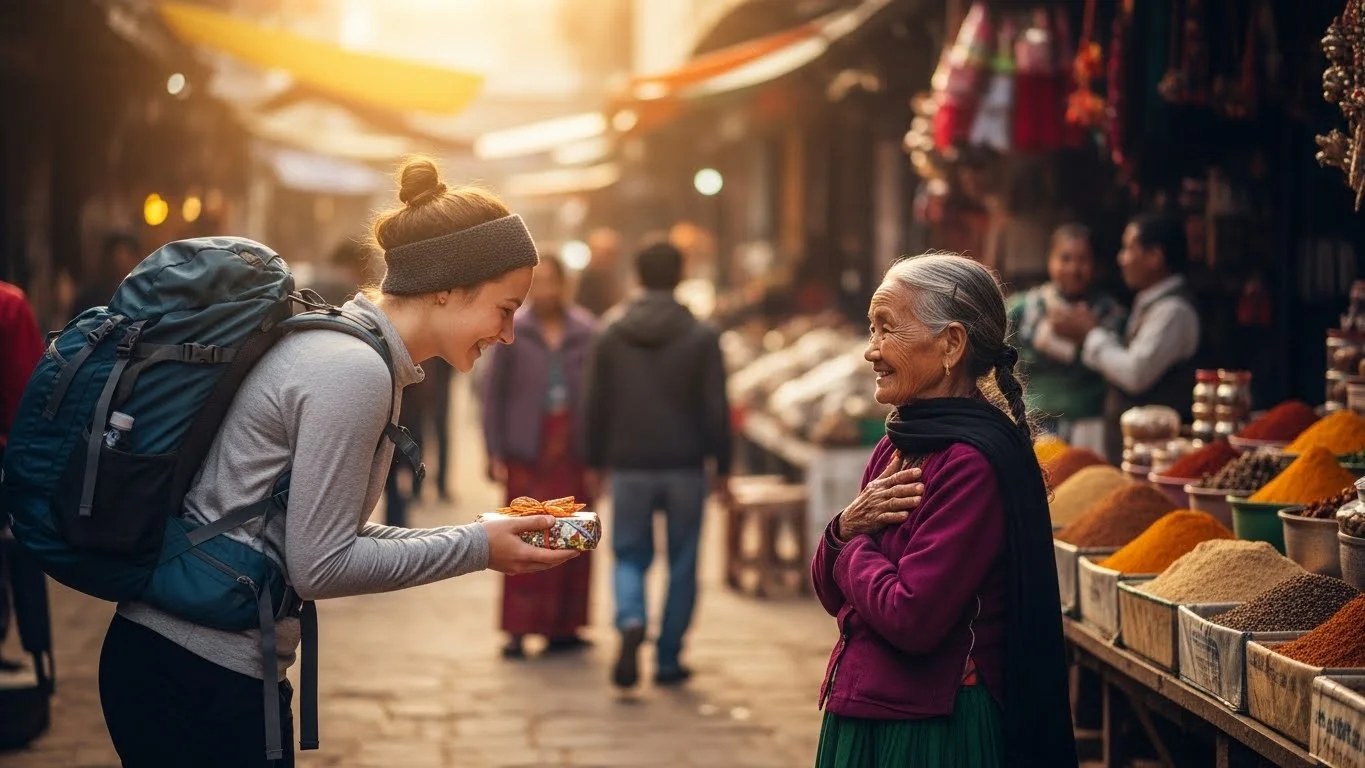
Japan was eye-opening for me in terms of greeting etiquette. The bowing culture is deeply rooted in respect and hierarchy. When I first arrived, I felt nervous about getting it right! I remember practicing my bows in front of the mirror. When I finally bow to an old woman at a tea shop, her delighted expression made all the practice worth it. It’s not just about bending at the waist; the depth of the bow can signify different levels of respect. I learned that taking the time to bow properly can show how much I value the culture.
Handshakes vs. Bowing in China
In China, the greeting can vary depending on the situation. Handshakes are common in business settings but are often accompanied by a slight bow. During my trip, I was surprised to find that a firm handshake was appreciated, yet I also learned that a gentle touch was more common among friends. I loved how I could adapt my greeting style to fit the context, making my interactions feel more personal. It taught me that greetings are as much about the context as they are about tradition.
Europe
Greeting Customs in Southern Europe
Traveling through Southern Europe, I quickly realized that greetings tend to be warm and expressive. In Italy, a friendly “Ciao!” and a kiss on both cheeks is the norm among friends. I remember feeling slightly awkward the first time I attempted the cheek kiss, but soon enough, it became a joyful part of my day. Embracing this custom allowed me to connect with locals, making me feel more at home.
Formal vs. Informal Greetings in Northern Europe
In contrast, Northern European countries like Sweden and Finland often have more reserved greeting styles. A firm handshake accompanied by a smile conveys friendliness without being overly familiar. During my stay in Sweden, I noticed that while their greetings might be less expressive, they carry an air of sincerity. This taught me that even subtle greetings could foster genuine connections.
North America
Casual Greetings in the United States
In the U.S., greetings are generally casual. A simple “Hi” or “Hey” often suffices, and I’ve found that people appreciate a friendly smile. However, I learned that it’s essential to read the room – a busy commuter may not want to engage, while someone at a coffee shop might welcome a chat. I’ve enjoyed how casual greetings can lead to spontaneous conversations and new friendships.
Unique Greetings in Canada
Canada has its unique flair, with an emphasis on politeness. Saying “sorry” is common even when it’s not needed! I’ve found that Canadians are warm and welcoming, often greeting you with a smile and a friendly “How’s it going?” This openness made my experience feel inviting and helped me enjoy my travels even more. Read Interesting article: Navigate Dining Etiquette: Cultural Tips for Budget Backpackers
South America
Warm Greetings in Brazil
Brazilian greetings are known for their warmth and enthusiasm. A common greeting is a hug or a kiss on the cheek, which can feel a bit overwhelming at first, especially if you’re not used to such closeness. I remember being enveloped in hugs from locals at a festival, which made me feel like I was part of the family. It’s a beautiful reminder of how greetings can foster connection and joy.
Cultural Nuances in Argentina
In Argentina, greetings often involve a kiss on the right cheek, regardless of gender. I was initially surprised by this custom but found it to be a charming way to connect. The warmth of the greeting helped me feel at ease when meeting new people. I learned to embrace this cultural nuance and found that it opened the door to deeper conversations throughout my travels.
Tips for Budget Travelers on Greeting Etiquette
Researching Local Customs
As I started traveling more, I realized just how essential it is to research local customs. I remember preparing for a trip to Thailand and spending time online to understand their greeting etiquette. Learning that the traditional “wai” involves pressing your palms together and bowing was a game changer for me. It made my interactions feel more respectful and genuine. While it can be tempting to skip this step, taking even a few minutes to brush up on local customs can pay off greatly. I’ve found that locals appreciate when you show interest in their culture, and it often leads to friendlier exchanges.
Learning Key Phrases
One of the simplest yet impactful things I’ve done is to learn a few key phrases of the local language. I remember being in Vietnam and practicing “xin chào” (hello) before meeting locals. Just saying this phrase with a smile opened up so many conversations! I recommend picking up a phrasebook or using a language app to help you get familiar with greetings. Even if you don’t master the language, making an effort can break the ice. I’ve seen how a small attempt, like mispronouncing a word, often brings laughter and warmth rather than judgment.
Using Non-Verbal Communication
Not every greeting has to be verbal, and I’ve learned that non-verbal communication can be just as powerful. During my travels in Italy, I discovered that gestures often convey more than words. A friendly wave or a thumbs-up can go a long way, especially when language barriers exist. I remember getting stuck in a crowded market where I didn’t speak much Italian. By using hand signals and friendly smiles, I was able to navigate my way through and even make some new friends. Embracing these non-verbal cues adds a layer of connection that transcends language.
Practicing Greetings with Locals
When traveling, I often seize opportunities to practice greetings with locals. I’ll never forget the time I sat down at a café in Spain and struck up a conversation with the barista. I asked her how to properly greet someone in Spanish, and she was more than happy to help! She taught me the nuances of “buenos días” (good morning) and how the tone can change the meaning. Experiencing this firsthand allowed me to not only learn but also build a rapport with someone I might not have connected with otherwise. I recommend taking these moments to ask locals about their greetings; they usually love sharing their culture! Read Interesting article: Master Dining Etiquette: A Backpacker’s Guide to Local Customs
Common Greeting Mistakes to Avoid
Ignoring Cultural Context
After years of traveling, one thing I’ve learned is how crucial it is to be aware of cultural context when greeting someone. I remember being in a formal business setting in Germany, where I casually waved to a colleague instead of offering a firm handshake. It was a mistake that made me realize how important it is to adapt to the environment. Each situation might call for a different approach, and being mindful of this can prevent awkward moments. I think it’s essential to gauge the tone of the environment before jumping into a greeting.
Overstepping Personal Space
Personal space is another aspect I’ve had to learn about. In some cultures, standing too close can be comfortable, while in others, it can feel intrusive. I recall being in Sweden, where people generally prefer to maintain a bit of distance during conversations. I learned the hard way when I stepped a little too close to a new acquaintance, and I noticed their discomfort. I’ve become more aware of observing how others react to my proximity, which has helped me adjust my greetings to make everyone feel more at ease.
Inappropriate Physical Contact
Physical contact varies widely around the world, and I’ve made mistakes in this area too. For example, in some cultures, a hug can be a warm greeting, while in others, it may be entirely inappropriate. While attending a party in Argentina, I instinctively went in for a hug, only to find that the person was taken aback. Realizing that not everyone is comfortable with physical contact has been a valuable lesson for me. I now try to observe and follow the lead of others. A firm handshake or a simple nod can often be a safer bet.
Cost-Effective Ways to Enhance Your Greeting Skills
Free Language Apps and Resources
There’s no shortage of free language apps and resources that can help enhance your greeting skills. I’ve found apps like Duolingo and HelloTalk to be incredibly helpful in learning phrases and practicing pronunciation. They make language learning fun and interactive. Just a few minutes a day can go a long way in preparing for a trip. I remember practicing my greetings before arriving in a new country and feeling more confident as a result.
Community Language Exchange Programs
Participating in community language exchange programs has been another fantastic way to boost my greeting skills. In my hometown, I discovered a local meetup group where people gather to practice different languages. I joined in, and it was a great opportunity to learn how to greet people in various languages while making new friends. Plus, many of these programs are free, making it an affordable way to dive into different cultures.
Local Workshops and Cultural Events
Whenever I travel, I keep an eye out for local workshops or cultural events that focus on greetings and etiquette. I once attended a cultural festival in India where they offered a short class on traditional greetings. It was an amazing experience that not only taught me how to greet locals but also gave me a taste of their culture. These workshops can be budget-friendly and often lead to lasting connections. I encourage you to seek out these types of opportunities; they truly enrich your travel experience.
Real-Life Scenarios and Examples
Friendly Encounters in Markets
Markets are often the heart of local culture, and I’ve experienced some of my most memorable greetings in these vibrant spaces. I remember wandering through a bustling market in Marrakech, where the air was filled with spices and the chatter of vendors. As I approached a stall selling colorful textiles, the vendor greeted me with a warm “Ahlan!” followed by a broad smile. I felt drawn in, and before I knew it, we were chatting about the history of the fabrics. I learned to appreciate how a friendly greeting could segue into a rich conversation about local craftsmanship. It’s a reminder that in markets, greetings are not just about formality; they’re about building connections with the community.
Business Greetings in Professional Settings
When I transitioned from casual travel to business trips, I quickly learned that greetings in professional settings can differ significantly. During a conference in Germany, I was nervous about how to greet my colleagues. I decided to observe how others interacted first. I noticed that a firm handshake accompanied by direct eye contact was the norm. When it was my turn to introduce myself, I followed suit, and I could see how my confidence in that simple greeting set a positive tone for the rest of our discussions. It taught me that in business, greetings can reflect professionalism, and taking the time to get it right can open doors to valuable connections.
Casual Interactions in Social Gatherings
Social gatherings can be a little more relaxed, but I’ve still found that a thoughtful greeting can make all the difference. I recall attending a friend’s wedding in Brazil, where greetings were lively and full of energy. The moment I arrived, I was welcomed with warm hugs and kisses on the cheek from people I had just met. Initially, it felt overwhelming, but as I leaned into the experience, I embraced the warmth of the customs. I learned that in social settings, greetings are often infused with joy and can set a festive tone for the event. Being open to these encounters reminded me that the essence of greetings is about connection and community, regardless of the setting.
Resources for Further Learning
Books on Cultural Etiquette
There are some fantastic books that delve into cultural etiquette, and I’ve found them incredibly helpful in enhancing my understanding of greetings. One book that stood out for me is “The Culture Map” by Erin Meyer. It breaks down how different cultures communicate and interact, providing insights into greeting styles. I remember flipping through it before my trip to Asia and feeling more prepared to navigate those nuances. Another great resource is “Kiss, Bow, or Shake Hands” by Terri Morrison and Wayne A. Conaway, which offers practical advice on greetings and etiquette in various countries. Investing time in these books can give you a solid foundation before traveling.
Online Courses and Webinars
With so much information available online, I’ve also taken advantage of courses and webinars focused on cultural etiquette. Platforms like Coursera and Udemy offer classes that cover greetings and communication styles across different cultures. I took a course on intercultural communication, and it helped me better appreciate the significance of greetings in various contexts. Watching videos and participating in discussions with instructors and fellow learners made the experience even richer. If you’re looking to deepen your understanding of cultural greetings, I highly recommend exploring these online options.
Travel Blogs and Vlogs
Travel blogs and vlogs have been a goldmine for learning about cultural greetings from real travelers’ perspectives. I often find myself drawn to blogs that share personal stories about encounters in different countries. One of my favorites is “Nomadic Matt,” where he shares insights and tips from his travels around the world. Watching vlogs on platforms like YouTube has also been fun; they often showcase how to navigate greetings in various cultures in a light-hearted way. I remember stumbling upon a video that demonstrated the greeting customs in Japan, which helped me feel more confident before my visit. I think these resources offer relatable insights and can inspire you to engage more deeply with cultures you encounter.
Frequently Asked Questions
What is the importance of cultural greetings while traveling?
Cultural greetings are essential for connecting with people and expressing respect for local customs. A simple greeting in someone’s native language can open doors to conversations and memorable experiences.
What are some common misconceptions about greetings?
One common misconception is that greetings are universal; each culture has its unique way of greeting. Another misconception is that more formal greetings are always better, while warm and casual greetings can also create a friendly atmosphere.
How are greetings approached in East Africa?
In East Africa, greetings are often elaborate and involve asking about a person’s family or well-being. A simple “hello” is usually not sufficient, as locals value connection and personal interaction.
What greeting customs are found in Japan?
In Japan, the bowing culture is deeply rooted in respect and hierarchy. The depth of the bow can signify different levels of respect, and it’s important to practice proper bowing to show cultural appreciation.
How do greetings differ in Northern Europe compared to Southern Europe?
Northern European countries like Sweden and Finland have more reserved greeting styles, often using a firm handshake with a smile. In contrast, Southern European countries like Italy have warmer and more expressive greetings, often involving cheek kisses among friends.
What are typical greeting practices in Canada?
Canadians emphasize politeness and often greet others with a friendly “How’s it going?” They may also say “sorry” even when it’s unnecessary, reflecting their warm and welcoming nature.
What should budget travelers do to enhance their greeting skills?
Budget travelers can research local customs, learn key phrases, use non-verbal communication, and practice greetings with locals to enhance their greeting skills and cultural understanding.
What common greeting mistakes should travelers avoid?
Travelers should be aware of cultural context, avoid overstepping personal space, and refrain from inappropriate physical contact. Observing how others greet can help prevent awkward situations.
What resources can travelers use to learn about cultural greetings?
Travelers can benefit from books on cultural etiquette, online courses and webinars, and travel blogs or vlogs that provide insights and personal stories about greeting customs in different cultures.
How can a simple greeting impact travel experiences?
A simple greeting can foster connections and create memorable encounters, as it shows respect for the local culture and can lead to richer interactions with the community.