
Cultural immersion is more than just a travel trend; it’s a journey that transforms the way we connect with the world. If you’re ready for an adventure that respects local cultures and environments, you’re in the right place! Read Interesting article: Discover Sustainable Travel: Top Cultural Immersion Destinations
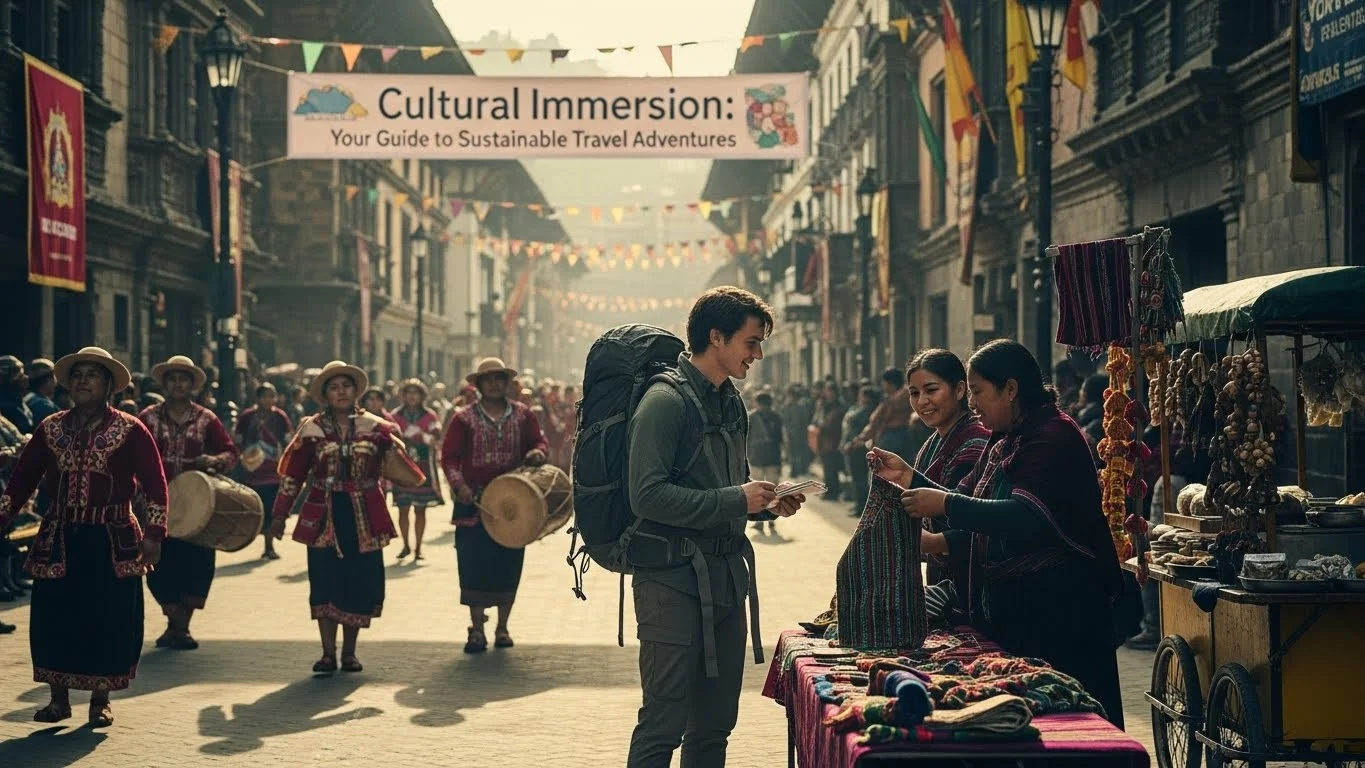
Understanding Cultural Immersion in Travel
Definition of Cultural Immersion
Cultural immersion, to me, is about diving deep into the heart of a place. It means engaging with local communities, understanding their traditions, and experiencing their daily lives rather than just observing from the sidelines. Instead of simply visiting a destination, cultural immersion invites us to become a part of it. I’ve found that this approach helps break down barriers and fosters genuine connections that can change our perspectives forever.
Benefits of Cultural Immersion for Travelers
From my experience, the benefits of cultural immersion are immense. First and foremost, it makes travel more meaningful. When I participate in local customs or attend festivals, I feel a sense of belonging, even if just for a moment. It’s exciting to learn a few words in a new language or try a traditional dance. These experiences enrich my travels and create lasting memories.
Moreover, cultural immersion opens our eyes to the challenges local communities face. I remember visiting a small village where the people struggled with water scarcity. Engaging with them allowed me to see their daily lives and understand their resilience. It inspired me to support sustainable tourism initiatives that benefit these communities directly. By immersing ourselves in their culture, we become advocates for preservation and change.
The Importance of Sustainable Travel
Sustainable travel is essential in today’s world. I believe that as travelers, we have a responsibility to minimize our impact on the places we visit. This means being mindful of our environmental footprint, supporting local economies, and respecting local cultures. When we choose sustainable travel options, we not only protect the environment but also ensure that future generations can enjoy the same experiences we had.
I’ve noticed how small changes make a big difference. When I travel, I try to support local artisans and businesses rather than international chains. This not only boosts the local economy but also provides me with unique souvenirs that hold stories behind them. I recommend looking for eco-friendly activities, like guided nature walks or farm-to-table dining, which contribute to environmental sustainability while allowing me to experience the local culture more deeply. Read Interesting article: Explore Sustainable Travel: Best Wildlife Conservation Spots
Traveling sustainably has also taught me about the interconnectedness of the world. Through cultural immersion, I’ve formed friendships with people from different backgrounds, which has enriched my life. Whether it’s learning about their customs, sharing meals, or participating in festivals, I’ve found that these connections transcend borders and foster a greater understanding of our shared humanity.
In short, cultural immersion transforms the way we see travel. It’s not just a vacation; it’s a chance to learn, grow, and connect with the world around us. By embracing sustainable travel, we can ensure that our adventures have a positive impact on the places and people we encounter. This journey shapes us just as much as we shape it, and I’m excited to share how to plan your own sustainable travel adventure!
Planning Your Sustainable Travel Adventure
Choosing Your Destination Wisely
When it comes to planning a sustainable travel adventure, the first step for me has always been choosing the right destination. I think about places that prioritize cultural preservation and environmental sustainability. For example, countries like Costa Rica and Bhutan have made significant efforts to balance tourism with conservation, which draws me in. I also look for destinations that are less crowded and have a strong commitment to sustainability. These places often allow for a more immersive experience, as you can connect with local people without the overwhelming presence of mass tourism.
In my experience, it’s helpful to consider how each destination manages tourism. I remember planning a trip to a small island community that heavily relied on tourism revenue. By researching beforehand, I discovered their initiatives to promote eco-friendly practices, from plastic waste reduction to supporting local artisans. This made my visit more meaningful, as I knew my presence would contribute positively to their community.
Researching Local Cultures and Traditions
Before I travel, I spend time learning about the local culture and traditions. This research helps me understand how to show respect and appreciation for the people I’ll meet. I often start by reading books or watching documentaries about the region. I also check blogs and forums where travelers share their experiences and insights.
One of my favorite tools is social media. I’ve connected with locals through platforms like Instagram and Facebook. They often share their culture, traditions, and events, giving me a glimpse into their lives. Sometimes, I’ve even reached out to ask questions or seek recommendations, and the responses I’ve received have been incredibly helpful. This preparation not only enriches my experience but also helps me establish a more personal connection with the community.
Understanding Environmental Impact
Understanding the environmental impact of my travels has become a priority for me. I think it’s essential to be aware of how our choices affect the places we visit. For instance, I’ve learned to choose activities that promote environmental conservation, like guided wildlife tours with reputable organizations that support habitat preservation. This way, I can enjoy nature while contributing to its protection.
I also pay attention to my carbon footprint. When I travel, I opt for transportation modes that minimize emissions. I try to use public transport whenever possible or even walk to explore nearby attractions. I remember a trip to Japan where I relied on their extensive train system. Not only was it efficient, but it also allowed me to see the countryside in a way that I wouldn’t have experienced otherwise.
Another aspect I consider is waste management in the areas I visit. I always carry a reusable water bottle and reusable bags to minimize single-use plastics. In many countries, these practices are becoming increasingly important. I’ve noticed that locals appreciate when travelers take responsibility for their waste, which further enhances my connection with the community.
When to Visit: Timing Your Cultural Immersion
Best Seasons for Cultural Festivals
Timing is everything when it comes to cultural immersion. I’ve found that visiting during local festivals can lead to some of the most memorable experiences. For example, I once traveled to India during Diwali, the Festival of Lights. The atmosphere was electric, with homes adorned with colorful lights and families celebrating together. Being part of such a vibrant celebration made me feel connected to the culture in a way I never could have experienced otherwise.
Researching the best seasons for festivals can enhance your travel experience significantly. I typically check local calendars to see what events are happening during my visit. These festivals often include traditional music, dance, and food, providing a window into the local way of life. Plus, experiencing these events alongside locals creates a sense of community that I cherish.
Weather Considerations for Sustainable Travel
Weather is another crucial factor in planning my trips. I’ve learned the hard way that visiting a destination during its rainy season can sometimes dampen my plans. I prefer to travel during shoulder seasons when the weather is mild, and crowds are smaller. This not only makes for a more enjoyable experience but also allows me to engage more deeply with the culture without feeling rushed or overwhelmed.
Local Events and Their Significance
Before I head out on my travels, I like to dive into the significance of local events. Understanding the meaning behind cultural celebrations helps me appreciate them more deeply. For instance, while attending a local harvest festival in Peru, I learned about the importance of the land to the community and their dedication to sustainable farming practices. This knowledge transformed my experience, allowing me to engage with the locals genuinely.
By timing my visits to coincide with these unique events, I not only witness their significance but also create lasting memories and connections. I encourage everyone to dive into the local culture and learn about the events that shape their communities. It’s an eye-opening experience that enriches the adventure and deepens our appreciation for the world around us.
Where to Stay: Sustainable Accommodation Options
Eco-Friendly Hotels and Lodges
When it comes to finding a place to stay, I’ve realized that opting for eco-friendly hotels and lodges can make a significant difference. I often look for accommodations that prioritize sustainability by incorporating green practices, like energy-efficient lighting and water conservation programs. For instance, during my trip to Costa Rica, I stayed at a lodge that not only powered itself using solar energy but also had a commitment to preserving local wildlife habitats. Being surrounded by nature while knowing I was supporting environmentally-friendly initiatives made my experience even more rewarding.
Many eco-friendly hotels also offer unique experiences, like guided tours of their sustainable practices or meals made from locally sourced ingredients. I remember enjoying a delicious breakfast made with fruits and vegetables grown right on their property. It’s these little touches that make me feel connected to the land and the people who care for it.
Homestays and Local Guesthouses
For a more authentic experience, I highly recommend exploring homestays and local guesthouses. These options often allow travelers like us to live alongside local families, immersing ourselves in their daily lives. During my stay in a small village in Thailand, I was welcomed into a local family’s home. They guided me through their daily routines, from cooking traditional meals to participating in local rituals.
Homestays often provide a unique insight into the culture, as the hosts are usually eager to share their stories and customs. I felt a strong sense of community that I don’t always find in larger hotels. Plus, the money I spent went directly to the families, supporting their livelihoods and promoting sustainable tourism.
Responsible Airbnb Choices
Airbnb has become a go-to choice for many travelers, including myself, but it’s crucial to make responsible selections. I’ve learned to look for hosts who prioritize sustainability, such as those who implement eco-friendly practices in their properties. For example, I once stayed at an Airbnb that used rainwater harvesting and provided recycling bins for guests. It was comforting to know that my stay was contributing to environmentally-conscious efforts.
Reading reviews from previous guests can also help identify hosts who are committed to responsible hosting. I often search for comments about local experiences or how hosts engage with the community. This way, I not only find a cozy place to rest but also connect with people who genuinely care about their surroundings and their guests’ experiences.
Top Activities for Cultural Immersion
Participating in Local Workshops and Classes
One of the most fulfilling ways to experience a new culture is by participating in local workshops and classes. I’ve always found that hands-on activities, like pottery or cooking classes, allow me to connect with the local way of life in a meaningful way. For instance, while traveling in Morocco, I took a cooking class where I learned to make traditional tagine. The chef shared stories about her family’s culinary traditions and the significance of the dishes in Moroccan culture. It was a unique way to bond over food and share perspectives.
These workshops often provide insights into local traditions and customs that you wouldn’t find in guidebooks. I love how they create opportunities for interaction, allowing us to ask questions and learn directly from locals. Plus, I come home with new skills and recipes that I can share with friends and family!
Engaging with Community Projects
Another rewarding way to immerse myself in a new culture is by engaging with community projects. I’ve participated in various volunteer initiatives that have opened my eyes to local challenges and solutions. For example, during a trip to Tanzania, I joined a local organization focused on education for girls. I spent time in classrooms, helping with English lessons and learning about the hurdles these young women faced.
Getting involved in community projects not only allows me to contribute positively but also fosters deeper connections with locals. I’ve found that these experiences often lead to friendships and stories that last long after the trip. It’s a beautiful way to see the impact of our efforts while gaining a greater understanding of the community’s needs and aspirations.
Exploring Traditional Markets and Artisans
Visiting traditional markets is one of my favorite activities while traveling. These bustling hubs are often filled with vibrant colors, enticing smells, and the sounds of local vendors selling their goods. I remember wandering through a market in Mexico where I encountered artisans showcasing their handmade crafts. I took the time to chat with them about their work, learning about the techniques passed down through generations.
Supporting local artisans not only helps sustain traditional crafts but also allows me to bring home unique souvenirs that carry stories and history. Whether it’s a beautifully woven basket or a hand-painted pottery piece, I cherish these items knowing that my purchase contributes directly to the artisans’ livelihoods. It’s this connection to the local culture that enhances my travel experience and helps preserve their heritage.
Local Cuisine: Tasting the Culture
Traditional Dishes to Try
One of my absolute favorite aspects of traveling is diving into local cuisine. I’ve always felt that food is a gateway to understanding a culture. Each dish tells a story, reflecting the land, traditions, and the people who prepare it. For instance, during my travels in Vietnam, I couldn’t resist trying pho. The rich broth, fresh herbs, and perfectly cooked noodles created a symphony of flavors that left me wanting more. I learned that pho is not just a dish; it’s a daily ritual for many locals, often enjoyed with family and friends.
Similarly, I remember my time in Italy, where I indulged in homemade pasta made from scratch. It was incredible to see how the locals take pride in their cooking, often passing down recipes through generations. I recommend asking locals about their favorite dishes—these recommendations often lead to hidden gems that may not be in any travel guide!
Farm-to-Table Dining Experiences
Farm-to-table dining is another way to connect with local culture while supporting sustainable practices. I had a memorable experience in California’s Napa Valley, where I enjoyed a meal sourced entirely from local farms. The freshness of the ingredients made every bite delightful. Not only did I savor delicious food, but I also learned about the local agriculture and the importance of supporting sustainable farming.
Restaurants that prioritize local sourcing often provide insight into their menus, sharing stories about the farmers and producers they work with. It makes the dining experience feel more personal and connected to the region. I advise seeking out these establishments, as they typically offer a unique taste of the area and foster a deeper appreciation for the land.
Cooking Classes with Local Chefs
Taking a cooking class while traveling is one of the best decisions I’ve made! It not only allows me to learn new culinary skills, but it also immerses me in the local culture. I once enrolled in a cooking class in Thailand, where the chef walked us through the process of making traditional Thai curries. As we chopped fresh herbs and stirred fragrant spices, I felt a connection to the culture that went beyond just eating the food.
These classes often include trips to local markets to gather ingredients, which is an adventure in itself! I’ve found that participating in these culinary experiences helps bridge gaps between tourists and locals, fostering connections that last long after the class ends. If you enjoy cooking or simply want to learn about different cuisines, I wholeheartedly recommend seeking out local cooking classes during your travels.
Transporting Sustainably: Getting Around
Public Transport Options in Different Countries
Getting around a new place can be an exciting part of the adventure. I’ve discovered that utilizing public transportation is not only eco-friendly but also a great way to engage with local life. In cities like Barcelona, I found the metro system to be efficient and easy to navigate. It allowed me to travel like a local, seeing neighborhoods and interacting with the everyday hustle and bustle.
Many cities around the world offer affordable public transport options, which can help cut down on travel costs while minimizing our carbon footprint. I often recommend checking out local bus or train schedules before traveling to make the most of these options.
Biking and Walking Tours
Biking and walking tours have become my go-to ways to explore new destinations. Not only do they provide an intimate experience of a place, but they also allow for a leisurely pace that encourages exploration. I remember cycling through the picturesque streets of Amsterdam, where I could stop at cafes and parks as I pleased. It was a wonderful way to soak in the city’s charm while staying active.
Walking tours, particularly those led by locals, offer insights into the history and culture of the area that I wouldn’t have learned otherwise. I love asking questions and really getting to know the stories behind the places I visit. If you enjoy being outdoors, I highly recommend seeking out biking and walking tours in the places you go.
Carpooling and Ride-Sharing Services
While I prefer public transport, there are times when I need a more direct route, especially in remote areas. That’s where carpooling and ride-sharing services come in handy. I’ve used these services in various countries, and they often provide a more local experience than traditional taxis. Plus, they can be a great way to meet new people along the way.
In some places, I’ve found that local ride-sharing services are committed to sustainability, providing electric or hybrid vehicles. It’s reassuring to know that my travel choices are contributing to environmentally-friendly initiatives. I recommend looking into these options as a way to travel comfortably while still being conscious of our environmental impact.
Safety and Health Considerations for Travelers
Understanding Local Health Guidelines
As we dive deeper into cultural immersion, it’s essential to stay informed about local health guidelines. I always take the time to research what vaccinations or health precautions are recommended for the region I’m visiting. This not only helps protect my health, but it also shows respect for the local community.
During my travels, I’ve encountered places where specific health protocols are in place, especially during flu seasons or health crises like a pandemic. I’ve found that being aware of these guidelines helps me navigate my travels more smoothly and responsibly.
Staying Safe While Immersed in Culture
Safety is a priority for any traveler, and I’ve learned the importance of staying vigilant while immersing myself in new cultures. I try to blend in with the local community by dressing appropriately and following social norms. This not only helps me feel more comfortable, but it also reduces the chances of drawing unwanted attention.
I also recommend keeping copies of important documents, such as passports and IDs, stored separately from the originals. This way, if something does go awry, I have backup options. I’ve found that staying connected with fellow travelers or friends back home can also provide peace of mind.
Travel Insurance for Cultural Adventures
Having travel insurance can provide a safety net for unexpected situations. I’ve learned the hard way that things can go wrong while traveling, whether it’s a medical emergency or a cancelled flight. Investing in comprehensive travel insurance offers me peace of mind, knowing that I’m covered in case of unforeseen circumstances.
I always read the policy details to ensure it covers activities I plan to engage in, especially if I’m participating in any adventurous or cultural activities. It’s worth taking the time to find the right coverage that aligns with my travel plans.
Budgeting for Your Cultural Immersion Trip
Estimating Costs for Sustainable Travel
Budgeting for my trips is something I take seriously. I’ve learned that sustainable travel doesn’t have to break the bank. I start by estimating the costs of accommodations, meals, transportation, and activities. This helps me create a realistic budget that allows for both cultural immersion and sustainability.
By prioritizing local experiences, I’ve found that I can enjoy rich cultural experiences without overspending. I often choose budget-friendly accommodations, eat at local restaurants, and participate in free or low-cost community events. I believe that with a little planning, it’s possible to travel sustainably without compromising on experiences. Read Interesting article: Budget Backpacking: Sustainable Transport for Green Travelers
Finding Affordable Local Experiences
One of the best ways to keep costs down while still immersing myself in the culture is by seeking out affordable local experiences. I often look for community events or festivals that are free to attend. These events are an excellent opportunity to connect with locals and enjoy traditional music, dance, and food without spending much.
I’ve also found that many cities offer discounted passes for attractions, which can save money while allowing access to various cultural experiences. Utilizing online resources and local tourism boards can help uncover hidden gems that are budget-friendly.
Tips for Saving Money While Traveling Sustainably
Saving money while traveling sustainably is entirely possible, and I’ve picked up a few tips along the way. I always try to travel during the shoulder season, as prices for flights and accommodations tend to be lower. Additionally, I avoid tourist traps and seek out local eateries and markets for authentic meals that won’t strain my budget.
Another strategy is to engage in volunteer opportunities that provide free accommodation in exchange for work. I’ve participated in several initiatives that allowed me to stay with local families while making a positive impact in their communities. It’s a win-win situation that not only saves money but also deepens my cultural immersion.
Connecting with Locals: Building Meaningful Relationships
Language Tips for Better Communication
Learning a few key phrases in the local language can go a long way in connecting with residents. I’ve found that even basic greetings or thank yous create a sense of goodwill. During my travels in Japan, I learned to say “arigato” (thank you), which opened up conversations and made me feel more welcome. Locals often appreciate the effort, and it helps break down barriers.
Participating in Community Events
Joining community events is another fantastic way to build relationships. I once participated in a community clean-up event in the Philippines, which allowed me to meet locals passionate about preserving their environment. Working alongside them fostered a sense of camaraderie, and I learned so much about their culture and values through our shared efforts.
Respecting Local Customs and Etiquette
Every culture has its own customs and etiquette, and I’ve always made it a point to respect these practices. I remember visiting a temple in Bali and learning about the proper dress code and behavior expected from visitors. Understanding these nuances not only shows respect but also helps me feel more integrated into the community.
Documenting Your Cultural Immersion Experience
Photography Tips for Travel Documentation
Documenting my travels through photography has become a cherished part of my experience. I always aim to capture moments that reflect the essence of the culture, whether it’s candid shots of locals or stunning landscapes. I’ve learned to ask for permission before taking photos of individuals, respecting their privacy while also making genuine connections.
Journaling Your Adventures
Journaling has been a powerful tool for reflecting on my experiences. I jot down my thoughts, feelings, and lessons learned each day. It’s a way to process my cultural immersion and remember the small details that might fade over time. I often look back on my entries and cherish the memories they bring back.
Sharing Your Experience Responsibly Online
In today’s digital age, sharing my travels online is common. However, I’ve learned the importance of doing so responsibly. I aim to highlight positive experiences while being respectful of the communities I visit. It’s essential to share not just the highlights but also the challenges faced by local communities, encouraging others to travel mindfully.
Final Thoughts
Cultural immersion is a journey that transforms the way we travel and interact with the world. It’s about building connections, understanding different perspectives, and respecting the cultures we encounter. Through sustainable practices, we can ensure that our adventures have a positive impact on the communities we visit. As we explore new places, let’s embrace the beauty of cultural exchange, be mindful travelers, and cherish the stories we gather along the way. I believe that if we all share and learn from our experiences, we contribute to a more compassionate and connected world.
Frequently Asked Questions
What is cultural immersion in travel?
Cultural immersion is about deeply engaging with local communities, understanding their traditions, and experiencing their daily lives rather than just observing from the sidelines. It invites travelers to become a part of the destination, fostering genuine connections and changing perspectives.
What are the benefits of cultural immersion for travelers?
Cultural immersion makes travel more meaningful by allowing travelers to participate in local customs and experiences, creating lasting memories. It also opens their eyes to the challenges faced by local communities, inspiring advocacy for sustainable tourism initiatives that directly benefit these communities.
Why is sustainable travel important?
Sustainable travel is essential to minimize the environmental impact on the places visited, support local economies, and respect local cultures. It ensures that future generations can enjoy the same experiences travelers had while protecting the environment and communities.
How can I choose a sustainable travel destination?
To choose a sustainable travel destination, look for places that prioritize cultural preservation and environmental sustainability. Research how each destination manages tourism and consider less crowded locations with a strong commitment to sustainability, allowing for a more immersive experience.
What should I research before traveling to a new culture?
Before traveling, it’s helpful to learn about the local culture and traditions by reading books, watching documentaries, and checking blogs or forums. Connecting with locals through social media can also provide valuable insights into their culture and events.
What are some eco-friendly accommodation options?
Eco-friendly accommodation options include hotels and lodges that prioritize sustainability through green practices, homestays that allow travelers to live alongside local families, and responsible Airbnb choices that implement eco-friendly practices in their properties.
What activities can enhance cultural immersion?
Activities that enhance cultural immersion include participating in local workshops and classes, engaging with community projects, and exploring traditional markets and artisans. These experiences provide insights into local traditions and foster connections with locals.
How can I budget for sustainable travel?
Budgeting for sustainable travel involves estimating costs for accommodations, meals, transportation, and activities while prioritizing local experiences. Seek affordable local experiences, utilize discounts for attractions, and consider volunteer opportunities that provide free accommodation in exchange for work.
What safety and health considerations should I keep in mind while traveling?
Travelers should stay informed about local health guidelines, dress appropriately to blend in with the local community, and keep copies of important documents stored separately. Having travel insurance can also provide peace of mind for unexpected situations.
How can I connect with locals during my travels?
Connecting with locals can be achieved by learning a few key phrases in the local language, participating in community events, and respecting local customs and etiquette. These actions foster goodwill and build meaningful relationships with the community.