
Gift giving can be one of the most heartfelt ways to connect with people on your travels. Understanding its cultural significance can transform a simple exchange into a memorable experience. For more insights on how to navigate these interactions, consider reading Mastering Gift Giving Etiquette While Traveling Abroad.
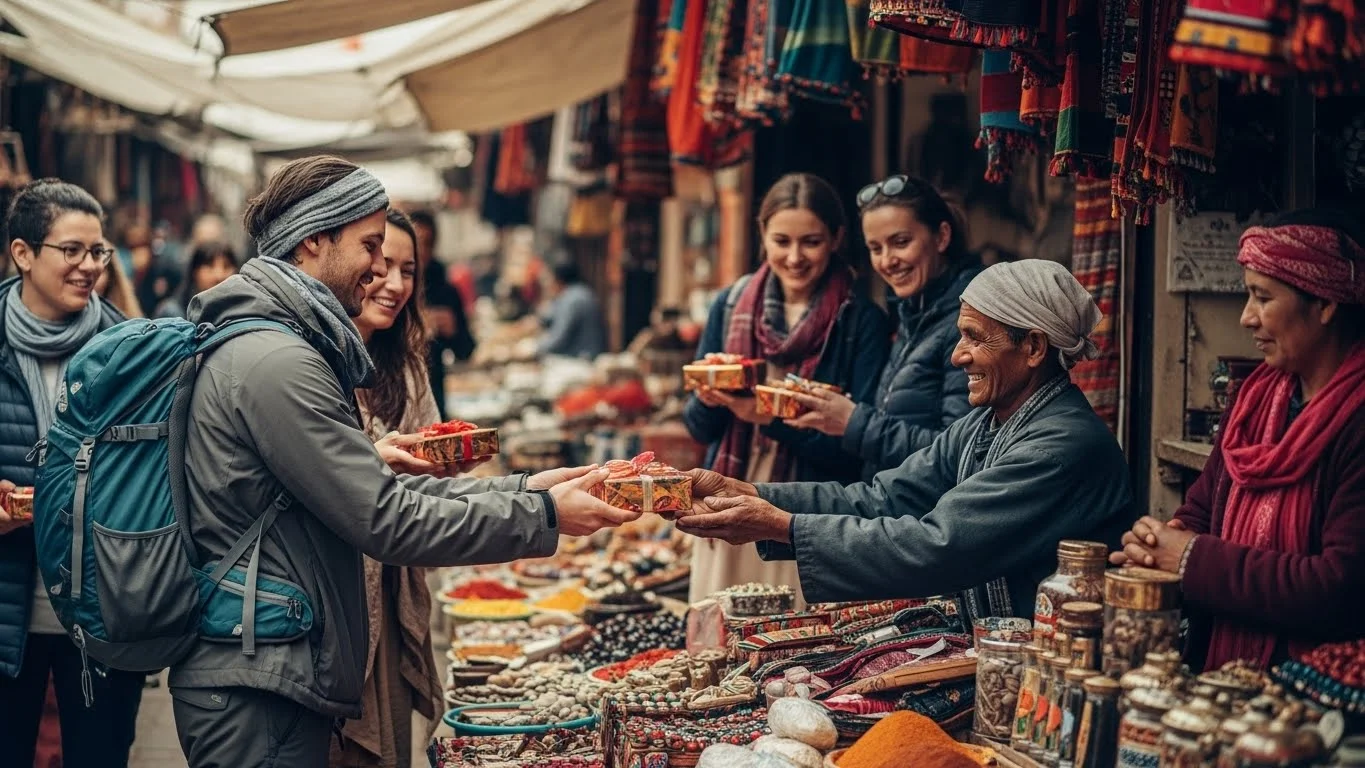
Understanding the Importance of Gift Giving in Different Cultures
When I first began traveling, I was struck by how deeply ingrained gift giving is in various cultures. It’s not just about the items exchanged; it’s about the connections formed, the stories shared, and the respect shown. Each culture has its own unique customs surrounding gifts, making it essential for travelers to approach this practice with sensitivity and awareness. I remember my first trip to Japan, where I quickly learned that bringing a small gift for my hosts was not only appreciated but expected. It set the tone for a warm relationship and opened doors to deeper conversations.
The Role of Gifts in Social Relationships
Gift giving often serves as a bridge in social relationships. In many cultures, offering a gift signifies respect, appreciation, or even an apology. I’ve seen how a simple gesture, like giving a handmade bracelet, can strengthen a bond between friends or create a lasting impression on new acquaintances. Gifts can also be a means of maintaining connections over long distances. I remember receiving a beautifully wrapped box from a friend I met during my travels in South America. Inside was a piece of local art that reminded me of our shared experiences, reinforcing our friendship despite the miles apart.
Gift Giving as a Cultural Expression
Each culture has its own way of expressing sentiments through gifts. In some places, gifts are elaborate and expensive, while in others, they are simple and heartfelt. For instance, in many African cultures, gifts often symbolize community and the sharing of resources. I recall attending a wedding in Ghana where guests brought food and small tokens to celebrate the couple, showcasing the communal spirit. This cultural expression through gift giving is not only beautiful but also enriches one’s travel experience by providing insights into local values and traditions.
Common Occasions for Gift Giving Worldwide
Cultural celebrations often dictate when and how gifts are given. While many of us think of birthdays and holidays as typical occasions, there are countless other moments that call for gifts. In Japan, there’s a custom called “Oseibo,” where people give gifts at the end of the year as a way to express gratitude. During my time in Bali, I learned about the Balinese ceremony called “Otonan,” where families give gifts to celebrate a child’s birthday. These occasions highlight how gifts can vary widely from culture to culture, and understanding these differences can enhance our travel experiences.
As I traveled, I took note of how important it is to be aware of these customs, especially when visiting a new country. I remember being invited to a family celebration in Mexico where gifts were exchanged not only for birthdays but also during religious events. This practice of gift giving added a layer of significance to the celebrations, making me feel a part of the community. It’s moments like these that remind me of the importance of being culturally aware and respectful when engaging in gift giving.
Learning about the significance of gift giving in different cultures has enriched my travels tremendously. It’s more than just a tradition; it’s a way to connect, share, and express emotions. Each culture has its own stories, and gifts can often be the key to unlocking them. Whether it’s a simple token of appreciation or a grand gesture, understanding the importance of gift giving can deepen our connections with others and create lasting memories.
Popular Gift Giving Traditions Around the World
Japan: Omiyage and the Art of Souvenirs
During my travels in Japan, I became fascinated by the tradition of “omiyage.” This practice involves bringing back souvenirs from trips, usually food or local specialties, to share with family and friends back home. It’s not merely a nice gesture; it’s deeply rooted in the culture. I remember visiting a beautiful temple in Kyoto and being advised by a local friend to pick up some “yatsuhashi,” a sweet rice treat specific to that region. When I returned to my hotel and shared it with my travel companions, it was more than just a snack; it was a way to share a piece of my experience with them. Omiyage serves as a reminder that the act of giving is just as meaningful as the gift itself, reinforcing bonds, and expressing gratitude for the relationships we cherish.
India: Festivals and Rituals of Gifting
In India, the vibrancy of festivals showcases the importance of gift giving. I had the pleasure of experiencing Diwali, the Festival of Lights, which is a time when families exchange gifts as a symbol of love and good fortune. I remember being invited to a neighbor’s home during Diwali, where I was greeted with sweets and colorful decorations. I felt compelled to reciprocate and brought my own sweets, which sparked joy and created a shared moment of celebration. Festivals like Raksha Bandhan, where sisters tie a protective thread on their brothers’ wrists in exchange for gifts, illustrate the emotional significance of gifting in familial bonds. These experiences taught me the beauty of connection through shared rituals, making me appreciate the diverse ways people express their affection and values.
Mexico: The Significance of Quinceañera Gifts
In Mexico, the quinceañera is a significant cultural milestone that celebrates a girl’s transition into womanhood at the age of 15. I had the chance to attend one of these extravagant celebrations, and I was taken aback by the importance of gifts in this event. Family and friends shower the young lady with gifts, symbolizing their love and support. I remember watching as she received beautiful jewelry, heartfelt letters, and even money, all wrapped with care. It struck me that each gift represented not just material value but also the hopes and dreams her loved ones held for her future. Understanding this tradition helped me realize how celebrations can be more than just festivities; they can be deeply meaningful moments where relationships are honored and cherished.
Middle Eastern Cultures: Generosity and Hospitality
During my travels through various Middle Eastern countries, I experienced firsthand the incredible hospitality that’s woven into the fabric of their cultures. In places like Jordan and Lebanon, offering gifts to guests is a common practice that reflects warmth and generosity. I remember visiting a family in Jordan, where I was greeted with an array of delicious foods and beverages. As a token of my appreciation, I brought a small gift—a decorative piece from my home country. To my surprise, it was received with great enthusiasm, leading to heartfelt exchanges about our different backgrounds. This experience opened my eyes to the importance of hospitality and gift giving in fostering connections among people from different cultures. It reminded me that gifts can serve as a bridge to understanding and appreciation.
These diverse gift-giving traditions around the world have taught me so much about the values and connections that different cultures hold dear. It’s fascinating to see how each custom carries its own significance, revealing the beauty of human interactions that transcend borders. Being a part of these traditions has not only enriched my travels but has also inspired me to be more thoughtful about the gifts I give and receive in my everyday life. Each gift exchanged tells a story, and I believe it’s through these stories we truly connect with one another.
Choosing the Right Gifts: Tips for Travelers
Understanding Local Customs and Etiquette
As I dove deeper into gift-giving while traveling, I realized that understanding local customs and etiquette is crucial. Each culture has its own set of unwritten rules that dictate what is appropriate to give and receive. I remember walking through a bustling market in Thailand, trying to choose the perfect gift for a local friend. A vendor noticed my hesitation and shared that in Thai culture, it’s important to give and receive items with both hands as a sign of respect. I felt grateful for that insight because it added a layer of thoughtfulness to my gift. It’s these small details that can make a big difference in how your gesture is perceived.
In some cultures, like in Japan, the way you present a gift can be just as important as the gift itself. I once experienced this during a visit to a friend’s home where I noticed how gifts were beautifully wrapped and presented with care. Learning about these nuances, such as avoiding white wrapping paper (which symbolizes funerals), helped me navigate gift-giving more effectively and respectfully. For more information on navigating these customs, check out Mastering Global Greetings: A Backpacker’s Guide.
Types of Gifts to Consider (Practical, Cultural, Sentimental)
When choosing a gift, I’ve found that considering the type of gift can guide my decision. Practical gifts, like a nice pen or useful kitchen gadget, might be appreciated in business settings, while cultural items, such as local crafts or traditional snacks, can celebrate the recipient’s heritage. I once brought back hand-painted pottery from Mexico, a beautiful representation of the culture, which my friends cherished as a decorative piece in their home.
Sentimental gifts can also create lasting memories. I remember gifting a small photo album filled with pictures of my travels to a close friend I met abroad. It was a collection of our shared experiences, and the emotional weight of that gesture made it incredibly special. So, whether it’s a handcrafted item that tells a story or a practical gift that serves a purpose, thinking about the type of gift can help make it more meaningful to the recipient.
When to Give Gifts: Timing and Context
The timing of gift-giving can vary widely from culture to culture, and I’ve learned that being aware of when to give a gift can be just as important as the gift itself. For example, in many Asian cultures, it’s customary to present gifts during special occasions, like holidays or family gatherings. I experienced this during the Lunar New Year in Vietnam, where gifts were exchanged among family members to symbolize good fortune for the year ahead.
On the other hand, in some cultures, unexpected gifts can be a delightful surprise. I once gave a small gift to a guide in Peru after a day of exploring, which caught him off guard in the best way. It was a spontaneous gesture that led to heartfelt conversations about our different backgrounds and experiences. Understanding the context of when to give gifts can enhance the experience for both the giver and the recipient, turning a simple act into a cherished memory.
Unique Gifts to Bring Back from Your Travels
Handmade Crafts and Local Artisans
One of the most rewarding parts of traveling is discovering unique handmade crafts and supporting local artisans. I remember wandering through a charming village in Morocco, where artisans were crafting beautiful rugs and pottery. I couldn’t resist picking up a handwoven basket as a memento. Not only was it a stunning piece of art, but it also held the stories of the makers who poured their passion into each creation. These types of gifts not only serve as reminders of my travels but also help sustain local economies.
When I returned home, I made it a point to share the story behind my basket with friends. Each time I displayed it, I felt a connection to that moment in Morocco, and it sparked conversations about my adventures. Handmade products carry a uniqueness that mass-produced items often lack, and I think they’re perfect for sharing a piece of culture.
Regional Foods and Culinary Delights
Food is another fantastic gift idea that can transport someone to a different place through taste. I’ve had the pleasure of bringing back local delicacies from my travels, and these gifts always seem to be a hit. I remember visiting an artisan chocolate shop in Belgium, where I bought beautifully packaged chocolates to share with my family. The delight on their faces when they tasted those rich, velvety chocolates was priceless.
Regional foods can offer a delicious glimpse into a culture. However, it’s essential to check customs regulations regarding food items before bringing them back. In my experience, sharing food has a unique way of connecting people, as it invites everyone to experience the flavors of a different culture together.
Traditional Clothing and Accessories
Bringing back traditional clothing or accessories can also be a meaningful way to share a culture with friends and family. I remember purchasing a beautiful silk scarf in India that was handmade by local artisans. It wasn’t just a fashionable accessory; it was steeped in tradition and craftsmanship. When I gifted it to my sister, she not only loved the look but also appreciated the story behind it.
Traditional clothing can spark conversations about cultural heritage and the stories behind the craftsmanship. I’ve gifted items like hand-embroidered blouses from Mexico and intricate batik fabrics from Indonesia, each becoming a cherished part of my friends’ wardrobes. It’s a wonderful way to keep the spirit of travel alive and share it with those we love.
As I reflect on the gifts I’ve exchanged and brought back from my journeys, I realize that they are more than just items; they are connections, memories, and stories woven together through the art of giving. Each gift carries a piece of the world, allowing us to share our experiences and create bonds that transcend distance and time.
Gift Wrapping and Presentation: Cultural Nuances
Color Meanings and Symbolism in Gift Wrapping
Once I started exploring gift giving in-depth, I quickly learned that how a gift is wrapped can carry as much significance as the gift itself. I remember being in China during the Lunar New Year, where the color red is considered auspicious and symbolizes happiness and good fortune. I was advised that gifts should be wrapped in red paper or placed in red envelopes, especially when given to family or close friends. The excitement of receiving a gift wrapped in this vibrant color was palpable, and it made the experience feel even more special.
In contrast, while traveling in South Korea, I discovered that wrapping paper with a lot of white can be seen as inappropriate since white is traditionally associated with funerals. I made a note of these cultural nuances because, as I’ve realized, understanding the meanings behind colors can greatly enhance the gift-giving experience. It’s fascinating how a simple choice of wrapping can convey respect and thoughtfulness.
Presentation Tips for Different Cultures
Presentation can also extend beyond wrapping; it encompasses the entire act of giving. I learned that in many cultures, the way you present a gift is just as important as the gift itself. In Japan, for instance, the ritual of presenting a gift involves bowing and using both hands, which adds a layer of respect to the gesture. I remember attending a dinner party where my host presented gifts with graceful movements, making the moment feel incredibly special. It taught me that the experience of giving is equally vital to the message behind the gift.
Similarly, I found that in some Middle Eastern cultures, gifts are often presented with great ceremony, sometimes accompanied by a warm embrace or heartfelt words of appreciation. I experienced this when I was given a beautifully crafted piece of art during my travels in Jordan. The way it was handed over, with sincere smiles and open arms, made me feel valued and honored. These little details help transform the act of gift-giving into a memorable ritual that celebrates relationships.
Gift Giving Mistakes to Avoid
Common Faux Pas in Various Cultures
As I navigated the world of gift giving, I encountered some pitfalls that I learned to avoid. For instance, I was once in a situation in Thailand where I unwittingly offered a gift with my left hand. A local friend gently pointed out that this could be considered disrespectful since the left hand is traditionally viewed as unclean in many Asian cultures. Moments like these were eye-opening and reminded me how important it is to be aware of cultural norms.
Another faux pas I’ve seen is giving gifts that might be inappropriate based on cultural or religious beliefs. I once attended a gathering in India and saw someone gift alcohol, which can be frowned upon in certain communities. It’s crucial to do a little research or ask about what’s acceptable to ensure your gesture is received in the spirit intended.
Understanding Gift Value and Appropriateness
Gift value can also be a tricky area. I learned that in some cultures, extravagant gifts can be seen as boastful or inconsiderate, while in others, they symbolize generosity. A friend once gifted a high-end watch in Brazil, and while some appreciated the gesture, others felt uncomfortable with what they perceived as an unequal exchange. This experience taught me the importance of understanding the context and ensuring that my gift aligns with the values of those I’m giving to.
The Impact of Digital Gifts in Modern Travel
Gift Cards and Online Vouchers
As technology has evolved, I’ve also seen the rise of digital gifts and how they’re becoming more common, especially among younger generations. Gift cards and online vouchers allow friends and family to choose what they truly want or need. During a recent trip, I encountered a local café that offered digital gift cards, which I thought was a brilliant way to share an experience without needing to carry anything physical back home. I ended up purchasing a few for friends, sharing the joy of their local specialty coffee with them, even from afar.
Virtual Experiences as Gifts
Virtual experiences have opened up a whole new realm of gifting that I find fascinating. I’ve gifted online cooking classes or virtual tours of places I’ve loved visiting. These experiences not only allow the recipient to engage with a different culture but also provide memories that can last a lifetime. I once gifted a virtual cooking class in Italy to a friend who loves to cook, and it turned out to be a delightful evening filled with laughter and learning. It’s incredible how technology can bridge distances and make gift giving even more meaningful.
Final Thoughts
Reflecting on my journeys, I realize that gift giving transcends mere exchanges; it’s about connecting, sharing, and understanding one another. Each culture I’ve explored has taught me invaluable lessons about generosity, respect, and the joy of giving. Whether it’s a handmade craft, a thoughtful gesture, or the way we present a gift, I believe these moments enrich our lives and help forge deeper connections with others. As we navigate through this delightful realm of gift giving, let’s embrace the stories and traditions that come with each gift, making our travels even more meaningful.
Frequently Asked Questions
What is the cultural significance of gift giving in different cultures?
Gift giving is deeply ingrained in various cultures and serves as a way to form connections, share stories, and show respect. Each culture has unique customs surrounding gifts, making it essential for travelers to approach this practice with sensitivity and awareness.
How does gift giving strengthen social relationships?
Gift giving acts as a bridge in social relationships, signifying respect, appreciation, or even an apology. Simple gestures, like giving a handmade item, can strengthen bonds between friends and create lasting impressions on new acquaintances.
What are some common occasions for gift giving worldwide?
Common occasions for gift giving can include birthdays, holidays, and cultural celebrations. For example, in Japan, the custom of “Oseibo” involves giving gifts at the end of the year, while in Bali, gifts are exchanged during the “Otonan” ceremony for a child’s birthday.
What are some popular gift giving traditions around the world?
Popular traditions include “omiyage” in Japan, where souvenirs are shared with family and friends, and the celebration of Diwali in India, where families exchange gifts as symbols of love and good fortune. In Mexico, quinceañera gifts symbolize support for a girl’s transition into womanhood.
What should travelers consider when choosing gifts?
Travelers should understand local customs and etiquette, consider the type of gift (practical, cultural, sentimental), and be aware of the timing and context for gift giving to enhance the experience for both the giver and the recipient.
What types of gifts are recommended for travelers to bring back?
Recommended gifts include handmade crafts from local artisans, regional foods that offer a taste of the culture, and traditional clothing or accessories that carry cultural significance and spark conversations about heritage.
How important is gift wrapping and presentation in different cultures?
Gift wrapping and presentation can carry significant meaning. For instance, in China, red wrapping paper symbolizes good fortune, while in South Korea, white wrapping can be seen as inappropriate. The way a gift is presented can also add respect to the gesture.
What common gift giving mistakes should be avoided?
Common mistakes include offering gifts with the left hand in cultures where it’s considered disrespectful and giving gifts that may be inappropriate based on cultural or religious beliefs. Understanding the context and values of the culture is essential.
How have digital gifts changed the landscape of gift giving?
Digital gifts, such as gift cards and online vouchers, have become more common, allowing recipients to choose what they want. Virtual experiences, like online cooking classes, also provide memorable ways to engage with different cultures from afar.
What are the key takeaways about the art of gift giving?
Gift giving transcends mere exchanges and is about connecting, sharing, and understanding one another. Each culture offers valuable lessons about generosity and respect, enriching our lives and forging deeper connections.