
Exploring the diverse tapestry of global religious practices is like embarking on a journey through time and culture. Each belief system weaves its own unique narrative, enriching our understanding of humanity.
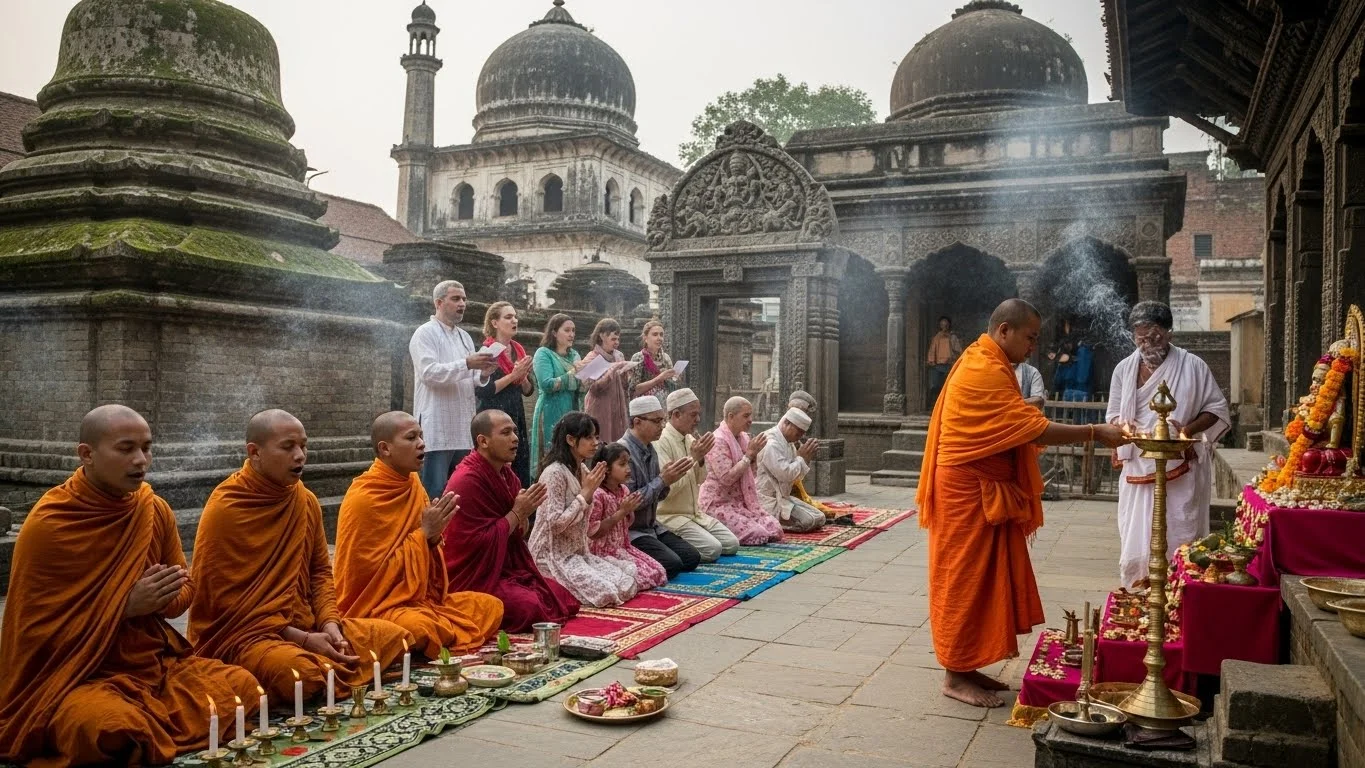
Understanding Global Religious Practices
Definition of Religion
When I think about religion, I see it as a deeply personal and cultural phenomenon. It’s not just about beliefs in a higher power; it’s also about the rituals, traditions, and communities that form around those beliefs. Religion often provides a framework for understanding the world, offering answers to life’s biggest questions. In my experience, whether I was participating in a family holiday or attending a service, I felt a connection to something greater than myself. Religion can be a source of comfort, guidance, and belonging, shaping not only individual lives but also entire societies.
The Role of Religion in Culture
Religion plays a crucial role in shaping cultures around the globe. From my travels, I noticed how deeply intertwined religious practices are with cultural identities. They influence everything from art and music to food and social norms. For example, in many cultures, festivals are not just religious observances; they’re vibrant celebrations that bring communities together. I remember attending a Diwali celebration in India, where the air was filled with laughter, music, and the fragrance of traditional sweets. It was not just about the religious aspects; it was a cultural experience that highlighted the joys and values of the community. This blending of religion and culture creates a rich tapestry of traditions that define how people live, celebrate, and connect. Read Interesting article: Top 10 Budget-Friendly Religious Festivals to Experience
Major World Religions Overview
As I delved deeper into the world of religions, I discovered that there are several major belief systems that shape our global landscape. Each one has its own unique practices, histories, and teachings that reflect the cultures they originate from. Here’s a brief overview of some of the most influential religions that I’ve encountered on my journeys.
Christianity
Christianity is one of the largest religions in the world, with followers believing in the teachings of Jesus Christ. I’ve seen how churches serve as community hubs, especially during major holidays like Christmas and Easter. The traditions associated with these celebrations, like caroling and egg hunts, often transcend religious boundaries, becoming a part of the broader cultural experience.
Islam
Islam, with its emphasis on faith and community, has a profound influence on the cultures of many countries. The Five Pillars, central to Muslim practice, guide the daily lives of millions. I remember visiting a mosque during Ramadan, where the sense of unity and devotion was palpable. The shared experience of fasting and prayer creates a strong bond among worshippers, which I found truly inspiring.
Hinduism
Hinduism is rich with rituals and festivals that celebrate various deities and the changing seasons. My experience at the Holi festival, where vibrant colors and joy fill the air, was a testament to the communal spirit of Hindu practices. I learned that these celebrations serve not just as religious observances but also as opportunities for social engagement, bringing people from different backgrounds together.
Buddhism
Buddhism’s focus on mindfulness and meditation has resonated with many around the world. I’ve participated in meditation retreats that emphasized inner peace and self-discovery. The simplicity of Buddhist teachings often transcends cultural barriers, inviting people from all walks of life to explore their spiritual paths.
Judaism
Judaism has a rich history and a wealth of traditions that celebrate both faith and community. I’ve attended a Passover Seder, an event filled with storytelling, rituals, and delicious food that brings families together. The sense of history and continuity within Judaism is something I deeply respect; it’s a reminder of resilience and identity.
Indigenous Religions
Indigenous religions offer a unique perspective on spirituality, often emphasizing a connection to nature and ancestors. I’ve spent time with indigenous communities that practice their beliefs through storytelling, rituals, and ceremonies that honor the land. These experiences have taught me the importance of respecting and understanding the diverse spiritual practices that exist around the world.
As we explore these various religions, it’s clear that each one offers a distinct lens through which to view life, community, and the universe. The beauty of these practices lies not only in their differences but also in their shared purpose: to seek meaning, connection, and understanding in our lives. I look forward to diving deeper into the regional religious practices that make each culture unique in the next section.
Regional Religious Practices
Religious Practices in Asia
Hindu Festivals and Rituals
I’ve always been captivated by Hindu festivals, which are bursting with colors, sounds, and a palpable sense of joy. Each festival has its own story and significance, making them a rich tapestry of cultural expression. For instance, during Diwali, the Festival of Lights, homes are adorned with oil lamps and colorful rangoli designs. I remember how the entire atmosphere felt electric as families came together to celebrate the triumph of light over darkness. It’s not just a religious observance; it’s a time for forgiveness, renewal, and joyous gatherings. The rituals, such as performing puja (worship) to deities and bursting firecrackers, add a layer of involvement that brings people closer. Experiencing this festival firsthand was a reminder of how spirituality and community are woven together in everyday life.
Buddhist Meditation Practices
Buddhism offers a variety of meditation practices that resonate deeply with many people. During a retreat I attended in Thailand, I experienced the transformative power of mindfulness meditation. We would sit in silence for hours, focusing on our breath and letting go of distractions. I found that this practice not only calmed my mind but also connected me to a deeper sense of peace. In many Buddhist cultures, meditation is seen as a way to cultivate compassion and awareness, promoting a sense of interconnectedness with all beings. I remember a particular session where we practiced loving-kindness meditation, generating feelings of goodwill towards ourselves and others. This experience taught me that meditation isn’t just about personal peace; it’s about fostering a more compassionate world.
Religious Practices in the Middle East
Islamic Rituals and Traditions
Islamic practices are rich with rituals that guide the daily lives of Muslims. I’ve had the privilege of joining in prayer at a mosque, and the experience was incredibly moving. The communal aspect of the five daily prayers creates a sense of unity among worshippers. During Ramadan, the holy month of fasting, I found that the atmosphere changes dramatically. Families and friends gather for iftar, the meal that breaks the fast at sunset, often sharing food and stories. This practice not only reflects faith but also emphasizes community and generosity. I was amazed at how people from different backgrounds and cultures come together during this time, all sharing in the same spiritual goal of reflection and self-discipline.
Jewish Customs and Holidays
My encounters with Jewish traditions have been enlightening, particularly during the celebration of Passover. The Seder meal is an event filled with symbolism, storytelling, and a strong sense of family. As we gathered around the table, I was struck by the way the rituals were not just about the food but about remembering historical events and cultural identity. I learned about the significance of each item on the Seder plate, and it felt like a living history lesson, connecting generations. Another custom that left a lasting impression was the weekly observance of Shabbat, a day of rest and reflection. I appreciated how this practice encourages a break from the busyness of life, allowing for moments of gratitude and family connection.
Religious Practices in Europe
Christian Sacraments and Celebrations
In Europe, Christianity has a profound impact on cultural practices, especially through its sacraments and celebrations. I once attended a baptism in a small village church, where the entire community came together in support of the family. It was a beautiful reminder of how these religious ceremonies create bonds within communities. Similarly, I’ve participated in Christmas celebrations that highlight the blend of faith and tradition. Caroling in the streets, decorating Christmas trees, and sharing meals with loved ones all contribute to a festive atmosphere that transcends the religious aspect. These experiences have shown me how deeply ingrained Christian traditions are in European culture, often serving as a backdrop for communal gatherings.
Secularism and Religion in Modern Europe
As I traveled through various European countries, I noticed a fascinating interplay between secularism and religion. In some nations, like Sweden and the Netherlands, religion plays a less prominent role in daily life. Yet, even in secular societies, many people still engage with cultural traditions that have religious roots. I’ve seen how festivals, like Midsummer in Sweden, retain spiritual significance while embracing a broader, more inclusive approach to celebration. It made me realize that even as societies evolve, the influence of historical religious practices continues to shape cultural identities.
Religious Practices in Africa
Traditional African Religions
Africa’s diverse cultural landscape is home to a variety of traditional religions, each uniquely tied to the land and its people. During my travels in West Africa, I was welcomed into a community that practiced ancestral worship. I learned how these traditions honor the spirits of ancestors, who are believed to guide and protect the living. Ceremonies often involve music, dance, and storytelling, creating a lively atmosphere that celebrates heritage and community. I found it fascinating how these traditional practices coexist with other religions, reflecting a rich spiritual diversity that is truly inspiring.
Syncretism in African Christianity
What struck me about African Christianity is how it often incorporates elements from traditional beliefs. In many communities, rituals may blend Christian teachings with indigenous practices, creating a unique spiritual experience. I witnessed this during a church service in Ghana, where vibrant music and dance were integral parts of worship. The congregation’s energy was infectious, and I felt a deep sense of connection among the worshippers. This syncretism highlights resilience and adaptability, showing how faith can evolve while still honoring cultural roots.
Religious Practices in the Americas
Indigenous Spirituality
In the Americas, indigenous spirituality is rich with traditions that emphasize a close relationship with nature and the environment. I’ve spent time with indigenous communities in North America, participating in ceremonies that honor the earth and the cycles of life. These practices often include rituals like sweat lodges and vision quests, which aim to foster personal growth and community connection. I found these experiences to be incredibly grounding, as they encourage a deep respect for the land and an understanding of our place within it.
Christianity in Latin America
In Latin America, Christianity has a profound influence on culture, often blending with indigenous traditions. I remember visiting a town during the Day of the Dead celebrations, where families honor their deceased loved ones with offerings and altars. Although it’s rooted in Catholicism, the way the community celebrates is deeply influenced by indigenous beliefs about death and the afterlife. The vibrant colors, music, and storytelling create an atmosphere of joy and remembrance. It was a beautiful example of how faith adapts and integrates into local customs, creating unique expressions of spirituality.
Common Religious Practices and Rituals
Worship and Prayer
Worship and prayer are universal practices found in nearly every religion, serving as a way for individuals to connect with the divine. I remember attending a service at a Buddhist temple where the atmosphere was serene, filled with the soft sound of chanting. Participants would bow in respect and engage in meditation, a practice that emphasizes mindfulness and presence. In Christianity, I’ve witnessed the powerful impact of communal worship during Sunday services. Singing hymns and sharing prayers creates a sense of belonging, as everyone unites in their faith. Each tradition has its unique way of expressing reverence, but the underlying theme remains the same: a pursuit of connection and understanding.
Rites of Passage
Rites of passage are significant milestones in a person’s life, marking transitions from one stage to another. In my experience, these ceremonies are deeply moving and often reflect the values of the community. For example, I was honored to attend a Bar Mitzvah, where a young boy steps into adulthood by reading from the Torah. The pride on his family’s faces was palpable, and it highlighted the importance of faith in their lives. Similarly, in Hinduism, the thread ceremony (Upanayana) signifies a boy’s initiation into spiritual learning. These rites not only celebrate individual growth but also reinforce community bonds, showcasing how intertwined personal journeys are with cultural traditions.
Festivals and Celebrations
Festivals are vibrant expressions of faith that bring communities together in joyous celebration. I’ve participated in various religious festivals around the world, each offering a unique glimpse into the values and traditions that shape different cultures. For instance, during Ramadan, the month of fasting in Islam, the joyous celebration of Eid al-Fitr marks the end of this period with feasting and communal prayers. I remember the warmth of shared meals and the sense of gratitude that filled the air. In Christianity, Christmas celebrations often blend religious rituals with cultural customs, creating a festive atmosphere that transcends the faith itself. These festivals are opportunities for renewal, reflection, and deeper connections within communities. Read Interesting article: Explore Sacred Sites: Budget-Friendly Religious Travel Tips
Sacred Texts and Teachings
Sacred texts play a pivotal role in preserving the teachings and beliefs of various religions. I’ve found that engaging with these texts can offer profound insights into different cultures. For example, reading the Bhagavad Gita in Hinduism opened my eyes to the rich philosophical discussions around duty and righteousness. In Christianity, the Bible serves as both a guide and a source of inspiration, with stories that resonate across generations. During my travels, I’ve noticed how these texts are not just read; they are often brought to life through discussions, teachings, and interpretations within communities. This emphasis on shared learning fosters a deeper connection to faith and helps individuals navigate life’s complexities.
Symbols and Icons
Symbols and icons are powerful representations of faith, conveying meanings and messages that words alone sometimes cannot express. I’ve always been fascinated by how different religions utilize symbols to encapsulate their beliefs. For instance, the lotus flower in Buddhism symbolizes purity and enlightenment, a reminder of the journey one takes toward spiritual awakening. In Christianity, the cross stands as a symbol of sacrifice and hope, evoking deep emotions during worship. I remember visiting a Hindu temple adorned with intricate carvings of deities, each figure telling a story of devotion and tradition. These symbols serve as focal points for worship, reminding us of the shared spiritual journey across cultures.
Impact of Religion on Cultural Identity
Religion and Community Dynamics
Throughout my travels, I’ve noticed how religion often plays a vital role in shaping community dynamics. For many, religious gatherings serve as social events that strengthen bonds among members. I remember visiting a small village where the local church became a crucial part of daily life. People would come together not just for worship but to support one another, share meals, and celebrate milestones. This sense of belonging and mutual support fosters a tight-knit community. I believe that these connections are essential for personal well-being and societal stability. In my experience, when communities rally around shared beliefs and values, they often face challenges with resilience and unity.
Art and Religious Expression
Art is another fascinating way that religion expresses itself within culture. I’ve seen beautiful examples of this in churches, temples, and mosques around the world. Each religious tradition has its own artistic style, often reflecting its beliefs and values. For example, the intricate mosaics in Byzantine churches depict biblical stories, while the calligraphy in Islamic art emphasizes the beauty of the written word, often avoiding human forms. I had the chance to attend a traditional dance performance in Bali, which is deeply rooted in Hindu mythology. The performers, adorned in vibrant costumes, brought ancient stories to life, captivating the audience. I feel that these artistic expressions not only enrich our understanding of religion but also highlight the creativity of human experience.
Language and Religious Practices
Language also plays a significant role in religious practices. In my travels, I’ve encountered many sacred texts and prayers that are integral to worship. For instance, during a Hindu ceremony, the use of Sanskrit added an ancient and sacred tone to the rituals. I remember feeling the weight of history in the chants, even though I didn’t understand every word. Similarly, in Christianity, the use of Latin in traditional Masses carries a sense of continuity and tradition. I’ve learned that language not only conveys meaning but also connects individuals to their faith’s history and community. The way people express their beliefs through language fosters a deeper connection to their culture and identity.
Experiencing Religious Practices Around the World
Religious Pilgrimages
One of the most profound ways to experience different religions is through pilgrimages. I’ve always felt that these journeys can transform participants as they seek spiritual growth and understanding. For example, the Hajj in Islam is a pilgrimage that draws millions to Mecca each year, embodying a deep commitment to faith and community. The atmosphere is electric, with people from diverse backgrounds coming together for a shared purpose. I was struck by the unity and devotion I witnessed during this time, which highlighted the global nature of faith.
Hajj in Islam
The Hajj pilgrimage is a powerful experience, as I learned during my interactions with those who had undertaken this journey. Each step of the pilgrimage carries immense significance, from the Tawaf, circling the Kaaba, to standing in prayer at Arafat. I could see how the journey fosters a sense of humility and connection to something far greater than oneself.
Camino de Santiago in Christianity
Similarly, the Camino de Santiago is a spiritual pilgrimage that many Christians undertake across Spain. I’ve met travelers who spoke of their experiences walking the trail, sharing stories and finding personal revelations along the way. The combination of physical endurance and spiritual reflection creates a unique space for growth and community. I remember the warmth of those conversations shared over meals in quaint albergues, where pilgrims bonded over their journeys and aspirations.
Visiting Sacred Sites
Visiting sacred sites is another way to connect with religious practices. I’ve stood in awe before temples in India, where the intricate carvings tell stories of devotion. Each site offers a glimpse into the beliefs and history of the culture surrounding it. I remember visiting the Western Wall in Jerusalem, where people from different backgrounds came together to pray, leaving written notes of hope and intention in the cracks of the ancient stones.
Temples in India
The energy in these temples is palpable, with rituals and offerings creating a vibrant atmosphere. Participating in these practices allowed me to appreciate the deep-rooted traditions that have persisted through time.
Western Wall in Jerusalem
The Western Wall is a poignant reminder of faith and resilience. The experience of seeing people of all ages and backgrounds gathered in prayer was moving, emphasizing the universal search for connection and meaning.
St. Peter’s Basilica in Vatican City
In St. Peter’s Basilica, the grandeur and artistry of the architecture reflect centuries of devotion. I was particularly struck by the sense of peace that enveloped the space, where visitors and worshippers alike seemed to find solace in the historical significance of the site.
Participating in Festivals
Festivals offer a lively opportunity to engage with religious practices. I’ve joined in the vibrant celebrations of Diwali in India, where the streets come alive with lights and laughter. The warmth of community spirit is infectious, and I remember feeling a sense of gratitude for the connections made during this festival of lights.
Diwali in Hinduism
During Diwali, the act of lighting diyas (oil lamps) symbolizes the victory of light over darkness, a beautiful reminder of hope and renewal. Sharing sweets and participating in rituals with locals deepened my understanding of the cultural significance behind the festivities.
Eid al-Fitr in Islam
Eid al-Fitr, marking the end of Ramadan, is another festival filled with joy and gratitude. I’ve participated in communal prayers and shared meals, where the emphasis on generosity and community was evident. The celebration transcends religious boundaries, bringing people together in unity and compassion.
Christmas in Christianity
Christmas celebrations are equally captivating, blending religious significance with cultural traditions. I recall the joy of caroling, decorating trees, and sharing meals, which all contribute to a sense of belonging and warmth within families and communities.
Respectful Engagement with Religious Practices
Understanding Cultural Sensitivities
When engaging with different religions, it’s essential to approach with respect and an open heart. I’ve learned that understanding cultural sensitivities can enhance our experiences and foster connections with others. Asking questions and being willing to listen can bridge gaps and build mutual respect.
Do’s and Don’ts When Visiting Religious Sites
During my travels, I made it a point to research the traditions and customs of religious sites before visiting. Simple gestures, like dressing modestly or remaining quiet during prayer, can show respect and appreciation. I’ve found that locals are often welcoming and eager to share their practices when approached with genuine curiosity. Read Interesting article: Essential Public Etiquette Tips for Budget Travelers
Learning from Local Communities
Engaging with local communities has always enriched my travel experiences. I’ve discovered that participating in rituals, festivals, or even daily practices can deepen my understanding of their beliefs. Forming friendships and learning directly from those who practice their faith is one of the most rewarding aspects of traveling.
Final Thoughts
Exploring global religious practices has been a transformative journey for me. Each encounter, whether at a vibrant festival, a solemn pilgrimage, or a simple gathering, has opened my eyes to the beauty of human connection through faith. I believe that these experiences not only enrich our understanding of different cultures but also remind us of our shared humanity. As we continue to navigate our diverse world, may we approach each other with openness and respect, celebrating the unique ways we seek meaning and connection in our lives.
Frequently Asked Questions
What is the definition of religion according to the article?
The article defines religion as a deeply personal and cultural phenomenon that encompasses beliefs in a higher power, rituals, traditions, and communities. It provides a framework for understanding the world and offers comfort, guidance, and a sense of belonging.
How does religion influence culture?
Religion plays a crucial role in shaping cultures by influencing art, music, food, and social norms. Festivals are highlighted as vibrant celebrations that bring communities together, showcasing the blending of religious and cultural experiences.
What are some major world religions mentioned in the article?
The article mentions several major religions, including Christianity, Islam, Hinduism, Buddhism, Judaism, and Indigenous Religions, each with its own unique practices, histories, and teachings.
What is the significance of the Five Pillars in Islam?
The Five Pillars are central to Muslim practice and guide the daily lives of millions, emphasizing faith and community. They serve as foundational acts of worship and commitment to the Islamic faith.
What role do festivals play in religious practices?
Festivals serve as vibrant expressions of faith, bringing communities together in joyous celebration. They are opportunities for renewal, reflection, and deeper connections within communities, often blending religious rituals with cultural customs.
How does Indigenous spirituality demonstrate a connection to nature?
Indigenous spirituality emphasizes a close relationship with nature and the environment. Ceremonies often honor the earth and the cycles of life, fostering personal growth and community connection through various rituals.
What is the significance of sacred texts in religions?
Sacred texts play a pivotal role in preserving the teachings and beliefs of various religions. Engaging with these texts offers profound insights into different cultures and fosters a deeper connection to faith within communities.
What is the impact of religion on community dynamics?
Religion shapes community dynamics by serving as a vital social event that strengthens bonds among members. It fosters a sense of belonging and mutual support, essential for personal well-being and societal stability.
What should travelers consider when visiting religious sites?
Travelers should approach religious sites with respect and an open heart, understanding cultural sensitivities. Simple gestures like dressing modestly and remaining quiet during prayer can show respect and appreciation for local practices.
What transformative experiences does the article suggest can arise from engaging with different religions?
Engaging with different religions can lead to transformative experiences, such as participating in vibrant festivals, solemn pilgrimages, or daily practices. These encounters enrich understanding of different cultures and highlight the shared humanity across diverse beliefs.