
Cultural photography lets us capture the heart and soul of a place. If you’re a traveler like me, you’ll find that you don’t need to spend a fortune to take stunning cultural photographs that tell a story. Read Interesting article: Master Travel Photography: Budget Tips for Capturing Culture
Understanding Cultural Photography
What is Cultural Photography?
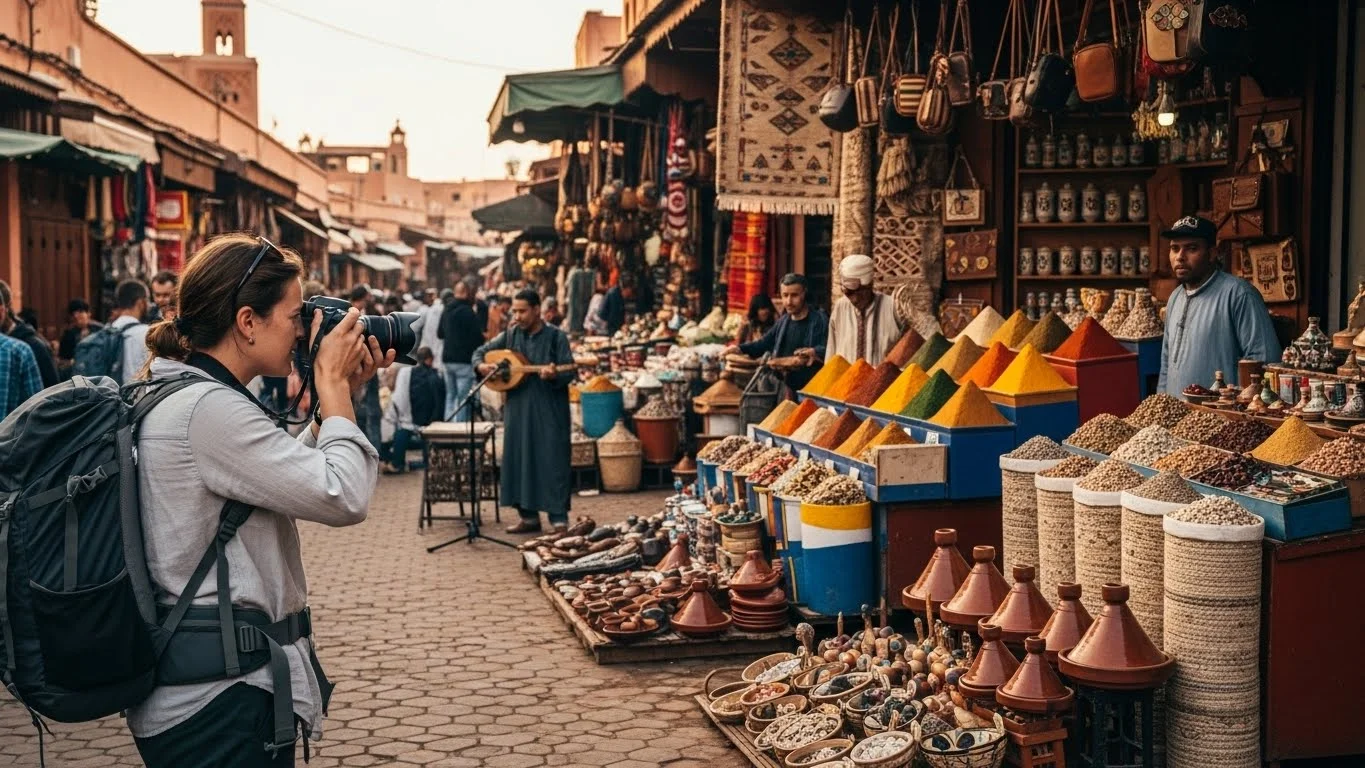
Cultural photography is all about capturing the essence of a community, its traditions, and the daily lives of its people. I remember my first trip to a bustling market in Marrakech. I was mesmerized by the vibrant colors, the intricate patterns of the textiles, and the warmth of the local vendors who welcomed me with open arms. Each photograph I took that day was more than just an image; it was a glimpse into a unique culture. From festivals to everyday life, cultural photography aims to portray the world through a personal lens, allowing viewers to connect with experiences they may never have the chance to live themselves.
The Importance of Capturing Culture
When I think about cultural photography, I realize how vital it is to document and share the stories of diverse communities. In a world that often feels increasingly homogenized, these images can serve as reminders of our rich cultural tapestry. They help preserve traditions that might be fading away, and they foster understanding and appreciation between different societies. Whether it’s a portrait of an artisan crafting pottery or a child playing in a village square, each photo can evoke emotion and provoke thought, encouraging viewers to learn more about the culture behind it. Read Interesting article: Explore the World: Best Cultural Festivals for Photographers
Preparing for Your Cultural Photography Journey
Researching Destinations
Preparation is key to successful cultural photography. Before traveling, I like to dive deep into research about my destination. I search for information on local customs, historical sites, and any festivals or events happening during my visit. Websites, travel blogs, and social media platforms are fantastic resources. I’ve often discovered hidden gems this way—like a small village in Italy that celebrates a harvest festival, complete with parades and traditional food. Knowing what to expect not only helps me plan my itinerary but also allows me to be respectful and aware of what’s culturally appropriate during my visit.
Understanding Local Customs and Etiquette
One of the most significant lessons I’ve learned is the importance of understanding local customs and etiquette. Every culture has its own rules about photography, and being respectful can make a big difference. For example, in some cultures, taking photos of people without permission can be seen as intrusive or disrespectful. When I was in Bhutan, I always asked before taking portraits, sometimes even offering to share the photo with my subjects afterward. This not only built trust but also opened up wonderful conversations that enriched my experience. Being aware of local customs can enhance your interactions and lead to more authentic photographs.
Choosing the Right Equipment on a Budget
When it comes to photography gear, I know firsthand that you don’t need to break the bank. My first camera was a modest DSLR, and while it served me well, I found that I could achieve great shots with even more compact options. If you’re on a budget, consider a lightweight mirrorless camera or even a good point-and-shoot. I often carry my smartphone, which has come in handy for spontaneous shots when my main camera isn’t out. The key is to focus on learning techniques and improving your skills rather than solely relying on expensive gear. Invest in a decent lens and remember that composition and lighting are what truly make a photo stand out.
Techniques for Capturing Cultural Moments
Using Natural Light to Your Advantage
Natural light is one of my favorite tools for enhancing cultural photography. I’ve found that the golden hours—early morning and late afternoon—offer the best soft, warm light for outdoor shots. When I was in Greece, I wandered through the streets of Santorini at sunrise, and the light beautifully illuminated the white-washed buildings. Shadows and highlights can bring depth and dimension to my photos, making them more compelling. I recommend exploring different times of day to see how the light changes a scene, and don’t be afraid to experiment!
Storytelling Through Composition
Composition is where the magic happens in photography. I’ve learned to think about how I frame my shots to tell a story. Using the rule of thirds, leading lines, and framing elements can guide the viewer’s eye and create a more interesting photograph. I remember a moment in a small village in Thailand where I captured a woman weaving on her porch. I positioned myself to include her surroundings, like the lush greenery behind her and the traditional tools at her feet. This context not only captured the woman’s skill but also the essence of her life and culture.
Capturing Authenticity in Portraits
When taking portraits, I strive for authenticity. It’s easy to take a snapshot, but I believe that connecting with people makes a significant difference. I often start by chatting with my subjects, asking about their lives and stories. This approach has led to some of my most memorable photos. For instance, in a village in Peru, I met an elderly man who shared tales of his ancestors. I took his portrait as he spoke, and the emotion in his expression conveyed so much more than just a posed shot. I think it’s essential to make people feel comfortable and valued, which often results in more genuine, heartfelt images.
Utilizing Environmental Context in Shots
Finally, I’ve found that incorporating environmental context can enhance cultural photography dramatically. Instead of focusing solely on my subject, I try to capture the environment around them. This technique tells a broader story and gives viewers a sense of place. I recall a time in India, where I photographed a group of women grinding spices in a market. By including the bustling stalls and colorful spices in the background, I was able to convey not just the action but the vibrancy of the culture. It transformed a simple image into a story that transports viewers right into the heart of that market.
Affordable Photography Gear and Alternatives
Best Budget Cameras for Travelers
I know how overwhelming it can be to choose the right camera, especially when you’re on a budget. Over the years, I’ve tried various cameras, and I’ve found some fantastic options that won’t empty your wallet. For beginners, I recommend looking at entry-level DSLRs like the Canon EOS Rebel series or the Nikon D3500. They’re user-friendly and provide great image quality. If you prefer something lighter, mirrorless cameras like the Sony Alpha a6000 or the Fujifilm X-T200 are excellent choices. They’re compact, versatile, and perfect for travel.
Recently, I’ve noticed a lot of travelers using compact cameras like the Sony RX100 series, which are small enough to fit in your pocket yet deliver stunning photos. For an even more budget-friendly option, consider a good point-and-shoot camera. They might not have all the fancy settings but can still capture beautiful moments. In my experience, it’s less about the brand and more about how you use your gear. Focus on learning the basics of photography, and you’ll be amazed by the results you can achieve.
Essential Accessories Without Breaking the Bank
Alongside your camera, I’ve found some affordable accessories that can enhance your photography experience. A sturdy tripod is a must-have for low-light situations or when you want to take long exposures. You don’t need to splurge; there are many good options under $50 that are lightweight and portable. A lens cleaning kit is another essential. I can’t tell you how many times I’ve been saved by a simple microfiber cloth to wipe away dust or smudges.
Also, consider investing in an extra battery and a large memory card. There’s nothing worse than running out of battery or storage space during an exciting moment! I like to carry a small bag to organize my accessories, which helps me stay focused on capturing the beauty around me rather than searching through my gear.
Smartphone Photography Tips
Let’s not forget our smartphones! I’ve learned that they can be powerful tools for capturing cultural moments. Nowadays, smartphones have incredible cameras that allow us to take stunning photos without carrying bulky gear. I always keep my phone ready for spontaneous shots. To make the most out of smartphone photography, I recommend using natural light as much as possible. This will help you avoid grainy photos. I also like to explore different angles and perspectives, which can lead to unique shots that stand out.
Editing apps can take your smartphone photos to the next level. My favorites include Snapseed and VSCO, both of which have free versions packed with features. A little editing can enhance colors and contrast, making your images pop. Remember, the best camera is the one you have with you, so don’t underestimate the power of your smartphone!
Finding Unique Cultural Photography Opportunities
Local Festivals and Events
One of the most exciting ways to capture culture is by attending local festivals and events. I’ve been fortunate enough to experience vibrant parades, traditional dances, and colorful markets during my travels. These events offer a glimpse into a community’s spirit and customs, making them perfect for cultural photography. I remember attending the Diwali festival in India, where the streets were lit up with lights and the air was filled with laughter and celebration. The colors, the joy, and the intricate details of the festivities made for some of my most cherished photos. Read Interesting article: Capture the Spirit: Festivals Photography Tips for Travelers
Before you travel, check local calendars or social media pages to find out what events are happening during your stay. Even smaller gatherings can provide beautiful opportunities to connect with locals and capture their culture. I’ve discovered that being present in these moments often leads to unexpected encounters and stories that enrich my photography journey.
Hidden Gems: Off-the-Beaten-Path Locations
While tourist spots can be stunning, I’ve found that some of the best cultural photography opportunities lie in lesser-known areas. Exploring off-the-beaten-path locations allows me to capture authentic experiences without the crowds. For instance, during a recent trip to Vietnam, I stumbled upon a small fishing village that wasn’t on my itinerary. The fishermen were bringing in their catch, and the vibrant life around the docks was a photographer’s dream. I felt like I had discovered a secret world, and the images I captured there still resonate with me.
To find these hidden gems, I often turn to travel forums, local blogs, or even ask locals for recommendations. Sometimes, just wandering through a neighborhood can lead to unexpected discoveries. I’ve learned to keep an open mind and be flexible with my plans, as the best moments often happen when I least expect them.
Engaging with Local Communities
Building connections with local communities can greatly enhance your cultural photography experience. I make it a point to engage with people, whether it’s through casual conversations or participating in local activities. I’ve volunteered in artisan workshops, joined cooking classes, and even participated in traditional ceremonies. These experiences not only allow me to learn about the culture but also provide genuine opportunities for photography.
When I was in Mexico, I spent time in a small village where I was welcomed into a family’s home for a traditional meal. The warmth of their hospitality and the lively atmosphere made for incredible photographs. I encourage you to immerse yourself in local life; it can lead to meaningful interactions and beautiful images that truly capture the essence of a culture.
Editing and Presenting Your Cultural Photos
Free and Affordable Editing Tools
Editing is where I believe the magic truly comes alive in photography. Once I’ve captured my cultural moments, I often turn to editing tools to refine my images. Thankfully, there are many free and affordable options that can help enhance your photos without costing a fortune. For my editing needs, I frequently use programs like Adobe Lightroom and GIMP. Both have robust features that allow me to adjust exposure, contrast, and color balance. I remember the first time I used Lightroom; I couldn’t believe how much a simple adjustment could transform a photo from good to great.
For those who prefer using their smartphones, apps like Snapseed and VSCO are fantastic alternatives. They offer user-friendly interfaces and powerful editing capabilities. I often find myself spending time on Snapseed, using the selective adjustments feature to highlight specific areas of my photos. It’s amazing how a little editing can help showcase the emotions and stories behind cultural moments. Investing time in learning these tools can really elevate your photography game.
Creating a Visual Story with Your Photos
When I think about sharing my cultural photography, I feel it’s essential to create a narrative. Each photo should tell a part of a larger story. I’ve found that curating a series of images from a specific event or location can weave a compelling tale. For instance, during my visit to a local festival in Peru, I took a range of photos—from colorful decorations to candid shots of families enjoying the festivities. When I put them together, they painted a vivid picture of the celebration, allowing viewers to feel as if they were part of the experience.
I like to use platforms like Instagram or personal blogs to share my visual stories. For me, it’s not just about posting pretty pictures; it’s about conveying emotions and experiences. I often accompany my images with descriptive captions that provide context and share my personal reflections. This combination of visuals and storytelling can engage my audience on a deeper level, making my cultural photography more meaningful.
Best Practices for Sharing on Social Media
Social media has become a fantastic platform for showcasing photography, especially cultural moments. I’ve learned that there are a few best practices to keep in mind when sharing my work online. First, consistency is key; I try to maintain a cohesive style across my posts, whether it’s through consistent editing or thematic content. This helps create a recognizable brand for my photography.
Engagement is another important aspect. I make it a point to interact with my followers by responding to comments and asking questions about their experiences. It fosters a sense of community, which I truly enjoy. I also encourage others to share their stories and insights about the cultures they’ve encountered, creating a rich dialogue.
Lastly, proper tagging and using relevant hashtags can help reach a broader audience. I often tag locations and cultural events in my posts, making it easier for others interested in those areas to find my work. It’s rewarding to connect with fellow travelers and photographers who share a love for cultural exploration.
Budgeting for Cultural Photography Trips
Cost-Effective Travel Tips
Traveling can sometimes feel like a financial burden, but I’ve discovered several cost-effective tips that allow me to explore and capture cultural moments without going broke. One of my favorite strategies is to travel during the off-peak seasons. Not only can I save on flights and accommodations, but I also get to experience destinations without overwhelming crowds. It’s often during these quieter times that I find the best opportunities for cultural photography.
I also keep an eye out for deals and discounts online. Websites like Skyscanner and Google Flights have helped me snag budget-friendly airfare. Additionally, booking accommodation through platforms like Airbnb or Hostelworld can save money and provide unique lodging experiences. I’ve stayed in local homes and guesthouses that allowed me to connect more deeply with the culture than any hotel ever could.
Finding Affordable Accommodation
When it comes to finding a place to stay, I always prioritize affordability without sacrificing comfort. I often look for hostels, which not only offer budget-friendly rates but also provide opportunities to meet fellow travelers. Many hostels organize cultural activities or tours, which is a fantastic way to immerse myself in the local scene while capturing beautiful moments.
If hostels aren’t your thing, consider guesthouses or homestays. I’ve had incredible experiences staying with local families, where they often share meals and stories with me. This not only enriches my understanding of the culture but also provides fantastic photography subjects right at my doorstep.
Dining on a Budget While Traveling
Food is an integral part of cultural photography, and I’ve found that exploring local cuisine doesn’t have to be expensive. Street food markets are often my go-to spots. I’ve discovered some of the best dishes this way, while also capturing the vibrant life of the market. During my time in Thailand, I enjoyed delicious pad Thai prepared right in front of me, and the atmosphere was electric with the sounds of sizzling woks and cheerful vendors.
I like to set aside a budget for meals, often prioritizing experiences over fancy restaurants. Dining at local eateries rather than tourist traps can lead to incredible culinary adventures. Plus, it gives me the chance to meet locals and learn about their food traditions, which adds yet another layer to my cultural photography.
Frequently Asked Questions
What is cultural photography?
Cultural photography is about capturing the essence of a community, its traditions, and the daily lives of its people. It aims to portray the world through a personal lens, allowing viewers to connect with experiences they may never have the chance to live themselves.
Why is capturing culture important?
Capturing culture through photography is vital for documenting and sharing the stories of diverse communities. It helps preserve fading traditions and fosters understanding and appreciation between different societies, evoking emotion and provoking thought among viewers.
How should I prepare for a cultural photography journey?
Preparation involves researching your destination’s local customs, historical sites, and events. Understanding cultural etiquette is essential for respectful interactions, and planning your itinerary based on this knowledge can enhance your photography experience.
What type of photography equipment do I need on a budget?
You don’t need to break the bank for photography gear. Options like lightweight mirrorless cameras, compact point-and-shoots, or even a smartphone can provide great results. It’s more about learning techniques and improving skills than relying solely on expensive equipment.
What techniques can enhance cultural photography?
Utilizing natural light, thoughtful composition, capturing authenticity in portraits, and incorporating environmental context are effective techniques. Each of these approaches helps tell a compelling story and enhances the overall impact of the photographs.
What are some affordable cameras for travelers?
For beginners, entry-level DSLRs like the Canon EOS Rebel series or Nikon D3500 are recommended. Mirrorless cameras such as the Sony Alpha a6000 or Fujifilm X-T200 are also great choices. Compact cameras like the Sony RX100 series provide stunning photos in a pocket-sized format.
What are some tips for smartphone photography?
To make the most of smartphone photography, use natural light, explore different angles, and consider editing apps like Snapseed and VSCO to enhance your images. Keeping your smartphone ready for spontaneous shots can also lead to great cultural captures.
How can I find unique cultural photography opportunities?
Engaging with local communities, attending local festivals, and exploring off-the-beaten-path locations can provide unique opportunities for cultural photography. Participating in local activities and connecting with people can lead to meaningful interactions and authentic experiences.
What are some budget-friendly travel tips for cultural photography trips?
Traveling during off-peak seasons, looking for deals online, and choosing affordable accommodations like hostels or guesthouses can help reduce costs. Dining at local eateries and street food markets also allows for rich cultural experiences without overspending.
What are the best practices for sharing cultural photography on social media?
Consistency in style, engagement with followers, and proper tagging are essential practices for sharing cultural photography on social media. Creating a narrative with your images and encouraging community dialogue can enhance the impact of your work.