
Cultural portraits can transform travel photography into an immersive experience. They capture not just faces but the essence of a place, evoking emotions and stories that go beyond the lens. If you’re also interested in urban photography, consider reading about Capture Candid Moments: Urban Photography Tips for Travelers.
Understanding Cultural Portraits in Travel Photography
Definition of Cultural Portraits
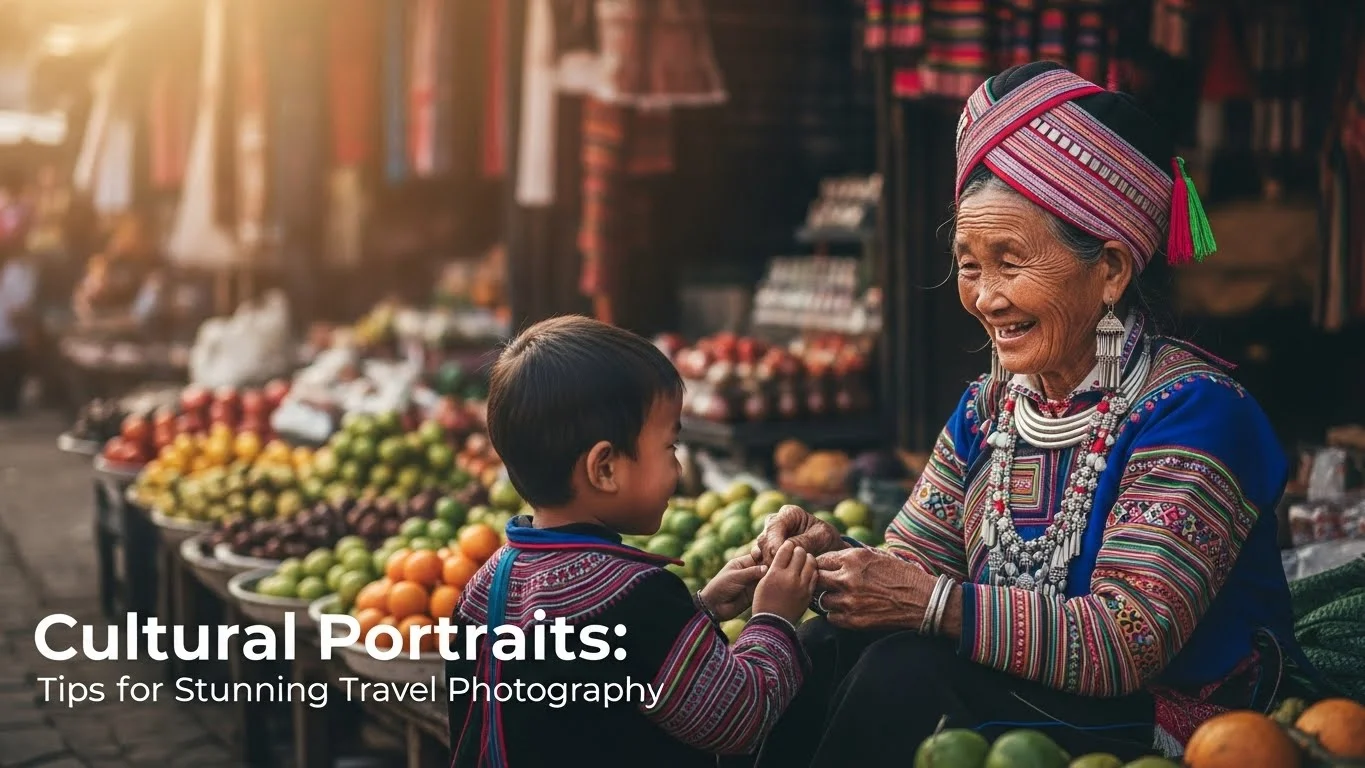
Cultural portraits are more than just photos of people; they are narratives that reflect the traditions, lifestyles, and identities of individuals within their cultural contexts. When I first started taking travel photos, I thought a portrait was simply a nice shot of someone smiling. However, I quickly learned that a cultural portrait reveals the deeper connections between the subject and their environment. It encapsulates the spirit of a community, showcasing their attire, customs, and even their expressions that tell a story about their daily lives. Each portrait I’ve taken has become a small window into the world of the subject, allowing viewers to catch a glimpse of their life and culture.
The Importance of Cultural Context
When I travel, I’ve noticed how each culture has its own unique vibe, influenced by history, geography, and social dynamics. Capturing a cultural portrait isn’t just about the person; it’s about understanding the backdrop against which their story unfolds. I remember visiting a bustling market in Marrakech, where colors, sounds, and smells collided in a beautiful chaos. I took a photo of a woman selling spices, her face adorned with laughter and wisdom. To me, that portrait wasn’t just about her; it was about the rich culture of Morocco, the vibrancy of the market, and the centuries-old traditions that shaped her life. Understanding this cultural context helps me tell a more profound story with my images.
Essential Equipment for Capturing Cultural Portraits
Camera Types: DSLR vs. Mirrorless
The choice between a DSLR and a mirrorless camera for cultural portraits is something I’ve pondered many times. Both have their merits, but my personal preference leans toward mirrorless cameras. They are typically lighter and more compact, making them easier to carry around while traveling. I love being able to weave through crowded markets or narrow streets without feeling weighed down. Plus, the electronic viewfinder allows me to see how my settings affect the final shot in real-time. However, if you have a DSLR and feel comfortable with it, don’t hesitate to use it; great photos come from great photographers, not just great gear.
Lenses: Best Choices for Portrait Photography
When it comes to lenses, I’ve found that prime lenses are superb for cultural portraits. A 50mm or 85mm lens is my go-to choice because it provides a lovely depth of field, allowing the subject to pop against a softened background. This effect draws the viewer’s eye directly to the person I’m capturing, making it easier for them to connect with the subject’s story. I remember using my 50mm lens during a festival in India, and the portraits I took had a dreamy quality that I couldn’t achieve with a kit lens. If you want to invest in just one lens for cultural photography, I highly recommend a fast prime lens.
Accessories: Tripods, Filters, and Lighting
While I often shoot handheld, I’ve discovered that a tripod can be invaluable, especially in low-light situations or during longer exposures. I usually carry a lightweight tripod for those moments when I want to ensure stability, such as capturing evening portraits at local events. Filters can also enhance your images—polarizing filters, for example, can reduce glare and saturate colors, which is particularly useful in bright conditions. Don’t forget about the importance of lighting! I often carry a small reflector to bounce natural light onto my subject, softening shadows and creating a more flattering look.
Techniques for Stunning Cultural Portraits
Natural Light vs. Artificial Light
I’ve always preferred natural light for my portraits. There’s something magical about how daylight interacts with the skin and surroundings, giving portraits a warm, inviting feel. Early mornings or late afternoons, often referred to as the golden hour, provide the softest light for stunning portraits. I remember shooting a portrait of a fisherman at sunrise; the way the light caught his weathered face told a story of resilience and strength. While I don’t shy away from using artificial light, I find that it often lacks the authenticity that natural light provides.
Framing and Composition Tips
Composition can make or break a portrait. I often use the rule of thirds, placing the subject off-center to create a more dynamic image. This technique allows me to include elements of the background, giving context to the portrait. I’ve also learned to be mindful of the background; I avoid cluttered settings that distract from the subject. Sometimes, I’ll frame the portrait with natural elements like doorways or windows, which adds depth and interest.
Using Depth of Field Effectively
Utilizing depth of field has been a game-changer for me. By blurring the background, I can draw attention to the subject, making them the focal point of the image. It’s like creating a mental space for the viewer to engage with the subject’s expression and story. I often shoot with a wide aperture (like f/1.8 or f/2.8) to get that creamy bokeh effect. I remember photographing a dancer in traditional attire; the blurred background enhanced the vibrant colors of her costume, making the portrait look almost ethereal.
Choosing the Right Locations for Cultural Portraits
Local Markets and Festivals
When I think about the most vibrant cultural portraits I’ve taken, many of them were captured in local markets and festivals. These places are alive with energy, color, and stories. At a market, you can find everything from fresh produce to handmade crafts, and the hustle and bustle creates a unique atmosphere that shines through in photographs. I remember wandering through a street market in Thailand, where the aromas of spices filled the air, and vendors enthusiastically showcased their goods. I took a portrait of an elderly woman selling handmade baskets, her hands weathered yet skilled. The backdrop of colorful textiles and bustling shoppers enriched the story behind her face, making it one of my favorite shots. Festivals, too, are a treasure trove for cultural portraits. The costumes, dancing, and celebrations provide a dynamic setting that brings the subject to life, offering a glimpse into the cultural heritage of a community.
Historic Landmarks and Cultural Sites
Another fantastic option for cultural portraits is historic landmarks and cultural sites. These places often hold significant stories and are rich in history, adding layers to the portraits you take. When I visited the ancient ruins in Peru, I was struck by how the stunning backdrop of Machu Picchu added depth to the portraits I captured. I took a photo of a young Quechua woman in traditional dress, the ruins towering majestically behind her. The contrast between the ancient stones and her vibrant attire told a story of continuity between past and present. These landmarks serve not only as beautiful settings but also as conversation starters, allowing for a deeper connection with your subjects as you discuss the significance of their heritage.
Urban vs. Rural Settings
Deciding between urban and rural settings can significantly impact the feel of your portraits. Urban environments often offer a mix of modernity and tradition, which can create striking contrasts in your images. I’ve found that city streets can provide unique backgrounds, like murals or architecture, that enhance the story of the subject. For instance, I remember photographing a street musician in New Orleans, the vibrant colors of the buildings behind him perfectly complementing his lively performance. On the other hand, rural settings can encapsulate a simpler, more traditional way of life. I once visited a small village in Italy where I met a farmer tending to his olive trees. The rolling hills and golden fields made for a serene backdrop that highlighted his rugged character. Both settings have their own charm and can tell powerful stories, so I recommend exploring both to see what resonates with you and your style. For those interested in urban photography at night, Capture the City: Urban Night Photography Tips for Travelers is a great resource.
Building Rapport with Subjects
Approaching People for Portraits
One of the most crucial aspects of capturing cultural portraits is building rapport with your subjects. I’ve learned that a genuine connection often results in more authentic and compelling images. When I approach someone for a portrait, I always start with a friendly smile and a polite introduction. I’ve found that sharing a little bit about myself and why I’m interested in capturing their portrait helps to break the ice. For instance, when I approached a street vendor in Mexico City, I explained my love for photography and how I wanted to showcase the beauty of their work. This openness often leads to engaging conversations that allow me to learn more about their lives and culture, which ultimately enhances the portrait I capture.
Understanding Cultural Sensitivities
Cultural sensitivity is vital when photographing people from different backgrounds. I’ve realized that what may be acceptable in one culture might not be in another. This understanding has guided me to approach subjects with respect and awareness. For example, in some cultures, it’s considered inappropriate to take someone’s photo without permission, while in others, people may feel honored by the attention. I always try to research the customs and etiquette of a place before I arrive, which helps me navigate these nuances. When I was in a rural village in Africa, I took the time to learn a few basic phrases in their language. This effort was met with warm smiles and openness, making my experience much richer and more meaningful.
Tips for Engaging with Your Subjects
Engagement is key to capturing the essence of your subjects. I often start by asking open-ended questions about their lives, interests, and stories. This not only helps establish trust but also provides context that enriches the portrait. I remember photographing a craftsman in Bali who made intricate wood carvings. As we talked about his art, he shared stories of his family and the traditions passed down through generations. His enthusiasm was palpable, and the resulting portrait captured not just his image but also his passion and pride. I recommend being patient and letting the conversation flow naturally; sometimes, the best moments happen spontaneously, revealing the true character of the person in front of you.
Post-Processing Techniques for Enhancing Portraits
Editing Software Recommendations
Once I’ve captured my cultural portraits, the next step is post-processing, which can elevate the images to a whole new level. I use software like Adobe Lightroom and Photoshop for editing. Lightroom is fantastic for cataloging and making quick adjustments, while Photoshop allows for more detailed retouching if needed. I find that these tools help me maintain the integrity of the original image while enhancing colors, contrast, and sharpness. If you’re looking for something more user-friendly, software like Luminar and Capture One can also be great options without overwhelming you with features.
Basic Editing Techniques for Portraits
In my experience, less is often more when it comes to editing portraits. I typically start by adjusting exposure and contrast to ensure the subject stands out. I also work on color correction to make sure the skin tones look natural, which is crucial for cultural portraits, as each culture has unique skin shades and tones. I often use the clarity and vibrance sliders to make colors pop without altering the overall feel of the image. Additionally, cropping can play a significant role in enhancing composition, so I take the time to experiment with different crops that draw the viewer’s eye to the subject.
Color Grading for Cultural Impact
Color grading is something I’ve come to appreciate as an art form in itself. By adjusting the color temperature and tint, I can convey different moods and emotions in my portraits. For cultural portraits, I often aim for warm tones to evoke feelings of connection and comfort. I remember editing a series of portraits from a festival in Brazil, where I applied a warmer color grade to enhance the vibrancy of the costumes and the joyful atmosphere. It’s a subtle touch, but it can significantly impact how a viewer feels about the image. I recommend experimenting with different color palettes to see how they affect the story you want your portrait to tell.
Legal Considerations in Travel Photography
Understanding Model Releases
As I’ve delved deeper into travel photography, I’ve come to appreciate the importance of legal considerations, especially when it comes to photographing people. One of the key aspects is understanding model releases. A model release is a legal document that grants permission to use someone’s likeness in photographs. I remember the first time I encountered this concept while photographing a street performer in Barcelona. After capturing some vibrant shots, I realized I needed to ask for their permission formally if I wanted to use the images for my portfolio. It felt a bit awkward at first, but once I explained my intentions, the performer was happy to sign the release. This not only protected my work but also respected their rights as the subject of the photo.
In many countries, especially in urban areas, it’s a good practice to obtain a model release if you plan to use the images commercially. This can range from selling prints to including them in a photography book. In my experience, having this paperwork can save a lot of potential legal headaches down the road. If you’re unsure about how to create a model release, there are plenty of templates available online that you can customize to fit your needs. Just be sure to explain it clearly to your subjects; they’ll appreciate your professionalism and transparency.
Copyright and Usage Rights
Alongside model releases, understanding copyright and usage rights is crucial in the world of photography. I’ve learned that the moment I click the shutter, I automatically hold the copyright to that image. However, the way I choose to use the image can vary significantly depending on the context and agreements in place. For instance, if I plan to use a portrait for promotional purposes, I need to ensure that I have the appropriate permissions from both the subject and any recognizable landmarks in the background.
I remember a situation where I took a beautiful portrait in front of a famous monument. Initially, I was excited to share it online, but then I learned that certain landmarks have strict regulations regarding commercial use of images. It made me realize the importance of researching and respecting these laws to avoid potential disputes. I recommend checking the local laws in any country you visit, particularly for well-known sites, as they can differ significantly.
Another aspect of copyright to consider is how your images are shared and credited. I’ve found that when I post my work on social media, adding a watermark or crediting myself can help protect my images from unauthorized use. It’s a simple step that not only safeguards my work but also encourages others to respect the artistry behind cultural portraits.
Showcasing Your Cultural Portraits
Building a Portfolio
Once I’ve captured stunning cultural portraits, showcasing them becomes the next exciting step. Building a robust portfolio has been incredibly rewarding for me. It’s a way to not only display my best work but also to tell the stories behind each image. I often curate my portfolio to reflect a theme or a specific journey. For instance, I created a collection focused on street portraits from various cities around the world. This allowed me to highlight different cultures and the unique personalities I encountered.
When putting together my portfolio, I make sure to include a range of images that showcase my versatility as a photographer. I often select portraits that have strong emotional connections or striking visual elements. Additionally, I pay attention to the flow of the portfolio, ensuring that the images complement each other and tell a cohesive story. I’ve found that presenting my work in a visually appealing layout—either online or in print—makes a significant impact on how viewers experience my photography.
Sharing on Social Media Platforms
Social media has become an essential tool for photographers to share their work with the world. For me, platforms like Instagram and Facebook have provided incredible opportunities to connect with other photographers and potential clients. I love using Instagram to showcase my cultural portraits, as the visual nature of the platform allows me to reach a wide audience. I often use relevant hashtags and engage with my followers by sharing behind-the-scenes stories about how each portrait came to be.
One strategy I’ve found effective is creating themed posts that resonate with current events or cultural celebrations. This not only attracts viewers who are interested in those topics but also keeps my content fresh and engaging. I remember sharing a series from a local festival, and the response was overwhelmingly positive. People appreciated seeing the vibrancy and culture of the event, which encouraged me to continue documenting such experiences. For those interested in wildlife photography, Read Interesting article: Essential Wildlife Photography Tips for Budget Safari Travelers
Participating in Photography Exhibitions
Participating in photography exhibitions has been another rewarding avenue for showcasing my cultural portraits. I recall my first exhibition; it was a nerve-wracking yet exhilarating experience. I had the opportunity to display my work in a local gallery, and it felt amazing to see people interacting with my images. Exhibitions allow for direct engagement with viewers, sparking conversations about the stories behind each portrait.
For anyone considering this path, I recommend looking for local galleries or community spaces that host exhibitions. Many places are eager to showcase local artists and their work. Preparing for an exhibition involves not just selecting the right pieces to display but also considering how to present them. I often frame my portraits in a way that enhances their impact and reflects the cultural context of the images. It’s a unique chance to share my passion for cultural portraits while connecting with a broader audience, and I highly encourage fellow photographers to explore similar opportunities.
Frequently Asked Questions
What are cultural portraits in travel photography?
Cultural portraits are narratives that reflect the traditions, lifestyles, and identities of individuals within their cultural contexts. They capture the essence of a place, showcasing attire, customs, and expressions that tell a story about the subject’s daily life.
Why is cultural context important in capturing portraits?
Cultural context is crucial because it helps to understand the backdrop against which a subject’s story unfolds. It allows photographers to tell a deeper story with their images, connecting the subject to their environment and cultural heritage.
What type of camera is recommended for capturing cultural portraits?
Both DSLR and mirrorless cameras are suitable, but mirrorless cameras are often preferred for their lightweight and compact design, making them easier to carry while traveling. Ultimately, the best camera is the one the photographer feels comfortable using.
What lens is best for cultural portrait photography?
Prime lenses, particularly 50mm or 85mm, are recommended for cultural portraits due to their ability to create a lovely depth of field, allowing the subject to stand out against a softened background.
What techniques can enhance cultural portraits?
Natural light is preferred for its warm and inviting feel, especially during the golden hour. Additionally, applying the rule of thirds for composition, using depth of field to blur backgrounds, and framing with natural elements can enhance portraits significantly.
What settings are ideal for capturing cultural portraits?
Local markets and festivals are excellent settings for vibrant cultural portraits due to their energy and stories. Historic landmarks and cultural sites also provide rich backdrops that add depth and context to images.
How can photographers build rapport with their subjects?
Building rapport involves approaching subjects with a friendly demeanor, introducing oneself, and sharing the intent behind capturing their portrait. This openness often leads to engaging conversations that enrich the portrait.
What post-processing software is recommended for enhancing portraits?
Adobe Lightroom is great for cataloging and making quick adjustments, while Photoshop allows for detailed retouching. Other user-friendly options include Luminar and Capture One.
What legal considerations should photographers be aware of?
Understanding model releases is vital, as it grants permission to use someone’s likeness in photographs. Additionally, photographers should be aware of copyright and usage rights, particularly if they plan to use images commercially.
How can photographers effectively showcase their cultural portraits?
Photographers can build a robust portfolio to display their best work, share images on social media platforms like Instagram, and participate in photography exhibitions to engage directly with viewers and share the stories behind their portraits.