
Eating well while traveling doesn’t have to break the bank. With some creativity and smart choices, you can enjoy delicious meals on a backpacker’s budget without sacrificing flavor or nutrition. For more tips on budgeting while traveling, check out 10 Essential Travel Hacks for Budget Backpacking Adventures.
Understanding the Backpacker’s Budget
What is a Backpacker’s Budget?
When I first hit the road as a backpacker, I quickly learned that sticking to a budget is crucial. A backpacker’s budget typically involves managing limited funds for essentials like accommodation, transportation, and, of course, food. I used to think that eating well meant spending more, but I soon discovered that it’s all about making informed choices.
For many backpackers, the budget varies depending on the country and the duration of travel. Personally, I aim for around $10 to $20 a day for food, which I found feasible in many places. This amount can stretch quite far with the right strategies. Balancing my nutritional needs and culinary desires has become an adventure in itself!
Importance of Budgeting for Food
One of the biggest lessons I learned during my travels is how important it is to budget for food. Eating out every day can quickly drain your finances, especially in touristy areas. I remember a trip where I splurged on fancy meals, thinking I’d treat myself. By the end of the week, I regretted not keeping track of my spending. I now prioritize planning my meals and finding local grocery stores.
Budgeting for food not only helps you save money but also allows you to immerse yourself in local cultures. Cooking with local ingredients or trying street food can enhance your travel experience. Plus, it’s a great way to meet locals! In some cases, I’ve even been invited to join impromptu cooking sessions, which turned out to be some of my favorite memories from my travels.
Essential Tips for Eating Well on a Budget
Planning Your Meals
Meal planning might sound tedious, but trust me, it’s worth it. I often sit down at the beginning of each week to map out what I’ll eat. This doesn’t mean I stick to a strict regimen; instead, I create a flexible framework. For instance, if I know I’ll be in a place with great fresh produce, I plan to make salads and smoothies. On the other hand, in colder climates, I lean toward hearty soups or stews.
I also consider my travel schedule. If I’ll be hiking all day, I make sure to pack energy-boosting snacks like nuts or dried fruits. It’s vital to listen to your body and adjust your meal plan accordingly. The more I planned, the more I saved — and I was able to treat myself to a few local delicacies guilt-free!
Shopping Smart: Where to Buy Food
Finding the best places to buy food can make all the difference. I’ve learned to navigate local markets, convenience stores, and supermarkets. Local markets are often the best choice for fresh ingredients and unique flavors. I remember wandering through a vibrant market in Thailand and being amazed by the colorful fruits and vegetables. Not only were they fresh, but they were also incredibly cheap!
In many countries, supermarkets tend to have pre-packaged meals that are affordable and convenient. However, I recommend always reading the labels. Sometimes, they’re higher in preservatives than I’d like. I often check out discount stores as well; I’ve found great deals on staple items like rice and pasta there. By shopping smart, I manage to stick to my budget while enjoying a variety of flavors!
Cooking vs. Eating Out: Pros and Cons
Deciding whether to cook or eat out can be a tough call. I’ve had nights where I felt too tired to cook, opting for street food instead. While that can be a delightful experience, I’ve realized it can add up quickly. Cooking allows me to control my portions and try new recipes with local ingredients. Plus, when I meet fellow travelers, we sometimes share meals, making cooking a social affair.
On the flip side, eating out provides a taste of local culture that’s hard to replicate at home. I think the key is balance. For example, I cook breakfast and lunch most days, which saves money. Then, I treat myself to dinner at a local restaurant on weekends. This way, I get to savor the local cuisine without blowing my budget.
Using Local Markets to Your Advantage
Local markets have become my favorite places to explore while traveling. They’re not just about food; they’re vibrant hubs of culture. I remember stumbling upon a farmer’s market in a small village in Italy, where I chatted with the locals as they sold their wares. I picked up fresh pasta and homemade sauce at a fraction of what it would cost in a store. Not only did I eat well, but I also felt connected to the community.
Markets often have seasonal produce, which is usually cheaper and tastier. I always try to learn a few phrases in the local language to enhance my shopping experience. Vendors appreciate it, and it often leads to better deals. Plus, there’s something incredibly satisfying about hand-picking ingredients for my meals, knowing they’re fresh and locally sourced.
Affordable and Delicious Meal Ideas
Quick and Easy Breakfast Options
Breakfast has always been my favorite meal of the day, especially while traveling. It sets the tone for my adventures ahead. I’ve discovered that with just a few ingredients, I can whip up something delicious without breaking the bank. For instance, oatmeal is a fantastic staple. I usually buy a pack of instant oats, which is not only affordable but also filling. I love mixing in local fruits, like bananas or berries, to add some sweetness and nutrients.
Another easy breakfast I often prepare is yogurt with granola. I’ve found that local markets frequently have fresh yogurt for a fraction of the price compared to touristy cafes. I can pair it with some nuts or seeds and a drizzle of honey, which makes for a satisfying start to my day. If I’m feeling adventurous, I sometimes experiment with savory options like eggs with tomatoes and herbs, which not only fills me up but also gives me a taste of local flavors.
Inexpensive Lunch Ideas for On-the-Go
Lunch can be a tricky meal when traveling, especially if I’m out exploring all day. I’ve learned to keep things simple and portable. Wraps are my go-to choice. I fill a tortilla with whatever fresh veggies I can find, some local cheese, and a protein like canned tuna or chickpeas. These wraps are easy to pack and eat while walking around, making them perfect for busy days.
An alternative that I often prepare is a rice bowl. I usually cook a batch of rice and top it with whatever leftovers I have from breakfast or fresh produce from the market. Sometimes I’ll add a splash of soy sauce or a sprinkle of spices to give it that extra flavor. It’s filling and keeps me energized for more adventures.
If I can find a local bakery, I love grabbing a fresh baguette with some cold cuts or cheese. Eating with my hands while sitting in a park, surrounded by the sights and sounds of the area, makes for a memorable lunchtime experience.
Budget-Friendly Dinner Recipes
Dinner is when I like to get a little creative. One of my favorite budget-friendly recipes is a one-pot pasta dish. I throw in whatever vegetables I can find, along with some garlic and olive oil. It’s amazing how flavorful a simple meal can be when you use fresh ingredients. Plus, it’s a great way to use up any leftover veggies I have from the week.
I’ve also fallen in love with stir-fries. They are quick, colorful, and allow me to use a combination of local vegetables and protein. A bit of soy sauce or teriyaki sauce can transform simple ingredients into a delightful dinner. I usually serve it over rice or noodles, making it a hearty meal after a long day of exploring.
Another dinner favorite is a hearty soup. When the weather is chilly, I often make a vegetable soup with whatever I can find at the market. A base of broth, some potatoes, carrots, and beans creates a comforting dish that warms me up. I enjoy cooking it in a communal kitchen when I’m staying in hostels, as it opens up the opportunity to share and bond with other travelers.
Snacks and Street Food: A Backpacker’s Delight
Snacks are essential for keeping my energy up while exploring. I often stock up on nuts and dried fruits, which I find at local markets. They’re not only nutritious but also light to carry. I remember hiking in the mountains of Peru and munching on trail mix as I took in the breathtaking views. It was the perfect fuel for my adventures!
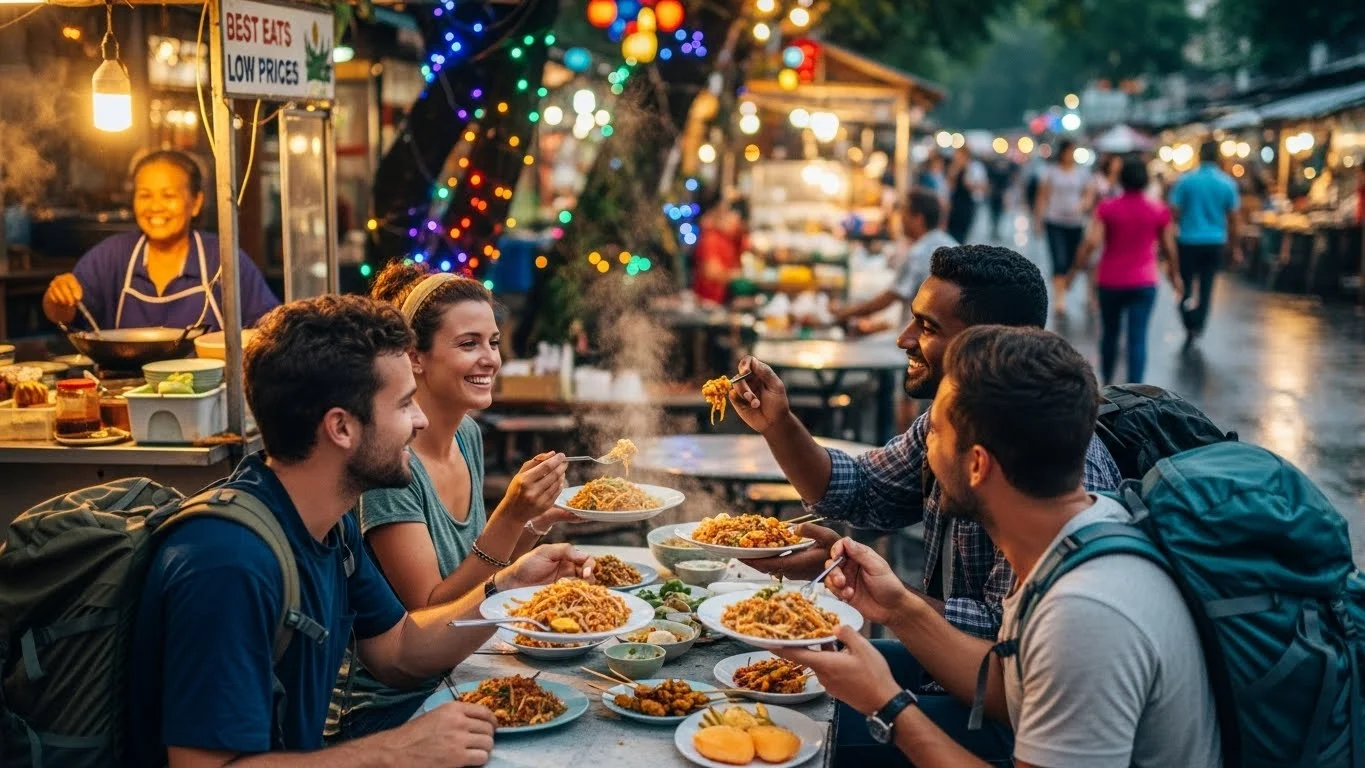
Street food is another exciting aspect of traveling. I’ve tasted some of the best meals from street vendors. In Vietnam, I couldn’t resist trying pho from a small stall where the owner served it with such passion. It was affordable, delicious, and a unique experience. I always prioritize cleanliness and the crowd around a vendor; if locals are enjoying the food, that’s usually a good sign! Whether it’s tacos in Mexico or dumplings in China, street food not only fills my stomach but also gives me a taste of the local culture.
When I’m in a new city, I love exploring food markets and grabbing small bites here and there. Sampling different foods allows me to experience the local cuisine without committing to a full meal. It’s like a culinary adventure on a budget!
Regional Specialties: Eating Cheap Around the World
Latin America: Tacos and Empanadas
Traveling through Latin America has been a delightful culinary journey for me. Tacos are one of my go-to meals when I’m in Mexico. I’ve found street vendors selling delicious tacos at incredibly low prices. Whether it’s filled with carne asada or grilled vegetables, each bite is bursting with flavor. I always add some fresh salsa and avocado for that extra kick. Plus, the vibrant atmosphere around these stalls makes the experience even more enjoyable.
Another favorite of mine is empanadas, especially when I’m visiting countries like Argentina or Chile. These pastry pockets are not only affordable but can be filled with a variety of ingredients, from spiced meats to cheese and veggies. I remember sitting at a small café in Buenos Aires, savoring a freshly baked empanada while chatting with a local. It’s meals like these that truly bring a place to life for me!
Asia: Noodles and Rice Dishes
Asia offers some of the most budget-friendly and delicious food options I’ve ever experienced. In countries like Thailand and Vietnam, street food stalls serve up bowls of noodles or rice dishes that are both filling and flavorful. I can’t forget the first time I had pad Thai from a street vendor in Bangkok. It was not only cheap but also packed with flavor, and I couldn’t believe how fresh the ingredients tasted!
Rice dishes, like fried rice or biryani, are also a staple for me when I’m traveling through Asia. I often visit local markets where I can find vendors selling enormous portions at low prices. I’ve learned to customize my meals, adding extra veggies or proteins to make it more nutritious. Eating this way not only saves me money but also allows me to explore the local food culture in a satisfying way.
Europe: Baguettes and Local Pastries
When I think of Europe, my mind immediately jumps to the delightful breads and pastries. France, for instance, is home to the famous baguette. I love stopping by a local boulangerie to grab a fresh baguette, which I can pair with cheese and charcuterie for a perfect picnic lunch. It’s a simple yet elegant meal that doesn’t cost much and allows me to enjoy the beautiful surroundings.
Additionally, I’ve found that many European cities have local bakeries where I can indulge in pastries like croissants or baklava. These treats are often reasonably priced and make for a delicious breakfast or snack. I remember wandering through the streets of Lisbon, enjoying a pastel de nata while soaking in the sights. It’s these little pleasures that make budget traveling feel luxurious!
Africa: Stews and Grilled Meats
Africa has a rich culinary scene that I’ve come to appreciate deeply. In many countries, local stews are not only hearty but also affordable. I’ve had the pleasure of enjoying a warm bowl of jollof rice in Nigeria, complete with a spicy tomato sauce and vegetables. The flavors are vibrant, and I often find myself going back for seconds!
Grilled meats are another highlight of my travels in Africa. From kebabs in Morocco to braai in South Africa, I love how communal these meals can be. I remember sharing a plate of grilled chicken with fellow travelers at a local eatery. It was a fantastic way to bond with new friends over shared experiences and delicious food. The best part? It was all extremely budget-friendly! If you’re considering a trip to Europe, check out Backpacking Europe: The Best Budget-Friendly Cities to Visit for more insights.
Food Safety Tips for Backpackers
Storing Food Safely
Keeping food safe while traveling is a priority for me. I’ve learned that proper storage can prevent foodborne illnesses, which can ruin a trip. When I buy perishables, I always ensure I have a cooler or insulated bag to keep them fresh. I also try to consume items like dairy or meats first, as they spoil quicker. In many hostels, I’ve noticed communal fridges, and I make sure to label my food to avoid any mix-ups.
Another tip I’ve found useful is to stock up on dry goods like rice, pasta, and nuts, which have a longer shelf life. This way, I can create meals without worrying about spoilage. I remember a time in a remote village where options were limited. Having my stash of dried goods saved the day!
Choosing Safe Street Food
Street food is one of my favorite parts of traveling, but I’ve learned to be cautious. I always look for vendors with a high turnover of customers; it’s usually a good sign that the food is fresh. Watching how they prepare the food can also give me peace of mind. I prefer stalls that cook food in front of me, ensuring it’s made fresh and hot.
I also make sure to avoid foods that have been sitting out for too long. In many places, I’ve seen vendors with covered dishes, which is a sign that they’re taking precautions against contamination. It’s all about trusting my instincts and observing the cleanliness of the stall before indulging!
Recognizing Food Allergies and Intolerances
Traveling with food allergies or intolerances can be challenging, but I’ve learned a few tricks along the way. Before heading to a new country, I research local cuisine to identify potential allergens. I also carry a translation card that lists my allergies in the local language to show to restaurant staff or food vendors. This has been a lifesaver in situations where I needed to communicate my dietary restrictions.
When dining out, I always ask questions and don’t hesitate to clarify ingredients. If something doesn’t feel right, I trust my gut and choose something else. I remember a time in Italy when I was unsure about a dish containing seafood. By asking the waiter for clarity, I avoided a potential allergic reaction. Staying informed and being proactive helps me enjoy my travels without fear!
Frequently Asked Questions
What is a Backpacker’s Budget?
A backpacker’s budget involves managing limited funds for essentials such as accommodation, transportation, and food. Typically, it ranges from $10 to $20 a day for food, depending on the country and duration of travel.
Why is budgeting for food important while traveling?
Budgeting for food helps save money and allows travelers to immerse themselves in local cultures. Cooking with local ingredients or trying street food enhances the travel experience and can lead to memorable interactions with locals.
What are some essential tips for eating well on a budget?
Some essential tips include meal planning, shopping smart at local markets and supermarkets, and balancing cooking with eating out to manage costs while enjoying local cuisine.
How can meal planning benefit a traveler?
Meal planning helps save money by allowing travelers to create a flexible framework for their meals, ensuring they can take advantage of fresh local produce and adjust based on their travel schedule and nutritional needs.
What are the advantages of shopping at local markets?
Local markets often provide fresh ingredients at lower prices and a vibrant cultural experience. They typically offer seasonal produce and opportunities for interaction with vendors, enhancing the overall shopping experience.
What are some quick and easy breakfast options for travelers?
Quick and easy breakfast options include oatmeal with local fruits, yogurt with granola, and savory egg dishes. These meals are affordable, filling, and allow for local flavor incorporation.
What budget-friendly dinner recipes can travelers try?
Travelers can try one-pot pasta dishes, stir-fries with local vegetables and protein, or hearty vegetable soups. These meals are easy to prepare and allow for creativity with local ingredients.
How can travelers safely enjoy street food?
Travelers can safely enjoy street food by choosing vendors with high customer turnover, observing food preparation practices, and avoiding items that have been sitting out for too long to ensure freshness and cleanliness.
What should travelers do if they have food allergies or intolerances?
Travelers with food allergies or intolerances should research local cuisine beforehand, carry a translation card for their allergies, ask questions about ingredients when dining out, and trust their instincts if something seems off.
What are some inexpensive meal ideas when traveling?
Inexpensive meal ideas include wraps filled with fresh veggies and protein, rice bowls using leftovers or fresh produce, and buying fresh baked goods from local bakeries for a simple yet enjoyable meal.