
Dining around the world can be a delightful adventure, but it comes with its own set of rules. Understanding dining etiquette can enhance your travel experience and help you connect with locals. For more insights, check out Master Dining Etiquette: A Backpacker’s Guide to Local Customs.
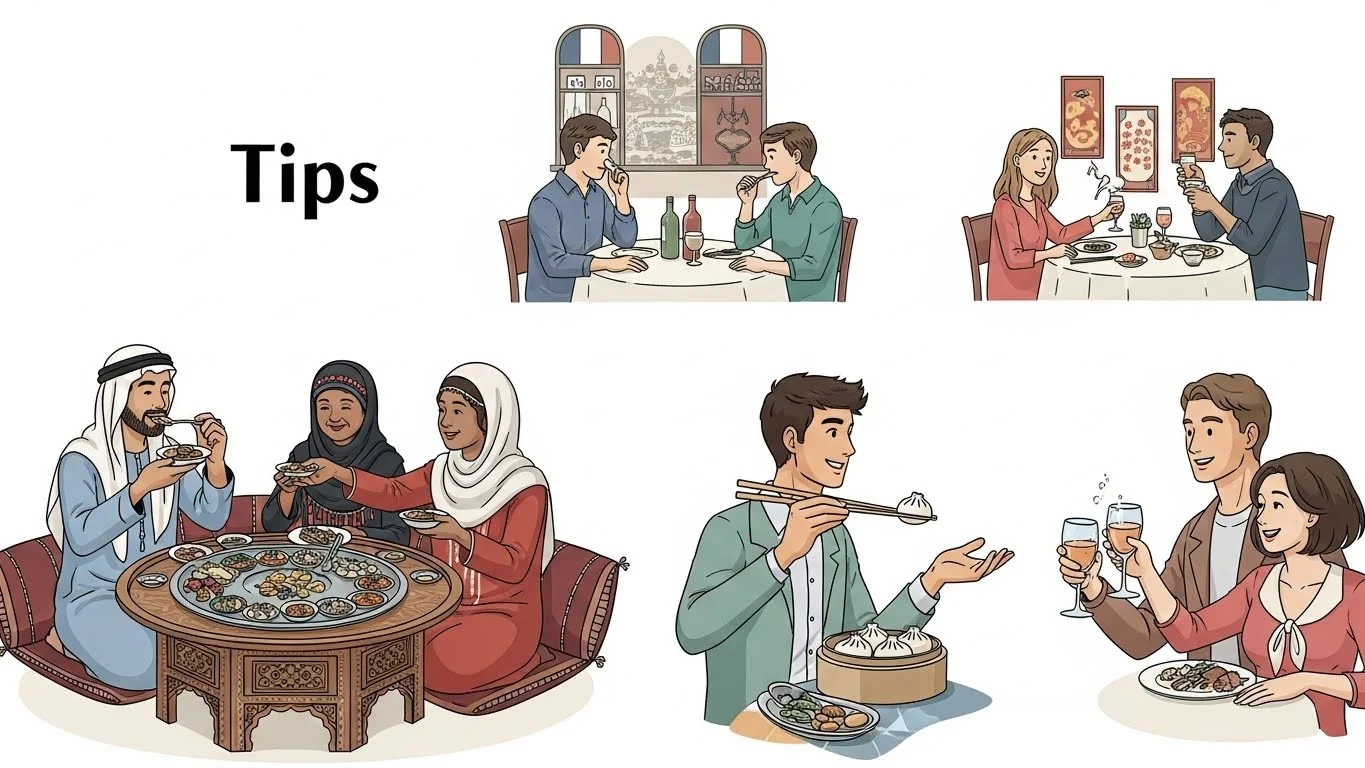
Understanding Dining Etiquette
What is Dining Etiquette?
When I first started traveling, I didn’t think much about dining etiquette. I figured eating was pretty straightforward—just order and eat, right? But as I explored new countries and their cultures, I quickly realized that dining etiquette goes far beyond mere table manners. It encompasses the customs, traditions, and expectations surrounding eating and drinking in different cultures. For instance, in some places, it’s polite to finish everything on your plate, while in others, leaving food can signify that you’ve had enough. Understanding these nuances can not only help you fit in but also show respect for the culture you’re experiencing.
Importance of Dining Etiquette for Travelers
Dining etiquette is essential for travelers like us. I’ve found that knowing the local customs can drastically enhance our experience. It’s more than just avoiding embarrassment; it’s about connecting with the people and the culture. For example, during a trip to Japan, I learned that slurping my noodles was not just acceptable but encouraged. This little detail made me feel more at home in a foreign place. Plus, it opens up conversations with locals, who often appreciate our efforts to respect their traditions. So, whether you’re dining at a high-end restaurant or grabbing street food, understanding etiquette can give you a richer travel experience. For those interested in budget travel, consider reading Backpacking Through Cultural Cities: Tips for Budget Travelers.
General Dining Etiquette Tips
Table Manners Basics
Table manners can vary significantly from one culture to another. I remember sitting at a dinner table in Italy where I instinctively reached for bread without asking. I soon learned that it’s polite to wait for the host to serve before digging in. Similarly, I’ve noticed in the U.S. that it’s common to keep your hands on the table, but in many Asian cultures, it’s considered rude to let your hands rest on the table during a meal. One universal rule, however, is the importance of saying “please” and “thank you.” A simple “grazie” in Italy or “arigato” in Japan can go a long way in building rapport.
Using Cutlery and Table Settings
When it comes to cutlery, I’ve had my share of awkward moments. In some places, like France, the fork is held in the left hand and the knife in the right, and it’s frowned upon to switch them. In contrast, in the U.S., it’s common to cut a bite-sized piece and then put down the knife before switching the fork to the right hand. If you’re ever confused about which utensil to use, just watch the locals; it’s a great way to learn without drawing attention to yourself. Table settings can also tell you a lot about the meal. For instance, if there are multiple forks, it usually means you’ll be enjoying multiple courses!
Conversation Etiquette at the Table
Conversation at the dining table is another area where I’ve learned to tread carefully. In many cultures, engaging in light conversation is expected and welcomed. For example, during my time in Argentina, I found that discussing family was a favorite topic among locals. However, in some Asian cultures, such as Japan, it’s polite to wait for the host to initiate conversation. I’ve also discovered that it’s best to avoid controversial topics like politics or religion, as these can lead to uncomfortable situations. Instead, focus on the food, the ambiance, and common interests. Asking about local dishes can also show your interest in their culture!
Dining etiquette is a fascinating subject that can significantly enhance your travel experience. It’s about more than just food; it’s about respect, connection, and understanding. As we continue our journey through the dining customs around the world, let’s dive deeper into regional specifics that can make or break your dining experience while traveling. Additionally, for solo travelers, understanding these nuances is crucial; check out Solo Travel Success: Understanding Cultural Etiquette.
Dining Etiquette by Region
North America
United States
Dining in the United States can vary widely depending on the region and type of restaurant. I remember my first meal in New York City, where everything felt fast-paced and casual. In most American dining settings, it’s common to greet your server and be friendly, but don’t be surprised if they don’t stick around for a long chat. I learned that tipping is expected; usually around 15-20% of the total bill, which can feel a bit stressful for newcomers. It’s also customary to wait until everyone is served before starting to eat, a practice I’ve come to appreciate as it fosters a sense of togetherness.
Canada
In Canada, I noticed that dining etiquette is quite similar to the U.S., but with a particular emphasis on politeness. I found that saying “sorry” and “thank you” comes naturally to Canadians, and it’s a good idea to follow suit. At a restaurant, it’s common for the host to pay the bill, but if you’re splitting the cost, be sure to communicate that clearly. I also learned that in some provinces, like Quebec, meals can often include a side of poutine—an absolute must-try! And yes, always treat the staff with kindness. They’re known for their patience and friendliness.
South America
Brazil
In Brazil, dining is a lively affair. I remember attending a churrascaria, where servers bring skewers of meat right to your table. It’s customary to wait for the host to say a few words before starting, and the meal often includes sharing dishes with everyone at the table. I found out that it’s polite to keep your hands on the table, but don’t rest your elbows; that’s a no-no! And when it comes to toasting, you can’t forget to make eye contact! It’s a charming ritual that adds to the communal vibe of the meal.
Argentina
During my time in Argentina, I discovered that dining out can turn into a social event that lasts for hours. Meals often begin late in the evening, and it’s common to share a bottle of wine with your meal. I learned that it’s polite to try a bit of everything, especially when dining with locals. And don’t be surprised if someone offers you a mate; it’s a traditional drink that’s meant to be shared. Just remember to pass it back to the person who served it to you. I loved the warmth that this ritual brought into the dining experience!
Europe
France
Ah, France! I couldn’t help but feel a sense of elegance when dining there. I learned that meals are often seen as an art form. From the moment I sat down, I was reminded to savor every bite and take my time. Bread is served without a plate, placed directly on the table, and it’s considered rude to cut it. Instead, I learned to break it by hand. Also, never rush to leave; lingering over a meal is part of the French dining experience. A simple “bon appétit” before starting can make a great impression.
Italy
Italy is like a culinary journey of its own. I remember feeling welcomed as I walked into a trattoria, where the aroma of fresh pasta filled the air. Italians take pride in their food, and it’s customary to appreciate the meal by finishing everything on your plate. I was taught that it’s inappropriate to order cappuccino after 11 AM, so I made sure to enjoy my morning cup! And when someone offers you a dish, it’s polite to accept, as refusing can be seen as rude. Sharing food is a beautiful way to bond with locals.
Germany
Dining in Germany can be a refreshing experience. I learned that punctuality is key; arriving on time is a sign of respect. Meals often consist of hearty portions, and I found it common to clink glasses before drinking. A simple “Prost!” will do. I also noticed that it’s polite to wait for the host to begin eating, and creative table manners, like not cutting your sausage with a knife, are appreciated. If you’re invited to someone’s home, bringing a small gift, like flowers or chocolate, is a thoughtful gesture.
Asia
Japan
Japan was an eye-opener for me. I quickly learned that dining there is an art form filled with rituals. It’s considered polite to say “itadakimasu” before the meal begins, thanking everyone who contributed to the food. Chopsticks are used, but I found that it’s rude to stick them upright in rice. Also, slurping noodles is a sign of appreciation! I enjoyed how every meal felt like a celebration of flavors and traditions. When dining with others, waiting for the elder or the host to start is a must.
China
In China, I discovered that dining is deeply communal. Meals are typically served family-style, with dishes placed in the center of the table. I learned that it’s polite to use serving chopsticks to take food from communal dishes, and I was fascinated by the tradition of toasting. I often found myself participating in rounds of “gan bei,” which means “dry cup”—an exhilarating experience! And if you’re offered tea, it’s polite to accept, as refusing can be seen as disrespectful.
India
Dining in India was a sensory overload, and I loved every minute of it. I learned that eating with my hands is not only acceptable but preferred in many regions. The trick is to use only the right hand, as the left is considered unclean. Sharing food is a sign of hospitality, and I was often invited to join others in a meal, which made me feel like part of the family. Spices are a huge part of Indian cuisine, so I was always eager to ask about each dish and its ingredients. It’s a great way to connect with locals.
Africa
Morocco
In Morocco, dining is an experience filled with flavors and tradition. I remember sitting on the floor around a large platter of tagine, where everyone eats together. It’s common to use bread to scoop up food, and I learned not to use my left hand for eating. The meal often begins with a sweet mint tea, and it’s polite to finish everything on your plate to show appreciation. I loved how this communal style of dining brought everyone together in such a festive atmosphere.
South Africa
South African dining etiquette surprised me with its mix of cultures. I learned that sharing is a big part of the experience, particularly with traditional braai (barbecue). It’s polite to wait for everyone to be served before starting, and a hearty “enjoy” is often shared among guests. I also found it fascinating that meals often lead to storytelling, which I cherished. It’s a beautiful way to bond, and the warmth of the people made every meal memorable.
Oceania
Australia
Dining in Australia felt relaxed and casual. I enjoyed the outdoor barbecues, where sharing food with friends is common. I found that it’s polite to wait for everyone to be served before digging in, and asking questions about the menu is always welcome. I learned that Australians have a love for coffee, so don’t miss out on trying a flat white! Also, tipping is appreciated but not mandatory, which was a breath of fresh air.
New Zealand
In New Zealand, I experienced a similar laid-back vibe. Meals often emphasize local ingredients, and I enjoyed the culture of sharing food. I learned that it’s polite to ask about dietary preferences before planning a meal. The Maori culture has also influenced dining experiences, and I enjoyed trying hangi, a traditional method of cooking. When dining, the sense of community is palpable, and I felt grateful to be included in their traditions.
Special Dining Etiquette Situations
Dining with Locals
One of my most memorable experiences traveling has been dining with locals. I remember a warm evening in a small village in Greece where I was invited to join a family for dinner. They set an extra place at the table, welcoming me into their home with open arms. I quickly learned that dining with locals is as much about the food as it is about connection. They shared stories about their culture and traditions, and I felt privileged to be part of their world for a night. It’s important to show appreciation for their hospitality by trying everything they offer, even if it’s outside your comfort zone. A simple compliment about the meal goes a long way in strengthening that bond. I always make sure to acknowledge the effort they put into the meal; it’s a sign of respect and gratitude.
Street Food Etiquette
Street food is one of my favorite aspects of exploring new cultures. I’ve had some of the best meals from street vendors around the world, but I’ve also learned a few etiquette tips along the way. In places like Thailand, I discovered that it’s polite to greet the vendor with a smile and maybe a “hello.” When dining in a busy market, I found it’s best to eat quickly and clear the area for others who are waiting. I’ve noticed that in many cultures, it’s considered respectful to enjoy your food while standing or walking, rather than sitting down. Also, if you’re sharing a table with others, be mindful of your space and try not to monopolize the table. I love how street food offers a casual atmosphere, where everyone is there to enjoy good food and sometimes even engage in a bit of friendly conversation.
Formal Dinners and Ceremonies
Attending formal dinners or ceremonies can be intimidating, but I’ve learned that being aware of the customs can ease the nerves. I remember an elegant dinner in India where traditions were deeply woven into the experience. I was guided through a series of courses served in a particular order, and it felt like a beautiful ritual. Dressing appropriately is a must, as it shows respect for the occasion. I also discovered that waiting for the host to start the meal is crucial. In my experience, it’s polite to keep conversation light and focus on the event at hand. When the meal concluded, a heartfelt “thank you” to the host is always appreciated. It’s a way to express that I valued not just the meal, but the effort put into creating a memorable experience.
Buffet Dining Tips
Buffets can be a fun dining experience, but they do come with their own set of etiquette rules. I recall a vibrant buffet in a hotel in Malaysia, filled with a variety of dishes from different regions. I learned that it’s best to take smaller portions on the first go so you can sample many different flavors. It’s also polite to wait until everyone has had a chance to serve themselves before going back for seconds. I always keep in mind that sharing the table space is important; it helps maintain a friendly atmosphere. Additionally, using serving utensils instead of my own is a must! It’s a small gesture that shows respect for others dining around me. Overall, buffets are a wonderful opportunity to try new foods, but just a little consideration can make the experience enjoyable for everyone.
Frequently Asked Questions
What is dining etiquette?
Dining etiquette encompasses the customs, traditions, and expectations surrounding eating and drinking in different cultures. It goes beyond mere table manners and includes understanding how to fit in and show respect for the local culture.
Why is dining etiquette important for travelers?
Dining etiquette is essential for travelers as it enhances the travel experience by helping to connect with the local culture and people. Understanding local customs can also help avoid embarrassment and foster a sense of belonging.
What are some general table manners to consider while dining?
Table manners can vary by culture, but some basics include waiting for the host to serve before eating, keeping hands on the table in some cultures, and always saying “please” and “thank you” to show appreciation.
How should cutlery be used in different cultures?
Cutlery usage varies; for example, in France, the fork is held in the left hand and the knife in the right, while in the U.S., it’s common to switch the fork to the right hand after cutting. Observing locals can be a helpful way to learn proper use without drawing attention.
What should I know about conversation etiquette at the dining table?
Conversation etiquette varies; in some cultures, light conversation is expected, while in others, it’s polite to wait for the host to initiate. Avoid controversial topics and focus on food and common interests to keep the atmosphere enjoyable.
What dining etiquette should I follow in the United States?
In the U.S., it’s common to greet your server, tip around 15-20%, and wait until everyone is served before starting to eat. The dining experience can feel fast-paced and casual, so being friendly is encouraged.
What dining customs are unique to Japan?
In Japan, it’s polite to say “itadakimasu” before the meal, chopsticks should not be stuck upright in rice, and slurping noodles is a sign of appreciation. Waiting for the elder or host to start eating is also important.
How is dining etiquette in Morocco different from other cultures?
In Morocco, dining is often communal, with everyone eating from a large platter. It’s polite to use bread to scoop food, not to use the left hand for eating, and finishing everything on your plate shows appreciation for the meal.
What are some tips for dining at buffets?
When dining at a buffet, it’s best to take smaller portions initially, wait for everyone to serve themselves before going for seconds, and use serving utensils instead of personal ones. This helps maintain a respectful and friendly dining atmosphere.
What should I do if invited to dine with locals?
Dining with locals is about connection as much as food. Show appreciation by trying everything offered, complimenting the meal, and acknowledging the effort they put into it. This creates a bond and demonstrates respect for their hospitality.