
Street food in Asia is an adventure waiting to happen! From sizzling skewers to spicy noodles, the vibrant street food festivals in 2023 promise to tantalize your taste buds and immerse you in local culture. For more information, check out A Foodie’s Guide to Asia’s Vibrant Street Food Festivals.
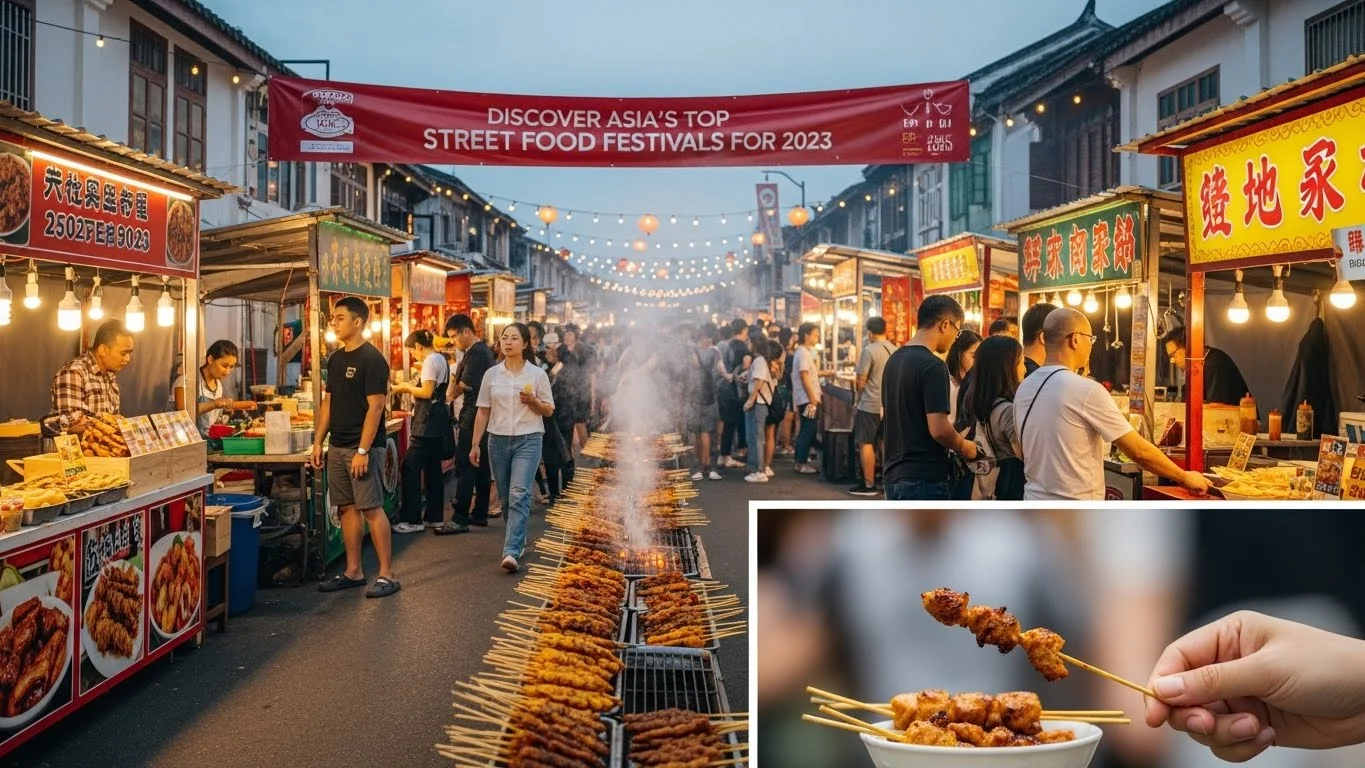
Overview of Street Food Festivals in Asia
What is Street Food?
Street food, in my experience, is more than just a quick meal; it’s a celebration of culinary heritage. These are dishes sold by vendors on the streets, often prepared right before your eyes. They are typically affordable and packed with flavor, offering a taste of the local culture that you simply won’t find in a restaurant. I remember my first encounter with street food in Bangkok—I was overwhelmed by the aroma of grilled meats and fresh herbs wafting through the air. Each bite was a delightful explosion of flavors, and that’s the magic of street food!
Importance of Street Food in Asian Culture
Street food holds a special place in Asian culture. It’s a form of community gathering, where families and friends come together to share meals and stories. I’ve seen how people of all ages gather around food stalls, laughing, chatting, and enjoying their meals. In many Asian countries, street food connects generations—vendors often pass down their recipes, ensuring the flavors remain authentic. It’s not just about eating; it’s about experiencing a part of the culture, making connections, and creating memories.
Top Street Food Festivals in 2023
Bangkok Street Food Festival, Thailand
If you love street food as much as I do, the Bangkok Street Food Festival is a must-visit. This festival showcases the best of Thai street food, featuring everything from Pad Thai to mango sticky rice. The atmosphere is electric, with live music and cooking demonstrations that draw locals and tourists alike. I remember wandering through the stalls, sampling dishes that I had only seen on social media. Each vendor has their own twist on classic recipes, and you can taste the passion in every bite!
Penang Street Food Festival, Malaysia
Next on the list is the Penang Street Food Festival, where you can indulge in local favorites like Char Kway Teow and Nasi Kandar. This festival is a feast for the senses, with vibrant colors and aromas filling the air. I was amazed at how each dish tells a story, reflecting the rich history of Penang’s multicultural society. The festival also includes cooking workshops, which I highly recommend! It’s a great way to learn the secrets behind these delicious dishes and take a piece of Penang home with you. For more amazing festival insights, don’t miss Top 10 Unmissable Street Food Festivals in Asia.
Tokyo Street Food Festival, Japan
Tokyo’s take on street food is unique and unforgettable. The Tokyo Street Food Festival highlights Japanese favorites like Takoyaki and Okonomiyaki. The precision and attention to detail in Japanese street food preparation are incredible. I was fascinated watching vendors skillfully flip pancakes and grill skewers. The festival atmosphere is lively, with various stalls offering not just food but also cultural performances and local crafts. It’s the perfect blend of culinary delight and cultural immersion.
Hanoi Street Food Festival, Vietnam
Hanoi is known for its rich street food scene, and the Hanoi Street Food Festival is a real gem. Here, you can savor Pho, Bun Cha, and countless other Vietnamese dishes. I was overwhelmed by the variety of flavors and textures. The festival often features local chefs and street food legends who share their secrets, making it an educational experience as much as a tasty one. The vibrant street art and music add to the energy, making it a fantastic outing for everyone.
Seoul Street Food Festival, South Korea
In Seoul, street food is an integral part of the city’s identity, and the Seoul Street Food Festival showcases the best of Korean cuisine. I was blown away by the deliciousness of Tteokbokki and Korean BBQ. This festival is not just about eating; it’s also about experiencing the dynamic culture of Korea. I loved the interactive cooking sessions and the chance to learn about Korean culinary traditions. The lively atmosphere, complete with K-pop performances, makes it a fun-filled day for food lovers!
Manila Street Food Festival, Philippines
The Manila Street Food Festival is a celebration of the Philippines’ vibrant food culture. From Adobo to Lechon, the variety is astounding. I felt like a kid in a candy store, with so many flavors to try! The festival often features cooking competitions, which are exciting to watch. It’s amazing to see local chefs showcase their skills. The warm hospitality of the Filipino people adds to the experience, making you feel right at home as you savor each delicious bite.
When to Visit These Festivals
Festival Dates and Duration
Timing is everything when it comes to experiencing street food festivals in Asia. Each festival has its unique schedule, often tied to local holidays or seasonal celebrations. For example, the Bangkok Street Food Festival usually takes place in April, coinciding with the Thai New Year, Songkran. I remember the energy was contagious, as everyone celebrated with music, dancing, and, of course, food!
In contrast, the Penang Street Food Festival typically unfolds in the heart of the year, around August. This timing allows visitors to enjoy both the vibrant street food and the stunning historical backdrop of the city. I found that checking the festival’s official website or social media pages can provide up-to-date information on exact dates and any special events happening during the festival week.
It’s also worth noting that many festivals span just a few days, so planning your trip around these specific dates is crucial. For instance, Tokyo’s festival often lasts for about a weekend, making it essential to book accommodations and plan your itinerary in advance to make the most of your visit.
Best Time to Experience Street Food in Asia
Aside from festival dates, I’ve learned that the best time to visit Asia for street food generally depends on the weather and local festivities. For me, the cooler months, typically from November to February, present a fantastic window for street food adventures. The heat and humidity of summer can make exploring the streets less enjoyable, but the cooler temperatures in winter are perfect for strolling from stall to stall.
During festivals, the streets come alive with not only food but also cultural performances and activities. I recommend trying to attend during the evenings when the atmosphere is electric, and the stalls are lit up, creating a magical scene. Plus, there’s something special about savoring a warm bowl of noodles on a cool night, surrounded by the laughter and chatter of fellow festival-goers.
Lastly, if you’re looking for a quieter experience, consider visiting during weekdays. Many festivals have less crowded days just before the weekend kicks in, allowing you to interact more with vendors and even get a taste of the food without waiting in long lines. Don’t forget to check out Experience Asia: The Best Street Food Festivals to Visit for additional tips!
Where to Stay During the Festivals
Recommended Accommodations Near Festival Venues
Finding a good place to stay during these festivals can really enhance your experience. I personally prefer accommodations that are within walking distance to the festival venues, allowing for easy access to all the delicious offerings. For instance, when I visited the Hanoi Street Food Festival, I stayed at a charming little hotel just a few blocks away. It made it so convenient to pop back and forth between my room and the festival, especially after indulging in a few too many bowls of Pho!
Many cities offer various types of accommodations, from budget hostels to boutique hotels. I recommend checking platforms like Airbnb or Booking.com, where you can filter locations based on proximity to the festival. Staying in popular neighborhoods bustling with local life adds an extra layer of excitement to your trip.
Budget vs. Luxury Options
When it comes to choosing where to stay, it’s all about your preferences and budget. I remember a time when I splurged a bit on a luxury hotel in Bangkok, and while it was a beautiful experience, I also found that budget accommodations can provide just as much charm and local flavor. There are plenty of affordable guesthouses and hostels where you can meet fellow travelers as well.
For those looking for luxury, many of the bigger cities have stunning hotels that offer amazing city views and top-notch amenities. In Seoul, I stayed at a swanky hotel that was right in the heart of the festival area, and it was delightful to enjoy a rooftop breakfast overlooking the festivities. But I also cherish the memories made in cozy hostels, where you can bond with fellow street food enthusiasts over shared meals and travel stories.
Ultimately, whether you choose budget or luxury, both options can lead to incredible experiences. I feel that the most important thing is to find a place that allows you to rest well and recharge for another day of delicious street food adventures!
Must-Try Dishes at Each Festival
Signature Dishes from Bangkok
When I think of Bangkok, my taste buds instantly recall the unforgettable flavors of its street food. At the Bangkok Street Food Festival, one dish that I absolutely couldn’t resist was the Pad Thai. Served hot with a squeeze of lime, it’s a perfect balance of sweet, sour, and savory. Another must-try is the spicy Som Tum (green papaya salad), which packs a punch with its zesty dressing and crunchy peanuts. Trust me, tasting these dishes while surrounded by the lively atmosphere is an experience you won’t want to miss!
Iconic Food from Penang
Penang’s street food is a melting pot of flavors, and the festival showcases some of the best. Char Kway Teow is a dish that I rave about even now; it’s a stir-fried noodle dish that is smoky and rich in umami. And don’t skip the Nasi Kandar, where you can customize your rice with various curries and side dishes. Each bite tells a story of Penang’s cultural heritage, and I found myself going back for seconds… and thirds!
Traditional Fare from Tokyo
Tokyo’s street food is not only delicious but also an art form. At the Tokyo Street Food Festival, I was enchanted by the sight of Takoyaki being cooked to perfection. These savory octopus balls are crispy on the outside and soft inside, drizzled with takoyaki sauce and bonito flakes. I also enjoyed a hearty serving of Okonomiyaki, a savory pancake filled with various ingredients, cooked right in front of you. The flavors were so comforting, and I could have eaten them all day!
Local Delicacies from Hanoi
When I visited the Hanoi Street Food Festival, the aroma of Pho wafting through the air drew me in. A steaming bowl of this noodle soup, packed with fragrant herbs and spices, is a must-try. I also loved Bun Cha, which consists of grilled pork served with vermicelli noodles and a side of dipping sauce. Each dish is a celebration of Vietnamese culinary traditions, and I felt lucky to experience them firsthand.
Popular Street Eats in Seoul
Seoul’s street food scene is vibrant and diverse, and I was thrilled to dive into Tteokbokki, the spicy rice cakes that are a favorite among locals. They’re chewy and coated in a sweet-spicy sauce that keeps you coming back for more. Korean BBQ is another highlight, and at the festival, I enjoyed the fun experience of grilling my own meat right at the stall. There’s something special about preparing your food while chatting with vendors and fellow festival-goers!
Famous Foods from Manila
At the Manila Street Food Festival, I savored the rich flavors of Adobo, a traditional dish that exemplifies Filipino cuisine. The marinated meat, simmered to perfection, is simply mouthwatering. Lechon, or roasted pig, is another iconic dish that I couldn’t resist. The crispy skin and tender meat left me wanting more! Each bite was a reminder of the warm hospitality and rich culinary traditions of the Philippines.
Safety and Health Tips for Street Food Enthusiasts
Choosing Safe Vendors
When diving into the vibrant world of street food, safety is a top priority for me. I always look for vendors who have a steady stream of customers. If locals are lining up for a dish, it’s usually a good sign that the food is fresh and delicious! I’ve also learned to pay attention to cleanliness. If the stall looks tidy and the vendor is wearing gloves or using utensils instead of their hands, that gives me a sense of reassurance. I remember one time in Manila, I spotted a vendor who was meticulously cleaning their cooking area, and it made me feel confident about trying their famous Lechon.
Additionally, I often ask the vendor about the most popular dishes. If they can share recommendations passionately, that’s a great indication of their commitment to quality. It’s also important to trust your instincts. If something doesn’t look or smell right, I believe it’s best to pass on it. There are countless other options to explore, and I’d rather try something new than risk an upset stomach!
Food Allergies and Dietary Restrictions
For those of us with food allergies or dietary restrictions, navigating street food can feel a bit daunting. I remember when I first traveled to Asia, I was wary about trying new dishes because I didn’t want to accidentally consume something that could trigger an allergic reaction. What I discovered was that many vendors are more than willing to accommodate dietary needs if you communicate them clearly.
Before ordering, I always take a moment to explain my allergies or restrictions, and I’ve found that most vendors are understanding. However, it’s good to know some key phrases in the local language to express your needs. For instance, when I was in Thailand, learning how to say “no peanuts” helped me enjoy the street food without fear. I also recommend looking for vegetarian or vegan options, which can often be found in abundance.
Lastly, I make sure to carry any necessary medication with me, like antihistamines for allergies, just in case. That way, I can explore freely, knowing I’m prepared for anything.
Budgeting for Street Food Festivals
Average Costs of Food and Entry Fees
One of the best things about street food festivals is that they cater to various budgets. I’ve found that prices can vary greatly depending on the festival and the type of food offered. For instance, at the Bangkok Street Food Festival, you can savor a delicious meal for just a few dollars, while some unique or special dishes might cost a bit more. Generally, I budget around $10 to $20 per day for food when I’m at these festivals, and I always come away satisfied!
Entry fees can also vary. Some festivals are free to enter, while others may charge a small fee that typically covers the cost of the entertainment and activities. I always check the festival’s website for any information regarding ticket prices or special offers. It’s worth noting that some festivals offer discounts for purchasing tickets in advance, which I’ve taken advantage of before.
Tips for Saving Money While Enjoying the Festivals
While enjoying all the delicious offerings, I’ve picked up a few tricks to save money during festivals. One of my favorites is to share dishes with friends or fellow travelers. This way, we can sample a wider variety of food without breaking the bank. I remember during the Penang Street Food Festival, my friends and I created our own mini-tasting tour, trying a little bit of everything from Char Kway Teow to Nasi Kandar. It was a fun way to bond over food!
Another tip is to keep an eye out for combo deals or specials. Many vendors offer discounts if you buy multiple items or if you order during specific hours. I’ve also found that exploring smaller stalls, rather than the bigger, more popular ones, can lead to hidden gems at lower prices. Don’t be afraid to venture off the beaten path! I once stumbled upon a tiny stall in Hanoi that served the most amazing Bun Cha at half the price of the more touristy spots.
Lastly, I always carry cash. While some vendors accept card payments, many prefer cash transactions, which can help you avoid extra fees. Plus, it’s easier to keep track of your spending when you’re handing over bills rather than swiping a card!
Transportation Tips for Festival-Goers
Getting to the Festival Locations
Once you’ve decided on your festival destination, figuring out how to get there can be an adventure in itself. I’ve experienced varying transportation options across Asia, and planning ahead has saved me a lot of stress. In cities like Bangkok, taking the BTS Skytrain or MRT is an efficient way to reach your destination without getting stuck in traffic. Plus, the views from above ground can be a delightful bonus!
For festivals in more rural areas, I recommend checking local transportation apps or websites for bus or taxi services. I remember taking a local bus in Penang to the festival, and it was a great way to see the city while saving money. Just be sure to confirm your routes and schedules ahead of time, as they can vary, especially on weekends.
Local Transportation Options
Once you’ve arrived at the festival, you’ll want to explore the surrounding area, and there are usually plenty of transportation options available. I’ve found that using local ride-sharing apps can be a convenient way to get around, especially after a long day of indulging in street food. In cities like Seoul, the subway system is also very efficient and affordable, making it easy to hop around between food stalls and attractions.
If you’re feeling adventurous, renting a bike is another option I’ve enjoyed. Some cities, like Hanoi, offer bike rentals, allowing you to experience the local culture at your own pace. Just remember to stay aware of traffic patterns, as they can be quite different from what we’re used to at home!
Whether you choose to walk, bike, or take public transport, being resourceful and flexible can enhance your experience at these lively street food festivals. Each journey becomes part of the adventure, and the more I explore, the more I discover the heart and soul of these amazing cities.
Frequently Asked Questions
What is street food in Asia?
Street food in Asia is a celebration of culinary heritage, consisting of dishes sold by vendors on the streets, often prepared right before your eyes. It is typically affordable, packed with flavor, and offers a taste of the local culture that you won’t find in restaurants.
Why is street food important in Asian culture?
Street food plays a vital role in Asian culture as it serves as a form of community gathering, where families and friends come together to share meals and stories. It connects generations, with vendors passing down their recipes, ensuring the flavors remain authentic.
What are some top street food festivals in Asia for 2023?
Some top street food festivals in 2023 include the Bangkok Street Food Festival in Thailand, Penang Street Food Festival in Malaysia, Tokyo Street Food Festival in Japan, Hanoi Street Food Festival in Vietnam, Seoul Street Food Festival in South Korea, and Manila Street Food Festival in the Philippines.
When do the street food festivals typically take place?
The timing of street food festivals varies, often tied to local holidays or seasonal celebrations. For example, the Bangkok Street Food Festival usually occurs in April during the Thai New Year, while the Penang Street Food Festival typically takes place around August.
What are some must-try dishes at the Bangkok Street Food Festival?
At the Bangkok Street Food Festival, must-try dishes include Pad Thai, served hot with lime, and Som Tum (green papaya salad), which is known for its zesty dressing and crunchy peanuts.
How can I ensure I choose safe vendors when trying street food?
To choose safe vendors, look for those with a steady stream of customers, as this often indicates fresh and delicious food. Pay attention to cleanliness and ask vendors about their most popular dishes to gauge their commitment to quality.
What are some tips for budgeting while enjoying street food festivals?
To budget effectively, consider sharing dishes with friends to sample a wider variety without overspending. Look for combo deals or specials, and explore smaller stalls for hidden gems. Carrying cash is also advisable, as many vendors prefer cash transactions.
What local transportation options are available for getting around during festivals?
Local transportation options often include ride-sharing apps, subways, and buses. In some cities, renting a bike can also be a fun way to explore the area. It’s important to check local transportation options ahead of time and stay aware of traffic patterns.
How can dietary restrictions be accommodated at street food festivals?
Many vendors are willing to accommodate dietary restrictions if you communicate them clearly. It can be helpful to learn key phrases in the local language to express your needs, and looking for vegetarian or vegan options can provide additional choices.
What is the best time to experience street food in Asia?
The best time to experience street food in Asia is generally during the cooler months from November to February, as the weather is more pleasant for exploring. Attending festivals during the evenings can also enhance the experience, with vibrant atmospheres and illuminated stalls.