
Are you ready to embark on a safari adventure that goes beyond just spotting wildlife? Discovering authentic culture during your journey can add an enriching layer to your experience, making it truly unforgettable. To enhance your safari experience, consider exploring budget-friendly luxury safari accommodations that allow for cultural immersion without breaking the bank.
Understanding Safari Culture
What is Safari Culture?
When I think about safari culture, I envision vibrant colors, rich traditions, and the rhythm of life that pulses through the heart of Africa. Safari culture is not just about the majestic animals we hope to see; it’s about the people, their customs, and the stories that have been passed down through generations. It’s an intricate tapestry woven from the diverse ethnic groups, their languages, and their unique ways of life. Engaging with local communities during a safari allows us to see the world through their eyes, giving us a deeper appreciation of the land and its inhabitants.
Historical Background of Safari
The concept of safari has its roots in the Swahili word “safari,” which means “journey.” Historically, safaris were primarily hunting expeditions for explorers and colonial powers in the 19th century. However, as I learned from my own travels, the modern safari has evolved into a wildlife conservation and eco-tourism adventure that emphasizes ethical wildlife viewing. The history behind safaris is complex, often reflecting the colonial past, yet it has transformed into a celebration of nature and culture. For many local communities, safaris now serve as a source of income and a way to promote conservation efforts. By understanding this background, we can appreciate how far we’ve come and the importance of preserving these cultures.
Importance of Cultural Experiences in Safari
In my opinion, cultural experiences are the soul of any safari. We might go for the thrilling game drives and the chance to see the “Big Five,” but the true magic happens when we connect with the local people and immerse ourselves in their traditions. I remember my first encounter with a Maasai tribe in Kenya. It was on a dusty path leading us to their village, and I felt a mix of excitement and nervousness. The warm smiles and welcoming gestures immediately put me at ease. We were invited to participate in their daily activities, from traditional dances to learning about their unique way of herding cattle. These moments opened my eyes to their rich culture and history, and I realized that these experiences added depth to my safari adventures.
Moreover, engaging with local cultures allows us to understand the challenges they face in today’s world. Many communities are working hard to preserve their traditions amidst the pressures of modernization. By sharing their stories, we can foster respect and appreciation for their way of life. I believe that by supporting cultural experiences, we contribute to the sustainability of these communities and their traditions for future generations. So, when planning your safari, consider how you can incorporate cultural engagement into your itinerary. It can be as simple as visiting a local market or participating in a community event. To make your journey even more enjoyable, check out luxury accommodation tips that help you balance comfort and cultural experiences.
When to Go on Safari
Best Seasons for Wildlife Viewing
Choosing the right time to go on safari is crucial for maximizing your experience. Typically, the dry season, which runs from June to October in many regions, is the best time for wildlife viewing. I’ve found that this is when animals congregate around waterholes, making them easier to spot. The weather is usually cooler and more pleasant, allowing for more enjoyable days in the bush. However, I also appreciate the magic of the wet season, especially from November to May. The landscape bursts into life with vibrant greenery, and it’s a fantastic time for birdwatching, as migratory birds flock to the area.
Local Festivals and Cultural Events
One of the best ways to experience authentic culture is to align your safari with local festivals or cultural events. For instance, I was fortunate enough to attend the Maasai Mara Festival in Kenya, where I witnessed traditional dances, crafts, and food. The energy was palpable, and it felt like a celebration of life and heritage. Understanding when these events take place can enhance your safari experience immensely, allowing you to connect with local traditions and customs on a deeper level.
Climate Considerations
Weather can greatly impact your safari adventure. I’ve learned the hard way that packing for varying climates is essential. The mornings can be chilly, while afternoons can get hot. It’s important to dress in layers to adapt to these changes. Additionally, knowing the climate of your chosen destination can help you better plan your activities. Rainy season might make some areas more challenging to access, but it also offers stunning scenery and a different kind of wildlife experience. Being prepared for the climate ensures you have a comfortable and enjoyable safari.
Top Safari Destinations for Cultural Immersion
Kenya: Maasai Mara and Local Tribes
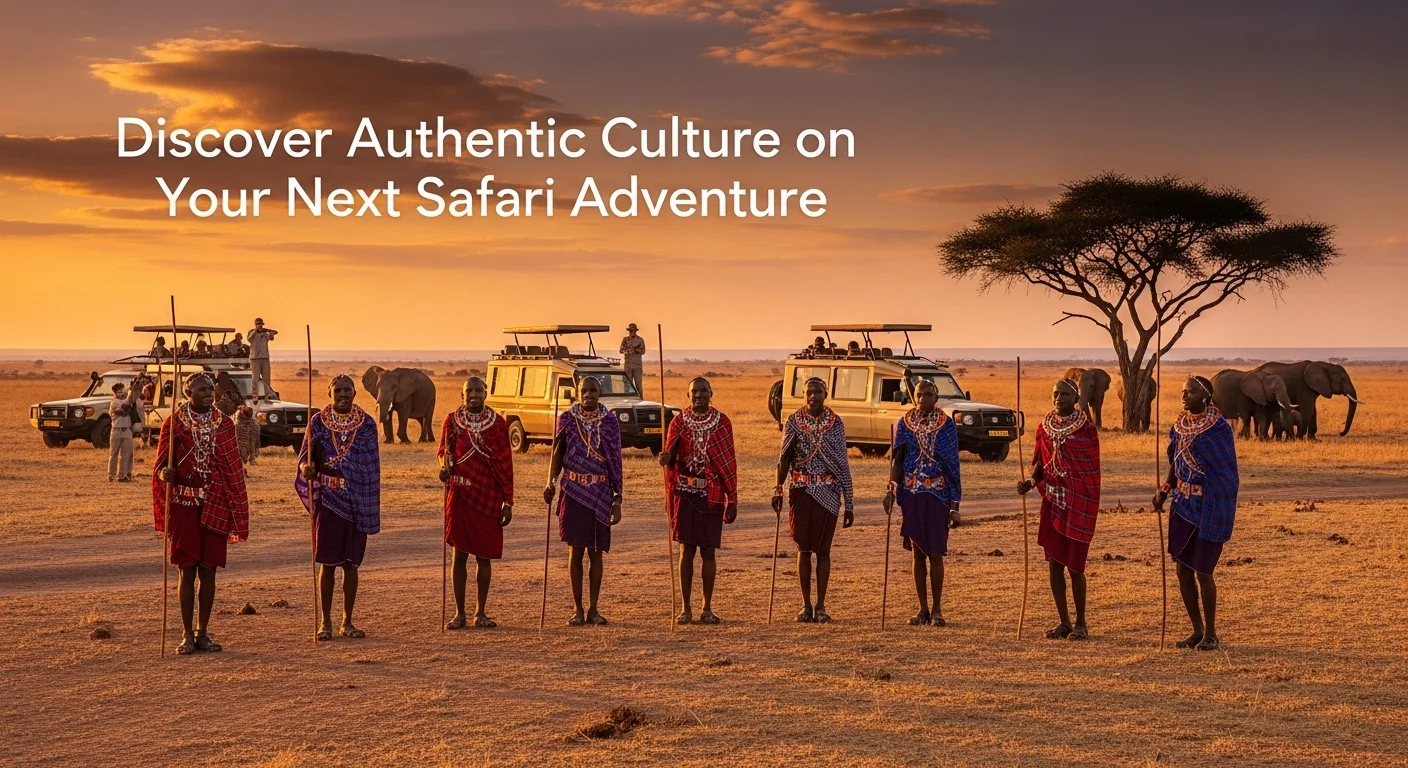
When I think of Kenya, the first place that comes to my mind is the Maasai Mara. This stunning destination is not just famous for its wildlife but also for its rich Maasai culture. I remember my visit to a Maasai village where I was welcomed with traditional songs and dances. The Maasai people are known for their striking attire, and seeing them in their vibrant shuka (cloaks) and adorned with intricate beadwork was mesmerizing. I learned about their customs, such as the significance of cattle in their society, and even tried my hand at traditional jumping dances. These interactions really made me appreciate the depth of their culture and the pride they take in their heritage.
Tanzania: Serengeti and the Maasai People
Just a short distance from the Maasai Mara lies Tanzania’s Serengeti, which is equally rich in wildlife and culture. While on safari here, I had the chance to visit a Maasai village where the community shared their daily lives with us. They offered insights into their traditional rituals, such as the importance of age-sets and how they affect social structure. Observing their way of life firsthand was a powerful reminder of the connection between culture and the land. I found myself captivated by their storytelling; each tale was filled with lessons about nature, respect, and survival, reminding me of how intertwined their lives are with the Serengeti’s rhythms.
South Africa: Kruger National Park and Zulu Culture
South Africa is another gem for cultural immersion, especially when visiting Kruger National Park. I was fortunate to partake in an experience that combined safari wildlife viewing with Zulu culture. After a thrilling day of spotting elephants and lions, I attended a cultural evening where Zulu dancers performed traditional songs and dances. The energy was infectious, and I felt connected to their history and struggles. Learning about their customs, such as traditional healing practices and the significance of their vibrant art, was enlightening. It made me reflect on the resilience of their culture and the importance of preserving it amidst modern challenges.
Namibia: Himba People and Unique Landscapes
Namibia is often celebrated for its breathtaking landscapes, but it’s also home to the Himba people, a community I was eager to learn about. Traveling to the remote areas of the country, I found a unique opportunity to engage with the Himba. Their distinct red ochre body paint and ornate jewelry caught my attention immediately. Visiting a Himba village offered me a glimpse into their nomadic lifestyle and traditions, which are deeply connected to the land and livestock. I remember sitting with the women as they shared stories about their customs, family structures, and the challenges they face in a changing world. This experience was a perfect blend of adventure and cultural discovery, leaving me with a newfound respect for their way of life.
Engaging with Local Communities
Visiting Traditional Villages
One of the highlights of any safari for me has been visiting traditional villages. These experiences allow us to step into the daily lives of local communities. I remember walking through the dusty paths of a village, greeted by curious children and warm smiles. The genuine hospitality I received made me feel like I was part of their family, even if just for a short while. Engaging in their daily activities, such as cooking meals or participating in their traditional crafts, helped me understand their values and lifestyle. I found that these visits are not just about observation; they require respect and openness. We must approach these communities with humility, ready to learn and listen.
Participating in Cultural Workshops
Cultural workshops are another fantastic way to connect with local traditions. I took part in a pottery workshop with a community of artisans in Tanzania, where I learned the intricate techniques they use to create beautiful, functional art. Working alongside them gave me an appreciation for their craftsmanship and the stories each piece tells. I felt a sense of pride as I crafted my own small pot, knowing that I was immersing myself in their culture. Workshops like these are not only about learning new skills; they’re also about fostering relationships and understanding the significance of these crafts in their daily lives.
Guided Tours with Local Experts
Having a local guide can transform your safari experience. On one of my trips, I was lucky enough to have a guide who was deeply rooted in his culture. He shared stories about his ancestors and the traditional practices of his people as we drove through the landscape. His insights brought the environment to life, making each sighting more meaningful. By choosing guided tours with local experts, we gain access to a wealth of knowledge that enriches our understanding of the land and its people. I learned that these guides often share their experiences and love for their culture, helping us to appreciate the intricacies of their traditions.
Wildlife and Cultural Experiences
Wildlife Conservation and Indigenous Practices
Wildlife conservation and cultural practices often go hand in hand. I’ve seen how indigenous communities play a vital role in protecting wildlife through their traditional knowledge. For example, in some areas of Kenya, local pastoralists have developed sustainable grazing practices that benefit both their cattle and the wildlife. This symbiotic relationship helps maintain the delicate balance of the ecosystem. I believe that by supporting these communities and their practices, we can contribute to effective conservation efforts while respecting their traditions.
Storytelling and Oral Traditions Related to Wildlife
Storytelling is a powerful way to transmit knowledge about wildlife and nature. During my travels, I encountered various tribes who shared fascinating tales that explained the behavior of animals and the importance of preserving their habitats. Listening to these stories around a fire, under the starry sky, felt magical. It was a reminder of how oral traditions can teach us not only about wildlife but also about the interconnectedness of all living beings. These narratives often highlight the community’s values and their relationship with the land, making them essential to understanding their culture.
Cultural Significance of Local Flora and Fauna
Throughout my journeys, I’ve learned that local flora and fauna often hold significant cultural meanings. In many communities, plants have medicinal properties or are used in rituals. I was fascinated by the way the indigenous people of the Amazon, for example, utilize various plants for healing and spiritual practices. Each species has a story, and learning about these connections has deepened my respect for the natural world. Recognizing the cultural significance of these plants can enhance our appreciation for the environment and the wisdom that comes from living in harmony with it.
Local Cuisine: A Culinary Safari
Traditional Dishes to Try
Food is such an integral part of any culture, and my safari experiences have taught me that tasting local dishes is like tasting the very essence of a place. I remember my first taste of ugali in Kenya, a simple yet delicious staple made from maize flour. This dish is often served with meat or vegetables, and it was delightful to learn how families gather around it, sharing stories and laughter. Another favorite of mine is biltong from South Africa—a dried meat snack that’s perfect for those long days of game viewing. Each bite was a reminder of the flavors and techniques passed down through generations. I’ve also enjoyed the spiced stews of Tanzania, where the use of local ingredients highlights the region’s bounty. I highly recommend seeking out these traditional meals; they offer not just nourishment but also a window into the heart of the culture.
Food Markets and Street Food Experiences
Exploring local food markets is one of my favorite activities when on safari. The vibrant colors, enticing aromas, and lively atmosphere create a sensory feast. I remember wandering through a market in Dar es Salaam, surrounded by stalls overflowing with fresh fruits, vegetables, and spices. I was drawn to a vendor selling samosas, which I eagerly tried. The crispy pastry with its spicy filling was an explosion of flavor that I will never forget. Street food is often where the locals eat, and it’s a fantastic way to sample authentic flavors while mingling with the community. I encourage you to be adventurous—try something new and engage with the vendors; their stories can be just as satisfying as the food itself.
Dining with Local Families
One of the most memorable dining experiences I’ve had was being invited into a local family’s home for dinner. The warmth and hospitality I received were heartwarming. I joined them in preparing the meal, chopping vegetables, and stirring pots, all while learning about their culinary traditions. Sharing a meal with them was a profound experience; it felt like a celebration of community and culture. The food was delicious, but it was the conversations, laughter, and stories exchanged over the dinner table that left a lasting impression on me. If you get the chance, I highly recommend seeking out opportunities to dine with local families. It’s a unique way to connect on a deeper level. For further insights into accommodations that support such experiences, check out affordable luxury safari stays that enhance your overall journey.
Responsible Travel and Cultural Sensitivity
Ethical Guidelines for Interacting with Local Cultures
As travelers, we carry the responsibility of ensuring that our presence is respectful and positive. I’ve learned that it’s essential to approach local cultures with an open heart and a willingness to learn. This means asking permission before taking photographs, particularly of people or sacred sites, and being mindful of local customs and traditions. I remember visiting a community where traditional dress held significant meaning. I was careful to ask about the appropriate attire and customs before joining in on their celebrations. Respect goes a long way in building relationships and fostering mutual understanding, and I believe that every interaction we have is an opportunity to create a positive impact.
Supporting Local Economies through Tourism
Tourism can be a powerful force for good when done responsibly. I’ve seen firsthand how supporting local businesses can uplift communities and promote cultural preservation. Whether it’s purchasing handmade crafts, dining at local eateries, or choosing to stay in family-run lodges, these choices contribute to the local economy. I remember buying a beautifully woven basket from a local artisan in Namibia. Not only did it make for a perfect souvenir, but it also provided income for her family. By being conscious of where we spend our money, we can help ensure that communities thrive and their cultures continue to flourish.
Environmental Conservation Efforts
In my travels, I’ve come to understand that cultural preservation goes hand in hand with environmental conservation. Many local communities depend on their natural surroundings for their way of life. I’ve had the privilege of witnessing conservation projects that involve local residents, blending traditional knowledge with modern practices. For instance, in some areas of Botswana, communities engage in eco-tourism projects that educate visitors while supporting wildlife conservation. These initiatives not only protect the environment but also empower communities to take an active role in preserving their heritage. I feel passionately about supporting such efforts, as they foster a sense of pride and ownership in preserving both culture and nature.
What to Pack for a Cultural Safari
Clothing Considerations for Cultural Sensitivity
Packing for a cultural safari requires a bit of thoughtfulness. I’ve learned that clothing can greatly influence how we are perceived in local communities. When visiting traditional villages or participating in cultural events, I recommend bringing modest clothing that respects local customs. I often opt for lightweight, breathable fabrics that are comfortable for warm weather but also cover my shoulders and knees. It’s also wise to research the cultural norms of the region you’re visiting, as some communities may have specific dress codes. Being culturally sensitive in our attire shows respect and willingness to engage genuinely.
Photography Tips for Capturing Cultural Moments
Photography is a powerful tool for storytelling, but it’s crucial to approach it with care. I always carry my camera, eager to capture the stunning landscapes and vibrant cultures I encounter. However, before snapping a photo of people, I always ask for permission. There’s something magical about capturing candid moments, but I’ve learned that ensuring comfort and respect is paramount. I also try to engage with my subjects, asking them about their stories and experiences. This not only enriches my understanding but often leads to more meaningful photos. I recommend taking time to appreciate the scene before reaching for your camera; the memories will be just as vivid in your mind as in your photographs.
Essential Gear for a Memorable Experience
Having the right gear can make all the difference in your safari experience. I find that a good pair of binoculars is essential for spotting wildlife, especially during game drives. A reusable water bottle is also a must; staying hydrated is crucial, especially in the heat. I always bring a journal to document my experiences, reflections, and the lessons I’ve learned along the way. These notes add depth to my travels and help me remember the stories I want to share. Finally, don’t forget a good pair of sturdy shoes for exploring local markets and villages. Being prepared ensures that we can fully embrace the adventure that awaits us.
Frequently Asked Questions
What is safari culture?
Safari culture encompasses the vibrant colors, rich traditions, and stories of the people and ethnic groups in Africa. It goes beyond wildlife viewing to include the customs and ways of life of local communities.
What historical changes have safaris undergone?
Originally, safaris were hunting expeditions for explorers and colonial powers in the 19th century. Today, they have evolved into wildlife conservation and eco-tourism adventures that emphasize ethical wildlife viewing and cultural engagement.
Why are cultural experiences important during a safari?
Cultural experiences add depth to a safari adventure, allowing travelers to connect with local people and immerse themselves in their traditions, which enhances appreciation for the land and its inhabitants.
When is the best time to go on a safari for wildlife viewing?
The dry season, from June to October, is typically the best time for wildlife viewing as animals congregate around waterholes. However, the wet season from November to May offers vibrant landscapes and excellent birdwatching opportunities.
What are some top destinations for cultural immersion during a safari?
Top destinations include Kenya’s Maasai Mara, Tanzania’s Serengeti, South Africa’s Kruger National Park, and Namibia, home to the Himba people, each offering unique cultural experiences alongside wildlife viewing.
How can travelers engage with local communities during a safari?
Travelers can engage with local communities by visiting traditional villages, participating in cultural workshops, and taking guided tours with local experts to learn about their customs and lifestyles.
What role do indigenous practices play in wildlife conservation?
Indigenous communities often play a vital role in wildlife conservation through traditional knowledge and sustainable practices, helping maintain ecological balance while preserving their cultural practices.
What traditional dishes should travelers try on safari?
Travelers should try traditional dishes such as ugali in Kenya, biltong in South Africa, and spiced stews in Tanzania, which reflect the local culture and culinary heritage.
What ethical guidelines should travelers follow when interacting with local cultures?
Travelers should approach local cultures with respect, asking permission before taking photographs and being mindful of local customs and traditions to foster mutual understanding.
What essential gear should one pack for a cultural safari?
Essential gear includes binoculars for wildlife spotting, a reusable water bottle for hydration, a journal for documenting experiences, and sturdy shoes for exploring local markets and villages.