
Exploring authentic Indigenous crafts can be a deeply enriching experience, connecting us to diverse cultures while staying mindful of our budgets. Let’s dive into the world of these crafts and discover how to appreciate them without overspending. Read Interesting article: Explore Indigenous Art: A Backpacker’s Guide to Culture
Understanding Indigenous Crafts
Definition of Indigenous Crafts
Indigenous crafts are handmade goods created by native peoples, reflecting their cultural heritage, traditions, and artistic expressions. Each piece tells a story and embodies the unique identity of the community that produced it. I’ve always found it fascinating how a simple object can carry the weight of history and culture. Whether it’s a woven basket or a carved figurine, these crafts serve as a tangible connection to the artisans’ ancestors and their way of life.
Importance of Indigenous Crafts in Culture
The significance of Indigenous crafts extends beyond aesthetics. They often play crucial roles in rituals, ceremonies, and daily life. I remember visiting a craft fair where an artisan explained how certain patterns in her textiles symbolize important cultural narratives. Learning about the meanings behind these crafts made me appreciate them so much more. For many Indigenous communities, crafts are not only a source of income but also a way to preserve their history and pass down traditions to future generations. Read Interesting article: A Guide to Indigenous Traditional Practices While Traveling
Types of Indigenous Crafts
When it comes to Indigenous crafts, the variety is astounding. I’ve seen everything from intricate beadwork and pottery to beautifully woven textiles and wood carvings. Some common types include:
- Textiles: These can range from blankets to clothing, often showcasing traditional weaving techniques and vibrant patterns.
- Pottery: Handcrafted pots and dishes, typically adorned with unique designs that reflect local traditions.
- Jewelry: Many Indigenous cultures create stunning jewelry using natural materials, like stones and metals, often featuring symbolic designs.
- Woodworking: Carvings and sculptures made from local woods, often depicting animals or figures important to the culture.
Each craft type offers a glimpse into the community’s values and lifestyle, making them more than just objects; they are pieces of living culture. I’ve found that exploring different types of crafts helps me understand the diverse ways Indigenous peoples express their identities.
Where to Find Authentic Indigenous Crafts
Local Markets and Artisans
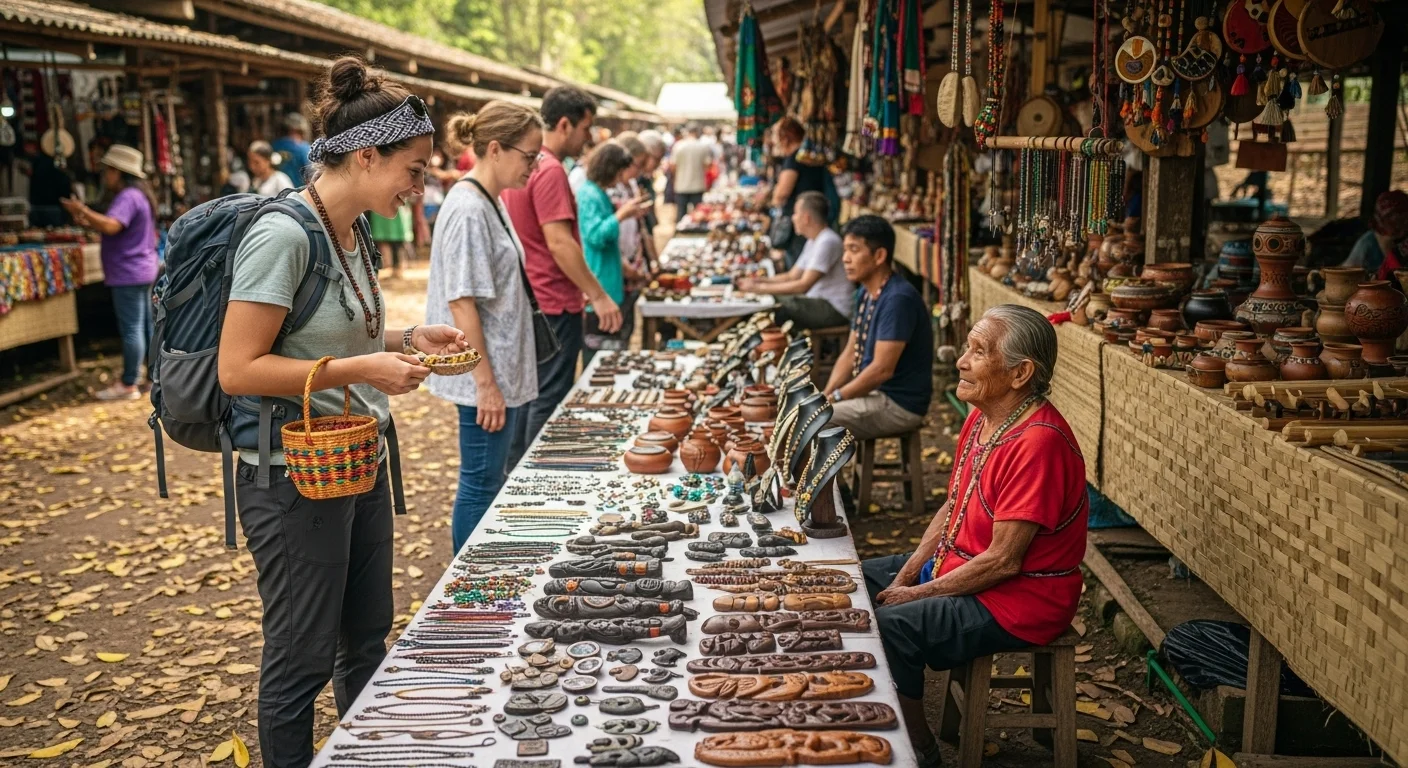
If you’re eager to find authentic Indigenous crafts, local markets are often the best place to start. I discovered this firsthand while visiting a small town known for its artisan community. Strolling through the market, I was captivated by the vibrant colors and unique designs. What stood out to me were the artisans themselves, eager to share their stories and the meanings behind their crafts. It felt like an intimate exchange, and I really appreciated that I was supporting their livelihoods directly.
Cultural Centers and Museums
Cultural centers and museums are another excellent resource for finding Indigenous crafts. They often feature exhibitions showcasing local artisans and may even have gift shops where you can purchase authentic pieces. I recall visiting a cultural center where I learned about the history of the crafts on display. It added so much value to my purchases, knowing I was taking home a piece of that culture’s legacy. Plus, many of these centers offer workshops, allowing you to create your own crafts, which is a fun way to immerse yourself in the art form.
Online Platforms for Indigenous Crafts
In this digital age, finding Indigenous crafts online has become easier than ever. I’ve turned to platforms that specialize in Indigenous-made goods, where I can shop from the comfort of my home. Websites like Etsy feature a range of artisans selling their crafts, and I often find unique items that I wouldn’t see in local stores. However, I always make sure to do my research to confirm the authenticity of the sellers and the products. Supporting Indigenous creators online not only broadens my options but also connects me with communities across the globe. Read Interesting article: Budget Backpacking: Discover Traditional Indigenous Practices
Budget-Friendly Tips for Craft Shopping
Setting a Budget for Craft Purchasing
When I first started exploring Indigenous crafts, I quickly realized how easy it is to get carried away. There are so many beautiful pieces that tug at my heartstrings! To keep my spending in check, I found it helpful to set a budget before I start shopping. I usually take some time to think about how much I’m willing to spend without feeling guilty later. This way, I can enjoy the process without the stress of overspending. I recommend making a list of what you’re looking for and allocating specific amounts for each item. This strategy has not only helped me stay within my means, but it also allows me to prioritize what’s most important to me.
Negotiating Prices with Artisans
One of the most memorable experiences I had while shopping for Indigenous crafts was learning the art of negotiation. In many cultures, bargaining is a traditional practice, and I found that artisans often expect some back-and-forth. I remember visiting a local market where I fell in love with a beautifully woven basket. The artisan and I engaged in a friendly conversation about her work, and I felt comfortable asking if she could lower the price a bit. To my surprise, she did! It felt like a win-win; I got a great deal, and she appreciated my genuine interest in her craft. Just be sure to approach negotiations respectfully, as artisans pour their hearts into their work, and their prices reflect that dedication.
Looking for Discounts and Sales
As a craft enthusiast, I’m always on the lookout for discounts and sales. I’ve learned that many artisans and shops have seasonal sales or special promotions during cultural events. For example, I remember visiting a craft fair during the summer, and several booths offered discounts on their items. It was a fantastic way to score beautiful pieces at a fraction of the price! I also recommend signing up for newsletters from your favorite artisans or shops. They often share exclusive deals and upcoming events, which can be a great way to save money while exploring new crafts. Keeping an eye on social media platforms can also lead to flash sales or limited-time offers that I wouldn’t want to miss.
Regions Known for Indigenous Crafts
North America: Native American Crafts
North America is rich in Indigenous cultures, each with its unique craft traditions. I’ve always been intrigued by Native American crafts, particularly the stunning beadwork and pottery. During a trip to the Southwest, I visited a Navajo community where I saw artisans creating intricate jewelry and textiles. The vibrant colors and patterns captured my attention, and I felt a deep connection to the stories behind each piece. It’s amazing how certain regions specialize in specific crafts, such as the Pueblo pottery known for its distinctive black and white designs. I encourage anyone interested in Indigenous crafts to explore these regional specialties; it’s like taking a mini-tour of history through art!
South America: Andean Textiles and Pottery
Traveling to South America opened my eyes to the rich tapestry of Andean crafts. I remember visiting Peru and being mesmerized by the vibrant textiles woven by local artisans. The intricate patterns often tell stories of the Andes, and each piece can take days or even weeks to complete. Pottery is another significant craft in the region, with communities like the Quechua and Aymara creating beautiful ceramics that reflect their cultural heritage. I found that purchasing these crafts not only supports local artisans but also helps me bring a piece of their culture home. It’s heartwarming to know that when I wear a handmade textile, I’m honoring the traditions and skills of those who created it.
Australia: Aboriginal Art and Crafts
Australia’s Indigenous crafts are equally fascinating, particularly Aboriginal art, which is renowned for its unique styles and deep cultural significance. I once attended an art exhibition in Melbourne showcasing contemporary Aboriginal artists, and I was struck by the way traditional techniques blend with modern expressions. From dot painting to bark art, each piece tells a story of connection to land, culture, and identity. When I picked up a small piece of Aboriginal art, I felt a sense of responsibility to respect and share its meaning. Supporting Aboriginal artists not only allows me to own a beautiful work of art but also contributes to the ongoing preservation of their culture.
Asia: Indigenous Handicrafts
Asia is home to various Indigenous communities, each with its own craft traditions. I’ve had the pleasure of exploring some of these artistic expressions, such as the stunning textiles of the indigenous hill tribes in Thailand. The craftsmanship and vibrant colors are breathtaking. Additionally, I’ve seen beautiful pottery and woodwork from Indigenous artisans in Indonesia, showcasing their deep connection to nature. Each purchase I made felt like a step toward honoring their stories and supporting their communities. I believe that learning about these crafts can foster a greater appreciation for the diversity of cultures around the world.
Understanding the Crafting Process
Materials Used in Indigenous Crafts
One of the things that intrigues me the most about Indigenous crafts is the variety of materials that artisans use. I’ve seen everything from natural fibers and locally sourced clay to stones, wood, and even recycled materials. Each material has its own story, deeply rooted in the environment and traditions of the community. For instance, I remember visiting a market where a potter demonstrated how she uses clay from a nearby riverbank, which gives her pottery a unique texture and color. It’s fascinating how these materials are often chosen not just for aesthetics but also for their significance within the culture. Knowing that a piece of jewelry is made from a stone sacred to a particular community adds so much depth to its beauty.
Traditional Techniques and Methods
Learning about the techniques used in Indigenous crafts has been incredibly eye-opening for me. I’ve had the privilege of watching artisans at work, and it’s clear that these methods have been passed down through generations. For example, when I visited a weaving workshop, I saw firsthand how intricate patterns are created using traditional looms. The artisan shared that each pattern has a specific meaning, often reflecting stories from their culture. I was in awe of the patience and skill involved in crafting each piece. In my experience, understanding these traditional methods gives me a newfound appreciation for the time and effort that goes into every item. It’s not just about the final product; it’s about the journey of creation that connects us to the past.
Ethical Considerations in Purchasing Crafts
As I’ve explored more about Indigenous crafts, I’ve recognized the importance of ethical purchasing. It’s crucial to ensure that we support artisans fairly and respect their cultural heritage. I’ve learned to ask questions about where items come from and how they’re made. When I purchased a piece of pottery from a local artisan, I made sure to engage with her about her craft and the materials she used. This not only enriched my understanding but also reinforced that my purchase directly benefited her community. I believe we all have a responsibility to be mindful consumers, seeking out crafts that are made with authenticity and respect for cultural traditions. It feels good knowing that my purchases contribute positively to the artisans’ lives.
Experiences to Enhance Craft Shopping
Workshops with Local Artisans
Participating in workshops with local artisans has been one of my favorite ways to deepen my connection to Indigenous crafts. I remember signing up for a pottery class led by a skilled artisan in a small community. Not only did I learn the basics of shaping clay, but I also heard stories about her family’s pottery tradition. I felt a sense of pride when I completed my first bowl, knowing that I was engaging in a practice that has historical significance. Workshops offer a hands-on experience that brings the craft to life, allowing us to appreciate the skills and dedication that go into each piece. I highly recommend seeking out these opportunities; they can transform the way you view and value Indigenous crafts.
Cultural Events and Festivals
I’ve found that attending cultural events and festivals is an exciting way to immerse myself in the world of Indigenous crafts. These gatherings showcase a wide variety of artisans and their work, often featuring demonstrations, performances, and storytelling. I remember visiting a cultural festival where I watched a traditional dance performance, followed by artisans displaying their crafts. It was a vibrant atmosphere filled with creativity and cultural pride. I walked away with not only beautiful pieces but also a deeper understanding of the culture behind them. These events are more than just markets; they’re celebrations of heritage and community, and they create lasting memories.
Guided Tours of Craft Production Sites
Exploring craft production sites with a guide has been an enriching experience for me. I once joined a tour of an Indigenous community known for its weaving traditions. As we walked through the workshop, the guide explained the entire process, from sourcing materials to the final product. Seeing artisans at work, surrounded by their tools and creations, helped me appreciate the craftsmanship involved. I learned about the challenges they face and the values they uphold in their work. This kind of immersive experience not only enhances my understanding of the craft but also fosters a personal connection to the artisans and their stories. I truly believe that guided tours can transform our shopping experiences into meaningful journeys.
How to Care for Indigenous Crafts
Cleaning and Maintenance Tips
Once I bring home an Indigenous craft, I want to ensure it lasts for years to come. I’ve learned that different materials require different care. For example, I have a beautiful woven basket that I keep for decorative purposes, and I discovered that it’s best to avoid exposure to moisture. Regular dusting keeps it looking fresh, but I also learned to avoid harsh cleaning products that could damage the fibers. When it comes to pottery, I make sure to wash it gently with mild soap and avoid sudden temperature changes. Taking the time to care for these pieces not only preserves their beauty but also honors the artisans who created them.
Preservation Techniques for Long-Term Care
To ensure the longevity of my Indigenous crafts, I’ve explored some preservation techniques. For textiles, I learned that storing them in a cool, dry place away from direct sunlight helps prevent fading. I also use acid-free tissue paper to wrap delicate items, which protects them from dust and moisture. For wooden crafts, applying natural oils occasionally can enhance their appearance and protect the wood. I’ve found that being proactive about preservation not only extends the life of my crafts but also allows me to enjoy them fully, knowing I’m taking steps to maintain their integrity.
Supporting Indigenous Communities Through Crafts
Impact of Purchasing on Local Economies
When I make a purchase from Indigenous artisans, I feel a sense of connection to their community and its economy. I’ve learned that buying crafts can have a significant impact, providing artisans with income to support their families and local initiatives. For instance, during my travels, I witnessed how craft sales helped fund educational programs for children in the community. I believe that every time I choose to buy handmade crafts, I’m contributing to a larger effort to sustain these rich cultures. It’s a powerful reminder that our choices in what we buy can resonate far beyond our own lives.
Promoting Cultural Heritage through Crafts
I feel a profound sense of responsibility to promote and respect cultural heritage when purchasing Indigenous crafts. Each piece I buy represents a story, a tradition, and a way of life. By sharing these crafts with friends and family, I’m not just showcasing beautiful items but also spreading awareness about the rich histories behind them. I often find myself sharing the stories of the artisans and the meaning of their work, which can inspire others to appreciate and support Indigenous crafts. It’s heartwarming to see how a simple object can spark conversations about culture, identity, and tradition.
Resources for Further Learning and Support
To further support Indigenous communities, I’ve discovered several resources that promote awareness and education about Indigenous crafts. Websites dedicated to Indigenous artisans often provide insights into their work, as well as links to support their endeavors. I also recommend books and documentaries that explore Indigenous cultures and their craft traditions. Engaging with these resources has deepened my understanding and appreciation of the crafts I love. I believe that the more we learn, the better equipped we are to support and uplift Indigenous artisans and their communities.
Frequently Asked Questions
What are Indigenous crafts?
Indigenous crafts are handmade goods created by native peoples, reflecting their cultural heritage, traditions, and artistic expressions. Each piece tells a story and embodies the unique identity of the community that produced it.
Why are Indigenous crafts important in culture?
The significance of Indigenous crafts extends beyond aesthetics; they often play crucial roles in rituals, ceremonies, and daily life, helping preserve history and pass down traditions to future generations.
What types of Indigenous crafts are commonly found?
Common types of Indigenous crafts include textiles (like blankets and clothing), pottery (handcrafted pots and dishes), jewelry (using natural materials), and woodworking (carvings and sculptures).
Where can I find authentic Indigenous crafts?
Authentic Indigenous crafts can be found at local markets and artisan fairs, cultural centers and museums, and online platforms that specialize in Indigenous-made goods, such as Etsy.
How can I shop for Indigenous crafts on a budget?
To shop on a budget, set a spending limit before shopping, negotiate prices respectfully with artisans, and look out for discounts and sales during cultural events or seasonal promotions.
What should I consider regarding ethical purchasing of Indigenous crafts?
When purchasing Indigenous crafts, it’s crucial to ensure that artisans are supported fairly and that their cultural heritage is respected. Engaging with artisans about their work can enrich your understanding and support their communities.
What experiences can enhance my understanding of Indigenous crafts?
Participating in workshops with local artisans, attending cultural events and festivals, and taking guided tours of craft production sites can deepen your connection and appreciation for Indigenous crafts.
How should I care for Indigenous crafts once I bring them home?
Care for Indigenous crafts varies by material; for instance, woven baskets should be kept dry and dusted regularly, while pottery should be washed gently with mild soap. Knowing the right care techniques helps preserve their beauty and integrity.
How do purchases of Indigenous crafts impact local communities?
Purchasing Indigenous crafts provides artisans with income, helping to support their families and local initiatives, which can positively impact the community’s economy and cultural preservation efforts.
What resources are available for further learning about Indigenous crafts?
Resources for further learning include websites dedicated to Indigenous artisans, books, and documentaries that explore Indigenous cultures and their craft traditions, which can deepen your understanding and appreciation of these crafts.