
Mountain biking is an exhilarating way to explore the great outdoors while getting your adrenaline fix. Fortunately, you don’t have to spend a fortune to discover epic trails that cater to all skill levels. Explore the Best Mountain Biking Trails on a Budget for tips and insights.
Understanding Mountain Biking: A Beginner’s Guide
What is Mountain Biking?
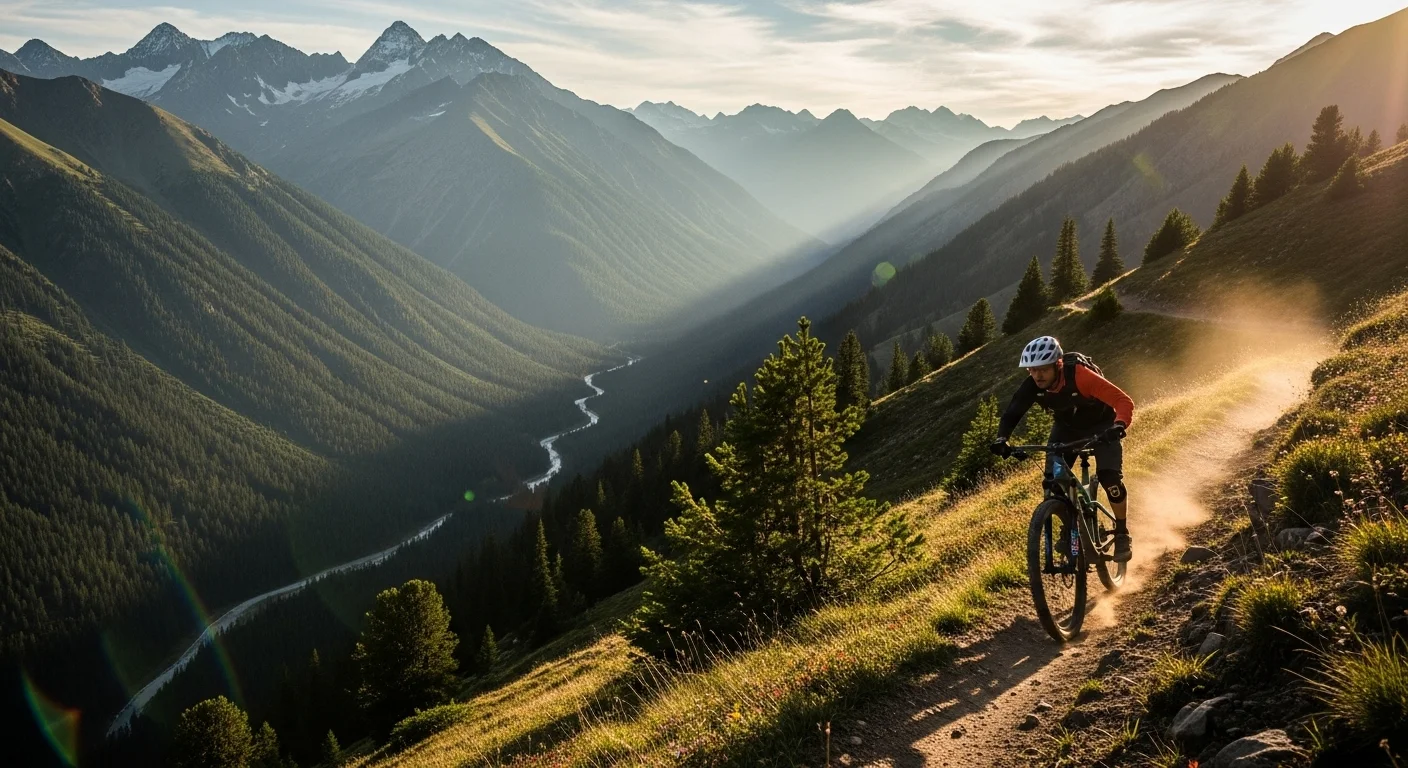
Mountain biking, at its core, is an adventurous sport that takes you off the beaten path and onto rugged trails. I remember the first time I hopped on my mountain bike; it felt like I was entering a different world. The thrill of navigating through trees, rocks, and steep descents was unlike anything I’d ever experienced before. It’s not just about the adrenaline rush; it’s about connecting with nature, pushing your limits, and enjoying the journey. There are countless trails out there waiting for you, whether you’re a newbie or a seasoned pro.
Types of Mountain Biking Trails
When you’re looking to hit the trails, it’s helpful to know the various types available. I’ve found that understanding the differences can enhance your biking experience. Here are the main types of mountain biking trails:
- Cross-Country (XC): These trails are generally longer and emphasize endurance. They can include a mix of terrains, and they’re great for those who enjoy a good workout while soaking in the scenery.
- Trail Riding: This is where I’ve spent most of my time. Trail riding combines elements of XC and downhill, featuring varied terrain. It’s perfect for riders wanting a balance of challenge and fun.
- Freeride: For those who love tricks and jumps, freeride trails are where you’ll want to be. They often include man-made obstacles and require a bit more skill.
- Downhill: These trails focus on descending steep hills at high speeds. They’re exhilarating but can be quite challenging, so I’d recommend some experience before tackling them.
- All-Mountain: This style combines elements from all types and is perfect for those who want to explore a range of terrains in one ride.
Essential Gear for Mountain Biking
I can’t stress enough how important it is to have the right gear when you’re out on the trails. The right equipment not only enhances your experience but also keeps you safe. Here’s a list of essentials I always make sure to pack before heading out:
- Helmet: This is non-negotiable. I’ve seen too many accidents where a good helmet made all the difference.
- Gloves: They provide grip and protect your hands from blisters. Plus, they keep your hands warm during chilly rides.
- Mountain Bike: Choose a bike that fits your riding style. Whether you go for a hardtail or a full-suspension bike, make sure it’s comfortable for you.
- Hydration Pack: Staying hydrated is crucial. I love using a hydration pack because it’s easy to sip from while I ride.
- Repair Kit: A basic kit with tire levers, a spare tube, and a multi-tool can save your ride. I learned this the hard way after a flat tire left me stranded once!
- Appropriate Clothing: Dress in layers and wear moisture-wicking fabric. It’s all about comfort out there!
Getting started with mountain biking doesn’t have to be overwhelming or expensive. I’ve learned that with the right knowledge and preparation, we can have amazing adventures without breaking the bank. In the next section, we’ll dive into some top affordable mountain biking destinations that I’ve personally enjoyed. You might be surprised at how many incredible places are waiting for you to explore!
Top Affordable Mountain Biking Destinations
National Parks with Free or Low-Cost Access
One of my favorite ways to experience the beauty of mountain biking is by hitting the trails in our national parks. Many of these parks offer free or low-cost access, which makes them perfect for budget-conscious bikers like us. For instance, I had an unforgettable experience at Moab’s Arches National Park, where the trails were both challenging and breathtaking. The park’s stunning rock formations and vast landscapes provided the perfect backdrop while I navigated my way through the rugged terrain.
Another gem I discovered is Pisgah National Forest in North Carolina. With over 100 miles of trails, it caters to all skill levels. The entrance fee is minimal, and once you’re in, the adventure is endless. I felt completely immersed in the wilderness, surrounded by towering trees and sparkling streams. Plus, the sense of community among fellow bikers there is always uplifting. Top 10 Budget Mountain Biking Trails for Thrill Seekers offers more insights into great trails.
State Parks Offering Budget-Friendly Trails
State parks are another fantastic option for affordable mountain biking. I recently visited the Black Hills of South Dakota, where I found Custer State Park. The trails here are well-maintained and often less crowded than national parks, allowing for a more intimate experience with nature. The park’s diverse landscapes kept me engaged, and I even spotted wildlife during my ride!
In California, I highly recommend checking out the trails at Henry Cowell Redwoods State Park. Riding through the majestic redwoods is an experience like no other. The fee to enter is reasonable, and the trails are accessible for all levels. I remember feeling like I was in another world as I pedaled through those towering trees.
Local Mountain Biking Clubs and Community Trails
Don’t overlook the power of local mountain biking clubs! I joined a club in my area, and it opened up a whole new world of trails I never knew existed. Local clubs often organize group rides, which are a great way to meet fellow bikers and explore new paths. Many of these clubs maintain their own trails, which can be free or have a low membership fee. Not only do you get access to fantastic trails, but you also gain valuable insights from experienced riders.
In my experience, finding community trails has been a game changer. We’ve discovered lesser-known trails that offer breathtaking views and unique challenges. Plus, we often rode with a group, which made the experience even more enjoyable. I recommend checking out websites or social media pages of local biking clubs; you’ll be surprised by how many hidden gems are out there!
Read Interesting article: Budget-Friendly Mountain Biking Trails You Must Try!
How to Find Budget-Friendly Trails
Online Resources and Apps for Trail Discovery
Thanks to technology, finding budget-friendly trails has never been easier. I rely on several apps that have become my go-to resources for discovering new biking trails. One of my favorites is Trailforks. It has a comprehensive database of trails, including user-generated reviews and photos. It’s a fantastic way to scope out what to expect before I hit the road.
Another app I’ve found useful is MTB Project. It provides detailed maps, trail descriptions, and even tips from local bikers. I often check these resources to plan my trips, ensuring I’m not only choosing trails that suit my skill level but also finding out about any potential costs involved.
Trail Reviews and User Recommendations
Reading trail reviews can be incredibly helpful. I always check websites like AllTrails, where I can read about other bikers’ experiences. Often, they’ll mention details like parking fees, trail conditions, and nearby amenities, which can help with planning. I remember one time, I almost chose a trail that had a steep entry fee, but a review pointed out a nearby trail with fewer crowds and zero fees. It saved me some cash while giving me a great ride!
Social Media and Mountain Biking Forums
Social media can also be a treasure trove of information. I’ve joined various mountain biking groups on platforms like Facebook and Reddit, where members share their favorite trails and tips. These communities are fantastic for connecting with fellow riders and picking up insider knowledge about hidden trails or upcoming events. I love sharing my experiences and hearing about others’ adventures. It creates a sense of camaraderie that I cherish.
In one of these forums, I found a thread discussing local trails that were both budget-friendly and breathtaking. It led me to a trail that quickly became one of my favorites! I also appreciate how members often share photos that help me visualize what I can expect, making it easier to plan my next ride.
Planning Your Mountain Biking Trip
Best Times to Visit for Cost-Effective Adventures
When planning a mountain biking trip, timing can make a huge difference in your overall costs. I’ve learned that visiting during the shoulder seasons—spring and fall—can save you money while still offering stunning scenery and enjoyable riding conditions. For example, I remember hitting the trails in the fall when the leaves were changing colors. The vibrant scenery was breathtaking, and because it wasn’t peak season, I found fewer crowds and more affordable lodging options.
Summer is a popular time for mountain biking, but it can come with higher prices for accommodations and more crowded trails. If you can, try to plan your trips during weekdays instead of weekends. I often find that this not only gives me a better experience but also leads to lower rates at local hotels or campsites.
Budget Accommodation Options Near Trails
Finding a place to stay that doesn’t break the bank is crucial for any biking adventure. I’ve had great success with a few strategies when it comes to budget accommodations. One of my favorites is camping. Many state and national parks have campgrounds that are affordable, and there’s something special about falling asleep under the stars after a long day of riding. Plus, waking up to the sounds of nature is unbeatable!
If camping isn’t your style, I recommend looking into hostels or budget motels. I’ve stayed in hostels before where I’ve met other bikers and exchanged tips on local trails. Websites like Airbnb can also be goldmines for finding budget-friendly accommodations. I found a cozy little cabin near a trailhead once that was perfect for my needs and allowed me to cook my meals, which saved money on dining out.
Cost-Effective Transportation to Trailheads
Getting to your chosen trails shouldn’t be an obstacle when planning your trip. I always look for ways to save on transportation costs, and carpooling has been a game changer for me. I started a riding group with a few friends, and we take turns driving to different trailheads. Not only does this split gas costs, but it also makes the trip more enjoyable as we share stories and excitement on the way there.
If you’re traveling solo or don’t have a group, consider using public transport if it’s available. Some areas have shuttle services specifically for mountain bikers. I’ve found this to be a convenient and economical option in certain locations, allowing me to focus on the ride ahead without worrying about parking or navigating unfamiliar roads.
Tips for Saving Money While Mountain Biking
DIY Maintenance and Repairs for Your Bike
One of the best ways to keep costs down is by taking care of your bike yourself. I remember when I first started mountain biking; I took my bike to a shop for every little issue. But after a while, I decided to learn how to do basic maintenance myself. I watched videos and read articles, and I quickly got the hang of it. It’s empowering to know how to change a tire, adjust the brakes, or clean the chain. Plus, it saves a lot of money in the long run!
I keep a basic toolkit at home, and I always bring a mini repair kit on rides. It’s amazing what you can do with just a few tools. I’ve even helped fellow riders out on the trails with minor repairs, which turned into great bonding moments and shared experiences.
Using Second-Hand Gear and Equipment
For those just starting or looking to upgrade, second-hand gear can be a fantastic way to save money. I’ve scored some great deals on bikes and accessories through local classifieds and online marketplaces. Before I bought my current bike, I researched and patiently waited for the perfect deal. I found a barely-used mountain bike at a fraction of the original price, and it’s been my trusty companion ever since.
Don’t be afraid to check out thrift stores or bike swaps in your area. I’ve discovered that many biking communities have events where people trade or sell gear. It’s a win-win situation—you get quality equipment at low prices, and you often meet fellow biking enthusiasts along the way!
Group Rides and Carpooling to Reduce Costs
Joining group rides has been one of the most enjoyable aspects of my mountain biking journey. Not only do I get to ride with others who share my passion, but it’s also a great way to save on costs. Many local biking clubs organize group rides that are either free or have a minimal fee. I joined a club last year, and it opened doors to new trails and friendships.
Carpooling is an excellent extension of this. When I ride with friends or club members, we often share the cost of gas and parking. It makes our trips more affordable and adds a layer of camaraderie to our adventures. Plus, there’s something special about sharing the thrill of riding new trails with friends, laughing together over shared experiences.
Safety Considerations on a Budget
Essential Safety Gear and First Aid Kits
When it comes to mountain biking, safety should always be a top priority, especially if you’re trying to keep costs down. I remember the first time I rode without a proper first aid kit—I ended up with a minor scrape and wished I had something on hand. Now, I never hit the trails without one. A basic first aid kit doesn’t have to be expensive; you can assemble your own with items like band-aids, antiseptic wipes, and gauze. I also recommend including a few pain relievers and blister treatments. Keeping it lightweight and easy to carry is key, so I usually pack mine in my hydration pack.
Along with a first aid kit, I always wear essential safety gear. Besides a helmet, I believe knee and elbow pads are crucial, especially for beginners who may fall more often. They can be a bit of an investment, but I’ve found that they significantly reduce the risk of injury. Over time, the money saved on doctor visits and equipment repair far outweighs the initial costs.
Understanding Trail Etiquette
Being respectful on the trails not only enhances your experience but also fosters a friendly environment for all bikers. I’ve encountered a few situations where people weren’t following trail etiquette, and it really disrupted the ride. Some basic rules I follow include yielding to hikers and staying on designated paths. I’ve learned that communicating with others on the trail, whether it’s offering a friendly “hello” or letting someone know you’re passing, goes a long way in creating a positive atmosphere.
It’s also important to be aware of trail conditions. After a rain, I avoid riding on muddy trails to prevent damage. Respecting nature and the trail systems helps ensure they remain enjoyable for everyone. Plus, when we all do our part, it brings a sense of community among riders.
What to Do in Case of an Emergency
No one wants to think about emergencies while out on the trails, but it’s vital to be prepared. I’ve taken a few spills that left me shaken up, but knowing what to do helped me stay calm. First, I always carry a fully charged phone in case I need to call for help. It’s also smart to let someone know where you’re going and when you expect to return, especially if you’re venturing into more remote areas.
If you find yourself injured, it’s essential to assess the situation before trying to get back on your bike. If you can move, I recommend walking your bike back to the nearest trailhead. If you’re unable to do so, stay put and signal for help. I’ve learned that carrying a small whistle can be a lifesaver—literally! It’s lightweight and can be heard from a distance, making it an invaluable tool if you find yourself in trouble.
Final Thoughts
Mountain biking on a budget is not only possible but can also be incredibly rewarding. I’ve discovered that with a little creativity and planning, we can experience thrilling rides and breathtaking views without overspending. From scouting out affordable trails to embracing community resources, there’s a world of adventure waiting for us. My favorite moments have come from riding with friends, exploring new trails, and simply enjoying the beauty of nature. So, grab your gear, hit the trails, and let the journey unfold without breaking the bank!
Frequently Asked Questions
What is mountain biking?
Mountain biking is an adventurous sport that takes you off the beaten path and onto rugged trails, allowing you to connect with nature, push your limits, and enjoy the journey.
What are the main types of mountain biking trails?
The main types of mountain biking trails include Cross-Country (XC), Trail Riding, Freeride, Downhill, and All-Mountain, each offering different challenges and experiences.
What essential gear is needed for mountain biking?
Essential gear for mountain biking includes a helmet, gloves, a mountain bike, a hydration pack, a repair kit, and appropriate clothing.
What are some affordable mountain biking destinations?
Affordable mountain biking destinations include national parks like Arches National Park and Pisgah National Forest, as well as state parks like Custer State Park and Henry Cowell Redwoods State Park.
How can I find budget-friendly mountain biking trails?
You can find budget-friendly trails by using online resources and apps like Trailforks and MTB Project, reading trail reviews on websites like AllTrails, and engaging in social media groups dedicated to mountain biking.
When is the best time to visit for cost-effective mountain biking adventures?
The best times to visit for cost-effective mountain biking adventures are during the shoulder seasons of spring and fall, when you can enjoy beautiful scenery and avoid peak season crowds.
What are some budget accommodation options near biking trails?
Budget accommodation options include camping at state and national parks, staying in hostels or budget motels, and looking for affordable rentals on platforms like Airbnb.
What are some tips for saving money while mountain biking?
Tips for saving money while mountain biking include performing DIY maintenance on your bike, using second-hand gear, joining group rides, and carpooling to reduce costs.
What safety gear should I have while mountain biking?
Essential safety gear includes a helmet, knee and elbow pads, and a basic first aid kit that can be assembled with items like band-aids and antiseptic wipes.
What should I do in case of an emergency while mountain biking?
In case of an emergency, carry a fully charged phone to call for help, inform someone about your plans, assess your injury, and signal for assistance if needed.