
If you’ve ever dreamed of cooking with fresh, local ingredients but thought it was too expensive, think again! Farm-to-table cooking classes can be accessible and budget-friendly, allowing you to create delicious meals while supporting local farmers. Read Interesting article: Affordable Culinary Tours: Master Cooking Abroad on a Budget
Understanding Farm-to-Table Cooking
What is Farm-to-Table Cooking?
Farm-to-table cooking is more than just a trend; it’s a philosophy that emphasizes the use of fresh, local ingredients in our meals. I remember the first time I really understood this concept. I was at a local farmer’s market, and I saw how vibrant and full of flavor the produce was. It wasn’t just about eating; it was about connecting with the land and the people who grow our food. The idea is to shorten the distance between farm and plate, ensuring that the ingredients are as fresh as possible. This means you’re not only getting better taste but also supporting local economies and reducing your carbon footprint.
Benefits of Farm-to-Table Cooking
There are numerous benefits to adopting a farm-to-table approach in your cooking. For starters, I’ve found that meals made with fresh ingredients simply taste better. When I cook with vegetables that were picked just hours before, they retain more nutrients and flavor. Beyond that, cooking this way encourages a healthy lifestyle. You’re more likely to incorporate a variety of seasonal fruits and vegetables into your diet, which is something we should all strive for.
Moreover, there’s a strong sense of community. When I take part in farm-to-table cooking classes, I meet like-minded individuals who share a passion for sustainable eating. It’s a great way to learn, bond, and understand where our food comes from. Plus, you gain knowledge about seasonal cooking, which allows you to make the most of what’s available throughout the year. Read Interesting article: Savor the Experience: Top Luxury Cooking Classes to Try
Key Ingredients in Farm-to-Table Meals
When it comes to cooking farm-to-table meals, the ingredients can vary greatly depending on the season and your location. I’ve learned that staples often include fresh vegetables, herbs, and grains sourced from local farms. For instance, during summer, I love using tomatoes, zucchini, and basil, while fall brings in pumpkins and root vegetables. I also try to incorporate proteins from local farms, such as grass-fed beef or free-range chicken. Not only do these ingredients taste fantastic, but they also provide me with peace of mind knowing they were raised sustainably.
One key aspect I appreciate about farm-to-table cooking is how it encourages creativity. Since the menu changes with the seasons, I find myself exploring new recipes and cooking techniques, which keeps my culinary adventures exciting. I often find myself experimenting with vegetables I’ve never cooked with before, and it’s become a fun challenge to see how I can combine flavors and textures to create something unique.
Finding Affordable Cooking Classes
Types of Cooking Classes Available
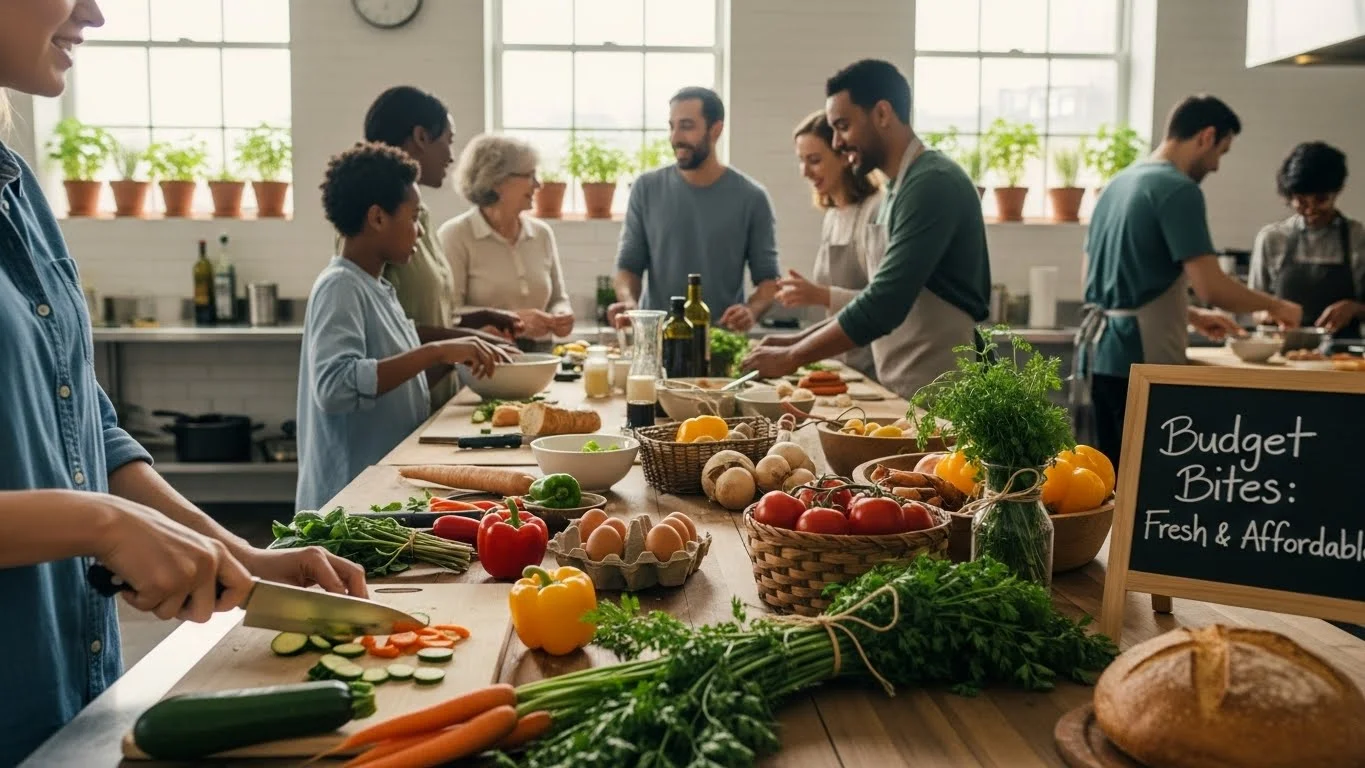
When it comes to cooking classes, especially those focused on farm-to-table techniques, the options can be overwhelming. From hands-on workshops to demonstration-style classes, there’s a little something for everyone. Personally, I find hands-on classes the most rewarding. They allow me to engage with the ingredients directly and practice what I learn in real-time. I’ve taken classes where we harvest herbs right from the garden before cooking, which makes the experience all the more special.
Another type of class I’ve enjoyed is themed workshops that focus on specific cuisines or dietary preferences. For instance, I once attended a class dedicated to farm-to-table vegetarian cooking, where we created delicious meals using only produce from local farms. It was fun to see how diverse recipes can be, even when limited to seasonal ingredients. Read Interesting article: Elevate Your Travel: Discover Luxury Cooking Classes Abroad
Where to Look for Budget-Friendly Options
Finding budget-friendly cooking classes can feel like searching for a needle in a haystack, but I’ve discovered plenty of resources that make it easier. Start by checking local community centers or organizations that often offer workshops at a lower cost. I’ve attended classes at my community center where the instructors are passionate local chefs, and the prices were surprisingly affordable.
Another avenue is to look for classes offered by farms and co-ops. They frequently host workshops to educate the public about sustainable cooking and local produce. You might even discover classes that emphasize the farm-to-table approach, all while keeping it within your budget. I’ve found that joining local food co-ops or community-supported agriculture (CSA) programs can also lead to discounted classes, not to mention fresh produce!
Online vs. In-Person Classes
With the rise of online learning, I’ve found that we now have even more options when it comes to cooking classes. Online platforms offer a variety of courses, often at a fraction of the cost of in-person classes. I’ve taken several virtual cooking classes that focused on farm-to-table principles, and although the experience is different, I still learned so much. I appreciated being able to pause the video and try things at my own pace, something that isn’t always possible in a live class.
On the flip side, in-person classes provide a unique experience. The interaction with instructors and fellow participants is something I value deeply. There’s something magical about being in a kitchen with others, sharing tips, and enjoying the fruits of our labor together. I think the best approach is to mix both online and in-person classes based on what fits my schedule and budget at the time.
Popular Farm-to-Table Cooking Techniques
Seasonal Cooking
Seasonal cooking has truly transformed how I approach my meals. There’s something invigorating about aligning my cooking with the rhythms of nature. I remember experimenting with seasonal ingredients for the first time; I was amazed at how much fresher and more vibrant the flavors were. It’s like the food is singing in harmony with the season! For instance, summer is a treasure trove of berries and stone fruits, while fall brings the warmth of squash and root vegetables. I find that planning meals around what’s in season not only enhances the taste but also makes grocery shopping feel like a fun adventure. Every time I visit the market, it feels like I’m discovering new ingredients that inspire my next meal.
Utilizing Local Ingredients
There’s a profound satisfaction that comes from knowing where my food originates. Using local ingredients has become a cornerstone of my cooking philosophy. When I choose to source my ingredients from nearby farms, it’s a win-win situation: I’m helping the local economy while also getting some of the freshest produce available. One memorable experience was visiting a local farm to pick my own vegetables. I was surprised by how much more flavorful the vegetables were right from the source, and I loved the connection I felt to the land. This practice also makes me more mindful of what I cook. I find myself considering how to highlight the natural flavors of these ingredients without overpowering them.
Preserving and Canning
One of the most rewarding skills I’ve picked up is preserving and canning. I’ll never forget the first time I canned my own tomatoes. The process was a bit daunting at first, but that feeling of accomplishment when I saw the jars lined up on my kitchen shelf was indescribable. It’s such a great way to extend the life of seasonal produce. I often find myself experimenting with different recipes, from pickling cucumbers to making jams from fresh fruit. Not only does preserving allow me to enjoy the taste of summer in the depths of winter, but it also saves me money in the long run. Plus, gifting homemade preserves to friends has become one of my favorite ways to share the joy of farm-to-table cooking.
Top Budget-Friendly Farm-to-Table Cooking Class Providers
Local Community Centers and Farms
Local community centers and farms are fantastic resources for finding budget-friendly cooking classes. I’ve participated in several classes at my community center that were not only affordable but also taught by passionate local chefs. The classes often emphasize regional ingredients and sustainable practices, which aligns perfectly with the farm-to-table philosophy. Additionally, many farms host open days where they offer workshops on cooking with their produce. I remember attending a class at a nearby farm where we made a feast using just-picked vegetables. It was a fantastic way to connect with both the food and the community.
Online Platforms Offering Discounts
Online platforms have opened up a world of possibilities for those looking to learn without breaking the bank. Websites like Skillshare and Udemy often feature cooking classes that focus on farm-to-table techniques, and they frequently run promotions or offer significant discounts. I’ve taken advantage of these deals to explore new recipes and concepts from the comfort of my kitchen. The flexibility of online classes means I can learn at my own pace, which is something I truly appreciate. Plus, it’s a great way to dabble in different styles of cooking before committing to a more intensive class.
Non-Profit Organizations and Workshops
Non-profit organizations dedicated to promoting sustainable food practices often offer workshops at a low cost or even for free. I’ve attended some amazing sessions organized by local food advocacy groups that emphasize the importance of healthy, sustainable eating. These workshops are not only educational but also foster a sense of community among participants. I’ve made connections with fellow food enthusiasts and even formed a little cooking group that meets regularly to share recipes and cooking tips. It’s wonderful to see how these workshops can inspire change and bring people together over a shared passion for food.
Tips for Maximizing Your Cooking Class Experience
Preparing for Your Class
Preparation is key to making the most out of any cooking class. Before I attend a class, I try to research the topics that will be covered. It’s helpful to come in with questions or specific things I hope to learn. I also make sure to wear comfortable clothing and closed-toe shoes, as I’ve learned the hard way that a kitchen can get pretty chaotic. Bringing a notebook to jot down tips and techniques is another habit I’ve found beneficial. It helps me remember everything I learn and refer back to it later.
Making the Most of Your Instructor’s Expertise
A good instructor can really elevate your cooking class experience. I always try to engage with my instructors by asking questions and seeking feedback on my techniques. They often have invaluable insights and tips that can’t be found in cookbooks. I remember during one class, I asked about the best way to handle a tricky ingredient, and the instructor shared a fantastic method that I still use today. Taking advantage of their expertise can truly enhance your learning and help you build confidence in the kitchen.
Networking with Other Participants
One of the most enjoyable aspects of cooking classes is the opportunity to meet others who share similar interests. I make an effort to chat with fellow participants during breaks or while cooking. I’ve met some wonderful people, and we’ve exchanged recipes, ideas, and even formed cooking clubs. Networking in these classes can lead to lasting friendships and create a supportive community that encourages us to keep exploring the farm-to-table journey together.
Recipes to Try at Home After Your Class
Simple Farm-to-Table Recipes
After attending a few cooking classes, I’ve collected a treasure trove of farm-to-table recipes that I love to whip up in my kitchen. These recipes are not only easy to follow, but they also highlight the beauty of fresh, local ingredients. One of my go-to dishes is a seasonal vegetable stir-fry. I use whatever veggies I find at the farmer’s market—usually a mix of bell peppers, zucchini, and snap peas. Just a drizzle of olive oil and a sprinkle of sea salt, and you have a vibrant dish that’s packed with flavor and nutrients.
Another favorite is a simple heirloom tomato salad. I chop up those gorgeous tomatoes, add some fresh basil from my garden, and drizzle a bit of balsamic vinegar on top. It’s a dish that embodies the essence of summer. I often find myself making it for gatherings; it’s quick to prepare and always garners compliments!
For those chilly days, a hearty vegetable soup is a must. I love using root vegetables like carrots, potatoes, and parsnips—ingredients I pick up in the fall. I simmer everything with some vegetable broth and fresh herbs, and the aroma fills my home, making it feel warm and inviting. Each of these recipes reminds me of the seasonal journey, bringing the essence of farm-to-table cooking right into my home.
Ingredient-Sourcing Tips
Finding the right ingredients is key to great farm-to-table cooking. I’ve learned a few tips that have made sourcing fresh produce much simpler. First, I always check out local farmers’ markets. Not only do they have the freshest options, but the vendors are often happy to share how they grow their produce, which adds an extra layer of connection to my meals.
I’ve also started to build relationships with local farmers through community-supported agriculture (CSA) programs. By subscribing to a CSA, I receive a box of seasonal produce each week. It feels like a surprise every time I open it! This has encouraged me to try new vegetables and learn how to cook with them. I remember getting kohlrabi for the first time and discovering it was delicious in slaw. It’s amazing how much I’ve expanded my culinary repertoire just by experimenting with what’s in my CSA box.
Another tip is to reach out on social media or local community groups where people share information about seasonal produce and farms. Connecting with others who are passionate about farm-to-table cooking can lead to some fantastic discoveries. I’ve found local farms that offer pick-your-own days, which has been a fun family activity and a way to ensure I get the freshest ingredients.
Budgeting for Farm-to-Table Cooking Classes
Estimating Costs Involved
One of the biggest concerns I had when I first ventured into cooking classes was the cost. I’ve learned that budgeting for these experiences doesn’t have to be overwhelming. First, I recommend researching various classes to understand the price range. Some classes can be quite pricey, especially those held at renowned culinary schools. However, local community centers and farms often offer more affordable options, sometimes ranging from $25 to $75 per class.
I also consider the value of what I’m learning. If a class costs a bit more but offers hands-on experiences and meals that I can recreate, I see it as a worthwhile investment. I usually set aside a specific amount each month for cooking classes, which helps me manage my budget without feeling guilty about spending money on something I love.
Don’t forget to factor in any additional costs, such as ingredients or supplies that may not be included in the class fee. Generally, I ask the instructor for a materials list beforehand so I can prepare economically. By planning ahead, I can ensure I stay within my budget while still enjoying the joy of learning in the kitchen.
Finding Grants or Subsidies for Cooking Classes
In my quest to find affordable cooking classes, I stumbled upon some fantastic resources, including grants and subsidies aimed at promoting healthy cooking and nutrition education. I’ve learned that non-profit organizations sometimes offer funding for classes, especially those focused on teaching sustainable practices to underserved communities.
Local health departments or community organizations may also provide subsidies for workshops that promote healthy eating. I remember discovering a grant opportunity through a local health initiative that funded several cooking classes at my community center. Not only did I take advantage of the lower costs, but I also met some amazing people in the process.
If you’re interested in finding grants or subsidies, I recommend reaching out to local food advocacy groups or doing some research online to discover available resources in your area. Each opportunity I’ve found has made it easier and more enjoyable to participate in cooking classes without breaking the bank.
Saving Money on Ingredients
Once I started cooking farm-to-table, I realized that sourcing ingredients could add up quickly if I wasn’t careful. I’ve picked up a few tips along the way to save money without sacrificing quality. Shopping at farmers’ markets is one of my favorite ways to find fresh ingredients at reasonable prices. I’ve noticed that as the market nears closing time, many vendors offer discounts to clear out their remaining produce. I’ve scored some incredible deals on perfectly good fruits and vegetables this way!
Another trick I’ve learned is to plan my meals around what’s in season and on sale. I keep an eye on local grocery store flyers and adjust my meal plan accordingly. This not only helps me save money but also aligns perfectly with the farm-to-table philosophy of eating what’s fresh and available.
Lastly, I’ve started preserving and canning seasonal produce when it’s abundant and cheaper. Taking a day to can tomatoes or pickles means that I can enjoy those flavors throughout the year while saving money in the long run. It’s become a fun project that not only fills my pantry but also my heart with joy.
Frequently Asked Questions
What is farm-to-table cooking?
Farm-to-table cooking is a philosophy that emphasizes the use of fresh, local ingredients in meals. It aims to shorten the distance between farm and plate, ensuring that ingredients are as fresh as possible while supporting local economies and reducing carbon footprints.
What are the benefits of farm-to-table cooking?
The benefits of adopting a farm-to-table approach include better taste due to fresh ingredients, encouragement of a healthy lifestyle with a variety of seasonal fruits and vegetables, and a strong sense of community by connecting with like-minded individuals who share a passion for sustainable eating.
What types of cooking classes are available for farm-to-table techniques?
Cooking classes focused on farm-to-table techniques can include hands-on workshops, demonstration-style classes, and themed workshops that focus on specific cuisines or dietary preferences, allowing participants to engage directly with ingredients and learn various cooking methods.
Where can I find affordable cooking classes?
Affordable cooking classes can often be found at local community centers, farms, or co-ops, which frequently host workshops to educate the public about sustainable cooking. Joining local food co-ops or community-supported agriculture (CSA) programs can also lead to discounted classes.
What are the differences between online and in-person cooking classes?
Online cooking classes offer flexibility and often come at a lower cost, allowing participants to learn at their own pace. In-person classes, on the other hand, provide valuable interaction with instructors and fellow participants, creating a unique experience that fosters community engagement and hands-on learning.
What is seasonal cooking and why is it important?
Seasonal cooking aligns meal preparation with the rhythms of nature, enhancing flavors and making grocery shopping feel like an adventure. Cooking with seasonal ingredients results in fresher, more vibrant flavors and encourages creativity in the kitchen.
How can I maximize my cooking class experience?
To maximize your cooking class experience, prepare ahead by researching the topics to be covered, wearing appropriate clothing, and bringing a notebook for notes. Engaging with the instructor and networking with fellow participants can also enhance the learning experience.
What are some simple farm-to-table recipes to try at home?
Simple farm-to-table recipes include a seasonal vegetable stir-fry, heirloom tomato salad, and hearty vegetable soup, all of which highlight fresh, local ingredients and are easy to prepare at home.
How can I save money on ingredients for farm-to-table cooking?
To save money on ingredients, shop at farmers’ markets, plan meals around what’s in season and on sale, and consider preserving seasonal produce through canning to enjoy flavors throughout the year while saving money.
Are there grants or subsidies available for cooking classes?
Yes, there are grants and subsidies available for cooking classes, often provided by non-profit organizations or local health departments aimed at promoting healthy cooking and nutrition education, especially for underserved communities.