
Exploring ancient ruins doesn’t have to be a costly adventure. With the right knowledge and planning, we can uncover hidden treasures from the past without breaking the bank! Read Interesting article: Your Ultimate Guide to Ancient Ruins on a Budget
Understanding Ancient Ruins: A Brief Overview
What Are Ancient Ruins?
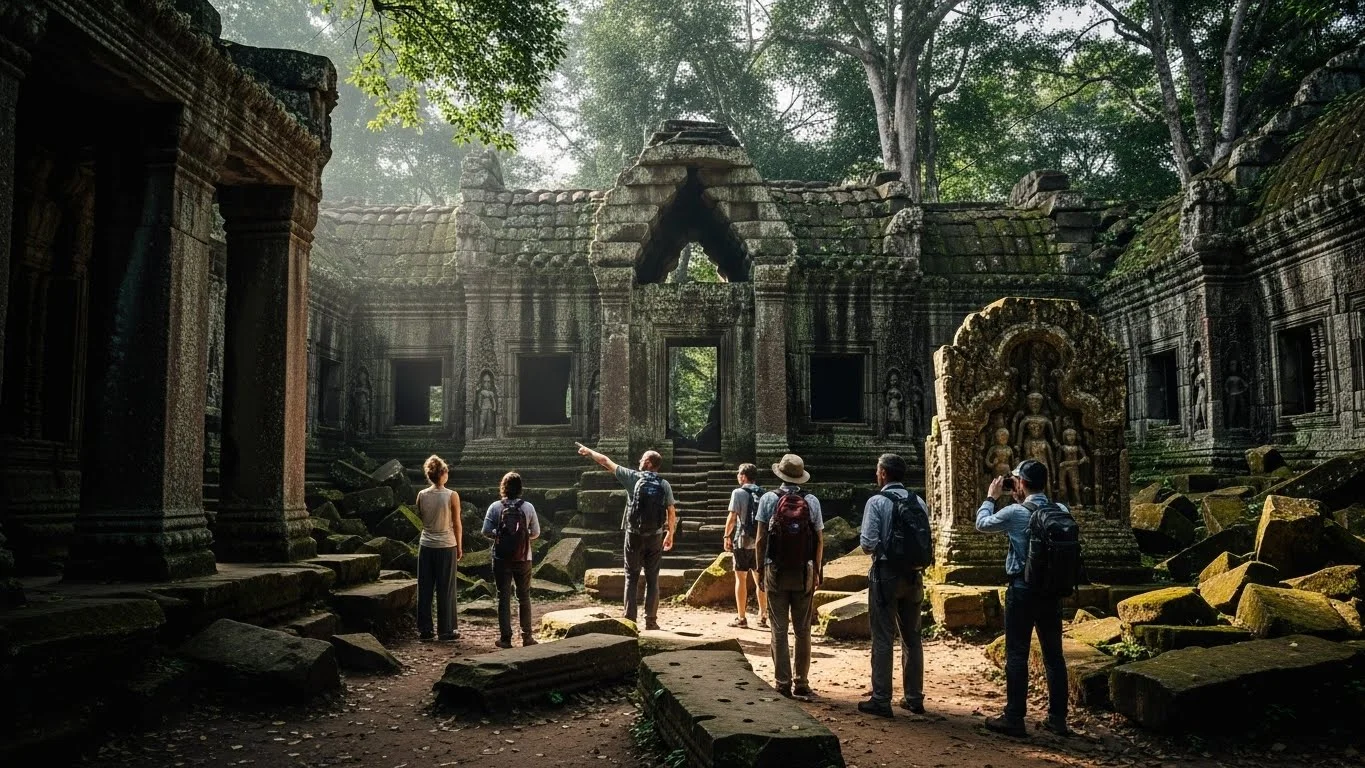
When I think of ancient ruins, images of crumbling stone walls, towering temples, and sprawling cityscapes come to mind. These remnants of civilizations long gone tell stories of our history, culture, and the people who walked before us. Ancient ruins can be anything from grand structures like the Colosseum in Rome to lesser-known sites tucked away in remote areas. They remind us of our shared past and the incredible achievements of those who came before us. I often find myself pondering the lives of the people who created these marvels, and it adds a layer of depth to my travel experiences.
Importance of Ancient Ruins in History
As I delve deeper into exploring these ancient sites, I’ve realized how vital they are for understanding our world today. Ancient ruins serve as windows into different cultures and societies. They provide insights into architecture, art, religion, and daily life. For example, when visiting the ruins of Pompeii, I could almost hear the echoes of the past, learning about the lives of those who had been frozen in time by a volcanic eruption. Each site has a unique story that enriches my knowledge of history. Moreover, they are often tied to local myths and legends, giving us a glimpse into the values and beliefs of ancient peoples.
Visiting ancient ruins not only educates us but also promotes the preservation of these sites. Many of these locations are under threat from tourism, climate change, and neglect. By acknowledging their importance and supporting preservation efforts, we can help ensure that future generations will also have the chance to appreciate them. It makes me feel connected to a larger community of travelers and history enthusiasts, all working toward the same goal of respecting and conserving our shared heritage.
Top Affordable Destinations for Ancient Ruins
Mexico: Exploring Mayan Ruins
One of my favorite affordable destinations for ancient ruins is Mexico, particularly the Mayan ruins scattered throughout the Yucatán Peninsula. Sites like Tulum and Coba offer breathtaking views and rich history without the hefty price tag of more famous sites. Tulum, perched on cliffs overlooking the Caribbean Sea, is stunning and surprisingly accessible for budget travelers. I remember sitting on the beach nearby, reflecting on the Mayan civilization while feeling the warm breeze. Coba, with its towering pyramid, offers a more adventurous experience where you can even climb to the top if you’re feeling brave. The entrance fees are reasonable, and you can easily explore these sites on your own or hire a local guide for a modest fee.
Greece: Lesser-Known Archaeological Sites
Greece is another gem when it comes to ancient ruins. While everyone flocks to the Acropolis in Athens, I discovered that there are countless lesser-known archaeological sites worth visiting. Places like Delphi and the ancient city of Mystras are awe-inspiring and often far less crowded. I found myself wandering through the ruins of Delphi, imagining how it must have felt to seek wisdom from the Oracle. The entrance fees are usually low, especially if you visit during the off-peak season. Plus, exploring these sites often means fewer tourists, allowing for a more intimate experience with history.
Egypt: Hidden Gems Beyond the Pyramids
When I think of Egypt, the Pyramids of Giza immediately spring to mind. However, there are so many other incredible sites to explore that won’t strain your wallet. The temples of Karnak and Luxor are magnificent and often less crowded than their more famous counterparts. I was amazed by the intricate carvings and the sheer scale of these temples. The entrance fees are generally modest, and you can often find package deals that include transportation. I even joined a local guide who shared stories that brought the ruins to life, adding value to my experience.
Italy: Off-the-Beaten-Path Ruins
Italy is bursting with ancient ruins, but not all of them are located in the busy cities. I ventured to sites like Paestum and Herculaneum, which are often overshadowed by Pompeii. Paestum, with its well-preserved Greek temples, felt like a hidden treasure. The ticket prices were reasonable, and I reveled in the tranquility of the site. Herculaneum, buried by the same eruption that took Pompeii, offers a different perspective on ancient Roman life. The smaller crowds allowed me to explore at my own pace, making it one of my favorite discoveries in Italy. Read Interesting article: Italy Travel on a Budget: Hidden Gems and Tips to Save
Peru: Discovering Incan Sites without the Crowds
Peru is famous for Machu Picchu, but there are plenty of ancient Incan sites that are just as fascinating and far less crowded. I decided to visit Ollantaytambo and Sacsayhuamán, which were equally impressive. Ollantaytambo, with its terraced hillsides and stunning views, felt like stepping back in time. The entrance fees were quite affordable, and I found that traveling during the rainy season actually made for a more pleasant experience due to fewer tourists. I even hiked around the ruins, immersing myself in the natural beauty that surrounded these historical sites.
Planning Your Visit: Budget Tips and Tricks
When to Visit for Lower Prices
Timing can make all the difference when it comes to exploring ancient ruins on a budget. I’ve found that traveling during the shoulder seasons—just before or after peak tourist times—can save you a lot of money. For instance, visiting Greece in late spring or early fall means fewer tourists and lower prices on accommodations and activities. I remember wandering through the ruins of Delphi in September when the weather was still warm, but the crowds had thinned out significantly. This not only made the experience more enjoyable but also allowed me to soak in the history without feeling rushed.
Another tip I learned is to check for special events or local holidays that may affect prices. Many sites offer free admission on certain days or during specific months, which can be a fantastic way to save. I once stumbled upon free entry days at a museum that included ancient artifacts, allowing me to expand my knowledge without spending a dime.
Finding Affordable Accommodation
I’ve discovered that finding a place to stay near ancient ruins doesn’t have to be a financial burden. Hostels, guesthouses, and budget hotels are often available in these areas, and they can offer a cozy place to rest after a day of exploration. I remember staying in a charming guesthouse near Tulum, where the owner even provided tips on the best times to visit the ruins. It felt like I was part of the local community rather than a mere tourist.
Additionally, I often use platforms like Airbnb or Couchsurfing to find unique budget options. Staying with locals not only saves money but also gives me insights into the culture that you just can’t get from a hotel. Sometimes, I’ve even been lucky enough to score a room with a view of the ruins, which is an unforgettable experience!
Transportation Options to Save Money
Getting around can be one of the trickiest parts of planning a trip to ancient ruins, but I’ve found plenty of ways to save money. Public transportation is often a budget-friendly option. Buses and trains can take you to some of the most iconic sites, often at a fraction of the cost of taxis or rental cars. I vividly remember taking a bus from Athens to Delphi; the scenic ride added to the adventure.
If you prefer to explore at your own pace, consider renting a bicycle or using ride-sharing apps, which can be more economical than traditional taxis in many cases. I’ve discovered that many towns near archaeological sites are quite bike-friendly, allowing for a unique way to soak in the surroundings while saving on transportation costs.
Free or Low-Cost Tours and Guides
When I’m eager to learn about the history of a site, I often seek out free walking tours. Many cities with ancient ruins offer these tours, where guides work for tips rather than a set fee. I took part in one such tour in Rome, and it was one of the highlights of my trip. The guide was incredibly knowledgeable and passionate about the history, making the experience truly memorable. Plus, I was able to ask questions and engage in discussions that deepened my understanding of the ruins we visited.
Even if a site doesn’t have free tours, look for local guides who charge reasonable fees. I’ve found that hiring a local guide can enhance my experience significantly, as they often share stories and insights that you won’t find in guidebooks. It’s a small investment that pays off by bringing the ancient ruins to life.
Essential Gear for Exploring Ancient Ruins
What to Pack for Comfort and Safety
When I gear up for a day of exploring ancient ruins, I always prioritize comfort and safety. I typically pack sturdy walking shoes—trust me, you’ll thank yourself later! Exploring sites can involve a fair amount of walking and sometimes uneven terrain, so having reliable footwear is crucial. I’ve experienced the difference a good pair of shoes can make in enjoying these historical locations.
Additionally, I carry a small backpack with essentials like sunscreen, a refillable water bottle, and a hat for sun protection. Hydration is key, especially when visiting sites under the hot sun. I also recommend bringing a light jacket or sweater, as temperatures can fluctuate throughout the day, especially if you’re near the coast or in higher elevations.
Photography Tips for Capturing Ruins
If you’re like me and love capturing the beauty of ancient ruins, there are a few tips I’ve learned that can help enhance your photography. First, I always try to visit early in the morning or later in the afternoon to avoid harsh midday light. The golden hour not only makes for stunning photos but also casts a magical glow over the ruins.
Experimenting with different angles is another way to add creativity to your shots. I’ve found that stepping back to capture the entire site or getting low to the ground for unique perspectives can lead to some incredible photos. Lastly, don’t forget to take candid pictures of the people you’re traveling with—those moments often tell the most meaningful stories of your adventures.
Cultural Etiquette and Safety Considerations
Respecting Local Customs
As I travel to various ancient ruins, I’ve come to realize that respecting local customs and traditions is crucial for an enriching experience. Each country and site has its own unique set of cultural practices, and being mindful of these can deepen our connection to the places we visit. For instance, while exploring the Mayan ruins in Mexico, I learned about the importance of sacred sites and the rituals that the indigenous people still perform. I felt privileged to witness a ceremony in Tulum, which reminded me of the rich spiritual heritage tied to these ancient sites.
In Greece, I discovered that it’s customary to dress modestly when visiting religious sites, even if they are in ruins. I made sure to cover my shoulders and knees when wandering around Delphi and the monasteries of Meteora. It’s a small gesture that showed respect for the culture and made me feel more connected to the local traditions. I believe that when we show respect, we’re not just tourists; we become part of a larger narrative that honors the past and present of these places.
Another essential aspect of respecting local customs is understanding photography etiquette. While I love capturing my travel moments, I’ve learned to be cautious about taking photos, especially in places of worship or during ceremonies. Asking for permission is always a good practice and shows respect for the people and their traditions. I remember a moment in Egypt when I was able to photograph a local family near the temples of Karnak; their smiles and warmth made the image even more meaningful.
Staying Safe While Exploring
Safety is always a priority when exploring ancient ruins, and I’ve picked up some tips along the way that have helped me feel more secure during my travels. First and foremost, I always stay aware of my surroundings. Many ancient sites can be remote or have uneven terrain, so keeping an eye on my belongings while taking in the sights has been crucial. I once found myself completely engrossed in the ruins at Herculaneum, only to realize I had left my bag unattended for a moment—thankfully, it was still there, but it taught me a valuable lesson.
Another important aspect of safety is traveling in numbers whenever possible. I’ve found that exploring with friends or fellow travelers not only enhances the experience but also provides an added layer of security. We can look out for one another, share tips on navigating the sites, and create lasting memories together. I remember visiting the ruins of Ollantaytambo with a small group; we were able to share our insights and discuss our favorite parts of the site, making the experience even richer.
In addition to being mindful of my surroundings, I always check local travel advisories before heading to a specific location. Websites and apps can provide valuable information about any safety concerns or restrictions at certain sites. I once planned to visit a lesser-known site in Egypt, only to find out that it was temporarily closed for preservation work. Adjusting my plans allowed me to explore another site instead, which turned out to be a hidden gem.
Local Cuisine to Try Near Ancient Ruins
Traditional Dishes to Experience
One of my favorite parts of traveling is experiencing local cuisine, especially when I’m near ancient ruins. Food not only nourishes the body but also connects us to the culture and history of a place. In Mexico, for instance, trying authentic Mayan dishes like cochinita pibil or tamales while visiting Tulum was a highlight of my trip. I remember savoring the flavors while watching the sun set over the Caribbean, feeling grateful for the unique experience.
In Greece, I couldn’t resist indulging in moussaka and fresh Greek salads after exploring the ancient sites. The combination of flavors was not only delicious but also a nod to the agricultural practices that have existed for centuries in the region. I found a quaint taverna near Delphi where the locals gathered, and sharing a meal with them made me feel even more connected to the culture.
During my time in Egypt, I made sure to try koshari, a hearty dish made from rice, lentils, and pasta topped with spicy tomato sauce. It was a perfect meal after a long day of exploring the temples, and it gave me a taste of local life. Each bite felt like a connection to the past, as I learned that this dish has been enjoyed by generations.
Where to Eat on a Budget
Finding affordable dining options near ancient ruins can sometimes be a challenge, but I’ve picked up a few strategies that work well. Street food has often been my go-to option. In many countries, vendors sell delicious local dishes that are both tasty and budget-friendly. I remember munching on fresh tacos from a street vendor in Mexico after a day at the ruins; it was not only economical but also an authentic experience. Plus, eating where the locals do can often lead to discovering hidden culinary treasures!
Another great tip is to seek out local markets. I found that markets near archaeological sites often have a variety of food stalls offering traditional dishes at affordable prices. In Athens, I visited a vibrant market filled with fresh produce, cheeses, and baked goods. I picked up some local olives and bread, enjoying a simple picnic among the ruins of the Acropolis. It was a delightful way to savor the flavors of Greece while surrounded by history.
Lastly, don’t hesitate to ask locals for recommendations. I’ve had some of my best meals suggested by people I met while exploring ancient sites. They often know the best spots that cater to locals rather than tourists, ensuring you get a genuine taste of the culture without straining your budget. Being open to trying new things, both in food and experiences, has made my travels all the more rewarding.
Frequently Asked Questions
What are ancient ruins?
Ancient ruins are remnants of civilizations long gone, such as crumbling stone walls, temples, and cityscapes. They provide insights into history, culture, architecture, and daily life of past societies.
Why are ancient ruins important in history?
Ancient ruins serve as windows into different cultures and societies, offering insights into art, religion, and the daily lives of people from the past. They help educate us and promote the preservation of historical sites for future generations.
What are some affordable destinations for exploring ancient ruins?
Some affordable destinations include Mexico (Mayan ruins), Greece (lesser-known archaeological sites), Egypt (temples of Karnak and Luxor), Italy (off-the-beaten-path ruins), and Peru (Incan sites like Ollantaytambo and Sacsayhuamán). Read Interesting article: Affordable Adventures: Explore These Hidden Gem Beaches
When is the best time to visit ancient ruins for lower prices?
Traveling during the shoulder seasons, just before or after peak tourist times, can save you money. Visiting during these times often means fewer tourists and lower prices on accommodations and activities.
What are some tips for finding affordable accommodation near ancient ruins?
Look for hostels, guesthouses, and budget hotels. Also, consider using platforms like Airbnb or Couchsurfing to find unique, budget-friendly options that offer insights into local culture.
What are the best transportation options for visiting ancient ruins on a budget?
Public transportation, such as buses and trains, is often budget-friendly. Renting a bicycle or using ride-sharing apps can also be economical alternatives to taxis or rental cars.
How can I find free or low-cost tours of ancient ruins?
Many cities with ancient ruins offer free walking tours where guides work for tips. Additionally, hiring local guides at reasonable fees can enhance your experience with their insights and stories.
What should I pack for exploring ancient ruins?
Pack sturdy walking shoes, a small backpack with essentials like sunscreen and a refillable water bottle, and a light jacket or sweater for changing temperatures. Comfort and safety should be prioritized.
What cultural etiquette should I be aware of when visiting ancient ruins?
Respect local customs and traditions, such as dressing modestly at religious sites and being mindful of photography etiquette. Asking for permission before taking photos is a good practice to show respect.
What traditional dishes should I try when visiting ancient ruins?
Experience local cuisine by trying dishes like cochinita pibil or tamales in Mexico, moussaka in Greece, and koshari in Egypt. These dishes connect you to the culture and history of the places you visit.