
Exploring wine regions doesn’t have to break the bank. There are hidden gems across the globe where you can sip, savor, and soak up stunning landscapes without spending a fortune. For more information, check out our Budget-Friendly Wine Regions: Sip and Save on Travel.
Understanding Budget-Friendly Wine Regions
What Defines a Budget-Friendly Wine Region?
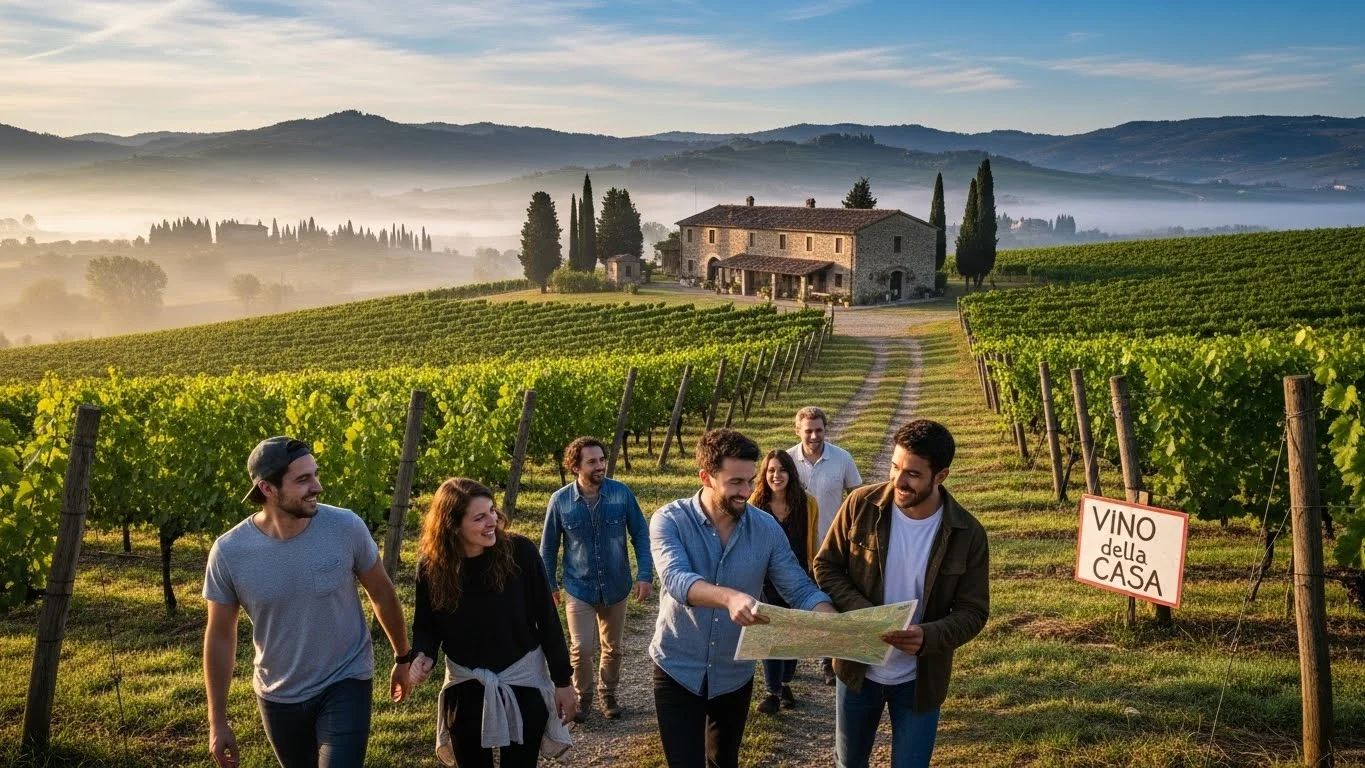
When I think of budget-friendly wine regions, I immediately picture places that offer amazing wine experiences without the hefty price tag. These regions are often less commercialized than their more famous counterparts, meaning you can enjoy high-quality wines without the crowds or the costs. Factors that define these areas include affordable tasting fees, reasonably priced accommodations, and local eateries that don’t gouge your wallet. I think it’s all about finding those little-known spots where the winemakers are passionate about their craft and want to share their creations with everyone. If you’re interested in a comprehensive overview, you might want to read the Ultimate Guide to Budget Wine Regions Around the Globe.
Benefits of Exploring Lesser-Known Wine Regions
Visiting lesser-known wine regions has its perks that I’ve come to appreciate over my travels. First off, there’s the intimacy. In these quieter spots, you’re often greeted with a warm welcome, and the chance to chat with the winemakers is much higher. I remember sipping a lovely Riesling in a small Finger Lakes vineyard, and the owner shared the story of his family’s legacy in winemaking. It felt special, almost like being part of their journey.
Then there’s the affordability aspect. I’ve found that not only are tasting fees lower, but the wines themselves are often priced more reasonably. This means you can explore a broader range of wines without worrying about blowing your budget. Plus, the local food is typically fresh and delicious, and prices are often more down to earth compared to tourist hotspots. When I visited a quaint winery in Oregon, I paired a fantastic Pinot Noir with a locally-sourced charcuterie board, all at a fraction of what I’d pay in a more well-known region.
Another benefit is the opportunity for discovery. Wandering off the beaten path often leads to unexpected finds. I’ve stumbled upon hidden vineyards, charming towns, and breathtaking landscapes that I never would have encountered had I stuck to the popular destinations. These experiences add a layer of richness to my travels that’s hard to replicate. You never know what gem you might find just around the corner! For those looking for more ideas, check out Top Affordable Wine Regions to Visit on a Budget Adventure.
Top Hidden Gem Wine Regions to Explore
Finger Lakes, New York
Overview and History
The Finger Lakes have become a cherished destination for wine lovers. Nestled in upstate New York, this region is dotted with glacial lakes and rolling hills. I was amazed to learn that winemaking here dates back to the early 1800s, and today it’s home to over 100 wineries. The unique climate, with warm days and cool nights, allows for the production of exceptional wines, particularly Rieslings and Gewürztraminers.
Notable Wineries to Visit
When I visited the Finger Lakes, I made sure to stop by a few standout wineries. One of my favorites was Dr. Konstantin Frank Winery, known for its award-winning Rieslings. The views from their tasting room were breathtaking, overlooking the vineyards and the sparkling waters of Keuka Lake. Another highlight was Ravines Wine Cellars, where I not only tasted fantastic wines but also enjoyed a lovely tour that deepened my appreciation for their winemaking process.
Local Events and Festivals
The Finger Lakes are also known for their vibrant wine festivals. I had the chance to attend the Finger Lakes Wine Festival, which showcases a variety of local wineries. It was an incredible experience to sample different wines and meet passionate winemakers. If you’re planning a trip, I highly recommend checking the local event calendar, as there are often seasonal festivals that celebrate the region’s rich agricultural heritage.
Willamette Valley, Oregon
Overview and History
Willamette Valley is another hidden gem that’s worth exploring. Known for its stunning landscapes and exceptional Pinot Noir, the valley stretches for over 150 miles. My first impression was how green and lush everything was, thanks to the temperate climate. The winemaking history here is relatively young, dating back to the 1960s, but it has quickly gained a reputation for producing some of the best wines in the country.
Top Wineries and Tastings
During my visit to Willamette Valley, I discovered several amazing wineries. One that stood out was Domaine Serene, where I enjoyed a flight of their exquisite Pinot Noirs paired with artisanal cheese. The atmosphere was elegant yet welcoming, which made the experience even more enjoyable. Another memorable stop was Sokol Blosser, where I was able to take a vineyard tour and learn about their sustainable practices, all while sipping on delightful wines.
Unique Attractions Nearby
What I loved about Willamette Valley was that it’s not just about the wine. There are also beautiful hiking trails, charming towns like McMinnville, and farms where you can pick your own produce. I remember spending an afternoon at a local farm stand, picking fresh berries and enjoying a picnic with my family. It’s these little experiences that make a trip truly special.
South Okanagan, British Columbia
Overview and Climate
The South Okanagan is a stunning region in British Columbia that often flies under the radar. With its warm climate and beautiful lakes, it’s perfect for growing a variety of grapes. I was captivated by the picturesque landscapes dotted with vineyards and orchards. The area is known for its bold reds and crisp whites, making it a fantastic destination for wine enthusiasts.
Must-Visit Vineyards
During my time in the South Okanagan, I made a point to visit some standout vineyards. One of my favorites was Tinhorn Creek, where I enjoyed a wonderful tasting on their beautiful patio overlooking the vineyard. I was also impressed by Burrowing Owl Estate Winery, which not only produces fantastic wines but also has a lovely restaurant where I savored a delicious meal.
Outdoor Activities in the Area
The South Okanagan is perfect for those who enjoy outdoor adventures. I took a hike along the scenic trails of Okanagan Mountain Provincial Park, and the views of the surrounding vineyards and lakes were breathtaking. Plus, with ample opportunities for biking and water sports, there’s something for everyone to enjoy.
Top Hidden Gem Wine Regions to Explore
Texas Hill Country, Texas
Overview and Wine Production
When I first heard about Texas Hill Country, I was surprised to learn that it’s one of the largest wine regions in the United States. Spanning over 9,000 square miles, this area is known for its rolling hills and beautiful wildflowers. I remember driving through the region and being struck by how the landscape evolves from rugged terrain to serene vineyards. The climate here is quite friendly to grape-growing, with warm days and cool nights, making it ideal for varietals like Tempranillo and Viognier. It’s fascinating to think that this region has only been producing wine on a larger scale since the 1970s, but it has quickly made a name for itself with a diverse range of wines.
Best Wineries for Tours and Tastings
During my visit to Texas Hill Country, I made it a point to stop by some of the renowned wineries. One that stood out was Becker Vineyards, known not only for its wine but also for its stunning lavender fields. I had a delightful tasting experience paired with a knowledgeable guide who shared the history of their wine-making process. Another memorable stop was Grape Creek Vineyards, where I enjoyed their beautiful Tuscan-style villa and a flight of their best reds. I found myself savoring every sip while soaking in the picturesque surroundings. There’s something special about enjoying quality wine in a setting that feels like a slice of Tuscany right in Texas!
Local Culture and Cuisine
Texas Hill Country is rich in culture, with a blend of German, Czech, and Mexican influences that shine through in its local cuisine. I remember dining at a small, family-owned restaurant where I enjoyed homemade sausages and a fresh salad, all paired beautifully with a local rosé. The food scene here is vibrant and full of surprises, with many eateries focusing on farm-to-table ingredients. Plus, I found plenty of charming towns, like Fredericksburg, where I could explore boutiques, art galleries, and enjoy some live music. It really felt like a trip where every corner had something new to discover.
Priorat, Spain
Overview and Wine Characteristics
Traveling to Priorat in Spain was like stepping into a different world. Nestled among dramatic hills and steep terraced vineyards, this region boasts a long wine-making history that dates back to the 12th century. I was captivated by the unique terroir, which consists of slate and quartz, giving the wines a distinct mineral character. The wines here are bold and intense, primarily focusing on Garnacha and Cariñena varietals. I remember my first taste of a Priorat red; it was rich with dark fruit flavors and a hint of spice – absolutely unforgettable!
Recommended Vineyards
One of my favorite wineries in Priorat was Clos Mogador, where the passion of the winemaker truly shone through. The tour was intimate, and I loved hearing about the meticulous care taken in both vineyard and cellar. Another gem was Alvaro Palacios, where I was impressed not only by the wines but also by the stunning views from their estate. Sipping on a glass of wine while overlooking the vineyards felt surreal, and I found myself lost in the beauty of the landscape.
Local Gastronomy to Pair with Wine
The culinary scene in Priorat complements its wines perfectly. I enjoyed a delightful meal at a local bistro, where the chef prepared a traditional Catalan dish called “escalivada,” a roasted vegetable dish that paired wonderfully with my red wine. I believe the best part was chatting with locals who shared their own favorite food and wine pairings. The connection between the local cuisine and wine offered a richer understanding of the culture and traditions of the region.
Rheinhessen, Germany
Overview and Key Grapes
Rheinhessen might not be the first place that comes to mind when you think of wine regions, but it truly deserves a spot on your travel list. This region is known for its lush landscapes and is often referred to as the “Land of a Thousand Hills.” I was amazed to discover that Rheinhessen is Germany’s largest wine region, with a variety of grapes thriving here, including Riesling, Müller-Thurgau, and Silvaner. Each vineyard seemed to have its unique flair, and I was eager to explore the differences in their wines.
Top Vineyards and Cellar Doors
During my stay, I visited several outstanding vineyards. One that I particularly enjoyed was Weingut Keller, known for its exceptional dry Rieslings. The winemaker was incredibly welcoming, and I appreciated how he took the time to explain the nuances of the different vintages. Another highlight was Weingut Gunderloch, where I savored a sweet Spätlese that perfectly balanced richness with acidity. The warmth of the people here made the whole experience feel like visiting friends rather than just stopping by a winery.
Festivals Celebrating Wine
Rheinhessen is also home to some fantastic wine festivals. I stumbled upon the Rheinhessen Wine Festival, where local wineries showcased their best offerings. The atmosphere was lively, filled with laughter, music, and, of course, amazing wine. I loved meeting other wine lovers, sharing our experiences, and discovering new favorites together. These festivals are a great way to immerse yourself in the local culture and connect with the community.
When to Visit These Wine Regions
Seasonal Highlights and Events
Timing your visit to wine regions can make a big difference in your experience. I’ve found that each season brings its own charm and unique events. For instance, spring is a wonderful time to visit the Finger Lakes. The vineyards start to bloom, and you can witness the excitement of new growth. I remember attending a spring festival where wineries offered tastings of their new releases, and the atmosphere was filled with hope and anticipation for the upcoming vintage. Summer, of course, is peak season, especially in places like Willamette Valley and Texas Hill Country, where you can enjoy long days filled with sunshine and outdoor tastings. This is when many wineries host live music events and food pairings that enhance the overall experience.
Fall is my favorite time to explore these regions, especially during harvest season. Watching the grape harvest is an incredible experience, and many vineyards offer tours that let you see the process firsthand. In Priorat, I joined a grape-picking event, and it was so rewarding to learn about the hard work that goes into each bottle. Plus, the autumn foliage adds to the beauty of the landscape, making it the perfect backdrop for sipping wine. Winter is quieter, but still has its own charm. The festive spirit is alive, with many wineries hosting holiday-themed events and cozy tastings by the fireplace.
Harvest Season Experiences
Harvest season is truly magical in wine regions. I vividly remember my visit to the South Okanagan during this time. The air was crisp, and the colors of the vineyards were breathtaking. Many wineries offer special tours and tastings during harvest, allowing visitors to participate in the excitement. At Tinhorn Creek, I was lucky enough to join in on the grape harvest, which was both fun and educational. There’s something incredibly special about getting your hands dirty and being part of the process that brings wine to life. Plus, the wineries often provide tastings of their freshly pressed juice, which is a delightful treat!
In Willamette Valley, I participated in a ‘crush party’ at a local vineyard, where we got to stomp grapes and learn about winemaking techniques. The energy among the guests was contagious, and I made some great friends while sharing laughs over our grape-stomping abilities. Harvest festivals often feature local food vendors, artisan markets, and live music, turning the experience into a full-on celebration of the season.
Weather Considerations for Travelers
Understanding the weather in these wine regions can help you pack appropriately and plan your activities. I’ve learned that spring and fall offer mild weather, making them ideal for outdoor tastings. However, temperatures can vary quite a bit. For example, while the Finger Lakes can be cool in the evenings, the Texas Hill Country can be quite warm during the day. I always recommend layering, as it allows you to adapt to the changing temperatures throughout the day.
During the summer months, especially in regions like the South Okanagan, be prepared for heat. Sunscreen, hats, and plenty of water are essential for staying comfortable while exploring vineyards. I remember one particularly sunny day in Texas Hill Country, where I set out for a day of wine tasting but ended up taking frequent breaks in the shade. In winter, while many wineries remain open, it’s wise to check ahead for hours and events, as some may operate on reduced schedules. Overall, I’ve found that each season provides a unique lens through which to experience the beauty and flavors of these hidden gem wine regions.
Travel Tips for Exploring Budget-Friendly Wine Regions
Transportation Options
Driving vs. Public Transport
When I plan trips to wine regions, I always consider my transportation options. Driving is often the most flexible way to explore, allowing you to create your own itinerary. I love the freedom it provides, especially if you’re hopping between wineries. I remember one road trip in Oregon where we took our time driving through the scenic countryside, stopping at various vineyards along the way. The roads were beautiful, and I enjoyed every moment of the journey.
However, if you prefer not to drive, many regions offer public transport options or organized wine tours. In places like Rheinhessen, I found that there are train routes connecting some wineries, making it easy to explore without worrying about parking. Plus, this option allows you to fully enjoy the tastings without any added stress about driving home afterward. I’ve also seen some areas with bike rentals, which can be a fun and eco-friendly way to explore the vineyards while enjoying the fresh air.
Bike Tours and Walkable Areas
For those who love to stay active while traveling, bike tours are a fantastic option in many wine regions. I had a wonderful experience biking through the vineyards in Willamette Valley, where the paths were well-marked and picturesque. Not only did I get some exercise, but I also had the chance to take in the stunning views at a leisurely pace. Many wineries even offer bike rentals or guided tours that make it easy to explore the area without the hassle of planning your route.
In addition to bike tours, I’ve discovered that some wine regions have walkable areas where you can easily visit multiple wineries in one day. In the Finger Lakes, for instance, some towns have clusters of wineries within walking distance, allowing you to stroll from one to the next while enjoying the scenery. I found this approach particularly enjoyable, as it felt less rushed and more immersive.
Frequently Asked Questions
What defines a budget-friendly wine region?
A budget-friendly wine region is characterized by affordable tasting fees, reasonably priced accommodations, and local eateries that offer good value. These regions are often less commercialized, allowing visitors to enjoy high-quality wines without the crowds or high costs.
What are the benefits of exploring lesser-known wine regions?
Exploring lesser-known wine regions offers intimacy with warm welcomes and opportunities to chat with winemakers. They also tend to have lower tasting fees and reasonably priced wines, allowing for a broader exploration without a hefty budget. Additionally, these regions often feature unexpected discoveries, including hidden vineyards and breathtaking landscapes.
Which wine region is known for its Rieslings and Gewürztraminers?
The Finger Lakes in New York is known for its Rieslings and Gewürztraminers. The region has a unique climate that supports the production of exceptional wines and is home to over 100 wineries.
What notable wineries can be visited in the Finger Lakes?
Notable wineries in the Finger Lakes include Dr. Konstantin Frank Winery, known for its award-winning Rieslings, and Ravines Wine Cellars, which offers fantastic wines and insightful tours about the winemaking process.
What is the primary grape variety produced in Willamette Valley?
The primary grape variety produced in Willamette Valley is Pinot Noir, which is celebrated for its exceptional quality in this lush and green region.
What unique attractions can be found near Willamette Valley?
Near Willamette Valley, visitors can find beautiful hiking trails, charming towns like McMinnville, and farms where you can pick your own produce, enhancing the overall travel experience.
What is special about the South Okanagan wine region?
The South Okanagan is known for its warm climate and picturesque landscapes, making it ideal for growing a variety of grapes, particularly bold reds and crisp whites. The region also offers outdoor activities like hiking and biking in addition to its wine experiences.
Why is Texas Hill Country significant in the wine industry?
Texas Hill Country is significant because it is one of the largest wine regions in the United States, known for its diverse range of wines and beautiful landscapes. The region has rapidly gained a reputation for quality wine production since the 1970s.
What culinary experiences can be enjoyed in Priorat, Spain?
In Priorat, visitors can enjoy traditional Catalan dishes that pair wonderfully with local wines, such as the roasted vegetable dish called “escalivada.” The connection between local cuisine and wine enriches the cultural experience of the region.
What are some transportation options for exploring wine regions?
Transportation options for exploring wine regions include driving for flexibility, public transport for ease, and bike tours for an active experience. Many regions offer organized wine tours, bike rentals, or walkable areas to visit multiple wineries without the need for a car.