
Exploring budget-friendly religious monuments opens a door to breathtaking architecture and rich cultural heritage without breaking the bank. These hidden gems offer unique experiences that resonate deeply with history and spirituality. For those looking for more options, you can explore top 10 budget-friendly religious monuments worldwide.
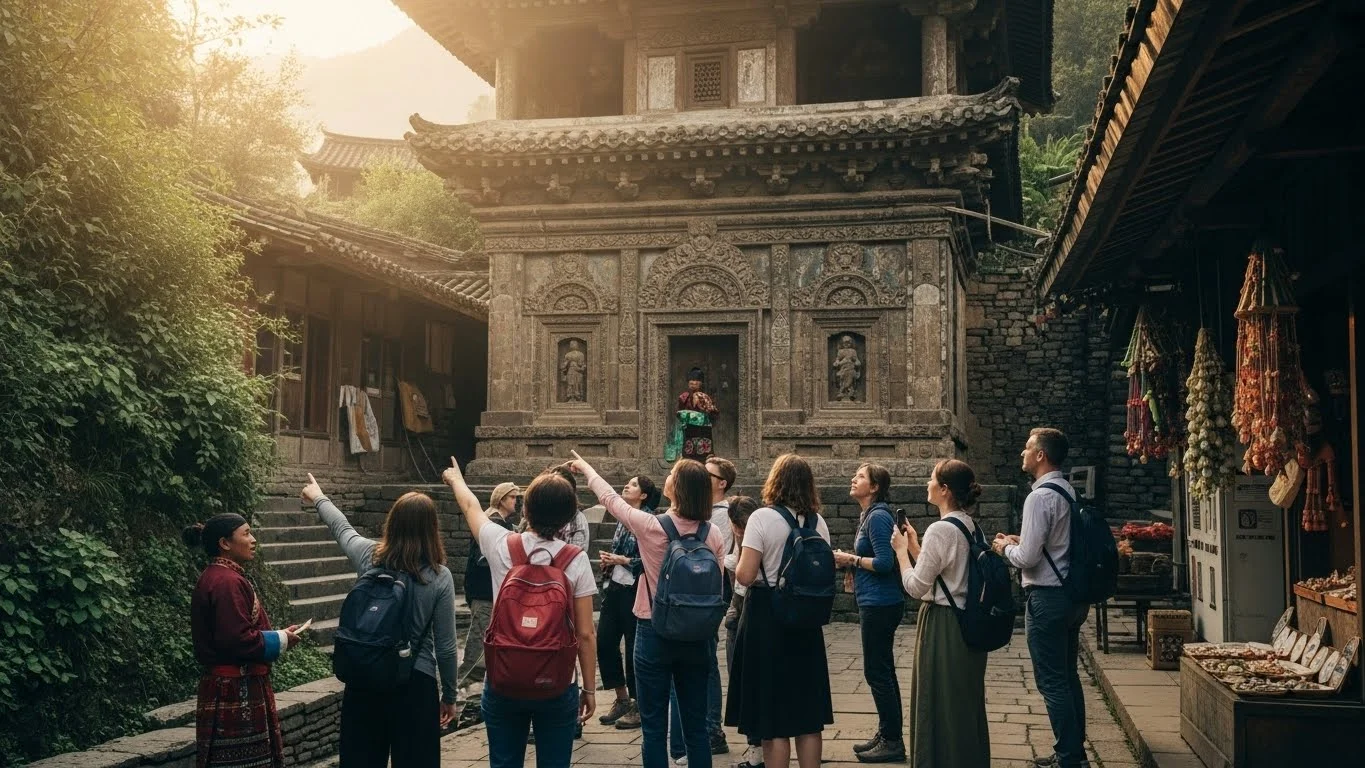
Introduction to Budget Religious Monuments
What Defines a Religious Monument?
Religious monuments are structures built for worship, remembrance, or to honor important spiritual figures. They can range from grand cathedrals and temples to modest chapels and shrines. What makes them truly fascinating is how they reflect the beliefs, traditions, and artistic expressions of the cultures that created them. I’ve always felt that these places have a spirit of their own; they tell stories of faith and community that resonate across generations. Whether it’s the majestic spires of a cathedral or the intricate carvings of a temple, each monument holds a piece of history waiting to be discovered.
Importance of Visiting Religious Sites
Visiting religious sites is not just about seeing beautiful architecture; it’s about connecting with something greater than ourselves. For me, stepping into a sacred space often brings a sense of peace and reflection. These monuments are places where people have gathered for centuries to seek solace, inspiration, and a deeper understanding of their faith. They serve as a reminder of our shared humanity and the diverse ways we seek meaning in our lives. When we visit, we become part of that ongoing narrative, experiencing a blend of spirituality, history, and culture.
Top Hidden Gems in Various Regions
North America
St. Augustine, Florida – The Cathedral Basilica of St. Augustine
As the oldest city in the U.S., St. Augustine is home to the stunning Cathedral Basilica of St. Augustine. This beautiful structure is a blend of Spanish Colonial and Gothic architectural styles, and its serene atmosphere makes it an ideal spot for reflection. I remember walking through its arched entrances and admiring the ornate stained glass windows that tell stories of faith and perseverance. Best of all, there’s no admission fee, allowing visitors to appreciate its beauty without spending a dime.
New Mexico – San Miguel Mission
Another treasure is the San Miguel Mission in Santa Fe, the oldest church in the continental United States. The mission is a simple adobe structure, yet it holds immense historical significance. I felt a deep connection to the past as I walked its grounds, imagining the generations of worshippers who have come before me. The mission often hosts community events and offers a glimpse into the local culture, which makes visiting even more special. For more insights on affordable options, consider checking out backpacking to sacred places: affordable religious monuments.
Europe
Spain – Basilica de Santa María del Mar
Located in Barcelona, the Basilica de Santa María del Mar is a stunning example of Catalan Gothic architecture. I was captivated by its soaring pillars and the way sunlight filtered through the stained-glass windows, casting colorful patterns on the stone floor. The church is often less crowded than others in the city, providing a peaceful retreat. Admission is generally free, making it accessible for travelers on a budget.
Italy – The Church of San Giovanni in Laterano
Known as the oldest basilica in the world, the Church of San Giovanni in Laterano is a must-visit for anyone traveling to Rome. I was overwhelmed by its grandeur, from the massive façade to the intricate mosaics inside. It’s not just a religious site; it’s a historical landmark that has seen centuries of change. Visiting is free, and it’s a great way to immerse yourself in the rich history of the Eternal City.
Portugal – Mosteiro de Batalha
The Mosteiro de Batalha is a UNESCO World Heritage site that showcases stunning Gothic architecture. Located in Batalha, this monastery was built to commemorate the Battle of Aljubarrota. I was awestruck by the intricate stonework and the peaceful gardens that surround the site. There’s a small entry fee, but I found it well worth it for the beauty and tranquility it offers. It’s a perfect example of how history and faith can intertwine beautifully.
Asia
India – The Lotus Temple
In India, the Lotus Temple stands out not only for its architectural beauty but also for its inclusive spirit. As a Bahá’í House of Worship, it welcomes people of all faiths. I found it refreshing to see such a modern design that symbolizes unity and peace. Visitors can enter freely, and I loved spending time in its tranquil gardens, reflecting amidst the peaceful atmosphere.
Indonesia – Borobudur Temple
Borobudur Temple is one of the largest Buddhist monuments in the world and is a breathtaking sight to behold. I remember climbing its steps at dawn, surrounded by mist and the sounds of nature awakening. The intricate relief panels tell the story of Buddha’s life and teachings. While there is an entrance fee, the experience is truly priceless, especially during sunrise when the temple is illuminated in golden light.
Africa
Ethiopia – Lalibela Churches
The rock-hewn churches of Lalibela are a marvel of engineering and devotion. Carved directly into the rock, these churches are unlike anything I’ve ever seen. Each church has its own unique design and significance. I felt a profound sense of awe walking through these ancient structures, which are still active places of worship today. While there’s an entry fee, the profound experience of witnessing such dedication is worth every penny.
Morocco – Hassan II Mosque
The Hassan II Mosque in Casablanca is a stunning blend of traditional Moroccan architecture and modern design. I was particularly taken by its location right on the Atlantic Ocean, where the sound of waves adds to the serene atmosphere. The mosque is open to non-Muslim visitors during certain hours, and it’s a remarkable opportunity to witness the beauty of Islamic architecture up close. There’s an entrance fee, but it’s a small price for such an unforgettable experience.
South America
Brazil – Igreja de São Francisco da Penitência
In Rio de Janeiro, the Igreja de São Francisco da Penitência is a hidden gem that showcases stunning baroque architecture. I remember walking into this church and being immediately struck by its lavish interior filled with gold leaf and intricate carvings. It’s often overlooked by tourists, which makes it a peaceful place to visit. Best of all, there’s no admission fee, allowing everyone to appreciate its beauty.
Argentina – Catedral Metropolitana de Buenos Aires
The Catedral Metropolitana in Buenos Aires is another beautiful site to explore. Its neoclassical façade and stunning interior, with its impressive altar and artwork, make it a key landmark in the city. I enjoyed sitting in silence for a moment, soaking in the atmosphere. While there’s no charge to enter, donations are welcomed, ensuring the church can maintain its beauty for future visitors.
Budget Travel Tips for Visiting Religious Monuments
Finding Affordable Accommodations
When planning my trips to these incredible religious monuments, I’ve learned that finding budget-friendly accommodations can really make a difference. I often turn to platforms like Airbnb, where I’ve found cozy rooms or even unique stays in heritage homes that are both affordable and filled with character. Sometimes, I opt for hostels or guesthouses, which not only save money but also offer a chance to meet fellow travelers. For example, during my stay in St. Augustine, I found a charming hostel just a short walk from the Cathedral Basilica, allowing me to explore without spending a fortune on lodging.
Booking in advance can also help secure better rates. I remember researching accommodations a few months before my trip to Rome and finding a fantastic deal on a small hotel located near the Church of San Giovanni in Laterano. It was a bit of a trek to the main attractions, but it saved me quite a bit, and the experience of living like a local was worth it.
Transportation Options
Getting around can be another part of the adventure. I usually try to rely on public transportation, which is often much cheaper than taxis or rental cars. For instance, in Barcelona, I discovered the metro system was not only affordable but also efficient, making it easy to visit the Basilica de Santa María del Mar and other sites. I found that purchasing a multi-day transit pass saved me money and gave me the freedom to explore the city at my own pace.
Walking is also a great option, especially in cities with compact layouts. I remember strolling through the streets of Santa Fe, taking in the sights and sounds while making my way to the San Miguel Mission. It felt like I was part of the city, experiencing its rhythm firsthand. Plus, walking gives you the chance to discover hidden gems you might miss when you’re focused on getting from point A to point B.
Entry Fees and Donations
While many religious monuments are free to enter, some might charge a small fee or encourage donations. I’ve found it helpful to research these fees in advance. For instance, the Mosteiro de Batalha in Portugal had a minor entry fee, but in my opinion, it was well worth it for the chance to wander through its stunning halls. When visiting places that rely on donations, I always try to contribute something, even if it’s just a few coins. It feels good to give back and helps ensure these beautiful sites can be preserved for future visitors.
Free Tours and Community Guides
Another great way to enhance your experience without spending much is to join free tours or use community guides. Many cities offer walking tours led by locals, and I’ve found these to be fantastic for getting insider knowledge and stories that you might not discover on your own. In Ethiopia, I joined a free guided tour of the Lalibela Churches, which allowed me to learn about the history and significance of each site directly from someone who was passionate and knowledgeable.
Sometimes, these tours operate on a tip-based system, which allows you to pay what you can afford while still enjoying a rich experience. I remember feeling grateful for the opportunity to connect with a local guide and learn more about the traditions surrounding the sites I was visiting.
When to Visit Budget Religious Monuments
Best Times of Year for Travel
Timing can play a significant role in the experience you have at religious monuments. Personally, I prefer traveling during the shoulder seasons—spring and fall—when the weather is pleasant and the crowds are thinner. For example, visiting the Lotus Temple in India during early spring allowed me to enjoy the beautiful blooms in the gardens without the overwhelming heat or throngs of tourists. Planning around the weather can enhance your experience, making it more enjoyable to explore these sacred spaces.
Local Festivals and Religious Events
Another aspect to consider is local festivals and religious events. These occasions can be a wonderful way to witness the cultural significance of the sites. I was fortunate to be in Morocco during a local festival when I visited the Hassan II Mosque. The atmosphere was electric, filled with music and celebrations that made the experience even more memorable. I learned that these events often provide unique insights into the beliefs and traditions surrounding the monuments, allowing me to appreciate them even more deeply.
Cultural Etiquette at Religious Sites
Dress Code and Behavior
One of the most important things I’ve learned while visiting religious monuments is the significance of cultural etiquette. Each site has its own expectations regarding dress and behavior, and respecting these customs is essential. For instance, when I visited the Lotus Temple in India, I was reminded to dress modestly. It felt good to wear comfortable clothes that covered my shoulders and knees. Seeing others around me dressed similarly created a sense of unity and respect for the space we were in. I believe it’s crucial to take a moment to understand what is appropriate based on the culture and religion of each site.
At many religious sites, there are specific rules regarding behavior as well. For instance, in the Hassan II Mosque in Morocco, silence and reverence are expected while inside. I remember walking through its halls, feeling the weight of the atmosphere as everyone quietly absorbed the beauty around them. It’s these little gestures that show our respect and appreciation for the beliefs of others. I always make it a point to observe how others act and follow suit, which helps me blend in and truly connect with the site.
Photography Guidelines
When it comes to photography, I’ve discovered that guidelines can vary quite a bit. At some places, like the Basilica de Santa María del Mar in Barcelona, I found that photography was encouraged, but with a few restrictions. I was reminded to avoid using flash to maintain the sacred atmosphere. On the other hand, some sites, particularly those that are still active places of worship, strictly prohibit photography. For example, at the Lalibela Churches in Ethiopia, I was asked to leave my camera behind to preserve the sanctity of the space. It was a valuable reminder that sometimes, it’s better to experience the moment fully rather than through the lens of a camera.
I recommend always checking ahead of time to know what the rules are for each site. I’ve even noticed that some places have signage indicating whether photography is allowed. If you’re unsure, it’s best to ask a local guide or staff member, as they can provide clarity on what’s acceptable. This not only helps you avoid any awkward situations but also shows your respect for the sacredness of these locations.
Local Cuisine Near Religious Monuments
Dining Options for Budget Travelers
Food plays such a significant role in travel, and exploring local cuisine near religious monuments can be a delightful experience. When I visited the Church of San Giovanni in Laterano in Rome, I stumbled upon a small trattoria just around the corner. The owner welcomed me with a smile and served the most delicious pasta I’ve ever had. I was amazed at how affordable it was, especially compared to other tourist spots in the city. I love seeking out local eateries that offer authentic dishes without the hefty price tag.
Another great tip I’ve learned is to look for food markets or street vendors near religious sites. For instance, in Barcelona, I found a vibrant market filled with fresh produce, local cheeses, and tapas. I picked up a few items and had a picnic at a nearby park, which turned out to be a highlight of my trip. Eating like a local not only saves money but also allows you to experience the culture in a more personal way.
Must-Try Local Dishes
Each region has its own culinary specialties that reflect its culture and traditions. I remember savoring a traditional Moroccan tagine near the Hassan II Mosque that was bursting with flavor. The dish, cooked slowly in an earthenware pot, was a true culinary delight. Similarly, in Brazil, I tried a hearty feijoada near the Igreja de São Francisco da Penitência. It’s a black bean stew with various meats, and it was as comforting as it was delicious.
In Italy, you can’t miss trying gelato, especially after exploring the beautiful architecture of the Church of San Giovanni in Laterano. I remember indulging in a creamy pistachio flavor that felt like a little piece of heaven on a warm day. Exploring local dishes and flavors is one of my favorite aspects of travel, as it adds another layer to my experience and allows me to engage with the culture on a deeper level.
Safety and Accessibility Considerations
Travel Safety Tips
As with any travel experience, safety is a priority when visiting religious monuments. I always make it a point to stay aware of my surroundings, especially in crowded areas. For example, while exploring the bustling streets of Buenos Aires near the Catedral Metropolitana, I found that keeping my belongings secure was crucial. I prefer to use a crossbody bag, which allows me to keep my essentials close while still being hands-free to take in the sights.
Another tip I’ve found helpful is to travel in groups when possible, especially when exploring less-frequented areas. There’s something comforting about sharing the experience with others. Once, while visiting the rock-hewn churches in Lalibela, I was part of a small tour group, which made navigating the area feel safer and more enjoyable. Plus, it gave us the chance to share stories and insights about our travels.
Access for Individuals with Disabilities
Accessibility is an important consideration for many travelers. I’ve seen a growing awareness of the need for inclusive access at religious sites. For instance, the Cathedral Basilica of St. Augustine has ramps and accessible entrances, which made my visit smooth and enjoyable. However, I’ve also encountered sites that may not be as accommodating. When planning visits, I recommend checking the accessibility options available at each monument. Many websites provide information on facilities, such as ramps and restrooms, which can help make the experience more comfortable for everyone.
In my experience, reaching out to the sites directly can also provide clarity. I appreciate when places are proactive about accessibility, as it demonstrates a commitment to welcoming all visitors. It’s heartening to see more monuments recognizing the importance of ensuring that everyone can enjoy the beauty and spirituality they have to offer.
Frequently Asked Questions
What is a religious monument?
A religious monument is a structure built for worship, remembrance, or to honor important spiritual figures. They can range from grand cathedrals and temples to modest chapels and shrines, reflecting the beliefs, traditions, and artistic expressions of the cultures that created them.
Why is it important to visit religious sites?
Visiting religious sites allows individuals to connect with something greater than themselves, providing a sense of peace and reflection. These monuments serve as reminders of shared humanity and the diverse ways people seek meaning in their lives.
What are some budget-friendly religious monuments in North America?
In North America, notable budget-friendly religious monuments include the Cathedral Basilica of St. Augustine in Florida, which has no admission fee, and the San Miguel Mission in New Mexico, the oldest church in the continental U.S.
Which European religious monument is known for its Gothic architecture?
The Basilica de Santa María del Mar in Barcelona, Spain, is a stunning example of Catalan Gothic architecture, known for its soaring pillars and beautiful stained-glass windows. Admission is generally free.
What should travelers consider for transportation when visiting religious monuments?
Travelers should consider relying on public transportation, which is often cheaper than taxis or rental cars. Walking is also a great option in compact cities, allowing for a more immersive experience as they explore.
Are there any entry fees for visiting religious monuments?
While many religious monuments are free to enter, some may charge a small fee or encourage donations. It’s helpful to research these fees in advance to plan accordingly.
What is the best time of year to visit budget religious monuments?
The best times to visit are during the shoulder seasons of spring and fall, when the weather is pleasant and crowds are thinner, enhancing the overall experience.
What cultural etiquette should visitors be aware of when visiting religious sites?
Visitors should respect cultural etiquette, including appropriate dress codes and behavior expectations, which vary by site. It is important to observe how others act and follow suit to show respect for the beliefs of others.
What local cuisine can travelers try near religious monuments?
Travelers can explore local cuisine near religious monuments, often finding affordable options at nearby eateries, food markets, or street vendors that offer authentic dishes representative of the region’s culture.
How can travelers ensure safety while visiting religious monuments?
Travelers can ensure safety by staying aware of their surroundings, securing their belongings, and traveling in groups when possible. It’s also wise to check the accessibility options available at each monument.
Read Interesting article: Ultimate Guide to Visiting Historic Religious Sites on a Budget