
Japan is a dream destination for backpackers, offering a blend of ancient traditions and modern wonders. With its stunning landscapes, vibrant cities, and delicious food, it’s an adventure waiting to be explored on any budget. For those planning a trip, check out Backpacking Japan: Your Essential Travel Guide for 2023.
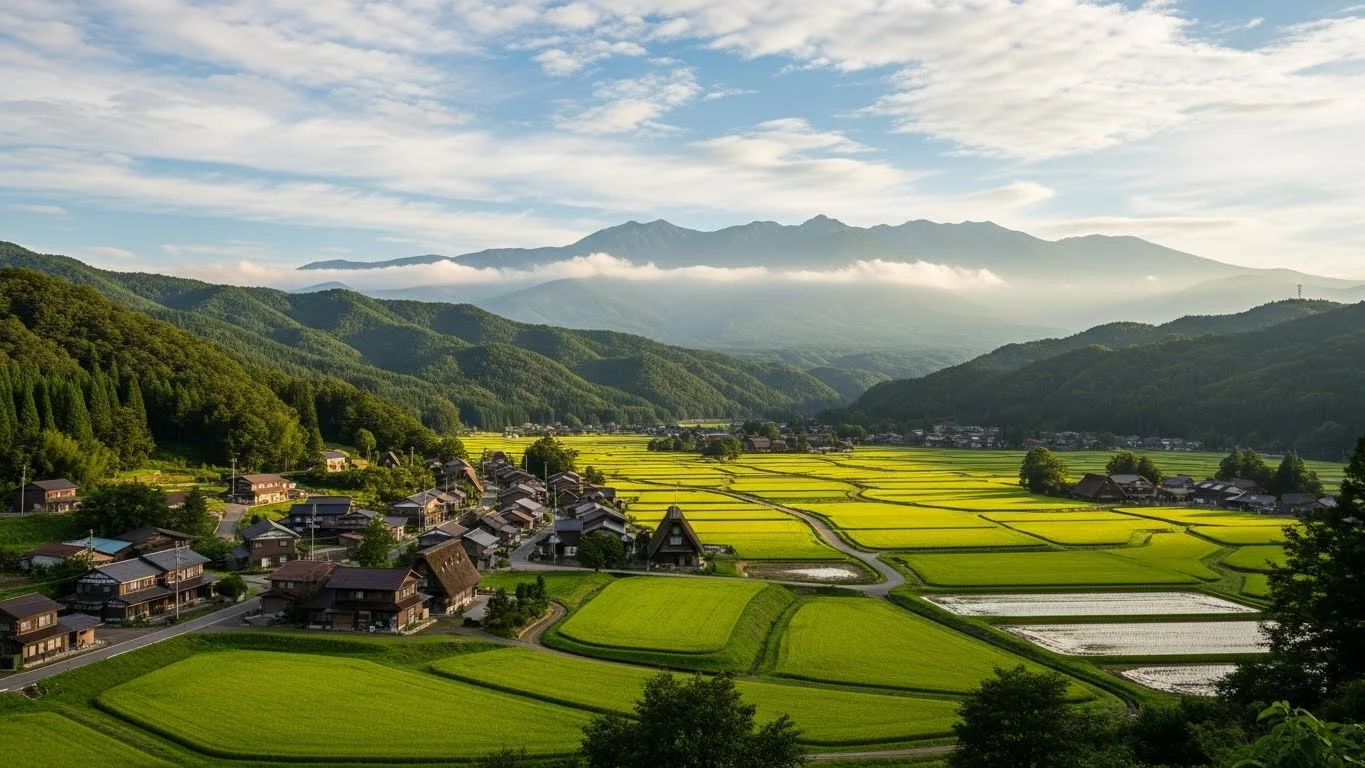
Overview of Backpacking in Japan
Why Choose Japan for Backpacking?
When I first considered backpacking through Japan, I was drawn by the promise of an incredible cultural experience. Japan offers so much diversity—from the neon lights of Tokyo to the tranquil temples in Kyoto. I found that each region has its own unique flavor, making it a perfect destination for a backpacking adventure. The friendliness of the locals, combined with the efficient public transportation system, made traveling around the country feel accessible and safe. In my experience, Japan is one of those places where every corner holds a story, every meal is an experience, and every moment can turn into a memory you’ll cherish forever. I also learned a lot about local customs and etiquette, which I found in the Master Dining Etiquette: A Backpacker’s Guide to Local Customs.
Backpacking vs. Traditional Travel in Japan
Backpacking in Japan is a distinct experience compared to traditional travel. As a backpacker, I appreciated the freedom to explore at my own pace. I didn’t feel the need to stick to the usual tourist spots; instead, I sought out hidden gems and local hangouts. Traditional travelers might prefer guided tours, which certainly have their perks, but I believe that immersing myself in the local culture—whether through language, food, or shared experiences—enriched my journey in ways that a structured itinerary couldn’t. Plus, the affordable options available for accommodation and food made it easy to stretch my budget while enjoying the best of what Japan has to offer. For more tips on budget travel, be sure to read the Ultimate Guide to Budget Backpacking for Solo Adventurers.
Best Times to Visit Japan
Spring: Cherry Blossom Season
Spring is one of the most magical times to visit Japan, especially for cherry blossom enthusiasts. I still remember my first hanami (flower viewing) picnic in Ueno Park, surrounded by friends and locals enjoying the fleeting beauty of sakura blooms. The atmosphere is electric, filled with laughter and smiles. Accommodation tends to fill up quickly during this season, but if you plan ahead, you can still find affordable places to stay. I recommend taking advantage of the local parks and gardens, where you can soak in the sights without spending a dime.
Summer: Festivals and Fireworks
Summer in Japan brings an array of vibrant festivals, or “matsuri,” that are truly unforgettable. I found myself mesmerized by the colorful floats and traditional performances in Kyoto. The warm weather also means plenty of outdoor activities. A highlight for me was witnessing the dazzling fireworks displays across the cities—an experience that truly captures the spirit of summer in Japan. While the heat can be intense, I discovered that many locals enjoy late-night festivals, making it easier to explore when the temperatures cool off.
Autumn: Fall Foliage
For those who love nature, autumn is an extraordinary time to visit Japan. The leaves transform into brilliant shades of red and gold, particularly in places like Nikko and Arashiyama. I couldn’t resist hiking through the mountains, surrounded by breathtaking views. It’s the perfect time for outdoor adventures, and the cooler weather makes it comfortable for long walks. I also enjoyed seasonal treats, like sweet potatoes and chestnuts, which added a delightful touch to my travels. If you’re a fan of photography, this is the season you’ll want to bring your camera!
Winter: Snow Activities
While some might shy away from winter travel, I found that Japan has a charm all its own during this season. Ski resorts, like those in Hokkaido, offer world-class slopes. I had the time of my life skiing and snowboarding, surrounded by stunning mountains. Plus, after a long day on the slopes, there’s nothing like unwinding in an onsen (hot spring). The serene atmosphere and the picturesque snow-covered landscapes made for some of my most beautiful moments in Japan. Winter also brings unique festivals celebrating ice and snow, which I highly recommend experiencing.
Getting to Japan
Flight Options and Costs
Getting to Japan can be quite affordable if you keep an eye on flight deals. I remember booking my ticket a few months in advance, which saved me a fair amount. Various airlines offer competitive prices, especially during off-peak seasons. If you’re flexible with dates, using flight comparison websites can help you snag the best deal. I also found it helpful to check for budget carriers, which sometimes offer great deals to major cities like Tokyo and Osaka.
Entry Requirements for Travelers
Before heading to Japan, it’s important to check the entry requirements based on your nationality. I made sure to have all my documents in order, including my passport and visa if necessary. Most travelers from certain countries can enter Japan for short stays without a visa, but it’s always best to double-check. I also recommend registering with your embassy while traveling, just for added peace of mind. Knowing that I was prepared helped me relax and enjoy my trip more fully.
Transportation Within Japan
Rail Pass: A Cost-Effective Way to Travel
One of the best decisions I made while backpacking in Japan was getting a Japan Rail Pass. It’s a game changer for anyone planning to hop between cities. The pass allows unlimited travel on most trains, including the iconic Shinkansen (bullet trains) for a set number of days. I remember the thrill of zipping from Tokyo to Kyoto in just a couple of hours, all while enjoying the stunning countryside views. If you purchase the pass before arriving in Japan, you can save quite a bit of money. I recommend planning your itinerary around the pass, as it can really stretch your budget further, allowing for spontaneous trips to places you might not have initially considered.
Public Transportation: Subways and Buses
Once I arrived in the cities, I found public transportation to be incredibly efficient and user-friendly. The subways in Tokyo and Osaka are especially impressive. I was initially intimidated by the complexity of the networks, but after a day of exploring, I felt like a pro. Using a prepaid Suica or Pasmo card made it easy to hop on and off without fumbling for cash. Buses are also a great option, especially in areas where trains might not reach. I’ve had some of my most memorable experiences riding local buses, chatting with the drivers, and soaking in the everyday life of the locals. Plus, the views from a bus can often be more scenic than from the subway!
Biking and Walking: Exploring Local Areas
Japan is a wonderfully walkable country, and I loved discovering hidden gems on foot. Cities like Kyoto are perfect for exploring by bike as well. I rented a bicycle one sunny afternoon and rode along the Kamo River, soaking in the serene surroundings. It was one of those moments that made me appreciate the slower pace of life in Japan. Walking through neighborhoods allowed me to stumble upon quaint shops, beautiful shrines, and charming cafés that I wouldn’t have found otherwise. I highly recommend taking some time to wander without a plan—this is where the real magic happens!
Affordable Accommodation Options
Hostels: The Backpacker’s Choice
When it comes to budget accommodation, hostels are my go-to choice. I stayed at several hostels during my trip, and each one offered a unique experience. Not only are they affordable, but they are also a great way to meet fellow travelers. I remember sharing stories and tips with backpackers from around the world in communal areas. Many hostels also organize events like sushi-making classes or guided tours, which can enrich your experience. I recommend checking online for reviews and booking in advance, especially in peak seasons, to ensure a spot at a place that suits your style.
Capsule Hotels: A Unique Experience
If you’re looking for something uniquely Japanese, I suggest trying a capsule hotel. These compact sleeping pods provide a quirky and affordable way to spend the night. I was a bit skeptical at first, but once I settled into my cozy capsule, I loved the experience. They are often equipped with amenities like Wi-Fi and charging stations, making them quite convenient. It’s a fun way to embrace the local culture and, surprisingly, I found it to be a peaceful escape after a long day of exploring. Just be prepared for some intimacy with your fellow travelers!
Guesthouses and Ryokans: Traditional Stays
For a taste of traditional Japanese hospitality, staying in a guesthouse or ryokan is a must. I opted for a ryokan in Kyoto, and it felt like stepping back in time. Sleeping on tatami mats and enjoying kaiseki meals was a delightful experience. The warm hospitality from the hosts made my stay memorable. While ryokans can be pricier than hostels or capsule hotels, they often offer a unique insight into Japanese culture. I recommend looking for guesthouses in quieter areas to avoid tourist crowds and experience authentic local life.
Top Destinations for Backpackers
Tokyo: The Bustling Capital
Tokyo is a backpacker’s paradise, offering a mix of the ultramodern and the traditional. I spent days exploring neighborhoods like Shibuya and Harajuku, where the energy is palpable. I found that each area has its own vibe; Akihabara is a haven for tech and gaming enthusiasts, while Asakusa offers a glimpse into history with the Senso-ji Temple. I made sure to indulge in local street food, like takoyaki and crepes, which were easy on the wallet and oh-so-delicious. The public transportation system made it a breeze to navigate the city, allowing me to pack in as much as possible during my stay.
Kyoto: Temples and Tradition
Kyoto stole my heart with its beautiful temples and serene gardens. I wandered through the iconic Arashiyama Bamboo Grove and was mesmerized by the tranquility. Visiting Kinkaku-ji, the Golden Pavilion, was another highlight, with its stunning reflection on the surrounding pond. I appreciated how Kyoto felt different from Tokyo; it was more laid-back and steeped in history. It’s easy to spend days exploring the ancient streets, trying local sweets like matcha-flavored treats, and soaking in the rich culture.
Osaka: Street Food and Nightlife
Osaka is known as the kitchen of Japan, and for good reason! I made it a point to try local delicacies like okonomiyaki and kushikatsu, which were some of the best meals I had. The Dotonbori district is alive with neon lights and bustling energy, especially at night. I loved wandering the lively streets, soaking in the atmosphere, and sampling food from stalls. If you’re into nightlife, the bars and izakayas offer a fun way to mingle with locals and other travelers.
Hiroshima: A City of Peace
Hiroshima holds a special place in my heart. Visiting the Peace Memorial Park and Museum was a profound experience that I will never forget. It was humbling to reflect on the city’s history and the resilience of its people. I also enjoyed the local specialty, okonomiyaki, made with layers of ingredients that blend beautifully. It was a reminder of how food can be both delicious and symbolic of a culture’s history.
Nara: Home of the Friendly Deer
Nara is a short trip from Kyoto and is famous for its friendly deer roaming freely in Nara Park. I had a blast feeding them shika senbei (deer crackers) and watching them interact with visitors. The Todai-ji Temple, housing a giant Buddha statue, was a sight to behold. Nara’s slower pace made it a perfect day trip, allowing me to connect with nature and history.
Okinawa: Tropical Paradise
If you’re looking for a beach getaway, Okinawa is a hidden gem. I remember spending lazy days on the beautiful beaches, snorkeling in crystal-clear waters, and enjoying fresh seafood. The island’s unique culture felt distinct from mainland Japan, and I loved exploring its vibrant markets and trying local dishes. It’s a fantastic place to unwind after the hustle and bustle of the cities.
Must-See Attractions and Activities
Temples and Shrines: Cultural Heritage
Japan is steeped in rich history, and exploring its temples and shrines was one of my favorite activities. Each site tells a story and offers a glimpse into the country’s spiritual heart. I remember visiting Fushimi Inari Taisha in Kyoto, famous for its thousands of vermillion torii gates winding up the mountain. Walking through those gates felt almost magical. I also suggest visiting the tranquil Ryoan-ji, known for its rock garden, where I spent some time simply reflecting and soaking in the serene atmosphere. No matter where you go, you’ll find temples and shrines that resonate with peace and beauty, and many are free to enter or have a minimal entrance fee, making them a perfect addition to any backpacking itinerary.
Parks and Nature: Outdoor Adventures
Japan’s natural beauty is breathtaking, and I loved spending time in its many parks and natural areas. One of my highlights was my hike up Mount Fuji, which was both challenging and rewarding. Standing at the summit and taking in the panoramic views was a moment I’ll never forget. For those looking for something less strenuous, I recommend exploring parks like Shinjuku Gyoen in Tokyo, where the vast gardens offer a peaceful retreat from the city’s hustle and bustle. The cherry blossoms in spring and vibrant leaves in autumn make it particularly stunning. I also enjoyed the coastal trails in Okinawa, where the beaches and turquoise waters created an idyllic backdrop for a day of relaxation and exploration.
Street Markets: Local Shopping Experiences
One of the best ways to connect with Japanese culture is through its street markets. I found myself wandering through the Nishiki Market in Kyoto, where the air was filled with enticing aromas of street food and local specialties. Sampling fresh seafood, sweets, and pickled vegetables was an adventure for my taste buds. I also enjoyed visiting the Kuromon Ichiba Market in Osaka, where vendors sell everything from fresh produce to delicious grilled skewers. These markets are a great place to mingle with locals, buy unique souvenirs, and, of course, indulge in some of the best food Japan has to offer—all while keeping my budget in check.
Festivals: Experience Japanese Culture
Japan’s festivals, or “matsuri,” are vibrant celebrations that left a lasting impression on me. If you happen to be in the country during a festival, I highly recommend joining in! I had the chance to participate in the Gion Matsuri in Kyoto, which features beautiful floats and traditional clothing. The atmosphere was electric, filled with music, laughter, and excitement. Another memorable experience was the Nebuta Matsuri in Aomori, where giant illuminated floats parade through the streets. Each festival offers a unique insight into Japan’s local customs and traditions, making them a must-see for any backpacker.
Local Cuisine on a Budget
Street Food: Affordable Delicacies
One of the best parts of backpacking in Japan was the food! I was amazed by how much delicious street food was available, and it was all super affordable. I made it a point to try different dishes in each city. In Osaka, I devoured takoyaki—delicious octopus-filled balls drizzled with sauce and bonito flakes. In the bustling streets of Tokyo, I couldn’t resist the tempting aroma of yakitori skewers grilling over charcoal. Eating like a local not only satisfied my hunger but also kept my budget intact. I found that street food stalls often offer generous portions for a fraction of the price of sit-down restaurants, allowing me to sample a variety of flavors without breaking the bank.
Convenience Store Meals: Quick and Cheap
Japan’s convenience stores are a backpacker’s best friend! I often stopped by Lawson or FamilyMart for quick and affordable meals. From onigiri (rice balls) to bento boxes, I was surprised by the quality and variety available. I remember grabbing a cold noodle salad on a hot summer day, which was not only refreshing but also incredibly tasty. Eating from convenience stores allowed me to save money while still enjoying delicious meals, and I loved the convenience of being able to pick something up on the go. Plus, it’s a fun way to try local flavors without the need for a sit-down meal.
Budget Restaurants: Where to Eat
While street food and convenience store meals were great, I also found some delightful budget restaurants that offered authentic Japanese cuisine. I discovered small ramen shops that served hearty bowls for just a few dollars. One of my favorites was a quaint little spot in Fukuoka, where I enjoyed a steaming bowl of tonkotsu ramen. I also sought out kaiten sushi (conveyor belt sushi) restaurants. These places were not only fun but also affordable, allowing me to grab sushi plates as they passed by. I recommend checking out local food blogs or asking locals for their favorite budget-friendly dining spots—there are hidden gems everywhere!
Free and Low-Cost Activities
Exploring Neighborhoods: Local Vibes
One of my favorite ways to soak up the local culture was simply wandering through different neighborhoods. I loved getting lost in the streets of Shimokitazawa in Tokyo, where the hipster vibe and vintage shops created a unique atmosphere. In Kyoto, strolling through the historic Gion district, I felt transported back in time with its traditional wooden machiya houses. I learned that every neighborhood has its own character and charm, making it worth the time to explore. These leisurely walks often led to unexpected encounters, like stumbling upon a local artist’s shop or a quaint tea house.
Visiting Parks and Gardens
Japan boasts beautiful parks and gardens that are often free to enter. I found that spending a day in places like Ueno Park in Tokyo or Kenroku-en in Kanazawa was a refreshing break from the bustling city life. Strolling through meticulously maintained gardens, I enjoyed the serene surroundings and seasonal blossoms. These spaces provided perfect spots to relax with a book or simply enjoy the scenery. I recommend bringing a picnic to enjoy while soaking in the beauty of nature.
Museums on Discount Days
Many museums in Japan offer discounted admission on certain days, so I made a point to plan my visits accordingly. I visited the National Museum of Western Art in Tokyo on a free admission day, allowing me to explore impressive exhibitions without spending a yen. I also found smaller local museums often have lower fees, providing fantastic insight into regional history and culture. If you’re interested in art or history, checking websites or brochures for special deals can save you money while enriching your travel experience!
Frequently Asked Questions
Why is Japan a popular destination for backpackers?
Japan is popular among backpackers due to its incredible cultural experiences, diverse regions, friendly locals, and efficient public transportation system, making travel accessible and safe.
What are the best times to visit Japan for backpacking?
The best times to visit Japan include spring for cherry blossoms, summer for vibrant festivals, autumn for fall foliage, and winter for snow activities and skiing.
How can I save money on flights to Japan?
To save money on flights to Japan, book in advance, look for flight deals on comparison websites, and consider traveling during off-peak seasons. Budget carriers may also offer good deals to major cities.
What is a Japan Rail Pass and why is it recommended?
A Japan Rail Pass allows unlimited travel on most trains, including bullet trains, for a set number of days. It is recommended for backpackers as it can save money and provide flexibility for spontaneous trips between cities.
What types of affordable accommodations are available in Japan?
Affordable accommodations in Japan include hostels, capsule hotels, and guesthouses or ryokans. Each option offers unique experiences, from the communal atmosphere of hostels to the traditional hospitality of ryokans.
What local cuisines should backpackers try in Japan?
Backpackers should try street food like takoyaki and yakitori, convenience store meals such as onigiri and bento boxes, and budget restaurants offering ramen and kaiten sushi for authentic and affordable dining experiences.
What are some must-see destinations for backpackers in Japan?
Must-see destinations include Tokyo for its vibrant city life, Kyoto for its temples and culture, Osaka for street food and nightlife, Hiroshima for its historical significance, Nara for friendly deer, and Okinawa for a beach getaway.
How can I experience Japanese culture through local festivals?
Participating in local festivals, or “matsuri,” is a great way to experience Japanese culture. Festivals feature traditional performances, beautiful floats, and local customs, providing a vibrant atmosphere to join in the celebrations.
What free or low-cost activities can I enjoy while backpacking in Japan?
Free or low-cost activities include exploring neighborhoods, visiting parks and gardens, and taking advantage of discounted admission days at museums, allowing travelers to soak in local culture without spending much.
How can I navigate public transportation in Japan?
Public transportation in Japan is efficient and user-friendly, with subways and buses available in major cities. Prepaid cards like Suica or Pasmo make it easy to travel without cash, while biking and walking offer great ways to explore local areas.