
Have you ever stumbled upon a hidden gem of local craftsmanship that made you feel connected to a place’s culture? Local crafts are more than just souvenirs; they are stories waiting to be told. Read Interesting article: Explore Local Art and Music: Your Guide to Cultural Hotspots
Understanding Local Crafts and Their Significance
When I first began exploring local crafts during my travels, I found myself captivated by the unique items that reflected the character of each place I visited. Local crafts are handmade items that embody the traditions, skills, and cultural narratives of a specific community. From intricate pottery to beautifully woven textiles, each craft piece is a representation of the heritage and identity of its maker. They often tell the story of a region’s history, resources, and beliefs, making them deeply significant not just as products, but as cultural artifacts.
What Are Local Crafts?
Local crafts can be defined as handmade items produced by artisans using techniques passed down through generations. These crafts encompass a wide variety of categories, including but not limited to pottery, textiles, woodwork, jewelry, and more. What sets local crafts apart is their authenticity and the personal touch that goes into each piece. I remember visiting a small village where the artisans used traditional methods to create stunning ceramics. Each piece was unique, and I could sense the pride they took in their work. This personal connection made the crafts feel special, almost like a piece of the artist’s soul was embedded within each item.
The Role of Local Crafts in Cultural Identity
Local crafts play a vital role in preserving cultural identity. In a world where mass production often overshadows traditional methods, these crafts offer a glimpse into a community’s way of life. For instance, I’ve seen how Native American beadwork not only serves as beautiful accessories but also tells stories of heritage and tradition. When I wore a piece of handmade jewelry from a local artisan, I felt a sense of connection to the culture it represented. It was a reminder of the importance of keeping these traditions alive, as they are an integral part of our human experience and diversity.
Moreover, local crafts often reflect the natural resources available in a region. For example, in coastal areas, you might find crafts made from shells or driftwood, while mountainous regions may showcase items made from local stone or timber. I once visited a craft fair near a lake where artisans created beautiful pieces from reclaimed wood. Not only were the items stunning, but they were also a representation of their environment, making them even more meaningful.
Benefits of Supporting Local Artisans
Supporting local artisans goes beyond merely purchasing handmade goods; it contributes to the sustainability of communities and the preservation of cultural heritage. When we buy local crafts, we are investing in the artists’ livelihoods and empowering them to continue their craft. I remember meeting an artisan who turned his passion for woodworking into a thriving business. He shared how every purchase helped him provide for his family and train the next generation of craftsmen.
Furthermore, buying local crafts often means receiving a superior product. Unlike mass-produced items, local crafts are typically made with care, attention to detail, and quality materials. I’ve experienced the joy of owning a handmade item that feels more personal and special than anything I could find in a big-box store. It’s the stories behind these pieces that make them truly valuable. Each item has a tale—the artisan’s journey, their inspirations, and the techniques they’ve mastered. When I buy local crafts, I feel like I’m not just acquiring a product; I’m bringing home a piece of someone’s story.
Additionally, supporting local crafts fosters a sense of community. It connects us with the people around us and helps build relationships between artisans and consumers. I’ve participated in craft fairs where I could talk directly to the makers, learn about their processes, and understand the passion behind their work. This interaction enriched my experience and made my purchases feel even more meaningful.
In essence, local crafts are not just items to decorate our homes or wear; they are windows into the heart of a culture. They connect us to the past, to the artists, and to the communities that create them. By understanding and supporting local crafts, we not only enrich our lives but also help preserve the cultural treasures that make our world so diverse and vibrant. Whether you’re a seasoned collector or a casual shopper, I encourage you to explore the world of local crafts and discover the stories waiting to be found.
Types of Local Crafts to Explore
As I dove deeper into the world of local crafts, I discovered a rich variety of styles and techniques that are truly fascinating. Each category not only offers unique aesthetic appeal but also carries the essence of the culture it represents. Whether you’re an avid collector or just curious, there’s so much to explore. Here’s a look at some types of local crafts that have captured my heart.
Traditional Handicrafts
Traditional handicrafts are often the first thing that comes to mind when I think of local crafts. These can include items like handmade baskets, intricate carvings, and beautiful textiles. I remember visiting a small town where artisans were weaving bamboo into stunning baskets. Each weaver had their own unique patterns, and it was amazing to see how they transformed simple materials into functional art. I’ve come to appreciate how these crafts not only serve practical purposes but also showcase the skills and heritage of the community. They are a testament to the creativity and resourcefulness of the artisans.
Textiles and Fabrics
Textiles are another area where local crafts shine. From vibrant rugs to delicate scarves, textiles often tell stories through their patterns and colors. I had the pleasure of visiting a textile workshop where artisans used natural dyes made from local plants. The colors were so vivid and beautiful, unlike anything I’d seen from mass-produced items. I bought a handwoven shawl that not only keeps me warm but also reminds me of that experience and the artisans’ dedication. It’s like carrying a piece of their story with me.
Ceramics and Pottery
Ceramics and pottery hold a special place in my heart. I’ve always admired how clay can be molded into functional and decorative pieces. During my travels, I visited several pottery studios and was in awe of how each artisan had their own signature style, from rustic stoneware to elegant porcelain. I remember one workshop where an artisan demonstrated the potter’s wheel. It was mesmerizing to watch the way they shaped the clay, adding intricate designs as if they were painting on a canvas. I bought a handcrafted mug that has become my go-to for morning coffee, reminding me of that creative energy every time I use it.
Woodwork and Sculpture
Woodwork and sculpture are also fantastic categories to explore. I’ve seen everything from beautifully carved furniture to stunning sculptures that tell a story. I remember visiting a local festival where woodworkers showcased their craftsmanship. The smell of fresh-cut wood filled the air, and I was captivated by the intricate details of each piece. I found a wooden bowl that was not only functional for serving snacks but also a conversation starter. Every time I have guests over, I share the story of its creation and the artisan behind it.
Jewelry and Accessories
Jewelry and accessories are perhaps one of my favorite local crafts to explore. There’s something so personal about wearing a piece that has been handcrafted. I once visited a small jewelry studio where an artisan meticulously created pieces using local gemstones. I was drawn to a pendant made from a stunning turquoise stone, and the artisan shared the story of how the stone was sourced. It felt special to own a piece that wasn’t just beautiful but also had a narrative tied to the place. Each piece of jewelry often reflects not just the artisan’s skill but also the culture and materials of the region, making it even more meaningful.
As I reflect on the various types of local crafts, I realize how each one offers a glimpse into the lives of the artisans and the communities they represent. The stories behind these crafts enrich our understanding and appreciation for them, and I encourage everyone to take some time to explore the diverse world of local crafts. Whether it’s through purchasing, learning, or simply appreciating, each interaction can deepen our connection to these amazing cultural expressions. Read Interesting article: Explore Unique Local Festivals for Authentic Travel Experiences
Where to Find Local Crafts
As I delved deeper into the world of local crafts, I realized that knowing where to find these treasures can greatly enhance our experience. Each location offers a unique opportunity to connect with artisans and understand their work. Here are some of my favorite places to discover local crafts that I believe you might enjoy too.
Local Markets and Craft Fairs
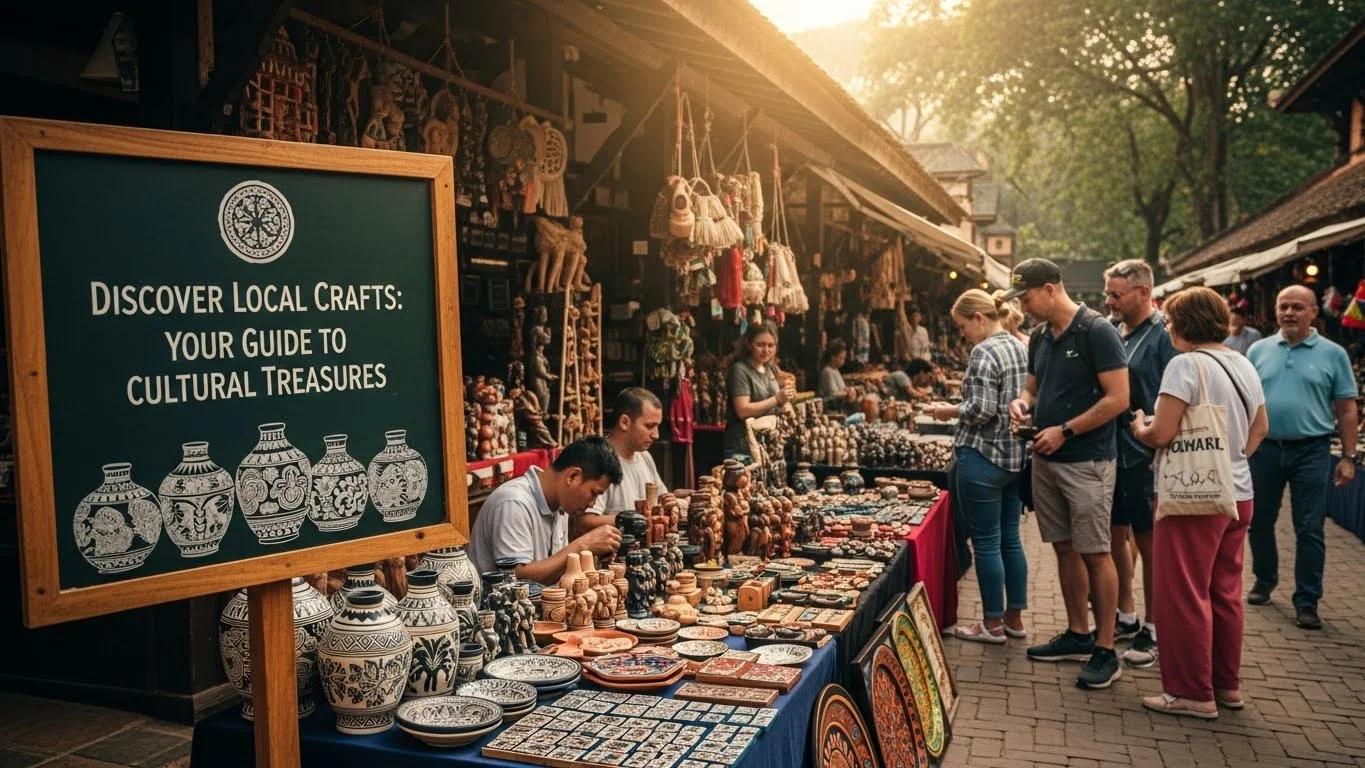
One of the most vibrant places to find local crafts is at local markets and craft fairs. I can’t tell you how many weekends I’ve spent wandering through booths filled with handmade goods, chatting with artisans, and soaking in the atmosphere. These events usually showcase a diverse range of crafts, from handmade jewelry to artisanal foods. I remember visiting a craft fair in my town where I stumbled upon a stall selling beautifully carved wooden toys. The artisan was eager to share the story behind each piece, which made my purchase feel even more significant. In my experience, these markets not only support local artists but also foster a sense of community and celebration.
Artisan Shops and Studios
Another great way to discover local crafts is to seek out artisan shops and studios. I’ve often wandered into quaint little shops tucked away in city corners or countryside lanes, each filled with unique items that reflect the talent of local craftsmen. Visiting these shops allows for a more intimate experience, as many artisans are often present and willing to share their processes. For instance, I once visited a small pottery studio where the potter demonstrated how they create their work. I left with a beautiful bowl and a deeper appreciation for the craft. These visits can be a delightful blend of education and shopping, leaving you with cherished memories and handmade goods.
Online Platforms for Local Crafts
In the digital age, discovering local crafts has also become easier through online platforms. Websites dedicated to handmade goods often feature artisans from various regions, allowing you to explore a wider selection without the need to travel. I’ve found sites where I can filter my search by region or craft type, making it easy to find items that resonate with me. I remember ordering a handwoven rug from an artisan I discovered online. The process felt personal, as I exchanged messages with the maker about the colors and patterns. This online connection can sometimes replicate the experience of visiting a local shop, bringing the crafts directly to our homes. Read Interesting article: Experience Culture: Best Budget-Friendly Local Festivals
Community Workshops and Classes
Participating in community workshops and classes is another fantastic way to immerse yourself in local crafts. I’ve taken part in several classes, from pottery to textile dyeing, and each experience has deepened my appreciation for the craft. Not only do you learn new skills, but you also get to meet fellow craft enthusiasts and often the artisans themselves. I remember a pottery class where the instructor shared his journey and passion for the craft while teaching us the basics of throwing clay on the wheel. By the end of the class, I not only walked away with my own creation but also a newfound respect for the craft and the community that supports it.
Regional Highlights: Craft Traditions Across the U.S.
As I’ve traveled across the United States, I’ve been fortunate enough to encounter a plethora of regional craft traditions that reflect the unique cultural heritage of each area. Here’s a glimpse into some of these fascinating craft traditions that I’ve discovered, which might inspire you to explore them further.
New England: Quilting and Weaving
In New England, I found a strong tradition of quilting and weaving that dates back generations. The intricate patterns and vibrant colors of handmade quilts tell stories of families and communities. I visited a quaint quilt shop in Vermont where the owner showcased stunning pieces that combined modern design with traditional techniques. The artistry involved in each quilt is mesmerizing, and I’ve learned that many are passed down as heirlooms, each carrying a piece of family history.
The South: Pottery and Folk Art
Traveling to the South, I encountered a rich tapestry of pottery and folk art. I vividly remember visiting a pottery studio in North Carolina, where artisans used local clay to create functional and decorative pieces. The vivid glazes and unique forms made each item a work of art. Additionally, folk art in the South often incorporates elements of the natural environment, from painted wooden sculptures to intricate metalwork. These crafts reflect the history and traditions of the region, making them truly special.
The Midwest: Woodworking and Metalwork
The Midwest is renowned for its exceptional woodworking and metalwork. During my travels, I stumbled upon a woodworking shop in Wisconsin where artisans crafted stunning furniture pieces. The attention to detail and craftsmanship was evident in every item. I even had the chance to speak with a metalworker who created intricate sculptures from reclaimed materials, turning what could have been waste into art. The creativity and resourcefulness of these craftsmen left a lasting impression on me.
The West: Native American Crafts
The Western United States boasts a rich heritage of Native American crafts. I’ve been fortunate to attend gatherings where artisans display their beadwork, pottery, and woven baskets. Each piece carries deep cultural significance and tells a story of tradition and identity. I remember purchasing a beautifully beaded bracelet from a Navajo artisan, who shared the meaning behind the colors and patterns. Supporting these crafts not only helps preserve cultural heritage but also fosters a deeper understanding of the history and values of Native American communities.
The Pacific: Surfboard Making and Jewelry
In the Pacific, I was captivated by the craft of surfboard making and unique jewelry designs. I visited a surfboard factory in Hawaii where artisans handcraft each board with precision and care. The vibrant colors and designs reflect the island culture and connection to the ocean. I also discovered local jewelers utilizing shells and coral in their creations. These pieces are not only beautiful but also embody the spirit of the Pacific, making them cherished collectibles.
Exploring regional craft traditions across the U.S. has opened my eyes to the incredible diversity of handmade goods. Each region offers a unique beauty and story, and I encourage you to seek out these local crafts during your travels or even in your own community.
How to Support Local Crafts
Purchasing Directly from Artisans
One of the most impactful ways to support local crafts is to purchase directly from artisans. I love the feeling of walking into a studio or booth, where I can meet the creator and learn about their craft firsthand. There’s something special about buying a piece knowing exactly who made it and the story behind it. I recall visiting a local artisan market where I bought a beautiful hand-carved wooden figurine. The artisan was present, and I had the chance to hear about their inspiration and the techniques they used. This personal connection made the purchase feel so much more meaningful. Plus, it ensures that the money goes straight to the artist, allowing them to continue their craft and sustain their livelihood.
Participating in Craft Workshops
Participating in craft workshops is another fantastic way to support local artisans while immersing yourself in the craft. I’ve attended several workshops where I learned skills like pottery and weaving. Not only do you gain hands-on experience, but your participation also directly supports the artisan’s work. I remember one pottery workshop where the instructor shared their journey and passion for the craft. By the end of the class, I not only walked away with a handmade piece but also a newfound respect for the dedication that goes into each creation. I encourage you to seek out workshops in your area or during your travels; they are a wonderful way to connect with the craft community.
Promoting Local Artisans on Social Media
In today’s digital world, social media is a powerful tool for promoting local artisans and their crafts. I often share my favorite finds on my social media profiles. It’s a simple yet effective way to help artisans reach a broader audience. This past holiday season, I showcased some handmade ornaments I bought from a local artisan. The artist appreciated the exposure, and it felt rewarding to support someone’s passion project. If you have a favorite local artist, consider sharing their work with your friends and followers. You never know who might be inspired to support them too!
Understanding Fair Trade Practices
Understanding fair trade practices is crucial when buying local crafts, especially if you’re purchasing from artisans in developing regions. I’ve learned that fair trade ensures artisans receive fair compensation for their work and that their rights are respected. When I buy crafts, I try to support sellers who prioritize fair trade principles. This not only helps sustain the artisans’ businesses but also fosters ethical practices in the craft community. I remember purchasing a beautiful handwoven basket from a fair trade shop, and knowing that my purchase contributed to the local economy felt incredibly rewarding. It’s essential to do our research and support brands that align with our values.
Crafting as a Cultural Experience
Participating in Craft Festivals
Craft festivals are a fantastic way to immerse yourself in the local craft culture. I always look forward to these events, as they celebrate the creativity and diversity of artisans. At a recent festival, I found myself surrounded by vibrant displays of crafts from various regions. I was able to chat with artisans, participate in demonstrations, and even try my hand at some crafts. These festivals not only showcase incredible talent but also foster a sense of community, bringing together artists and craft lovers alike.
Learning About Craft Techniques
Learning about craft techniques can deepen your appreciation for local crafts. I’ve attended talks and workshops where artisans demonstrated their skills, explaining the history and significance of their craft. This insight has enriched my understanding of the pieces I own. For instance, I attended a weaving workshop where the artisan explained the symbolism behind different patterns. Now, every time I look at my woven wall hanging, I can appreciate the deeper meaning behind it. Engaging with artisans in this way allows us to understand the heritage and stories that each craft embodies.
Engaging with Craft Communities
Engaging with craft communities can provide ongoing support and appreciation for local artisans. I’ve joined local craft groups where we share our experiences, tips, and even organize outings to visit artisans. Being part of such a community has broadened my horizons and introduced me to new crafts and techniques. It’s inspiring to connect with like-minded individuals who share a passion for supporting artisans and preserving cultural heritage. I encourage you to seek out local craft groups or online communities; they can be a source of inspiration and camaraderie.
Tips for Discovering Local Crafts While Traveling
Researching Local Craft Scenes
Before embarking on a trip, I always take some time to research the local craft scene. I look for artisan markets, workshops, and galleries that showcase local talent. Websites and social media platforms are great resources for finding out what’s happening in the area. For example, during a recent trip to a new city, I discovered a local craft fair happening that weekend. Attending not only allowed me to shop for unique souvenirs, but I also met some incredible artisans.
Connecting with Local Artisans
While traveling, I make it a point to connect with local artisans. Visiting their studios or galleries gives me insight into their techniques and stories. I once met an artist who invited me to watch them work on a mural. That experience not only enriched my trip but also sparked a deeper appreciation for their craft. Building relationships with artisans can lead to meaningful conversations and perhaps even future collaborations or learning opportunities.
Finding Authentic Souvenirs
When I travel, I prefer to seek out authentic souvenirs that represent the local culture. Instead of generic items, I look for crafts that tell a story or reflect the region’s heritage. I remember finding a handmade ceramic piece that truly captured the spirit of the area. It’s these unique items that I cherish the most, as they remind me of the places I’ve visited and the artisans I’ve met.
Documenting Your Craft Experiences
Documenting my craft experiences has become a habit I truly enjoy. I often keep a travel journal where I jot down details about artisans I meet, workshops I attend, and the pieces I purchase. I also take photos to capture the beauty of the crafts and the stories behind them. Looking back at my journal brings a smile to my face and allows me to relive those moments. I encourage you to document your journey in a way that feels right for you, whether through writing, photography, or art.
Frequently Asked Questions about Local Crafts
What Makes a Craft ‘Local’?
A craft is considered ‘local’ when it is made by artisans who are part of a specific community, using techniques or materials unique to that area. This connection to the community is what gives local crafts their authenticity and significance.
How Can I Identify Authentic Local Crafts?
To identify authentic local crafts, look for labels or certificates that indicate the artisan’s background or the materials used. Engaging with the artisans and asking questions about their processes can also help ensure that you’re purchasing genuine items.
Are There Any Risks in Buying Local Crafts?
While most local crafts are made with care, it’s important to do your research before purchasing. Check reviews or ask for recommendations to avoid items that may not meet your expectations. Additionally, buying from reputable sources can minimize the risk of supporting exploitative practices.
What are the Benefits of Supporting Local Artisans?
Supporting local artisans contributes to the sustainability of communities and the preservation of cultural heritage. It helps artists continue their craft and empowers them to provide for their families and train future craftsmen.
How Do Local Crafts Reflect Cultural Identity?
Local crafts preserve cultural identity by showcasing the traditions, skills, and narratives of a community. They offer a glimpse into a region’s history and beliefs, making them significant cultural artifacts.
Where Can I Find Local Crafts?
Local crafts can be found at local markets, craft fairs, artisan shops, and studios. Online platforms also provide access to handmade goods from various artisans, making it easier to discover local crafts.
What Types of Local Crafts Are There?
Types of local crafts include traditional handicrafts, textiles and fabrics, ceramics and pottery, woodwork and sculpture, and jewelry and accessories. Each type showcases unique techniques and cultural stories.
How Can I Support Local Crafts?
You can support local crafts by purchasing directly from artisans, participating in craft workshops, promoting local artisans on social media, and understanding fair trade practices to ensure ethical purchasing.
How Can I Discover Local Crafts While Traveling?
To discover local crafts while traveling, research the local craft scene, connect with artisans, seek authentic souvenirs, and document your craft experiences to enrich your understanding and appreciation.
What Role Do Local Crafts Play in Community Building?
Local crafts foster a sense of community by connecting consumers with artisans, facilitating interactions that enrich the purchasing experience, and helping to build relationships that support local economies and traditions.
Final Thoughts
As I reflect on my experiences with local crafts, I realize how they have enriched my life in countless ways. Each piece tells a story, connecting us to the artisans and the culture they represent. Supporting local crafts isn’t just about acquiring unique items; it’s about fostering communities, preserving traditions, and creating meaningful connections. Whether you’re traveling or exploring your own backyard, I encourage you to delve into the world of local crafts. You might just discover something that resonates with you and deepens your understanding of the beauty in our diverse world.