
Embarking on a culinary adventure as a solo traveler opens up a world of flavors and experiences. Discovering local food not only satisfies your taste buds but connects you deeply with the culture around you. For more insights on how to immerse yourself in local culture, check out Experience Local Life: Budget Cultural Immersion Ideas.
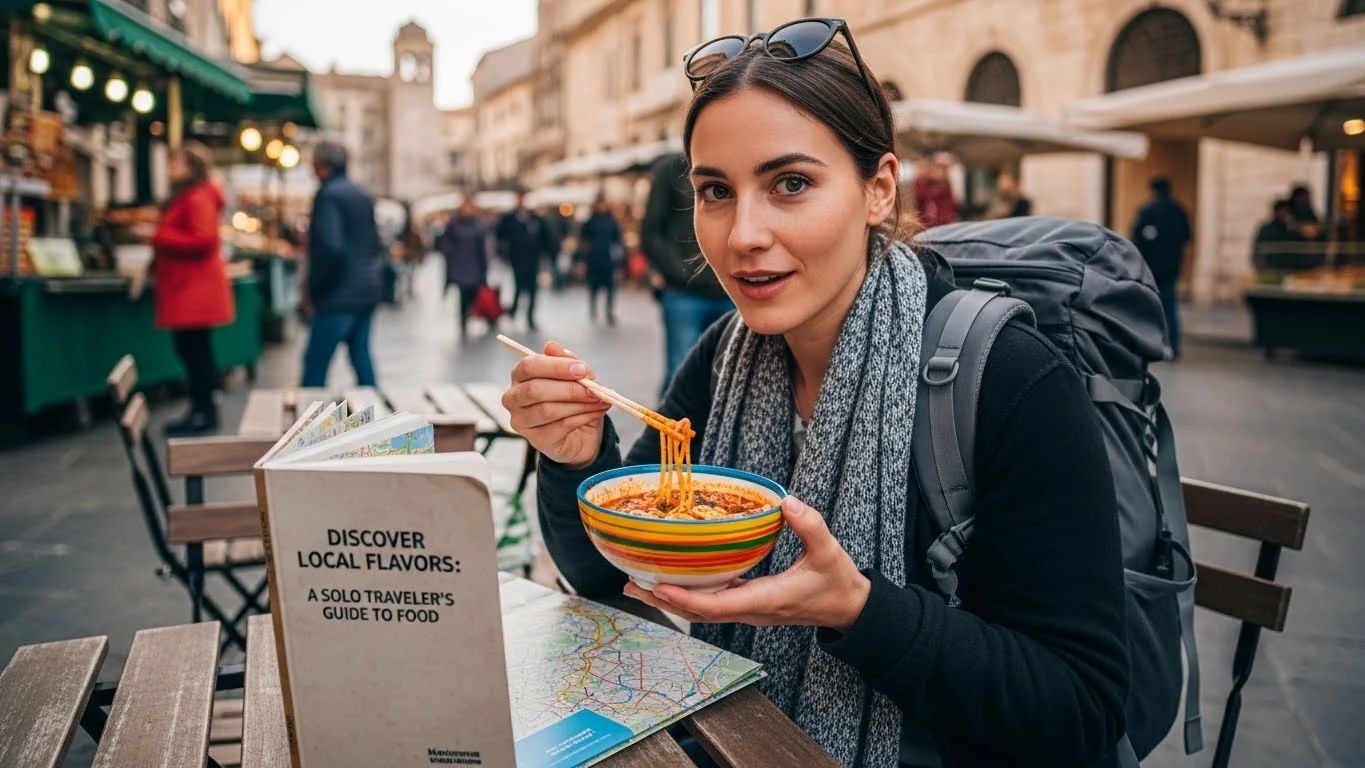
Understanding Local Flavors: The Essence of Culinary Travel
When I think about my travels, the memories that linger most vividly often involve the food I encountered. Each dish tells a story, offering a glimpse into the culture and traditions of the place. For me, diving into local flavors is like opening a window to a new world. It’s not just about eating; it’s about experiencing life through the lens of a culture’s culinary heritage.
The Importance of Food in Cultural Experiences
Food is a universal language, transcending barriers and fostering connections. I’ve noticed that whether I’m in a bustling market in Marrakech or a quaint café in Florence, sharing a meal can break the ice faster than any conversation starter. When I savor a traditional dish, I’m not just enjoying the flavors; I’m participating in a long-standing cultural practice, connecting with the people who created that dish, and understanding their way of life. Food embodies the history, resources, and creativity of a community. It wraps you in its embrace, inviting you to understand the local way of life.
How Food Connects Solo Travelers to Local Communities
As a solo traveler, I often find myself at a crossroads: wanting to explore but also seeking connection. Food has been my bridge. I remember sitting alone at a street-side café in Paris, a plate of coq au vin in front of me. The aroma was intoxicating, and as I took my first bite, I felt a wave of warmth. Suddenly, I was surrounded by locals; laughter rang out, conversations flowed, and I felt less alone. Food has an incredible way of bringing people together, and as I shared a table with strangers, I made connections that transformed my experience from solitary to communal.
In many cultures, sharing a meal is a sign of hospitality and friendship. I’ve been invited to homes for dinner in various countries, where families welcomed me as if I were one of their own. These experiences have enriched my travels and turned fleeting moments into lasting memories. For me, the best part of traveling alone is forging these unexpected connections, and food is often the catalyst.
Planning Your Culinary Journey
When planning a trip focused on food, I’ve found that a little research goes a long way. Knowing what to expect can open up new opportunities to tap into local flavors and culinary experiences. Below are some tips that I’ve accumulated over the years.
When to Visit: Seasonal Food Events and Festivals
Timing your visit can dramatically enhance your culinary experience. I’ve been fortunate enough to attend food festivals that celebrate local ingredients and traditional dishes. These events, often held during harvest seasons, not only offer a chance to taste a variety of food but also to interact with local chefs and farmers. I remember my trip to Spain during the tomato festival in Buñol, where I joined in a joyous food fight that celebrated the bounty of the harvest. It was chaotic, messy, and utterly delightful! Exploring seasonal food events can turn an ordinary trip into something truly extraordinary.
Choosing Destinations Known for Their Cuisine
Every region has its star dishes, and I love seeking out these culinary hotspots. Whether it’s the rich curries of India, the vibrant flavors of Thai street food, or the comforting pastas of Italy, each destination has something unique to offer. I generally create a list of must-try dishes before I go, and it gives me a goal to work towards during my travels. For example, during my visit to Mexico, I made it my mission to try every type of taco I could find, from al pastor to barbacoa. That quest not only filled my belly but also filled my heart with joy. For those interested in solo travel, the Ultimate Guide to Solo Adventure Travel Destinations can provide more insights.
Researching Local Food Culture Prior to Your Trip
Before I set off on my culinary adventures, I dive deep into the local food culture. This involves reading up on the history of the cuisine, understanding key ingredients, and learning about traditional cooking techniques. I find documentaries and blogs particularly helpful in painting a vivid picture of what to expect. I remember watching a series on Japanese cuisine, which inspired me to seek out a traditional kaiseki meal while in Kyoto. That meal was a beautiful representation of art and flavor, and it would have been easy to miss had I not done my homework.
Additionally, connecting with locals through social media can provide insider tips that I might not find in guidebooks. I often reach out to food bloggers or locals, asking for recommendations on hidden gems and local favorites. The more I learn, the more excited I become about the journey ahead.
Essential Tips for Solo Food Travelers
Navigating Local Markets: A Solo Traveler’s Guide
Navigating local markets can be one of the most exhilarating parts of culinary travel. I remember my first time wandering through a bustling market in Thailand, the vibrant colors and scents swirling around me were overwhelming in the best way. I found that being alone didn’t hinder my experience; instead, it gave me the freedom to explore at my own pace. I often take a deep breath and dive in, letting my curiosity guide me.
One thing I’ve learned is to embrace the chaos. Markets can be busy, with vendors calling out to attract customers and the enticing smell of street food lingering in the air. I usually start by wandering around, taking in the sights and sounds before committing to a meal. Sampling different foods is both fun and practical. I’ve found that many vendors offer small portions, which allows me to try various dishes without feeling stuffed. I suggest asking locals for recommendations on what to try. They often have the best insights into which stalls serve the most delicious food.
Additionally, I’ve discovered that bargaining can be part of the experience in many markets. I remember haggling over the price of fresh fruit in a Moroccan souk. While it felt intimidating at first, it ended up being a fun interaction that helped me engage more deeply with the culture. Just remember to keep it light-hearted and respectful. The goal is to connect, not just to save a few bucks.
Dining Etiquette Around the World
Understanding dining etiquette can make a huge difference in how I experience local cuisine. I’ve learned that each culture has its own set of rules, and being aware of them can help me show respect and enhance my interactions. For instance, in Japan, I found that it’s polite to say “Itadakimasu” before starting a meal. This little gesture of gratitude made me feel more connected to the food I was about to enjoy.
In many Mediterranean countries, meals are seen as a leisurely affair. I remember sitting for hours at an outdoor café in Greece, savoring each course while soaking in the atmosphere. I learned that rushing through a meal could be perceived as disrespectful. On the flip side, in some Asian countries, it’s common practice to share dishes, so it’s helpful to be prepared for a communal dining experience. I’ve often found myself passing plates around and trying bites of everyone’s selections, which only adds to the joy of the meal.
Being aware of these nuances not only helps me avoid faux pas but also allows me to immerse myself more fully in the dining experience. I often feel that learning about these customs is just as important as tasting the food itself.
Meeting Locals Through Food: Cooking Classes and Food Tours
One of my favorite ways to connect with local cultures is through cooking classes and food tours. I remember signing up for a cooking class in Italy, where we learned to make fresh pasta from scratch. The experience was nothing short of magical. As we kneaded the dough and filled ravioli, we shared stories and laughter with the locals who led the class. It was a wonderful way to break down barriers and forge connections over a shared love of food.
Food tours are another great option. I’ve taken guided tours in various cities where local chefs or food enthusiasts introduced me to hidden gems. I recall one memorable tour in Barcelona, where we hopped from one tapas bar to another, sampling everything from patatas bravas to churros. The best part was hearing the stories behind each dish directly from the locals, which added layers of meaning to each bite.
These experiences are not just about the food; they are rich with cultural insights and personal connections. I always recommend checking platforms like Airbnb Experiences or local tourism websites to find unique classes and tours that speak to your culinary interests. It’s a fantastic way to meet people and create lasting memories while enriching your understanding of the local cuisine.
Local Flavors by Region
North America: From Street Tacos to Southern BBQ
When I think of North America, I can’t help but get excited about the incredible variety of flavors across the continent. Each region has its unique identity, especially when it comes to food. For instance, my experience with street tacos in Los Angeles was a revelation. The first time I bit into a freshly made tortilla stuffed with carne asada, cilantro, and a splash of lime, I felt as if I had been transported to Mexico itself. The vibrant atmosphere of the taco trucks, the friendly vendors, and the sizzling sounds of meat cooking made it an unforgettable experience.
Then there’s Southern BBQ, which I had the pleasure of indulging in during a road trip through Texas. The smoky aroma of brisket wafting through the air was tempting, and I knew I had to try it. I spent an afternoon at one of the local joints, where I learned about the different smoking techniques used in preparing the meat. The rich flavors and the sense of community in the restaurant made my trip all the more special. It’s experiences like these that showcase how food in North America is a beautiful blend of cultures, traditions, and stories.
South America: Exploring Peruvian Cuisine and Brazilian Feasts
Traveling to South America opened my eyes to an explosion of flavors that I had never encountered before. Peru, in particular, has a culinary scene that’s become increasingly renowned. I remember sitting in a small restaurant in Lima, where I tried ceviche for the first time. The freshness of the fish, combined with the tanginess of lime and the spice of ají pepper, created a dish that was refreshing yet complex. I even had the chance to visit a local market where the fish was sourced daily, learning about the importance of fresh ingredients in Peruvian cooking.
Brazilian feasts, on the other hand, are a lively celebration of flavors. I joined a street festival in Rio de Janeiro, where the air was filled with the scent of grilled meats and fried snacks like coxinhas and pastéis. The vibrant music and joyful atmosphere made it easy to connect with locals as we shared plates of food. Each bite was a reminder of Brazil’s rich cultural tapestry, reflecting indigenous, African, and European influences.
Europe: Italian Pastas, French Pastries, and Spanish Tapas
Europe is like a culinary playground for food lovers. My trips across various countries have been a gastronomic feast. Italy holds a special place in my heart, especially when it comes to pasta. I recall sitting at a rustic trattoria in Florence, where I savored a bowl of homemade pappardelle with wild boar ragu. The flavors were so rich and comforting that it felt like being wrapped in a warm blanket. I learned that food in Italy is often about simplicity and high-quality ingredients, which made each dish feel special.
France, with its decadent pastries and sophisticated cuisine, offered a different experience. I can still taste the buttery layers of a fresh croissant from a corner bakery in Paris. Climbing the steps to Montmartre, I would often pause to indulge in a pastry, feeling like I was part of a beautiful cityscape infused with history and flavor. And how could I forget the tapas culture of Spain? I remember hopping from bar to bar in Seville, sharing small plates of patatas bravas and jamón ibérico with new friends. Each bite was a burst of flavor, and the communal aspect of dining made every meal a shared celebration.
Asia: Sushi in Japan, Street Food in Thailand, and Dim Sum in China
Asia is another realm of culinary wonder. My journey through Japan was defined by the elegance of sushi. Visiting Tsukiji Market in Tokyo was a highlight; I woke up early to partake in the hustle and bustle, sampling fresh sushi that melted in my mouth. The precision and artistry behind each piece fascinated me, showcasing a deep respect for the ingredients. I feel that sushi is not just a meal but an experience, reflecting the meticulous nature of Japanese culture.
In Thailand, street food became my daily ritual. I remember wandering through the night markets, where the sizzling sounds of wok-fried dishes beckoned me. I tried pad Thai, tom yum soup, and mango sticky rice, all bursting with flavors that danced on my palate. Each vendor had their unique twist on classic dishes, and I cherished the opportunity to eat where locals dined. It was a culinary adventure that felt authentic and exhilarating.
And then there’s the dim sum experience in China. I had the pleasure of exploring a bustling dim sum restaurant in Hong Kong, where carts filled with steaming buns and dumplings rolled around. I loved the excitement of choosing dishes on the spot, and the communal spirit of sharing small plates enriched my understanding of Chinese dining culture.
Africa: Traditional Moroccan Tagine and Ethiopian Injera
Africa has captivated me with its diverse flavors and cooking traditions. My introduction to Moroccan cuisine was unforgettable. Sitting in a riad, I enjoyed a traditional tagine, where the slow-cooked meat and vegetables created a symphony of flavors. The spices used were exquisite, and each bite felt like a journey through the Moroccan landscape. I also learned about the communal aspect of eating, where sharing a meal is a gesture of hospitality and friendship.
In Ethiopia, I was introduced to injera, a spongy flatbread that serves as both a plate and utensil. I remember sitting on the floor, using my hands to scoop up flavorful stews. It was a beautiful experience of connection, as we shared the meal and stories around the table. Each region in Africa has its unique culinary identity, and I feel lucky to have tasted the diversity of flavors that the continent offers.
Oceania: Fresh Seafood in Australia and New Zealand Cuisine
Finally, Oceania brings its own culinary treasures. In Australia, I was amazed by the focus on fresh, local seafood. I visited a coastal town where I dined on fish caught that very morning. The freshness was evident, and I felt a strong connection to the ocean. I also discovered the unique blend of indigenous ingredients in New Zealand cuisine, like kumara and green-lipped mussels. It’s a beautiful representation of the land and sea, showcasing the importance of sustainability and local sourcing.
Frequently Asked Questions
What is the significance of food in cultural experiences for travelers?
Food serves as a universal language that transcends barriers, fostering connections and allowing travelers to participate in cultural practices, understand local histories, and connect with the communities they visit.
How can food help solo travelers connect with local communities?
Food acts as a bridge for solo travelers, providing opportunities to engage with locals. Sharing meals can transform solitary experiences into communal ones, fostering connections and creating lasting memories.
What are some tips for planning a culinary journey?
Travelers should conduct research on local food culture, identify seasonal food events and festivals, and create a list of must-try dishes to enhance their culinary experience during their travels. For families planning road trips, the Ultimate Guide to Budget Family Road Trip Destinations can be a useful resource.
Why is timing important when visiting culinary destinations?
Timing can dramatically enhance a culinary experience, as visiting during seasonal food events or festivals allows travelers to taste local ingredients and traditional dishes while interacting with local chefs and farmers.
What should travelers know about navigating local markets?
Travelers should embrace the vibrant chaos of local markets, sample small portions from various vendors, ask locals for recommendations, and engage in light-hearted bargaining to connect with the culture.
How can understanding dining etiquette enhance a culinary experience?
Being aware of dining etiquette in different cultures helps travelers show respect and immerse themselves more fully in the dining experience, avoiding faux pas and enhancing interactions with locals.
What are some ways to meet locals through food?
Travelers can connect with local cultures by participating in cooking classes and food tours, where they can learn about traditional cooking methods and sample authentic dishes while sharing experiences with locals.
What types of cuisine can be explored in North America?
North America offers a diverse range of culinary experiences, including street tacos from Los Angeles and Southern BBQ from Texas, showcasing a beautiful blend of cultures and traditions.
What are some notable dishes from South America?
South America features unique flavors, such as Peruvian ceviche and Brazilian street festival foods, reflecting a rich cultural tapestry of indigenous, African, and European influences.
What culinary experiences can travelers expect in Europe?
Europe provides a gastronomic feast with highlights like Italian pastas, French pastries, and Spanish tapas, where each dish is often characterized by simplicity, high-quality ingredients, and a communal dining experience.