
Embarking on a solo hiking adventure can be an exhilarating experience. There’s something magical about exploring nature alone, and the best part? You don’t need to break the bank to make it happen! For some inspiration, check out our Top 10 Solo Hiking Trails for Budget Backpackers.
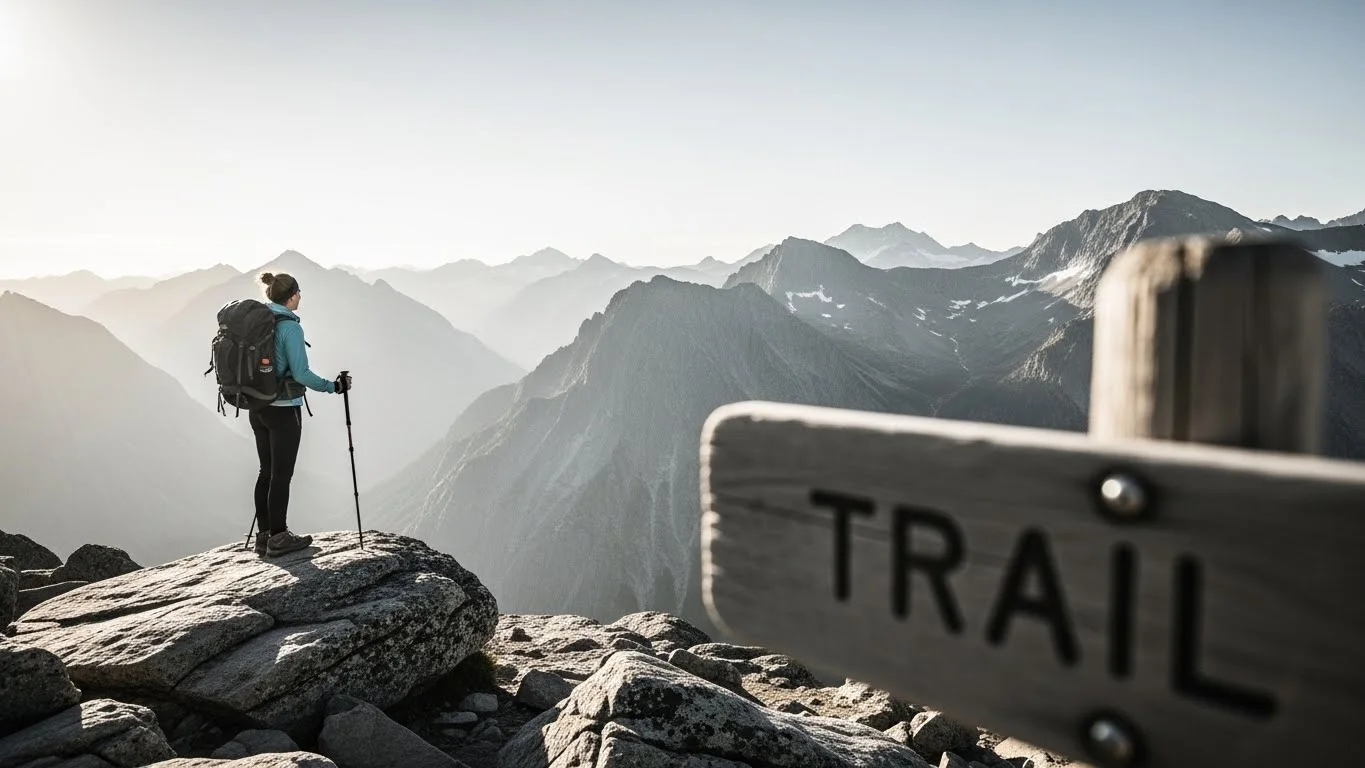
Understanding Solo Hiking
When I first decided to take a solo hiking trip, I was both excited and nervous. The idea of hitting the trails alone was thrilling, but I also had a million questions swirling in my mind. What should I expect? How do I stay safe? Over time, I learned a lot about the beauty and challenges of solo hiking, and I want to share that with you.
Benefits of Solo Hiking
One of the most rewarding aspects of solo hiking is the freedom it offers. You can choose your path, set your pace, and immerse yourself in nature without distractions. I remember my first solo hike—it was just me, my backpack, and the sounds of the forest. I felt connected to the world around me in a way I hadn’t experienced before.
Being alone on the trail also allows for deep reflection. I often found myself pondering life’s big questions or simply enjoying the beauty of my surroundings. I think there’s something therapeutic about being alone in nature; it gives you space to think and to breathe. Plus, it’s a great way to challenge yourself. Facing the solitude can help build your confidence and self-reliance.
Safety Considerations for Solo Hikers
However, solo hiking comes with its own set of challenges. Safety should always be a top priority. Before you head out, I recommend letting someone know your plans, including your intended route and estimated return time. It’s essential to have a reliable way to communicate in case of emergencies. I often carry a portable charger for my phone and inform a friend of my location.
Another consideration is to research the area you plan to hike. Some trails are well-maintained and have clear signage, while others might be more remote and rugged. I’ve learned the hard way that getting lost can be stressful, so I always carry a physical map and compass, even if I have my GPS. Trust me; it’s better to be overprepared than underprepared!
Lastly, be aware of your physical limits. I’ve had days when I felt ambitious, only to realize halfway through that I had overestimated my stamina. Always listen to your body, and don’t hesitate to turn back if you feel fatigued or if conditions worsen.
Choosing the Right Hiking Trail
Now that we’ve covered the basics of solo hiking, let’s dive into how to choose the right trail. The perfect hiking experience begins with selecting a trail that fits your skill level and interest.
Factors to Consider When Selecting a Trail
When I’m choosing a trail, I consider several factors. First, I think about the location. Is it accessible? I’ve found that some of my favorite hikes are just a short drive from home, which saves on travel costs. Weather is another essential factor. I always check the forecast and avoid trails during heavy rain or extreme weather.
Next, I consider the length of the hike. A full day on the trail sounds great, but I’ve learned to be cautious about overcommitting myself. I prefer hikes that I can complete in a reasonable time, allowing me to enjoy the scenery without the pressure of rushing back before dark.
Types of Trails for Solo Hikers
There are various types of trails to choose from, and each offers different experiences. Loop trails are my personal favorite because they start and end at the same point, making logistics easier. Point-to-point trails, on the other hand, can be more challenging due to transportation needs. I’ve hiked both types, but I often find loop trails to be less stressful.
Additionally, consider whether you want a scenic route with stunning views, a forest trail that offers a peaceful escape, or a challenging climb that tests your endurance. Each type has its own charm, and I believe the best choice reflects your mood and goals for the hike.
Difficulty Levels and Trail Ratings
Every trail comes with a difficulty rating, which is crucial for solo hikers. I’ve made the mistake of underestimating a trail’s difficulty, thinking I could handle it based on my previous experiences. It’s important to consult trail guides or websites that provide detailed descriptions and ratings. Most national parks and hiking apps offer excellent resources for understanding what to expect.
In my experience, starting with easier trails is a good way to build confidence. Once you feel comfortable, you can progressively challenge yourself with more difficult hikes. Remember, every hike is an opportunity to learn and grow, and there’s no rush to conquer the toughest trails right away.
Budget-Friendly Hiking Destinations
Finding great places to hike doesn’t have to strain your wallet. I’ve discovered some incredible budget-friendly hiking destinations that allow you to connect with nature without spending a fortune. The key is to seek out locations that offer stunning views and challenging trails while keeping costs low. For more ideas, check out our article on Affordable Hiking Trails: Nature Adventures for Everyone.
National Parks to Explore on a Budget
One of the best ways to experience nature on a budget is by visiting national parks. Many of them have affordable entrance fees and offer a wealth of trails to explore. I remember visiting several national parks, and each time, I was blown away by the breathtaking landscapes and diverse ecosystems.
For instance, Great Smoky Mountains National Park has no entrance fee, making it a fantastic option for budget-conscious hikers. With over 800 miles of trails, you can spend days exploring everything from lush forests to stunning vistas. I loved hiking to Clingmans Dome, the highest point in the park, where the panoramic views were absolutely worth the effort.
Joshua Tree National Park is another favorite of mine. The unique rock formations and iconic Joshua trees create an otherworldly landscape. The park has a modest entrance fee, and you can find numerous trails suitable for various skill levels. Plus, the stargazing at night is an unforgettable experience!
State Parks with Affordable Trails
State parks are often overlooked gems, offering beautiful trails with lower fees than national parks. I’ve found some amazing state parks that provide a perfect escape without breaking the bank. Red Rock Canyon State Park in California is one of them. The entrance fee is quite reasonable, and the vibrant red rock formations are mesmerizing. I enjoyed hiking the scenic loop trail, which gave me a closer look at the stunning geology.
Hocking Hills State Park in Ohio is another great choice. With its picturesque waterfalls and lush woodlands, it’s easy to see why it’s a popular spot. The park offers free admission, and you can hike through beautiful trails like Old Man’s Cave without spending a dime. I found the beauty of the trails here to be incredibly rejuvenating.
Local Trails Near Major Cities
If you’re looking for a quick escape without the need for a long drive, local trails near major cities can be a fantastic option. I’ve often explored trails close to home, and it’s surprising how much nature is just around the corner. For example, in Los Angeles, you can visit Griffith Park, which boasts numerous trails offering stunning views of the city and the iconic Hollywood sign. Best of all, it’s free! I’ve spent many afternoons wandering the trails, soaking in the scenery, and enjoying some solitude.
In New York City, Central Park provides a surprising escape from the hustle and bustle. With its extensive network of walking paths and serene spots like the Ramble, it’s easy to forget you’re in the middle of a busy city. I often take my favorite book and find a quiet bench to relax and recharge.
Even smaller cities often have hidden trails. I discovered a lovely nature reserve near my home that has several hiking paths. It’s a great reminder that you don’t need to travel far to find beautiful places to hike. I encourage you to explore local parks or natural areas in your vicinity; you might find a new favorite hiking spot.
In my experience, the best hikes often come from a sense of adventure and exploration. Budget-friendly hiking destinations allow us to connect with nature without the burden of hefty fees. Whether it’s a national park, a state park, or a local trail, there’s always an opportunity to discover new landscapes and enjoy the great outdoors on a budget. So pack your gear, grab a friend or venture out solo, and hit the trails!
Top Stunning Solo Hiking Trails
Appalachian Trail (USA)
The Appalachian Trail is one of the most iconic hiking trails in the United States, stretching over 2,190 miles from Georgia to Maine. I’ve always been captivated by the idea of hiking a section of this trail. The diversity of landscapes—mountains, forests, and rivers—makes it a dream for any nature lover. I remember reading about the various sections of the trail, each offering its own unique charm. The trail is well-marked and has numerous shelters, making it a great option for solo hikers.
One of my favorite sections to recommend is the portion in the Great Smoky Mountains. The views from Clingmans Dome, the highest point on the trail, are absolutely breathtaking. I felt so small standing there, gazing at the endless ridges rolling into the distance. Plus, the wildlife is incredible! I spotted deer, wild turkeys, and even a few black bears from a safe distance. If you’re looking for a place that combines beauty, challenge, and history, the Appalachian Trail is definitely worth considering.
Pacific Crest Trail (USA)
The Pacific Crest Trail (PCT) runs from the Mexican border in California to the Canadian border in Washington, covering about 2,650 miles. I’ve heard so many inspiring stories from hikers who have tackled this trail. It’s known for its stunning mountain scenery, including the Sierra Nevada and the Cascade Range. Many solo hikers tackle sections of the PCT, creating a sense of accomplishment while enjoying the serene wilderness.
One section that stands out is the Sierras. I can only imagine how incredible it would feel to hike among the towering pine trees and crystal-clear lakes. The trail is challenging but incredibly rewarding. I’ve read that hikers often find camaraderie with others along the way, which adds to the experience. If you’re considering the PCT, I recommend starting with a shorter segment to get a taste of its beauty and challenge.
John Muir Trail (USA)
The John Muir Trail is a stunning hike in California that spans about 211 miles through the Sierra Nevada mountains. It’s a bucket-list trail for many, and I can completely understand why. The trail runs through some of the most beautiful parts of Yosemite, Sequoia, and Kings Canyon National Parks. The towering granite peaks, lush meadows, and sparkling lakes create a paradise for solo hikers.
I’ve always dreamed of hiking this trail, especially the section that passes through Tuolumne Meadows. The views from the passes are simply breathtaking, and there’s something magical about standing at the edge of a serene lake surrounded by mountains. It’s a great option for solo hikers because there are ample opportunities to camp along the way, giving you time to soak in the tranquility. I believe the John Muir Trail is an experience that can transform your relationship with nature.
Torres del Paine (Chile)
If you’re feeling adventurous and looking for an international destination, the Torres del Paine National Park in Chile is a must-visit. The park is famous for its dramatic landscapes, including the iconic granite towers that rise majestically above the Patagonian landscape. I’ve seen pictures that take my breath away, with turquoise lakes and sprawling glaciers set against a vibrant sky.
Many hikers choose to do the “W” circuit, which is a fantastic option for solo adventurers. The trails are well-marked, and the scenery is nothing short of spectacular. I can only imagine the excitement of waking up in a campsite with views of the mountains greeting you at sunrise. Plus, the friendly atmosphere among fellow hikers creates a supportive environment for solo travelers. If you have the chance to hike here, I highly recommend seizing the opportunity!
Cinque Terre (Italy)
Cinque Terre, located along the Italian Riviera, offers a unique combination of hiking and breathtaking seaside views. The five charming villages of Monterosso, Vernazza, Corniglia, Manarola, and Riomaggiore are connected by scenic trails that provide stunning views of the coastline. I’ve always dreamed of wandering through these colorful villages while soaking in the beautiful Mediterranean scenery.
The trails range in difficulty, making it accessible for solo hikers of various skill levels. I think the best part of hiking in Cinque Terre is the chance to explore local culture and cuisine. After a day of hiking, you can treat yourself to fresh seafood and homemade pasta at one of the many quaint restaurants. It’s a perfect blend of adventure and relaxation, making it a fantastic destination for those seeking a more leisurely solo hiking experience.
Inca Trail (Peru)
The Inca Trail is a bucket-list hike for many, leading adventurers to the ancient ruins of Machu Picchu. This trail is not only steeped in history but also surrounded by breathtaking views of the Andes mountains. I’ve heard from friends who have taken this journey that it’s a life-changing experience. The combination of challenging terrain and the awe-inspiring ruins makes for an unforgettable adventure.
What I love about the Inca Trail is the opportunity for solo hikers to meet fellow travelers along the way. Many go as part of guided groups, which can provide a sense of safety and community. Plus, the guides often share insightful stories about the history and significance of the landmarks along the route. If you’re looking for a hike that combines adventure, culture, and stunning beauty, the Inca Trail should definitely be on your radar.
Planning Your Solo Hiking Trip
Essential Gear for Solo Hiking
When it comes to solo hiking, having the right gear can make all the difference. I remember the first time I hit the trails alone; I didn’t realize how important it was to pack smartly. Now, I always have a checklist before I set off, ensuring I have everything I need. A sturdy backpack is essential, and I love mine because it fits comfortably and has just the right compartments for organization. For more tips, check out our article on Essential Gear for Budget-Friendly Winter Hiking Trips.
I recommend packing a hydration system or water bottles to keep you hydrated on the trail. I always carry a water filter or purification tablets, especially when hiking in remote areas. It’s amazing how much lighter my pack feels when I can refill my water along the way!
Don’t forget about food! I like to pack lightweight snacks like trail mix, energy bars, and dried fruits. They give me the energy boost I need without weighing me down. A small camp stove is also a great investment if you plan on cooking meals, as nothing beats a warm meal after a long day of hiking.
In addition to food and water, I always carry a first aid kit, a multi-tool, and a flashlight—just in case. I’ve learned the hard way that you never know when you might need these items. Also, always bring layers of clothing, as the weather can change quickly. A warm fleece, a waterproof jacket, and a beanie can keep you comfortable throughout the day.
Finding Affordable Accommodations
Finding a place to stay during your solo hiking trip can be both exciting and daunting. I’ve discovered that there are plenty of budget-friendly options out there. If you’re planning a longer hike, consider campgrounds or hostels, which can be quite economical. I find that staying in campgrounds allows me to feel more connected to nature, and it’s a great way to meet fellow hikers.
Many national and state parks offer camping facilities at low rates. I remember staying at a campground near a trailhead, which made it so easy to get an early start in the morning. Just make sure to book in advance during peak seasons to secure your spot.
If camping isn’t your style, look for budget hotels or motels in nearby towns. Sometimes, I check out local Airbnb listings, which can offer unique stays that fit my budget. I once stayed in a cozy cabin that was just a short drive from the trailhead, and it felt like a mini-vacation!
Budgeting for Food and Supplies
Food is another area where I’ve learned to be smart about my spending. Before I head out, I plan my meals and create a shopping list. I find that buying groceries and preparing my own meals saves a lot of money compared to eating out. Plus, it’s fun to cook while camping! I’ve enjoyed making hearty meals over a campfire, and it adds to the experience.
For snacks, I often buy in bulk, which helps keep costs down. I also bring along reusable containers to store leftovers or snacks. In my experience, having food on hand means I can enjoy the trail without worrying about running out of energy.
Don’t forget to budget for any park entry fees or permits you might need. I always check the park’s website ahead of time to ensure I have everything ready before I arrive.
Safety Tips for Solo Hikers
Communicating Your Plans
One of the most important aspects of solo hiking is communication. I make it a habit to share my hiking plans with someone I trust. This includes details about my intended route and my estimated return time. I’ve found it reassuring to have someone back home who knows where I am in case something goes wrong.
Keeping Emergency Contacts
Having emergency contacts is crucial as well. I save important numbers on my phone and keep a physical list in my backpack. If I ever find myself in need of help, it’s comforting to know I can reach someone quickly. I also carry a whistle, which can be a lifesaver in emergencies, especially if I’m out of cell service range.
Navigation Tips for Solo Hikers
Navigating unfamiliar trails can be challenging, but it’s also part of the adventure. I always carry a physical map and a compass, even if I have my GPS. I’ve learned that technology can fail, so being prepared with traditional navigation tools helps me feel more secure. Before I head out, I take some time to familiarize myself with the trail, noting landmarks and potential hazards along the way.
Local Resources for Solo Hikers
Online Hiking Communities
Connecting with other hikers can be incredibly beneficial, especially when you’re venturing out solo. I’ve found that online hiking communities are a treasure trove of information. Websites and forums allow us to share tips, recommend trails, and even find hiking buddies.
Guided Tours and Meetups
If you’re feeling uncertain about hiking alone, consider joining guided tours or meetups. I’ve participated in several group hikes where I met amazing people and learned new skills. It’s a great way to enjoy the outdoors while still having the safety and support of a group.
Trail Apps and Resources
There are so many trail apps available nowadays that make planning and navigating easier. I love using apps that provide trail maps, weather updates, and even reviews from other hikers. They’re a great resource for finding new trails and staying informed about conditions.
Final Thoughts
Embarking on a solo hiking adventure can be one of the most fulfilling experiences of your life. With the right preparation, gear, and mindset, you can explore breathtaking trails and connect with nature on a deeply personal level. I believe that each solo hike is an opportunity for self-discovery, reflection, and pure joy. So whether you’re planning your first hike or are a seasoned adventurer, I encourage you to embrace the journey and let the trails lead you to new heights. Happy hiking, and may your paths be filled with wonder!
Frequently Asked Questions
What are the benefits of solo hiking?
Solo hiking offers freedom to choose your path, set your pace, and immerse yourself in nature without distractions. It allows for deep reflection and helps build confidence and self-reliance.
How can I stay safe while hiking alone?
To stay safe, let someone know your plans, including your route and estimated return time. Carry a reliable way to communicate, such as a charged phone, and always have a physical map and compass, even if you have GPS.
What factors should I consider when choosing a hiking trail?
Consider the location, accessibility, weather conditions, and the length of the hike. Make sure to choose a trail that fits your skill level and interest.
What types of trails are best for solo hikers?
Loop trails are often easier for solo hikers as they start and end at the same point. Point-to-point trails can be more challenging due to transportation needs. Choose trails based on your mood and goals.
What are some budget-friendly hiking destinations?
National parks, state parks, and local trails near major cities offer great hiking options without high costs. Parks like Great Smoky Mountains and Joshua Tree are excellent examples.
What essential gear should I pack for a solo hiking trip?
Pack a sturdy backpack, hydration system, food, a first aid kit, a multi-tool, a flashlight, and layers of clothing. Make sure to bring a water filter or purification tablets for remote areas.
How can I find affordable accommodations while hiking?
Consider staying at campgrounds or hostels, which are often economical. Look for budget hotels or motels in nearby towns, or check local Airbnb listings for affordable stays.
What should I budget for food while hiking?
Plan your meals in advance and prepare your own food to save money. Buying snacks in bulk and bringing reusable containers can also help keep costs down.
How can I communicate my hiking plans to ensure safety?
Share your hiking plans with someone you trust, including your intended route and estimated return time. Keep emergency contacts saved on your phone and have a physical list in your backpack.
What resources are available for solo hikers?
Online hiking communities, guided tours, and trail apps can provide valuable information and support for solo hikers. These resources help with planning, navigation, and connecting with other hikers.